Erectile Dysfunction and High Blood Pressure: Can the P-Shot Offer a Vascular Solution?

Erectile dysfunction is rarely an isolated condition. In most cases, it signals an underlying vascular problem.
High blood pressure ranks among the most significant drivers of that vascular compromise. Sustained hypertension damages blood vessel walls and restricts blood flow to penile tissue. This article examines erectile dysfunction and high blood pressure as a clinical pairing. It explains the mechanisms linking the two conditions. It also presents current evidence for the P-Shot — a PRP-based regenerative intervention — as a non-surgical option for men who have reached the limits of standard pharmacotherapy.
The Vascular Link Between Hypertension and Erectile Dysfunction
How High Blood Pressure Damages Erectile Function
Erection depends on a precise sequence of vascular events. Sexual stimulation triggers the release of nitric oxide (NO) from endothelial cells lining the cavernous arteries. NO relaxes smooth muscle, increases arterial inflow, and fills the corpora cavernosa. Any process that impairs this chain undermines erectile capacity.
Chronic hypertension disrupts this process at multiple levels. Sustained elevated pressure damages the endothelial lining of blood vessels, impairs NO synthesis, accelerates atherosclerosis, and causes arterial stiffening. The result is reduced arterial inflow to the penile tissue — the defining feature of vasculogenic ED.
The penile arteries measure approximately 1–2 mm in diameter. They are among the smallest arteries in the body and among the first to reflect systemic endothelial damage. This is why erectile dysfunction and high blood pressure frequently co-presents, and why ED may serve as an early clinical marker of broader cardiovascular disease — often appearing two to five years before coronary symptoms manifest.
NICE Clinical Knowledge Summary (CKS) guidance acknowledges this connection and recommends cardiovascular risk assessment for all men presenting with ED.
The Role of Antihypertensive Medication
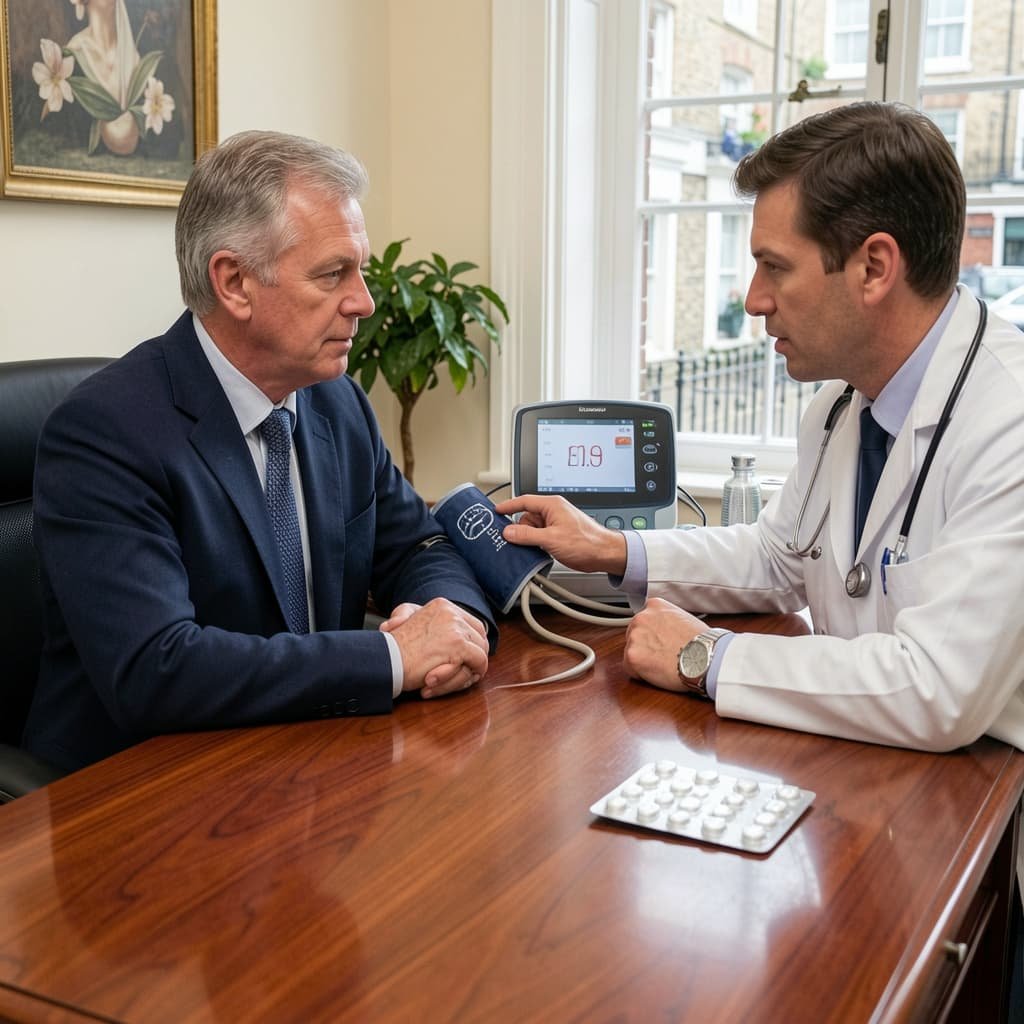
The relationship between hypertension ED and pharmacological management is complex. The condition itself impairs erectile function, yet some treatments prescribed to control it may worsen the problem.
- The highest documented risk of medication-related erectile dysfunction is linked to thiazide diuretics and older, non-selective beta-blockers.
- In contrast, ACE inhibitors (such as ramipril or lisinopril) and angiotensin receptor blockers (ARBs) like losartan are generally viewed as neutral or even mildly beneficial for erectile function.
- Calcium channel blockers, including amlodipine, tend to have little effect on sexual performance.
- Interestingly, alpha-blockers such as doxazosin may offer a modest improvement in erectile function for some men.
For men with controlled hypertension who continue to experience ED despite optimised antihypertensive regimens, the question becomes: what treatment options exist beyond PDE5 inhibitors?
Standard Treatments for Erectile Dysfunction in Men with Hypertension
PDE5 Inhibitors: First-Line but Not Universal
Phosphodiesterase type-5 (PDE5) inhibitors — sildenafil, tadalafil, vardenafil — remain the first-line pharmacological treatment for ED according to British Society for Sexual Medicine (BSSM) guidelines. They act by augmenting the NO pathway, facilitating smooth muscle relaxation.
However, PDE5 inhibitors carry an important contraindication in hypertensive men: they must never be combined with nitrate medications or nicorandil, due to the risk of a dangerous and potentially fatal drop in blood pressure. For men on such regimens, PDE5 inhibitors are contraindicated.
Additionally, some men with severe endothelial damage respond inadequately to PDE5 inhibitors. The drugs enhance signalling through a pathway that is already compromised at source. Where the vascular infrastructure is sufficiently damaged, enhanced signalling produces limited effect.
The Treatment Gap for Vasculogenic ED
Men with erectile dysfunction high blood pressure who cannot tolerate PDE5 inhibitors, or who do not respond adequately to them, face a narrower set of options. Vacuum erection devices, intracavernosal injections of alprostadil, and penile prostheses represent the main alternatives — all of which carry practical or psychological barriers.
This treatment gap has driven interest in regenerative approaches, of which platelet-rich plasma (PRP) therapy — delivered as the P-Shot — is the most widely studied non-surgical option.
The P-Shot: Mechanism, Procedure, and Evidence Base
What the P-Shot Is
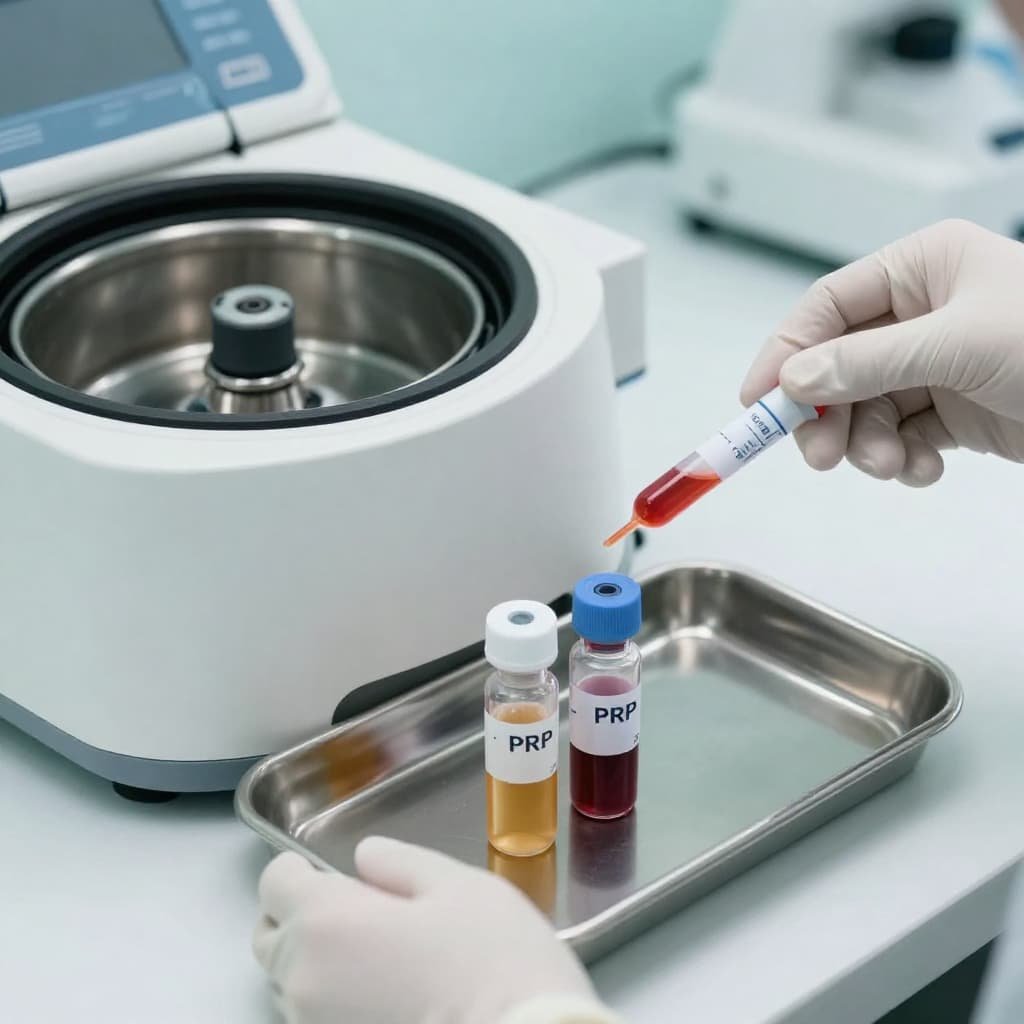
The P-Shot (Priapus Shot) is a non-surgical treatment for erectile dysfunction in which platelet-rich plasma is injected directly into the corpus cavernosum and, in some protocols, the glans penis. The procedure uses autologous PRP — that is, plasma derived from the patient’s own blood — making immunological rejection a non-issue.
PRP contains a high concentration of platelets, which release growth factors including platelet-derived growth factor (PDGF), vascular endothelial growth factor (VEGF), transforming growth factor-beta (TGF-β), and insulin-like growth factor-1 (IGF-1). These growth factors promote angiogenesis, cellular repair, and tissue regeneration in the treated area.
Why PRP May Be Particularly Relevant in Hypertension-Related ED
Standard treatments for ED address the functional end of the problem — they temporarily improve erectile haemodynamics but do not reverse the underlying vascular damage caused by hypertension.
PRP-based regenerative therapy for ED targets the pathological substrate more directly. By delivering VEGF and PDGF to damaged cavernous tissue, the P-Shot aims to stimulate new blood vessel formation, improve endothelial function, and promote smooth muscle regeneration. In theory, this addresses the vascular damage that chronic hypertension produces — not merely its functional consequence.
This is the mechanistic rationale that makes the P-Shot a clinically logical option for men with vasculogenic ED secondary to hypertension, particularly where PDE5 inhibitors are contraindicated or insufficient.
Current Clinical Evidence
The evidence base for PRP therapy in ED has grown substantially. A 2024 systematic review and meta-analysis published in Translational Andrology and Urology (Huang et al., 2024) searched databases including PubMed, EMBASE, Web of Science, and the Cochrane Register through November 2023. The review concluded that PRP shows clinical effectiveness and a low incidence of side effects in ED management.
A 2024 meta-analysis published in PLOS ONE (NCT registered, PROSPERO: CRD42024547695) analysed 12 controlled trials involving 991 patients and 11 single-arm trials covering 377 patients. The PRP group demonstrated significantly better outcomes on the International Index of Erectile Function (IIEF) score compared to controls (SMD = 0.59; 95% CI: 0.34–0.84). Single-arm trials also showed significant pre- to post-treatment improvement (SMD = -0.99; 95% CI: -1.53 to -0.46).
A systematic review published in Sexual Medicine Reviews (Oxford Academic, 2023) identified 16 clinical studies. Randomised placebo-controlled trials showed promising efficacy with no reported adverse events across the included studies.
What to Expect from P-Shot Treatment
The Procedure
The P-shot procedure follows a standardised protocol. A clinician draws a blood sample — typically 20–30 ml — from the patient. The sample undergoes centrifugation to isolate the platelet-rich fraction. A topical anaesthetic is applied to the treatment site. The prepared PRP is then injected into the corpus cavernosum using a fine needle.
The procedure takes approximately 30–45 minutes in total. No general anaesthetic is required. Most men return to normal activity the same day. Sexual activity may resume within 24–48 hours, subject to clinician guidance.
P-Shot Before and After: Realistic Expectations
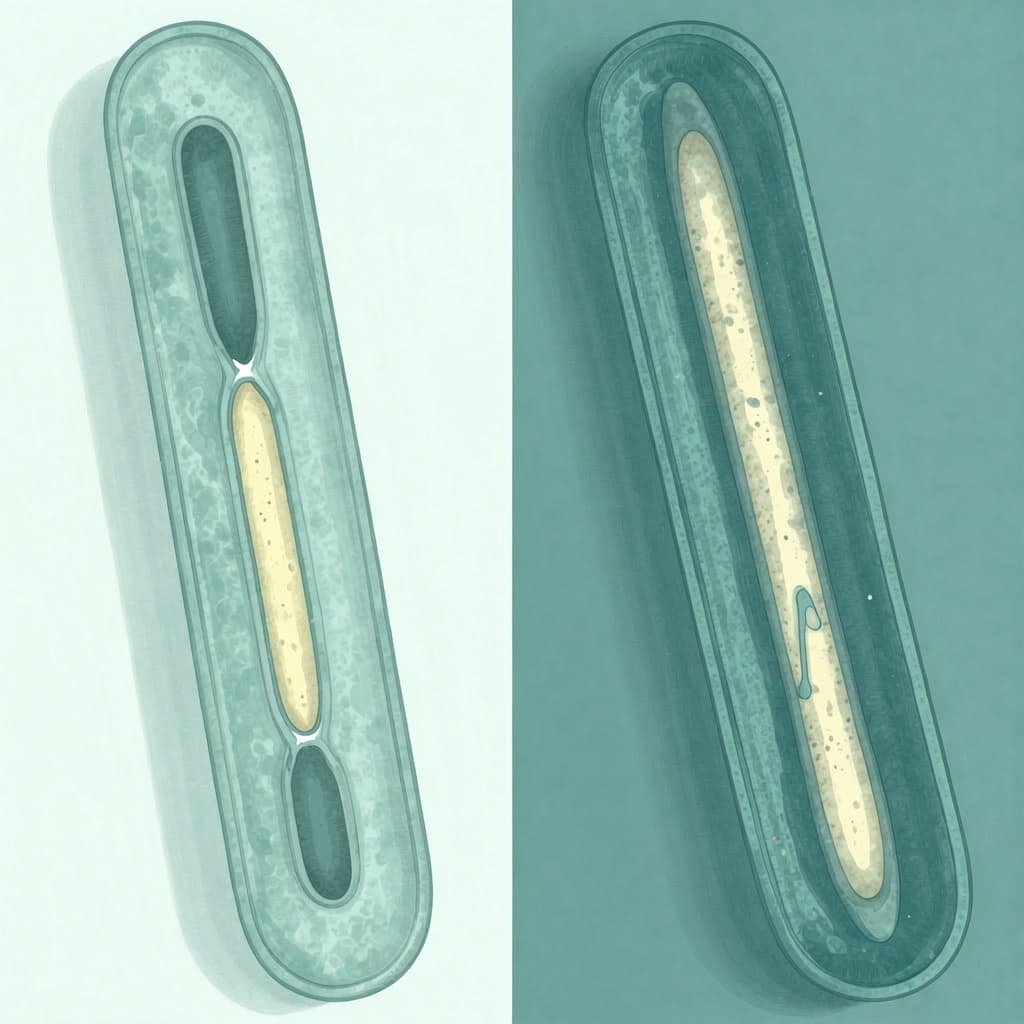
Men considering a P-shot before and after evaluation should approach the process with realistic expectations. Published studies report improvements in IIEF scores, increased penile sensitivity, and improved erection quality in respondent patients. Some studies document modest gains in measurable penile dimensions, though evidence for this outcome specifically is more limited and variable.
Important clinical realities to acknowledge:
• Not all men respond equally. Response varies based on the severity of underlying vascular damage, age, comorbidities, and adherence to cardiovascular health management.
- Gradual effects usually appear over four to twelve weeks as tissue remodeling takes place.
- To optimize results, some treatment protocols suggest two or three sessions.
- Clinical studies comparing P-Shot outcomes before and after treatment report statistically significant improvements at the group level, though individual responses vary.
- Importantly, the P-Shot is not a substitute for antihypertensive medication or lifestyle changes. It is a complementary intervention, not a substitute for cardiovascular risk management.
Safety Profile
PRP is autologous — it uses the patient’s own biological material. This eliminates the risk of allergic reaction or immunological rejection. Published clinical studies have reported no serious adverse events associated with intracavernosal PRP injection. Minor bruising or transient discomfort at the injection site is the most commonly documented side effect.
Men with severe uncontrolled hypertension, bleeding disorders, or active haematological malignancy are not candidates for this procedure. A thorough medical consultation with blood pressure assessment is a prerequisite before any P-shot treatment.
Limitations and Clinical Considerations
Where the Evidence Falls Short
Honesty about the limitations of the evidence base is essential. Several factors complicate interpretation of existing PRP studies:
• No universally standardised protocol exists for PRP preparation. Platelet concentration, activation method, and injection volume vary across studies and providers.
• Most trials have small sample sizes and short follow-up periods.
• Hypertensive men are often included in study populations but are rarely analysed as a discrete subgroup. Direct evidence on the P-Shot specifically in men with hypertension ED remains limited.
• Placebo effects are difficult to control for in injection-based studies.
• Large-scale randomised controlled trials with standardised protocols and longer follow-up are needed before PRP can be recommended as a first-line treatment.
Clinical Candidacy
The P-Shot is most appropriate for men who:
- Men with vasculogenic or mixed‑aetiology erectile dysfunction, particularly when a cardiovascular component is suspected or confirmed, may be considered suitable candidates.
- Those who have not responded adequately to PDE5 inhibitors—or for whom such medications are contraindicated—are another group often included.
- Eligibility also requires that hypertension is controlled or medically managed at the time of treatment.
- A full medical evaluation and cardiovascular risk stratification should be completed beforehand.
- Finally, candidates need to hold realistic expectations and commit to lifestyle and cardiovascular health management alongside therapy.
The P-Shot is not a treatment for uncontrolled hypertension. Blood pressure management remains the primary clinical priority. A P-shot treatment should only proceed following thorough medical assessment and with blood pressure under adequate control.
Seeking P-Shot Treatment in the UK

P-Shot treatment for erectile dysfunction high blood pressure is available at regulated private medical clinics in London.
Men seeking a non-surgical treatment for erectile dysfunction in London or elsewhere in the UK should ensure treatment is provided by a qualified medical practitioner with specific training in men’s intimate health and regenerative medicine. The procedure requires precise anatomical knowledge and must be performed in a clinical setting with full medical oversight.
pshots clinic uk, based on Harley Street, Marylebone, London, offers P-shot treatment under the clinical direction of Dr Syed Nadeem Abbas (MBBS, MRCS RCS Edinburgh, MRCGP, MSc Aesthetic Plastic Surgery with Distinction — Queen Mary University London), who has completed advanced training at Cambridge, Oxford, and the Royal London Hospital.
Men considering the Priapus Shot should arrive at any consultation with a full list of current medications — particularly antihypertensive agents — and recent blood pressure readings, to allow appropriate clinical assessment before treatment proceeds.
Frequently Asked Questions
Q: Can men with high blood pressure safely have the P-Shot?
A: Men with well-controlled hypertension are generally suitable candidates. Those with poorly controlled or uncontrolled blood pressure require stabilisation of their condition before treatment. A full medical assessment is mandatory. The P-Shot itself does not affect systemic blood pressure.
Q: What is the Priapus Shot price in the UK?
A: Priapus shot price varies by clinic, geographic location, and whether a single session or a course of treatment is undertaken. In London, P-shot UK pricing typically ranges from £800 to £2,000 per session. Clinics offering structured consultations and medically supervised protocols tend to reflect higher baseline costs.
Q: Can the P-Shot be used alongside antihypertensive medications?
A: Yes. PRP therapy is not known to interact with antihypertensive medications. However, men taking nitrates or nicorandil — and who therefore cannot use PDE5 inhibitors — should disclose this at consultation. The P-Shot mechanism is independent of the NO/cGMP pathway targeted by PDE5 inhibitors.
Q: How many P-Shot treatments are typically required?
A: Most clinical protocols involve one to three sessions, with repeat treatments spaced four to six weeks apart if indicated. Some men report improvement after a single session; others require a course. The treating clinician determines the appropriate protocol based on individual clinical presentation.
Q: Is the P-Shot approved by the NHS?
A: The P-Shot is not currently part of NHS-provided ED treatment. It is available through regulated private medical clinics in the UK. Men seeking P-shot London treatment should confirm that their provider is a registered medical practitioner.
Q: How long do P-shot before and after improvements last?
A: Published studies report improvements lasting six to eighteen months in responding patients. Ongoing cardiovascular health management — including blood pressure control, exercise, and dietary modification — appears to support duration of effect.
Q: Are penile injection growth claims associated with the P-Shot accurate?
A: Some studies document modest measurable changes in penile dimensions as a secondary outcome. However, these findings are inconsistent across studies and should not be considered a primary indication for treatment. The primary clinical rationale for P-shot use is improvement in erectile function, not male enlargement injections.
Conclusion
Erectile dysfunction and high blood pressure are among the most prevalent comorbid conditions in adult men in the UK. Their co-occurrence is not coincidental — it is mechanistically explicable through shared pathways of endothelial dysfunction, impaired nitric oxide signalling, and progressive vascular damage. For many men, standard treatments address the symptom without reversing the pathology.
The P-Shot — delivering PRP-based regenerative therapy for ED directly to damaged cavernous tissue — represents a scientifically coherent and clinically promising option for men in this category. Its safety profile is favourable, the evidence base is growing, and its mechanism addresses the vascular substrate rather than simply augmenting a compromised signalling pathway.
That said, the evidence is still developing. PRP is not a first-line treatment. It is most appropriately considered for men who have exhausted or cannot access standard options, and only after full medical evaluation and cardiovascular risk assessment.
Informed decision-making requires understanding both what PRP can achieve and what it cannot. Men with erectile dysfunction and high blood pressure face a complex clinical picture — one that warrants a structured, evidence-informed approach rather than a reactive search for quick solutions.
If high blood pressure has already altered the function of the body’s smallest arteries, is it not time for treatment strategies to address the vessel wall itself — rather than simply compensating for the damage it has caused?
Read more: P Shot London – What You Need to Know Before Treatment
P Shot Treatment: Procedure Steps, Recovery, Aftercare, and Results Timeline