
Lichen sclerosus is a chronic inflammatory skin condition affecting the genital area in men. Standard treatment relies on potent topical steroids, yet many men experience incomplete symptom control and long-term scarring. Regenerative medicine has introduced platelet-rich plasma therapy, commercially known as the P-Shot or Priapus Shot, as a possible adjunct for penile tissue repair. This article examines whether P shot lichen sclerosus treatment offers genuine clinical benefit, reviews the published evidence, and outlines realistic outcomes for men considering this regenerative option. Regenerative treatments cannot replace dermatological diagnosis and steroid-based first-line care. The following sections separate established medical guidance from experimental applications of PRP therapy for men’s performance issues and intimate skin health.
What Is Lichen Sclerosus?
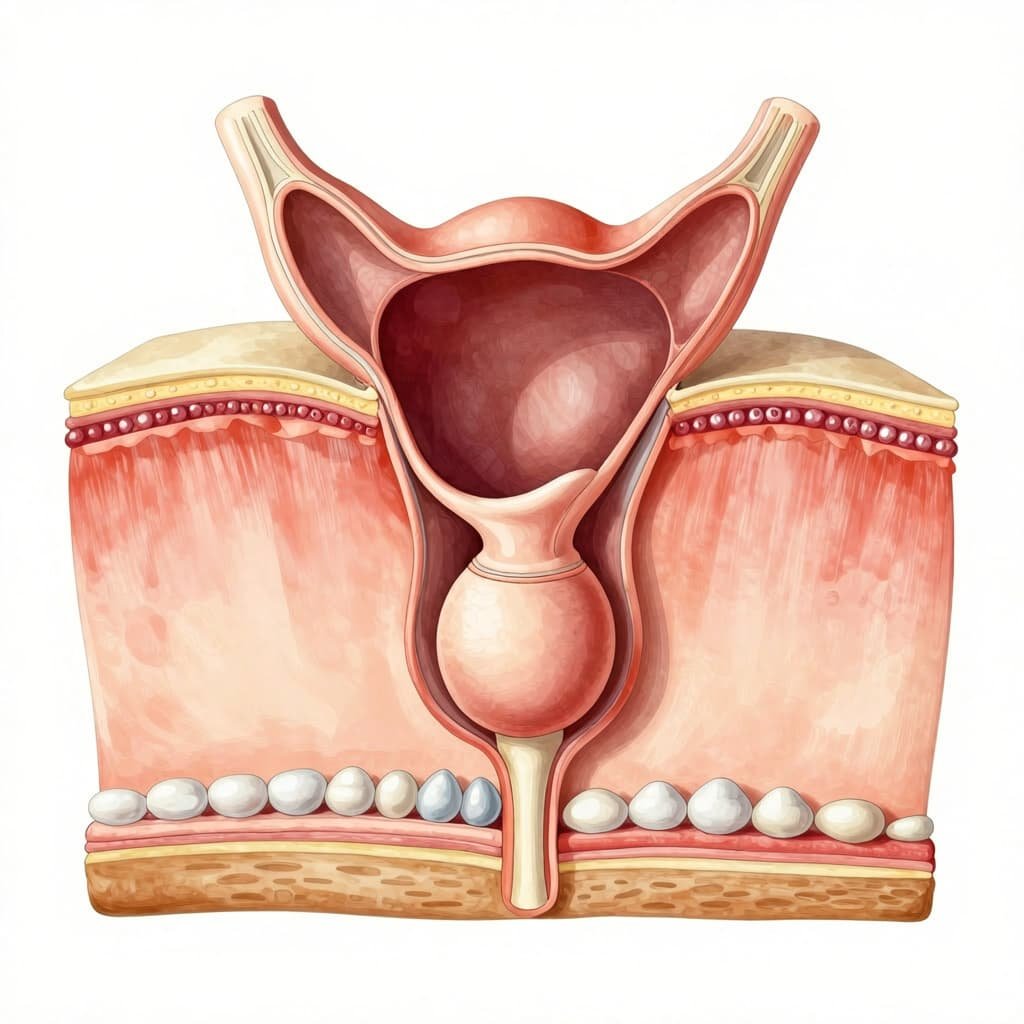
Lichen sclerosus is a long-term inflammatory skin disorder. NHS guidance describes lichen sclerosus as a condition causing white, thickened, itchy patches on genital skin. Men typically develop lichen sclerosus on the foreskin and glans, where clinicians also call it balanitis xerotica obliterans. The condition often causes tightening of the foreskin, pain during erections, and skin fragility. NICE and NHS clinicians note that untreated lichen sclerosus can progress to scarring, phimosis, and, rarely, an increased skin cancer risk. Early diagnosis by a dermatologist or urologist remains essential before considering any additional therapy, including a P shot treatment.
The exact cause of lichen sclerosus remains unclear, though researchers link it to autoimmune activity, genetic factors, and localised inflammation. The condition can affect men of any age, though diagnosis most commonly occurs in adulthood. Uncircumcised men appear to face a higher likelihood of developing penile lichen sclerosus, possibly due to chronic moisture and friction beneath the foreskin. Dermatologists confirm diagnosis through visual examination and, in some cases, a skin biopsy to rule out other conditions with a similar appearance.
Recognising Symptoms in Men
Symptoms include itching, soreness, white patches, and skin that appears shiny or crinkled. Some men notice difficulty retracting the foreskin. Pain during intercourse or urination can also develop as the skin loses elasticity. Reduced sensation and small skin tears sometimes accompany advanced cases. Persistent white patches on the glans or foreskin always warrant medical assessment rather than self-treatment.
Standard NHS-Recommended Treatments for Lichen Sclerosus
Topical corticosteroids remain the first-line treatment for lichen sclerosus in the UK. Clobetasol propionate 0.05% is the most researched option, supported by Cochrane review evidence. Doctors typically prescribe daily application for several weeks, followed by a lower-strength maintenance regime. Mometasone furoate offers a further evidence-backed alternative for penile presentations. Circumcision is sometimes recommended for men with recurrent foreskin tightening or phimosis that fails to respond to steroid cream. Despite these options, corticosteroids can thin the skin further with prolonged use, and some men experience persistent symptoms even after months of steroid therapy. This treatment gap has prompted clinical interest in regenerative approaches such as PRP-based regenerative therapy for ED and related genital skin conditions.
What Is the P-Shot (Priapus Shot)?
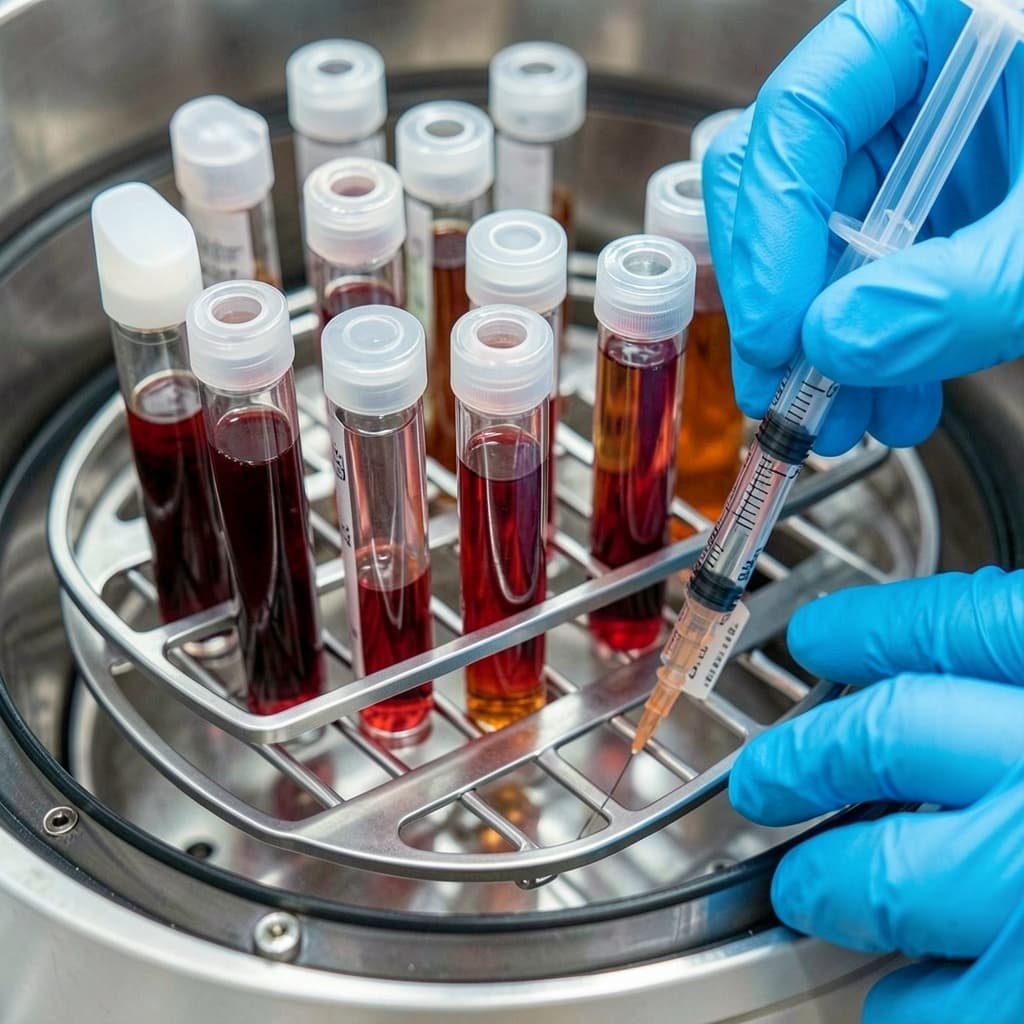
The P-Shot, also written P shot or Pshot, is a trademarked platelet-rich plasma injection technique developed originally for erectile dysfunction. Clinics offering the Priapus shot draw a small blood sample, process it via centrifuge, and re-inject concentrated platelets into penile tissue. Practitioners designed the P shot treatment as a non-surgical treatment for erectile dysfunction in London and other UK cities, drawing on regenerative medicine principles used in orthopaedics and aesthetic medicine. Because PRP releases growth factors that support tissue repair, some practitioners have extended penis shot techniques to other penile skin conditions. This application, often marketed as P shot lichen sclerosus treatment, remains off-label and outside formal treatment guidelines.
How PRP Growth Factors Work
Platelet-rich plasma contains concentrated growth factors, including platelet-derived growth factor and vascular endothelial growth factor. These proteins are thought to stimulate angiogenesis, collagen production, and localised tissue regeneration. Researchers have proposed that this mechanism could support skin repair in lichen sclerosus, similar to its studied effect in penile PRP therapy for erectile dysfunction. The biological rationale is plausible, but plausibility alone does not confirm clinical benefit.
Can the P-Shot Treat Lichen Sclerosus? Reviewing the Evidence
Interest in P shot lichen sclerosus stems from a small number of published studies. A 2017 study by Casabona and colleagues, published in the International Urology and Nephrology journal, examined PRP injections in men with chronic penile lichen sclerosus. Researchers reported improvements in tissue quality and patient-reported quality of life among participants receiving autologous PRP injections. The study describes PRP as supporting tissue repair in chronic penile lichen sclerosus cases that had resisted standard therapy.
However, the wider body of research on P shot lichen sclerosus carries significant limitations. A comprehensive review covering both male and female lichen sclerosus patients identified only eight relevant studies, most with small sample sizes and uncontrolled designs. Only one randomised controlled trial has examined PRP in genital lichen sclerosus, and that trial focused on vulvar rather than penile presentation. Reviewers concluded that PRP preparation protocols vary considerably between studies, which makes direct comparison difficult.
What the Research Actually Shows
Current evidence for P shot lichen sclerosus suggests PRP may help some men manage symptoms such as itching and skin fragility. Reported adverse events remain mild, typically limited to temporary swelling or discomfort at the injection site. Despite these encouraging signals, published reviewers consistently call for larger, double-blind, placebo-controlled trials before PRP becomes a standardised treatment. No professional dermatology body currently lists PRP as a first-line or guideline-recommended treatment for lichen sclerosus. Men considering a P shot for this condition should view it as an adjunct under specialist supervision, not a replacement for corticosteroid therapy.
P-Shot Before and After: Realistic Expectations
Clinics presenting P-shot before and after results should offer balanced, evidence-based expectations rather than guaranteed outcomes. For lichen sclerosus specifically, reported improvements relate to symptom relief, skin texture, and reduced steroid dependency, not visible penile enlargement. P shot before and after imagery commonly associated with sexual performance marketing does not apply to lichen sclerosus treatment, where the goal is tissue repair rather than penile injection growth for size. Setting appropriate expectations protects patients from disappointment and supports properly informed consent.
The P-Shot Procedure at a Private Clinic in London
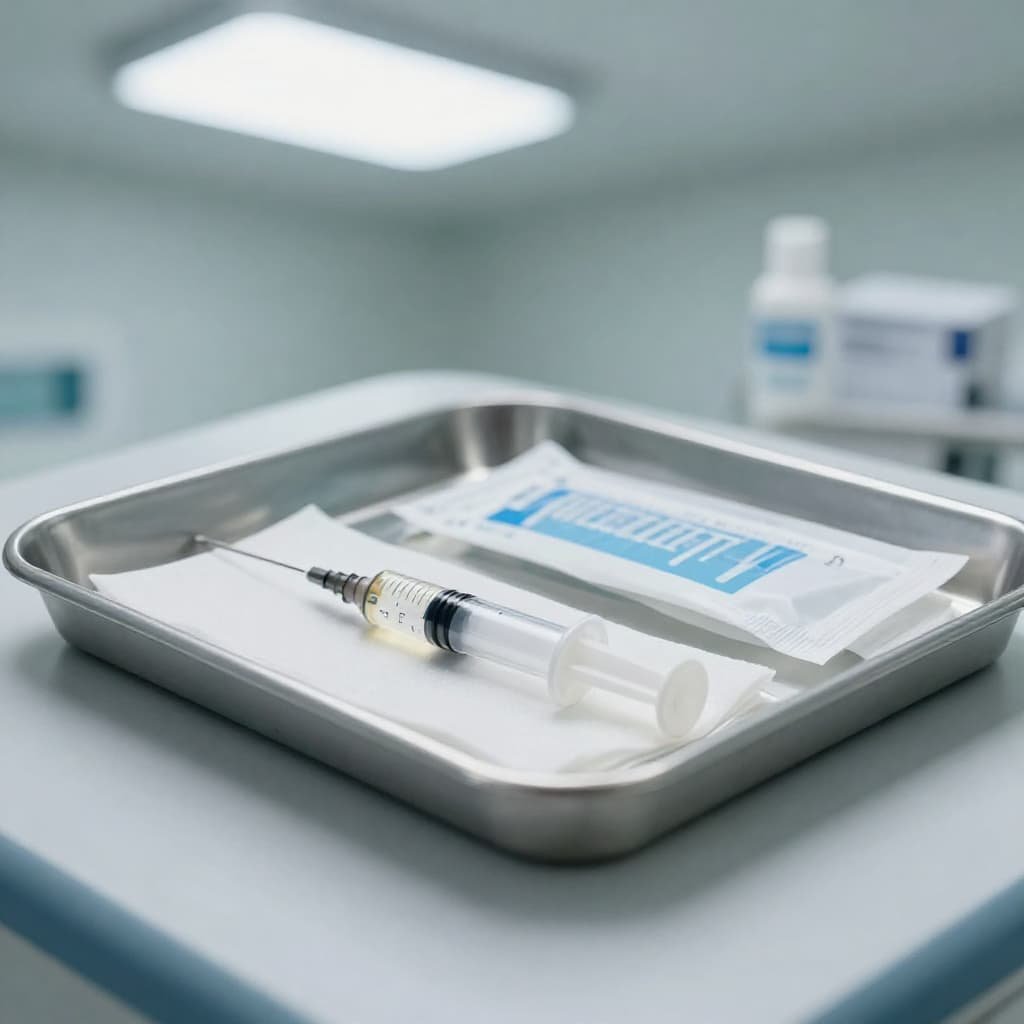
A private consultation typically begins with a full medical history and physical examination to confirm a lichen sclerosus diagnosis, often supported by prior dermatological assessment. Clinics offering a P shot lichen sclerosus procedure typically require this confirmed diagnosis before treatment proceeds. A phlebotomist draws blood and processes it using a centrifuge to separate platelet-rich plasma from other blood components. A topical or local anaesthetic numbs the treatment area before the P injection is administered into affected penile tissue. The full appointment at a P shot London clinic usually takes under an hour, with minimal reported downtime afterwards.
Aftercare and Follow-Up
Mild swelling or bruising can occur after a Priapus shot London procedure and typically resolves within a few days. Clinics generally recommend avoiding sexual activity for a short period following treatment. A follow-up review allows clinicians to assess skin response and determine whether repeat sessions suit ongoing lichen sclerosus management.
PRP Preparation Systems Used in Clinic
Clinics use closed-system centrifuge kits to separate platelet-rich plasma from red blood cells and plasma. These systems concentrate platelets several times above baseline blood levels before the P injection is prepared for use. Standardisation of PRP preparation remains an ongoing challenge across the wider PRP for lichen sclerosus literature, since concentration and injection technique both vary by clinic. A qualified practitioner selects injection sites based on the distribution of affected penile skin, following the diagnosis confirmed during consultation.
Priapus Shot Price and Cost Considerations in the UK
Priapus shot price varies between private clinics, depending on the PRP preparation system, clinician expertise, and number of sessions required. Costs for a P shot UK consultation and treatment typically sit within the broader male enlargement injections cost UK bracket, though pricing for lichen sclerosus-specific PRP protocols may differ from standard erectile dysfunction packages. Patients should request a detailed, itemised quote before committing to treatment, including any recommended follow-up sessions or dermatology co-management fees.
Risks, Limitations and Who Should Avoid PRP Therapy
PRP therapy carries a generally favourable safety profile, since the procedure uses a patient’s own blood, reducing allergic reaction risk. Reported side effects remain mostly mild, including temporary pain, swelling, or bruising at the injection site. Men with active skin infection, bleeding disorders, or certain blood conditions should avoid PRP injections. Lichen sclerosus carries a small increased risk of penile skin cancer, so any new lesion, lump, or non-healing area requires prompt medical review rather than PRP treatment. PRP therapy does not remove the need for ongoing dermatological monitoring in lichen sclerosus. Anticoagulant medication, active malignancy, and untreated infection at the injection site are further reasons a clinician may decline treatment. A thorough pre-treatment consultation identifies these factors before any PRP for lichen sclerosus procedure is booked.
P-Shot vs Other Regenerative Treatments for Male Health
Regenerative treatment for male health in the UK includes several approaches beyond PRP, such as shockwave therapy and hormonal assessment. Compared with surgical options like circumcision, a natural ED treatment using PRP therapy involves less downtime, though its evidence base for lichen sclerosus remains smaller than for corticosteroid treatment. Clinicians offering men’s intimate health treatment in London typically combine PRP with dermatological co-management rather than positioning it as a standalone lichen sclerosus therapy. Erectile dysfunction treatment London providers increasingly discuss PRP therapy for men’s performance issues alongside established options such as PDE5 inhibitors and vacuum erection devices. This comparison allows patients to weigh a non-surgical treatment for erectile dysfunction in London against more established, guideline-backed interventions before deciding on a course of care.

Frequently Asked Questions
Is the P-Shot a proven treatment for lichen sclerosus?
Current evidence remains limited. Small studies report symptom improvement, but larger controlled trials have not yet confirmed the value of P shot lichen sclerosus as a standard treatment. Dermatology guidelines do not currently endorse it as a first-line option.
Can PRP replace steroid cream for lichen sclerosus?
No. Topical corticosteroids remain the NHS first-line treatment for lichen sclerosus. PRP functions as a possible adjunct, used alongside or after steroid therapy under specialist guidance, rather than as a replacement.
How much does a P shot cost in London?
Priapus shot price depends on the clinic, the PRP system used, and the treatment plan required. A detailed, written quote should be obtained during an initial consultation before any treatment begins.
Are there risks specific to using PRP for lichen sclerosus?
Risks are generally mild and include temporary swelling and bruising. Lichen sclerosus itself carries a small skin cancer risk, so ongoing dermatological review remains essential regardless of any PRP treatment received.
Who performs P-Shot treatment in London?
Regulated private clinics staffed by qualified medical practitioners provide P-Shot treatment across London. Pshots clinic UK, a Harley Street-based provider led by Dr Syed Nadeem Abbas, offers PRP-based procedures for men under clinical supervision.
How many PRP sessions are needed for lichen sclerosus?
Published studies vary in protocol, with some using a single injection and others repeating treatment over several months. A clinician determines session frequency based on symptom severity, skin response, and ongoing dermatological review.
Does the P-Shot help with erectile dysfunction as well as lichen sclerosus?
The P-Shot was originally developed for erectile dysfunction rather than lichen sclerosus. Some men explore both applications together, though each requires separate clinical assessment and separate evidence review before treatment.
Key Takeaways
Lichen sclerosus remains a manageable but chronic condition requiring accurate diagnosis and consistent dermatological care. Evidence for P shot lichen sclerosus is encouraging in small studies, yet it has not reached the strength needed to replace corticosteroid treatment. Men considering PRP therapy should discuss realistic outcomes, associated costs, and potential risks with a qualified clinician before proceeding. Informed decision-making, grounded in published evidence rather than promotional claims, remains the safest path forward. Given the current gap between preliminary research and guideline-level recommendation, what additional evidence would justify PRP becoming a standard part of lichen sclerosus care?
Read more:P Shot London for Peyronie’s Disease – Does It Actually Work?


