
Erectile dysfunction affects a large number of men across the UK. NHS England data shows that roughly 50% of men aged between 40 and 70 experience some degree of the condition. That number rises with age. Despite this, many men put off seeking help. Embarrassment plays a role, but so does confusion about which treatments are available and how they work.
Two options draw increasing interest in private men’s health clinics — the P Shot and low-intensity shockwave therapy. Both are non-surgical, aim to improve erectile function and work through regenerative processes. Yet they take very different approaches. This article breaks down how each treatment works, what the evidence shows, and what to think about before choosing.
What Is the P Shot?
How the Treatment Works
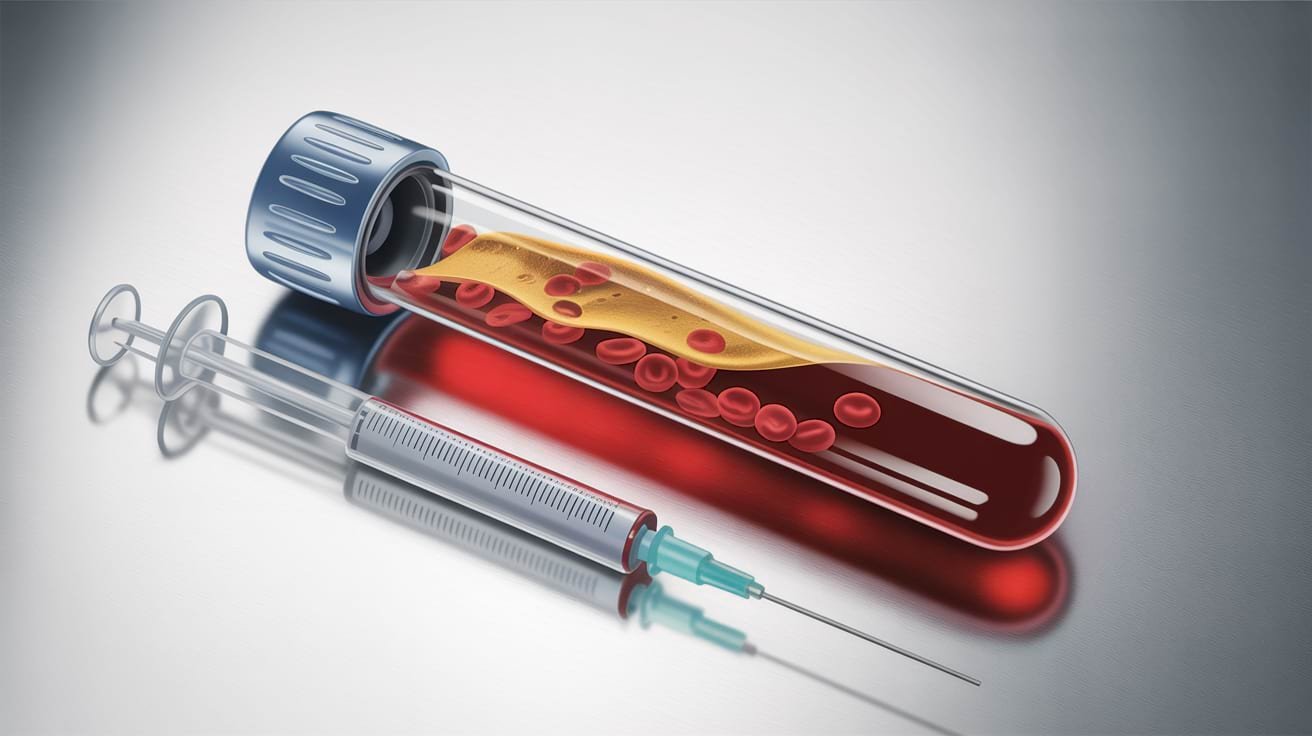
The P Shot — short for the Priapus Shot — is a regenerative injection treatment for men. It uses platelet-rich plasma (PRP), taken from the patient’s own blood, and places it directly into penile tissue. Dr Charles Runels developed the treatment in the United States. The name comes from Priapus, the Greek god of fertility.
To prepare the injection, a clinician takes a small blood sample from the patient. A centrifuge spins the sample to separate it into layers. This process concentrates the platelets, which carry growth factors that support tissue repair. The clinician then injects the resulting PRP into the corpus cavernosum — the sponge-like tissue that fills with blood during an erection — and into the glans. A topical anaesthetic cream reduces discomfort before the injections begin.
The Biology Behind the P Shot
The P-shot works on the same biological principles that support PRP use in orthopaedics, dermatology, and wound care. Growth factors within the PRP — including PDGF, VEGF, and TGF-β — stimulate new blood vessel growth, support smooth muscle function, and aid nerve tissue. These effects directly address the vascular and tissue changes that contribute to erectile dysfunction.
What the Evidence Shows
Published P-shot before and after data from case series report improvements in erectile firmness, sensitivity, and in some cases penile dimensions. Individual results vary. A 2021 review in Sexual Medicine Reviews found that PRP for erectile dysfunction produced encouraging early results, particularly in men with mild-to-moderate vascular dysfunction. The authors called for larger randomised controlled trials to confirm these findings.
Cost and Availability in the UK
Men looking for P shot treatment in the UK will find it most commonly in specialist private clinics. P shot London providers concentrate largely around Harley Street and other private medical settings. The priapus shot price in the UK typically falls between £1500 and £2500 per session. Pricing depends on the clinic, the clinician’s qualifications, and whether the clinic includes other treatments in the package. When researching male enlargement injections cost UK, it pays to check the clinical credentials behind the service rather than comparing price alone.
What Is Shockwave Therapy for Erectile Dysfunction?
How the Treatment Works
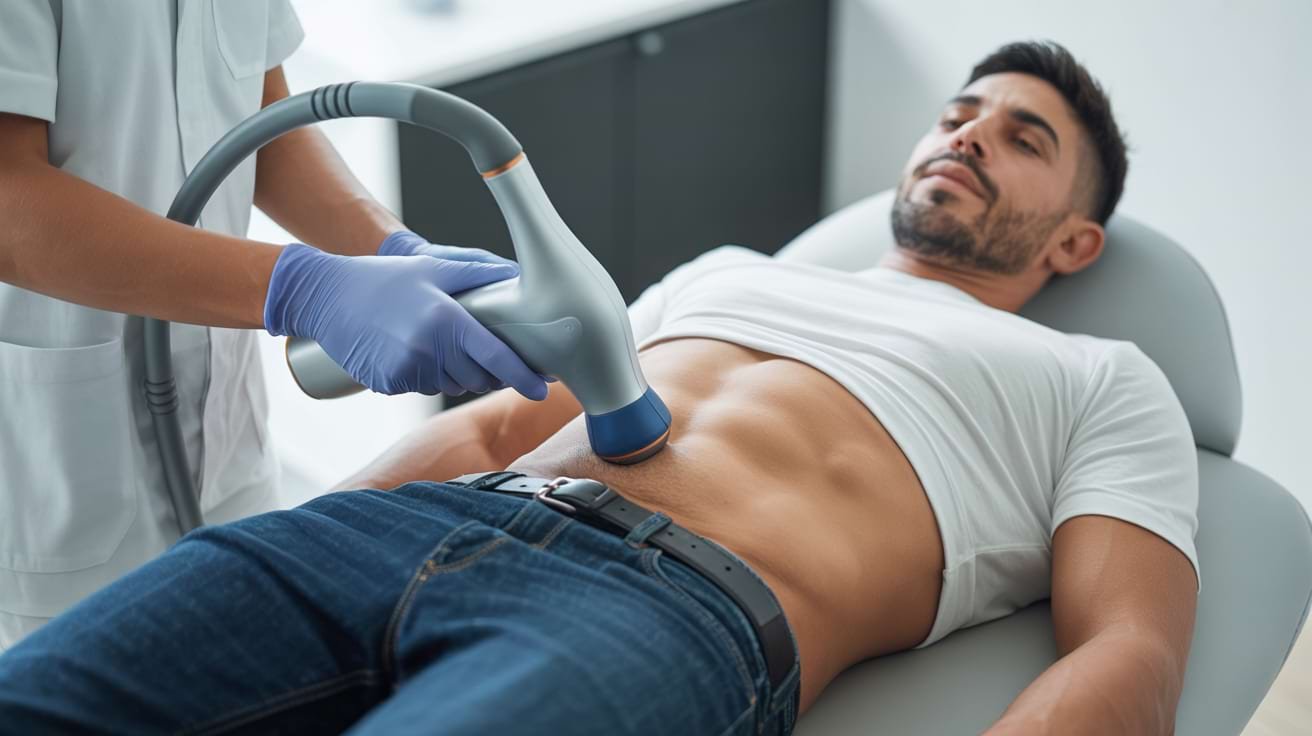
Low-intensity extracorporeal shockwave therapy — known as Li-ESWT — uses acoustic waves to stimulate tissue repair in the penis. A clinician applies a handheld probe to the outside of the penis. The device sends low-energy sound waves into the erectile tissue. No injections take place. No anaesthetic is needed. Most men describe a mild buzzing or pressure sensation during the session.
A standard course runs to four to six sessions. Each session lasts between 15 and 20 minutes. Men can return to normal activity straight afterwards.
How Shockwave Therapy Differs From Other Uses
High-energy shockwave devices break up kidney stones in urology. Li-ESWT works at much lower energy levels. The goal is not destruction but stimulation. The acoustic waves create minor disruption at a cellular level, which triggers the body’s natural repair response. This drives new blood vessel growth and increases nitric oxide availability. Nitric oxide relaxes smooth muscle and improves blood flow — both essential for healthy erections.
What the Research Shows
A 2019 meta-analysis in The Journal of Sexual Medicine pooled data from 14 randomised controlled trials. It found meaningful improvements in erectile function scores for men who received Li-ESWT compared to those who received sham treatment. The benefit was strongest in men with vasculogenic erectile dysfunction – dysfunction caused by poor blood supply.
NICE reviewed shockwave therapy for erectile dysfunction in its interventional procedures guidance. It noted short-term improvements across multiple studies. NICE also states that clinicians should only offer the procedure within proper governance frameworks and with specific training. The guidance acknowledges that long-term data remains limited.
How Do the Two Treatments Compare?
Mechanism of Action
The P-shot and shockwave therapy both target the vascular and tissue damage that drives erectile dysfunction. They reach that goal through different routes.
The p-shot delivers growth factors directly into penile tissue through injection. It uses the patient’s own platelets to drive cellular repair from within the tissue.
Shockwave therapy works from the outside. The device converts electrical energy into acoustic wave energy. Those waves penetrate the tissue and start a repair cascade without breaking the skin.
Some clinics combine both treatments. The two mechanisms can work alongside each other effectively.
Invasiveness and What to Expect
The P-shot involves injections, which makes it more hands-on than shockwave therapy. Clinicians apply anaesthetic cream first. The procedure takes around 30 minutes. Most men tolerate it well. There is no recovery period.
Shockwave therapy involves no needles. The probe sits against the skin throughout. Sessions are short. Men leave the clinic and carry on with their day. For men who want to avoid any form of penile injection growth procedure, shockwave therapy offers a lower-threshold starting point.
Comparing the Evidence
Both treatments have supporting evidence. Neither yet has the volume of trial data that a Cochrane-level review would require.
The P-shot evidence base includes case series and cohort studies. A 2020 pilot RCT in The Journal of Sexual Medicine showed improvements in erectile function scores for men who received PRP compared to those who received a placebo. The trial was small, but the results were positive.
The shockwave therapy evidence base is more developed. Multiple RCTs and meta-analyses exist, particularly for vasculogenic dysfunction. Shockwave therapy has also shown it can restore a man’s response to PDE5 inhibitors — medications like sildenafil — in cases where the drugs had stopped working.
Who Each Treatment Suits
The P-shot tends to suit men with mild-to-moderate erectile dysfunction that has a vascular cause, men whose oral medications have not produced adequate results, and men who want improvements in sensitivity and sexual satisfaction alongside better erections. It also suits men open to a pshot protocol that involves more than one session.
Shockwave therapy tends to suit men who prefer a non-injectable option, men with vasculogenic dysfunction where the evidence is strongest, and men who want to regain their response to oral medication before considering other treatments.
How Long Result Last
P-shot before and after data from clinical studies suggest that results can last between 12 and 18 months. Individual variation is wide.
Shockwave therapy results in the published literature typically hold for around 12 months. Some studies report sustained improvements at the two-year mark.
Neither treatment produces a permanent result. Clinicians often discuss maintenance sessions based on how the individual responds.
Safety Considerations
Both treatments carry a low risk of side effects when a qualified clinician performs them.
The p-shot uses the patient’s own blood, so allergic reaction or rejection is not a concern. Side effects are minor and short-lived. These include light bruising, temporary swelling, or mild sensitivity at the injection site.
Shockwave therapy side effects are also mild. Some men notice brief redness or slight discomfort during or after a session. Both treatments avoid the systemic side effects that come with long-term oral medication use.
What to Consider Before Choosing
Several factors shape the right choice: the cause of erectile dysfunction, how long the problem has existed, prior treatment history, and personal comfort with injections versus a non-invasive device.
Get a Clinical Assessment First
A proper medical assessment matters before starting either treatment. Erectile dysfunction often signals an underlying health issue. Cardiovascular disease, metabolic syndrome, and neurological conditions all affect erectile function. The NHS recommends that men with erectile dysfunction check blood pressure, blood glucose, and lipid levels. A good private clinic will carry out this assessment before suggesting any treatment.
Consider Combined Protocols
Some men benefit most from a combination approach. A clinician may recommend shockwave therapy first to improve blood flow, followed by the P-shot to support tissue repair at a cellular level. Others may need only one treatment. The right protocol depends on clinical findings, not a one-size-fits-all formula.
At pshots.co.uk, Dr Syed Nadeem Abbas — MBBS, MRCS, MRCGP, and MSc in Aesthetic Plastic Surgery with Distinction from Queen Mary University London — leads a Harley Street men’s health clinic that offers both PRP-based P shot treatment and combination protocols under full clinical governance.
The Bottom Line
The P Shot and shockwave therapy each offer a distinct approach to erectile dysfunction. The Priapus shot places growth factors directly into penile tissue using the patient’s own blood. Shockwave therapy stimulates the same type of tissue repair using acoustic waves from outside the body.
Both treatments have a growing evidence base and a strong safety record. Neither replaces a clinical assessment, and neither addresses underlying health conditions on its own. The right starting point is always a consultation with a qualified clinician. From there, the choice between the P-shot, shockwave therapy, or a combination of both becomes a clinical decision — not a guessing game.
Read more: P Shot London – What You Need to Know Before Treatment
P Shot Treatment: Procedure Steps, Recovery, Aftercare, and Results Timeline


