
Mark had managed his type 2 diabetes reasonably well for eleven years. His HbA1c sat at acceptable levels. He walked daily, watched his diet, and took his medication without fail. But there was one problem he never mentioned to his GP — and it had quietly worsened over the same eleven years. Erectile dysfunction. Not occasionally. Persistently.
He tried the standard tablets. They helped at first, then less so. His urologist explained the likely cause: years of high blood sugar had damaged the small blood vessels and nerves that supply the penis. The underlying tissue itself had changed. A tablet could only do so much when the infrastructure was compromised.
It was his wife who found the term “P shot” during a late-night internet search. Mark had never heard of it. A month later, he was sitting in a consultation room asking questions he had been too embarrassed to ask for years.
His story is not unusual. Among men with diabetes in the United Kingdom, erectile dysfunction is one of the most common and least discussed complications. And the P Shot — also known as the Priapus Shot — is increasingly part of the conversation about how to address it.
Why Diabetes and Erectile Dysfunction Are So Closely Linked
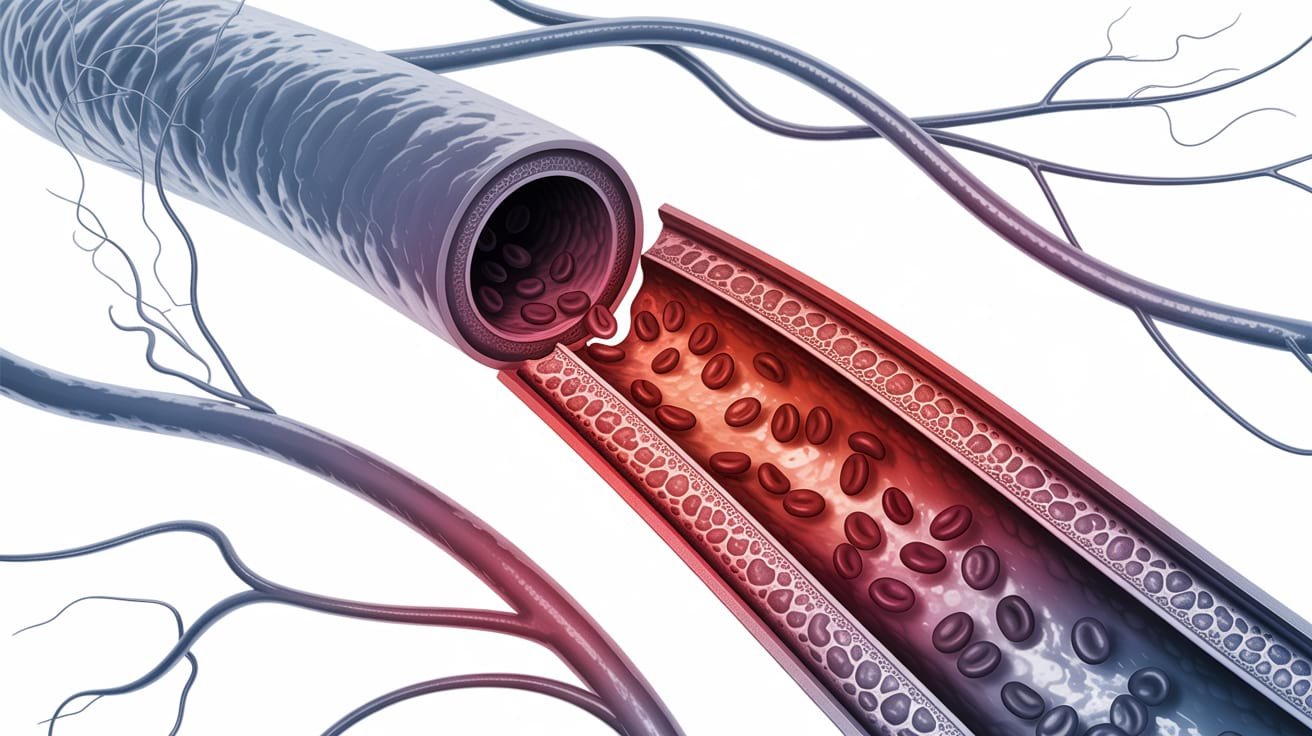
The NHS estimates that around half of all men with diabetes will experience erectile dysfunction at some point. That figure rises with age and with how long a man has lived with the condition.
The connection is not simply hormonal or psychological, though both can play a role. Sustained elevated blood glucose damages the endothelium — the inner lining of blood vessels. It also injures peripheral nerves, including those in the pelvic region. The result is a double blow: impaired blood flow to the penis, and reduced nerve sensitivity.
Over time, the smooth muscle tissue inside the corpora cavernosa — the chambers that fill with blood during an erection — can become fibrous. Once fibrosis sets in, the tissue physically cannot expand in the same way. PDE5 inhibitors like sildenafil work by amplifying the signal that tells those chambers to relax and fill. But if the tissue itself is damaged, the signal has less to work with.
This is the specific challenge that makes diabetes-related erectile dysfunction harder to treat than psychogenic or even vascular erectile dysfunction in men without metabolic disease. And it is the context in which the P shot treatment has attracted genuine clinical interest.
What the P Shot Actually Is
The P Shot — or Priapus Shot — is a penile injection procedure. It uses platelet-rich plasma, or PRP, drawn from the patient’s own blood.
The process begins with a standard blood draw. The sample is placed in a centrifuge, which separates the blood into its components. Platelet-rich plasma rises to the top. This concentrated plasma carries a high density of growth factors — proteins that play a key role in tissue repair, new blood vessel formation, and cellular regeneration.
That PRP is then injected directly into specific anatomical sites within the penis, including the shaft and the area around the glans. The procedure is performed under topical anaesthetic. Most men describe minimal discomfort.
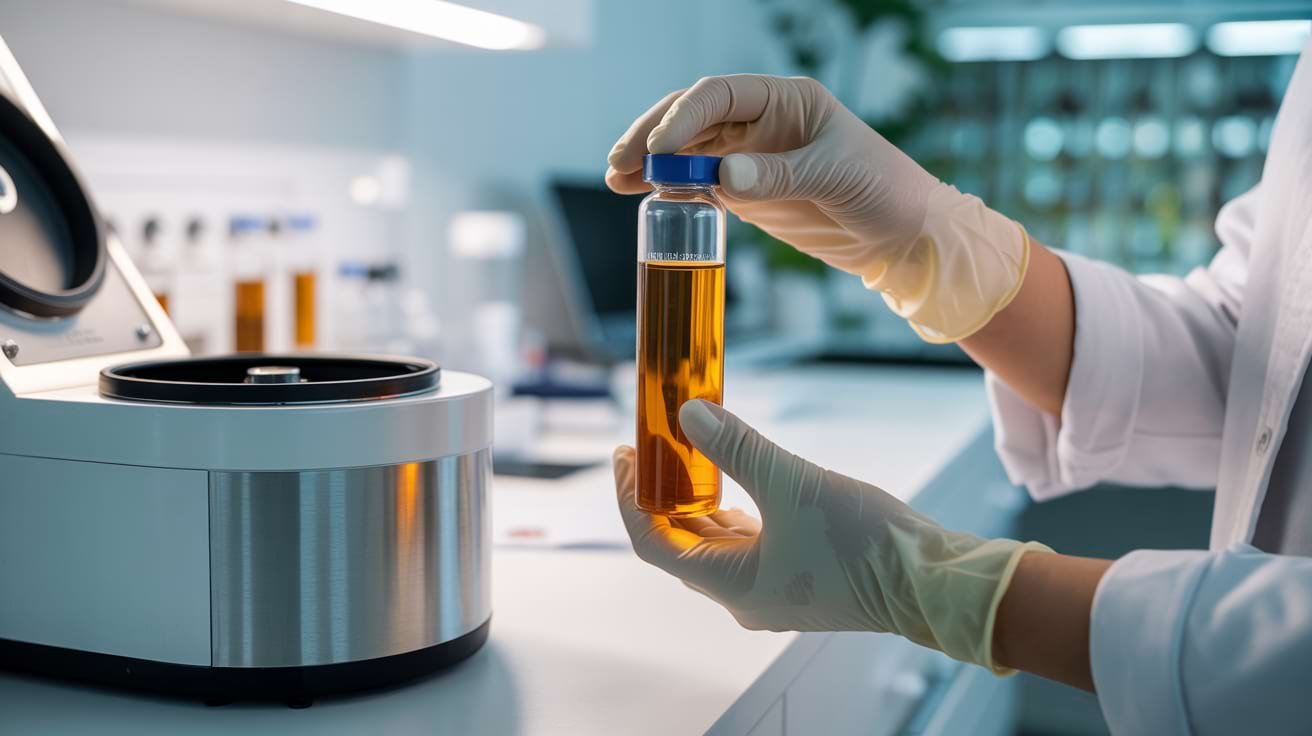
The mechanism of action is not fully settled in the literature, but the prevailing hypothesis is that growth factors within the PRP stimulate neovascularisation — the formation of new capillary networks — and may support the regeneration of smooth muscle tissue. In a diabetic patient whose penile vasculature has been damaged over years, this represents a fundamentally different approach from symptomatic management. Rather than amplifying a compromised signal, it attempts to restore some of the tissue itself.
What the Evidence Shows So Far
It is important to be clear: the P Shot is not yet backed by large-scale randomised controlled trials. NICE has not issued formal guidance on PRP for erectile dysfunction at the time of writing. The evidence base is still developing.
That said, several peer-reviewed studies have produced encouraging results — particularly for men whose erectile dysfunction has a physiological, rather than purely psychological, cause.
A 2019 study published in the Journal of Sexual Medicine found that men with mild to moderate erectile dysfunction who received PRP injections reported significant improvements in erectile function scores, with effects maintained at six-month follow-up. Other small trials have reported improvements in penile rigidity and spontaneous erections.
For diabetic patients specifically, a pilot study published in Andrologia in 2021 found that men with diabetes-related erectile dysfunction who had not responded adequately to PDE5 inhibitors showed measurable improvements following PRP treatment. The researchers noted that improvements in vascular markers alongside subjective improvements in function suggested a possible regenerative mechanism.
None of this is conclusive. But it is substantive enough that several leading sexual medicine clinics in the UK now offer the treatment as part of a managed protocol for men who have not responded to first-line therapies.
Who Is the P Shot Suitable For?
The Priapus Shot is not appropriate for every man with erectile dysfunction. It is most commonly considered for men who:
- Have a physiological or vascular cause for their erectile dysfunction
- Have not responded adequately to oral medication
- Live with type 2 diabetes and have evidence of diabetic vasculopathy
- Have Peyronie’s disease, where scar tissue causes penile curvature and often accompanies dysfunction
- Are seeking an option that works with the body’s own biology rather than ongoing pharmaceutical management
Men with active blood cancers, platelet disorders, or active infections are generally not suitable candidates. A full medical assessment is essential before any decision is made.
The treatment is not a cure for diabetes itself, and it does not reverse systemic vascular disease. Good glycaemic control remains the single most important factor in preventing further deterioration.
What to Expect: Before, During, and After
Before Treatment
A thorough consultation should precede any P shot procedure. This means a detailed sexual health history, a review of diabetes management and current HbA1c, a cardiovascular assessment, and a discussion of realistic expectations.
Reputable clinics will not proceed without this groundwork. Any provider who offers the treatment without a structured medical consultation is not operating to a clinical standard.
During the Procedure
On the day, a topical anaesthetic cream is applied to the treatment area and left for approximately thirty minutes. Blood is drawn — usually from the arm — and spun in the centrifuge. The PRP is prepared and drawn into syringes. The injections are then carried out at pre-mapped points. The entire procedure usually takes under an hour.
After Treatment
Some men notice mild swelling or bruising for a day or two. Most return to normal activity immediately. Sexual activity can typically resume within 24 to 48 hours, though clinics often recommend a specific protocol to support tissue remodelling.
Results, where they occur, are not usually immediate. Many men report gradual improvement over six to twelve weeks as the growth factors do their work. A second session is often offered at three months if the initial response is partial.
P Shot Before and After: Realistic Expectations
The phrase P shot before and after appears frequently in searches, and it reflects an understandable desire for concrete evidence of outcomes.
Clinically, improvements are typically measured using validated tools such as the International Index of Erectile Function (IIEF) questionnaire. Men report improvements in the ability to achieve and maintain erections, improved sensitivity, and in some cases improved spontaneous function.
What the P shot is not: it is not a guaranteed solution, it does not always produce dramatic transformations, and outcomes vary significantly between patients. Men with more severe fibrotic change or longstanding severe diabetic neuropathy are likely to see more modest results than those with milder vascular damage.
Any clinic that promises specific P shot before and after outcomes without first assessing the individual patient is making a claim that cannot be ethically supported.
Understanding the Cost: Priapus Shot Price in the UK
The priapus shot price in the UK varies depending on the clinic, the practitioner’s qualifications, and the specific protocol used. At the time of writing, male enlargement injections cost in the UK — a category that often includes PRP-based procedures — typically ranges from £1500 to £2500 per session, depending on provider and location.
Harley Street clinics in London, where practitioners often hold advanced surgical and aesthetic qualifications, tend to sit at the higher end of this range. This reflects the cost of operating in a regulated medical environment with full pre-treatment assessment, clinical-grade centrifuge equipment, and qualified medical oversight.
The procedure is not available on the NHS and is self-funded. This is worth factoring into planning, particularly if multiple sessions are likely.
Choosing a Provider for a P Shot in London
The P shot UK landscape has expanded rapidly. That brings benefits — wider access, more clinical experience accumulating — but also risk. The treatment requires medical judgement, sterile technique, and an understanding of penile anatomy that goes beyond cosmetic training.
When choosing a provider for a P shot in London, look for:
- A practitioner with a full medical qualification (MBBS or equivalent)
- Postgraduate training relevant to men’s health, urology, or aesthetic medicine
- A structured pre-treatment consultation process
- Clinical-grade laboratory equipment for PRP preparation
- Transparent communication about evidence, outcomes, and suitability
Priapus shot London providers who meet these criteria are operating to a level that protects patient safety. Those who do not warrant caution.
Dr Syed Nadeem Abbas at pshots.co.uk holds qualifications in surgical and aesthetic medicine from Cambridge, Oxford, Queen Mary University London, and the Royal London Hospital, and offers the P Shot as part of a structured men’s health programme at his Harley Street clinic.
The Broader Picture: Erectile Dysfunction and Diabetes Management
Treating erectile dysfunction in a man with diabetes is not a single-intervention matter. The P Shot, where appropriate, is one component of a broader clinical picture.
Good diabetic management — stable blood glucose, controlled blood pressure, no smoking, regular physical activity — protects penile vasculature and improves response to any treatment. Testosterone levels should be checked, as low testosterone is common in men with metabolic syndrome and worsens erectile function independently. Psychological support is relevant for many men, given the emotional weight that prolonged dysfunction carries.
The NICE guideline NG28 on type 2 diabetes does not address erectile dysfunction in detail, but it acknowledges that sexual dysfunction is a recognised complication warranting clinical attention. Men with diabetes who experience this complication should feel entitled to raise it with their GP or specialist rather than accepting it as an inevitable consequence of their diagnosis.
Penile Injection Growth: Separating Clinical Use from Cosmetic Framing
The term “penile injection growth“ reflects a cultural framing that sometimes surrounds PRP penile treatments. In the clinical context, growth refers to the regenerative process — the growth of new capillary networks, the potential regeneration of smooth muscle, the stimulation of tissue repair.
The P shot was not originally designed as a size enhancement procedure. Its documented applications are in erectile function, Peyronie’s disease treatment, and penile sensitivity. Some practitioners and marketing materials have extended its presentation into cosmetic enhancement territory. Men seeking treatment for diabetes-related erectile dysfunction should understand that the clinical evidence base relates to function, not form.
Key takeaways
Diabetes-related erectile dysfunction is one of the most prevalent and undertreated complications of a condition already placing enormous demand on men’s health services in the UK. The physiological damage it causes goes deeper than most first-line treatments can reach.
The P Shot represents a genuinely different approach — not a quick fix, not a miracle, but a biologically grounded attempt to address the tissue-level damage that underlies the problem. The evidence is promising rather than definitive, and it works best as part of a managed clinical approach rather than a standalone procedure chosen from a website.
For men like Mark, who have exhausted conventional options and live with a condition that has quietly narrowed their quality of life, having an informed conversation with a qualified clinician is the right starting point.

Is the P Shot the future of diabetes-related erectile dysfunction treatment, or will larger trials ultimately point us somewhere else entirely?
Read more: P Shot London: A Patient’s Guide to the Priapus Shot
How the Priapus Shot in London Can Improve Your Relationship and Quality of Life


