
Erectile dysfunction (ED) affects an estimated 4.3 million men in the United Kingdom. Prevalence rises sharply with age — from around 5% in men aged 20–39 to approximately 70% in those over 70, according to published epidemiological data. Despite this burden, many men receive only first-line pharmacological options such as PDE5 inhibitors.
Two treatments now attract growing clinical interest: the Priapus Shot — known as the P Shot — and testosterone replacement therapy (TRT). Both address aspects of male sexual dysfunction. However, they act through entirely different mechanisms and suit different patient profiles. Clinicians and patients must understand this distinction before choosing a treatment path.
This article provides a structured, evidence-based comparison of the P shot UK landscape and TRT. It examines mechanisms, indications, clinical evidence, limitations, and patient selection.
Understanding the Basics: Two Distinct Approaches
What Is the Priapus Shot (P Shot)?
The Priapus Shot — also written as the p-shot or pshot — is a regenerative medicine procedure using platelet-rich plasma (PRP) drawn from the patient’s own blood. A clinician takes a blood sample, centrifuges it to concentrate platelets and growth factors, and then injects the resulting PRP directly into the corpus cavernosum and surrounding penile tissue.
Practitioners apply the principle that concentrated growth factors – including PDGF, VEGF, and TGF-β — stimulate tissue repair, angiogenesis, and nerve regeneration within erectile tissue. Advocates argue that the P shot treatment addresses structural and vascular causes of ED at a cellular level.
The procedure takes 30–60 minutes under topical anaesthesia. No general anaesthetic or surgical incision is required. Results develop gradually over weeks as tissue remodelling takes place.
What Is Testosterone Replacement Therapy (TRT)?
Testosterone replacement therapy restores circulating testosterone to physiological levels in men with confirmed testosterone deficiency, also termed hypogonadism or testosterone deficiency syndrome (TDS). The NHS provides TRT but applies strict diagnostic criteria to prescribing.
Multiple NHS Integrated Care Board formularies specify that clinicians initiate TRT when total testosterone falls below 8 nmol/L on two early-morning fasting samples taken at least one week apart. The British Society for Sexual Medicine (BSSM) recommends treatment for symptomatic men with total testosterone below 12 nmol/L or free testosterone below 0.225 nmol/L, as set out in their 2023 guidelines.
TRT delivers testosterone via transdermal gels, intramuscular injections (such as Sustanon 250 or Nebido), or patches. Oral testosterone is not recommended due to poor bioavailability and hepatic concerns.
Mechanism of Action: How Each Treatment Works
How the P Shot Works in Erectile Tissue
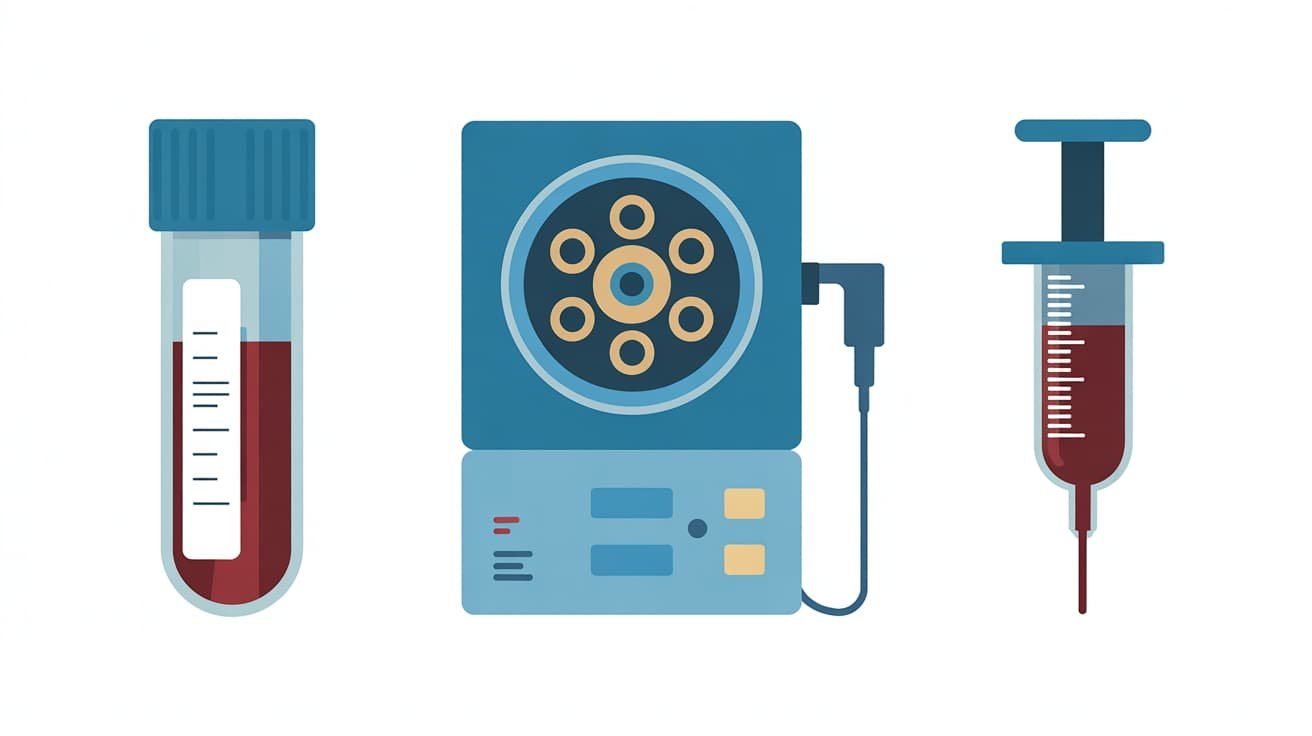
The intracavernosal injection of PRP targets erectile tissue directly. Platelets contain alpha granules that release growth factors upon activation. Within penile tissue, the proposed mechanisms include:
– Stimulation of endothelial cell proliferation and new vessel formation, improving penile blood flow
– Promotion of smooth muscle regeneration within the corpus cavernosum
– Neuroregeneration via nerve growth factor (NGF) activity
– Reduction of fibrotic changes linked to age-related or post-surgical ED
A 2023 systematic review in Sexual Medicine Reviews examined 23 studies (7 preclinical and 16 clinical). The review found that preclinical data support the regenerative role of PRP in erectile tissue, consistent with evidence from other tissue types. Randomised clinical studies and the first placebo-controlled trials showed promising efficacy with no major adverse events. The authors note, however, that variability in PRP preparation protocols limits direct comparison between studies.
How Testosterone Replacement Therapy Works
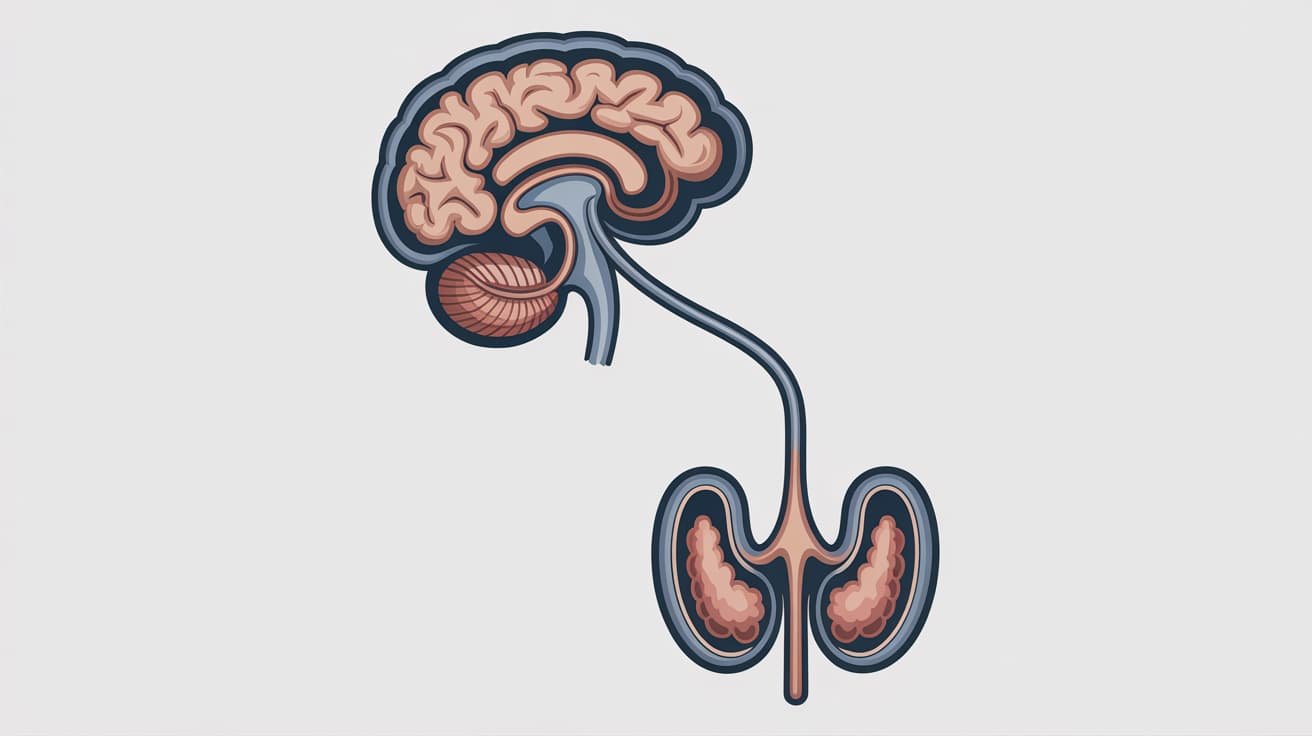
TRT restores hormonal balance through the endocrine system. Testosterone binds to androgen receptors in multiple tissues — including the brain, penis, testes, and skeletal muscle. Within sexual function specifically, testosterone:
– Modulates sexual desire through hypothalamic and limbic pathways
– Supports nitric oxide synthase activity, facilitating penile vasodilation
– Maintains smooth muscle integrity within the corpus cavernosum
– Regulates PDE5 receptor expression, affecting responsiveness to PDE5i medications
The Society for Endocrinology’s 2022 multi-disciplinary guidelines confirm that TRT improves sexual desire, erection quality, and sexual satisfaction in men with confirmed biochemical hypogonadism. These benefits link specifically to testosterone deficiency — they do not extend to men with low-normal or normal-range testosterone.
Key distinction: The P shot targets local tissue regeneration within the penis. TRT corrects a systemic hormonal deficit. These are fundamentally different interventions with different targets.
Clinical Indications: Who Is Each Treatment For?
Appropriate Candidates for the P Shot
Clinicians most commonly consider the Priapus shot for men with erectile dysfunction of vasculogenic or neurogenic origin where testosterone levels are normal and hormonal deficiency has been excluded. Specific scenarios include:
– Vasculogenic ED unresponsive to first-line PDE5i medications
– Post-prostatectomy ED, where neurovascular bundle damage has occurred
– ED linked to Peyronie’s disease, where fibrotic plaques impair function
– Men seeking a non-pharmacological, non-surgical regenerative option
– Men with mild-to-moderate ED who wish to reduce or avoid long-term PDE5i use
A 2024 systematic review in BMC Urology examined 17 studies, including four randomised controlled trials and 1,099 patients. The review found small-to-moderate benefits in erectile function. Mild and transient side effects appeared across all included studies. No major adverse events were reported.
The P-shot does not hold MHRA approval as a regulated medicine in the UK. It falls within the category of a medical procedure using autologous biological material. Clinical governance responsibility therefore rests with the practitioner. Patients must confirm that any clinician performing penile injection growth procedures holds appropriate qualifications and indemnity.
Appropriate Candidates for TRT
TRT is indicated exclusively for men with symptomatic testosterone deficiency confirmed by biochemical testing. The NHS Norfolk and Norwich University Hospitals Trust guideline on testosterone replacement states clearly that widespread use of testosterone supplementation for ED or non-specific symptoms without confirmed abnormal biochemistry is inappropriate, ineffective, and carries significant risks.
Clinically appropriate TRT candidates present with:
– Confirmed low morning testosterone on two samples taken between 08:00 and 11:00, at least one week apart
– Characteristic symptoms of testosterone deficiency: reduced libido, loss of spontaneous erections, fatigue, low mood, or reduced muscle mass
– Underlying conditions linked to hypogonadism — such as Klinefelter syndrome, pituitary disorders, type 2 diabetes, or long-term opiate use
– No absolute contraindications including active prostate or testicular cancer, untreated sleep apnoea, or elevated haematocrit
The BSSM 2023 guidelines recommend that clinicians screen for hypogonadism in all men presenting with sexual dysfunction before initiating any ED treatment. Undiagnosed testosterone deficiency is a common and treatable finding.
Reviewing the Evidence Base
Evidence for the P Shot in Erectile Dysfunction
The evidence base for the P-shot — and intracavernosal PRP more broadly — is growing but remains at an early stage of maturity. A 2025 narrative review in UroPrecision searched PubMed, ScienceDirect, and Scopus through December 2024. It identified ongoing trials and highlighted both mechanistic plausibility and methodological limitations in the current literature.
Key findings from published controlled trials include:
– Poulios et al. (2021) ran a double-blind, randomised, placebo-controlled trial. PRP significantly improved erectile function scores compared with placebo in men with mild-to-moderate vasculogenic ED.
– Shaher et al. (2023) published a randomised controlled study in Urology. The study found PRP safe and effective in a sample of men with organic ED.
– Masterson et al. (2023) conducted a prospective, randomised, double-blind, placebo-controlled trial in the Journal of Urology. Their cohort showed no significant benefit from PRP over placebo — a result the researchers presented at the American Urological Association Annual Meeting in 2023.
The divergence in findings reflects a central challenge: PRP preparation is not standardised. Platelet concentration, activation method, injection volume, and injection technique differ between studies and practitioners. As published data in Sexual Medicine Reviews (Oxford Academic, 2023) conclude, evidence is promising and safety is acceptable, but the field lacks the large-scale randomised data required for NICE clinical guidance. Informed consent must make these limitations transparent.
Evidence for Testosterone Replacement Therapy
TRT carries a substantially longer and more robust evidence base. Multiple large-scale randomised controlled trials and systematic reviews establish its efficacy in men with confirmed testosterone deficiency.
The TRAVERSE trial enrolled over 5,000 hypogonadal men and generated important cardiovascular safety data. The BSSM 2023 guidelines reviewed 1,714 articles, including 52 clinical trials and 32 placebo-controlled RCTs, and derived 25 clinical statements supported by Levels 1 to 4 evidence.
For sexual outcomes specifically, TRT in hypogonadal men demonstrates:
– Improved libido and sexual desire, often apparent within 3–6 weeks of reaching therapeutic testosterone levels
– Measurable improvement in erection quality when ED arises primarily from androgen deficiency
– Improved response to PDE5 inhibitors in initially non-responsive men, likely through upregulation of PDE5 receptor expression
– Secondary benefits including improved energy, mood, cognitive function, bone mineral density, and lean muscle mass
TRT carries a distinct risk profile. Known risks include polycythaemia, testicular atrophy, spermatogenesis suppression leading to infertility, potential acceleration of pre-existing prostate pathology, and transdermal transfer to partners or children in gel users. BSSM and NHS guidelines both mandate regular monitoring of haematocrit, PSA, and clinical symptoms throughout treatment.
P Shot Before and After: What to Expect Realistically
Setting realistic expectations is both a clinical and ethical obligation. P shot before and after outcomes frequently feature in patient enquiries. The following facts govern what the procedure can and cannot achieve.
Timeline of Effects
Improvement in erectile function — if it occurs — is not immediate following the Priapus shot. Tissue remodelling and angiogenesis require time. Practitioners generally advise that:
– Initial changes may not appear for four to twelve weeks
– Maximum benefit typically occurs at three to six months post-procedure
– Some men require more than one treatment session
– Effects are not permanent; the evidence base does not define a fixed duration of benefit, and repeat treatments may be necessary
Reported Outcomes in the Literature
Studies reporting positive outcomes most consistently note improved erection firmness, enhanced sensitivity, and increased erectile frequency. Some studies also report modest gains in penile dimensions following penile injection growth procedures. However, evidence for size outcomes is less robust. Clinicians must not present size changes as a primary expected outcome. Individual variation is substantial. No ethical or clinically justifiable treatment guarantee exists for any of these outcomes.
Men with severe vascular disease, advanced Peyronie’s disease, or post-surgical anatomical disruption may see limited or no benefit. Thorough pre-procedural assessment and appropriate patient selection are therefore critical.
TRT: Expected Outcomes and Time Course
For men with confirmed hypogonadism, TRT produces measurable improvements across multiple symptom domains. The time course varies by outcome:
– Libido improvement: often within 3–6 weeks of achieving therapeutic testosterone levels
– Improved energy and mood: typically 3–6 weeks
– Erection quality: improvement in androgen-deficiency-related ED may take 3–6 months
– Muscle mass and body composition: early changes at 3–6 months; full benefit over 12+ months
– Bone mineral density: improvement detectable at 12–24 months with DEXA scanning
TRT does not uniformly resolve ED in all hypogonadal men. Where ED arises predominantly from vascular disease, diabetic neuropathy, or pelvic surgery, hormonal restoration alone may prove insufficient. In such cases, clinicians may combine TRT with PDE5i therapy or regenerative interventions.
Safety Profiles and Procedural Considerations
P Shot Safety
Published clinical data consistently report a low adverse event profile for intracavernosal PRP injection. The most frequently noted side effects are temporary bruising, mild discomfort at the injection site, and short-term penile swelling. Peer-reviewed literature reports no major adverse events — including priapism, infection, or fibrotic change — across all included studies to date.
The procedure uses autologous material. The patient’s own blood eliminates the risk of systemic allergic reactions. The absence of foreign biological material or exogenous pharmacological agents is a commonly cited clinical advantage over long-term pharmacotherapy.
Practitioners performing the P injection must hold appropriate medical qualifications and operate within a regulated clinical environment. Patients should confirm that the clinic uses MHRA-compliant blood separation equipment and follows standardised aseptic protocols.
TRT Safety and Monitoring Requirements
TRT requires ongoing biochemical and clinical monitoring throughout treatment. NHS and BSSM guidelines specify the following minimum requirements:
– Full blood count (FBC) to monitor haematocrit — clinicians must review treatment if haematocrit exceeds 52%
– Serum testosterone at 3 months after initiation, then annually once stable
– PSA measurement before initiation and annually, with urological assessment if clinically indicated
– Liver function tests and bone profile as appropriate to the underlying condition
– Assessment of testicular volume and fertility intentions before commencing therapy, as testosterone suppresses spermatogenesis
TRT is absolutely contraindicated in men with active testicular or prostate cancer, breast cancer, haematocrit above 52%, poorly controlled heart failure, untreated obstructive sleep apnoea, or men actively trying to conceive. These exclusion criteria appear in NHS guidance and BSSM clinical statements.
Access, Cost, and the UK Private Sector
Accessing TRT in the UK
The NHS prescribes TRT but applies strict diagnostic criteria. NHS guidance specifies that a Consultant Endocrinologist or Urologist in secondary care initiates treatment. Once the patient stabilises, monitoring may transfer to primary care.
The process involves an initial GP consultation, two early-morning fasting blood tests at least one week apart, and — where testosterone falls below the prescribing threshold — a referral to an endocrinologist. Many men seek private assessment because of NHS waiting times. In the UK, only a prescription from a registered medical professional lawfully authorises TRT. Self-administration of testosterone from unregulated sources carries significant health and legal risk.
Accessing the P Shot in the UK
The P shot treatment is not available on the NHS. Private medical clinics offer it exclusively. Priapus shot price varies by provider, location, and protocol. In the UK, costs generally range from several hundred to over a thousand pounds per session. Some protocols recommend a series of treatments.
The Priapus shot London market has expanded substantially over the past five years. Patients seeking P shot London service must confirm that a fully qualified doctor leads the clinic, that a medical-grade centrifuge prepares the PRP, and that informed consent documentation clearly addresses both expected and uncertain outcomes.
At pshots.co.uk, Dr Syed Nadeem Abbas (MBBS, MRCS, MRCGP, MSc Aesthetic Plastic Surgery with Distinction — Queen Mary University London, trained at Cambridge, Oxford, and the Royal London Hospital) oversees the procedure.
Male enlargement injections cost UK varies according to the number of sessions and the protocol. Patients should treat any clinic that guarantees specific size outcomes or erectile restoration with considerable caution. No such guarantee is clinically justifiable given current evidence.
Can the P Shot and TRT Be Combined?
These two treatments are not mutually exclusive. A man with confirmed testosterone deficiency and concurrent vasculogenic ED may benefit from both hormonal restoration via TRT and local tissue regeneration via the priapus shot.
The clinical rationale supports this approach. TRT restores androgen-dependent mechanisms of erectile function. PRP addresses structural and vascular tissue at a local level. Many practitioners recommend addressing any hormonal deficiency first, allowing testosterone levels to stabilise, before assessing residual erectile dysfunction that may respond to a regenerative procedure.
No large-scale randomised trials have specifically evaluated the combination of TRT and intracavernosal PRP in the same cohort. This remains an area where clinical practice runs ahead of published evidence. Patients must understand that the combined approach rests on mechanistic rationale and clinical experience, not definitive trial data.
A Practical Decision Framework for Clinicians and Patients
The following framework summarises the key differentiating factors to support structured clinical decision-making.
Consider the P Shot when:
– Serum testosterone falls within the normal physiological range
– ED has a predominantly vasculogenic or neurogenic basis
– First-line PDE5i therapy has proved ineffective or poorly tolerated
– The patient seeks a non-hormonal, non-surgical regenerative option
– The patient accepts that the evidence base is promising but not yet definitive
Consider TRT when:
– Two fasting morning testosterone measurements confirm biochemical deficiency
– Symptoms are consistent with testosterone deficiency syndrome as defined by BSSM criteria
– ED accompanies other symptoms of androgen deficiency — reduced libido, fatigue, and mood changes
– No absolute contraindications are present
– The patient accepts the need for ongoing monitoring and long-term treatment
Consider further specialist evaluation when:
– ED is severe, of sudden onset, or accompanied by significant cardiovascular risk factors — NICE clinical knowledge summaries identify ED as a potential marker of underlying cardiovascular disease
– Both testosterone and erectile function are suboptimal but the clinical picture is ambiguous
– Fertility preservation is a concern
Limitations of Current Evidence and Future Research Directions
P Shot Evidence Gaps
Methodological heterogeneity is the most substantive limitation in the P shot evidence base. PRP preparation varies in platelet concentration (typically 3–8 times baseline), activation method, injection technique, and treatment frequency. Without standardised protocols, researchers cannot meaningfully compare results between studies.
Regulatory classification also constrains progress. Unlike licensed medicines, PRP procedures do not pass through the systematic clinical trial programme required for MHRA approval. This does not make them inherently unsafe — PRP has a well-established record in orthopaedics and wound care. However, the regulatory safeguards that govern pharmaceutical approval do not apply. Clinicians and patients must interpret this appropriately.
TRT Evidence Gaps
While TRT carries a robust evidence base, certain questions remain open. The long-term cardiovascular safety of TRT in men without pre-existing cardiovascular disease remains an active area of study following the TRAVERSE trial findings. The optimal treatment duration, the impact on fertility recovery after cessation, and the precise testosterone threshold at which benefits clearly outweigh risks remain areas of clinical disagreement between the BSSM, NHS commissioning bodies, and European Association of Urology guidelines.
Conclusion: Two Different Solutions for Different Clinical Problems
The P Shot and testosterone replacement therapy address male sexual dysfunction through fundamentally different mechanisms. They are appropriate for fundamentally different patient profiles. Neither is interchangeable, and neither offers a universal solution to erectile dysfunction.
TRT has a well-established evidence base, clear NHS prescribing criteria, and a defined risk-monitoring framework. It is the correct intervention for men with confirmed testosterone deficiency and its associated symptom burden. Administering it to men with normal testosterone levels is neither effective nor safe.
The P shot occupies a different clinical space. It offers a regenerative, non-hormonal, non-surgical approach for men with vasculogenic or structural ED who maintain normal hormone levels. The evidence base is growing and biologically plausible. Safety data across published studies are acceptable. However, the procedure has not yet reached the evidence threshold required for NICE guidance. Clinicians must communicate this reality clearly.
A rigorous pre-treatment evaluation — including serum testosterone measurement, cardiovascular risk assessment, and a thorough sexual history — is the necessary starting point regardless of which pathway a clinician considers. Patients who receive accurate diagnoses and treatment aligned to the underlying cause of their dysfunction achieve the most meaningful benefit.
The most clinically important question is not which treatment is superior — it is whether the correct investigation has been performed to determine which condition is actually present.
Read more: P Shot UK: What Impacts Price, What Should Be Included in a Quote, and Questions to Ask
P Shot London: How to Choose a Safe Clinic and What to Expect at Your Consultation


