
Men across London increasingly search for the P shot UK. Many view it as a regenerative option for sexual performance concerns. The Priapus shot, widely known as the P shot, uses platelet-rich plasma therapy to target penile tissue and blood flow. Alongside clinical interest in this treatment, patients regularly ask whether exercise influences P-shot results. This article examines NHS guidance, NICE evidence, and peer-reviewed research to answer that question. The discussion covers mechanism, realistic outcomes, cost, and safe practice standards relevant to the P shot London market.
What Is the P Shot? A Clinical Overview
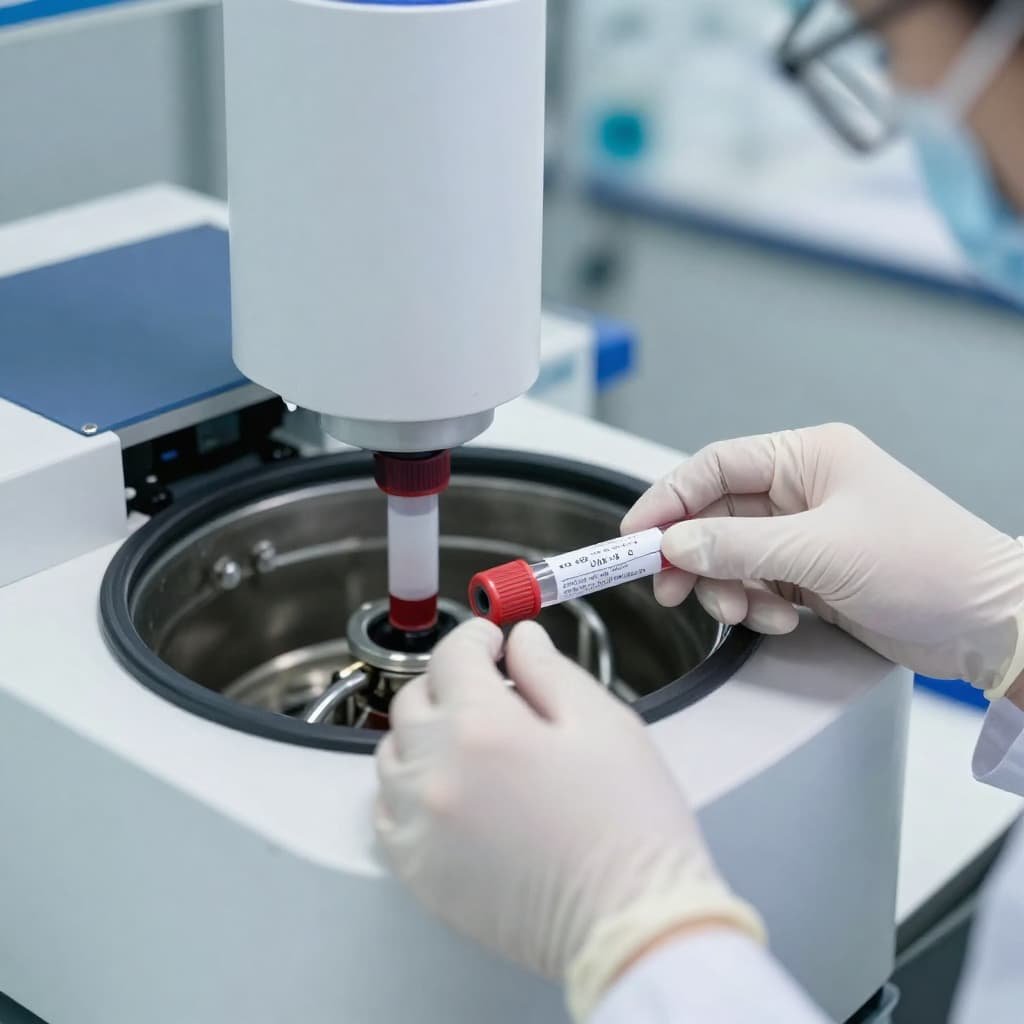
The P shot, also called P-shot or Pshot, is a non-surgical treatment. It involves drawing a small blood sample and processing it to concentrate platelets. The resulting plasma is then injected into specific penile sites. Practitioners describe the P shot treatment as a regenerative therapy rather than a cure. The Priapus shot does not replace established medical treatments for erectile dysfunction. It forms part of a broader men’s intimate health treatment in London landscape. This landscape includes lifestyle counselling, oral medication, and vascular assessment.
Patients often ask about the P injection procedure itself. A qualified clinician draws venous blood, centrifuges the sample, and isolates plasma rich in growth factors. This plasma is injected using fine needles under local anaesthetic cream. The full penile injection growth process typically takes under an hour. Recovery time is minimal, with most patients resuming normal activity the same day.
Terminology across this field varies between clinics and patients. Some search specifically for P shot providers, while others use the shorthand Pshot when researching options online. Clinical accuracy matters more than marketing language when describing this procedure. A qualified practitioner should always confirm exact protocol details during consultation. Generic online descriptions should not replace this step. This applies equally to men researching the priapus shot for general interest and those seeking treatment for diagnosed erectile dysfunction.
PRP Therapy for Men’s Performance Issues: The Mechanism
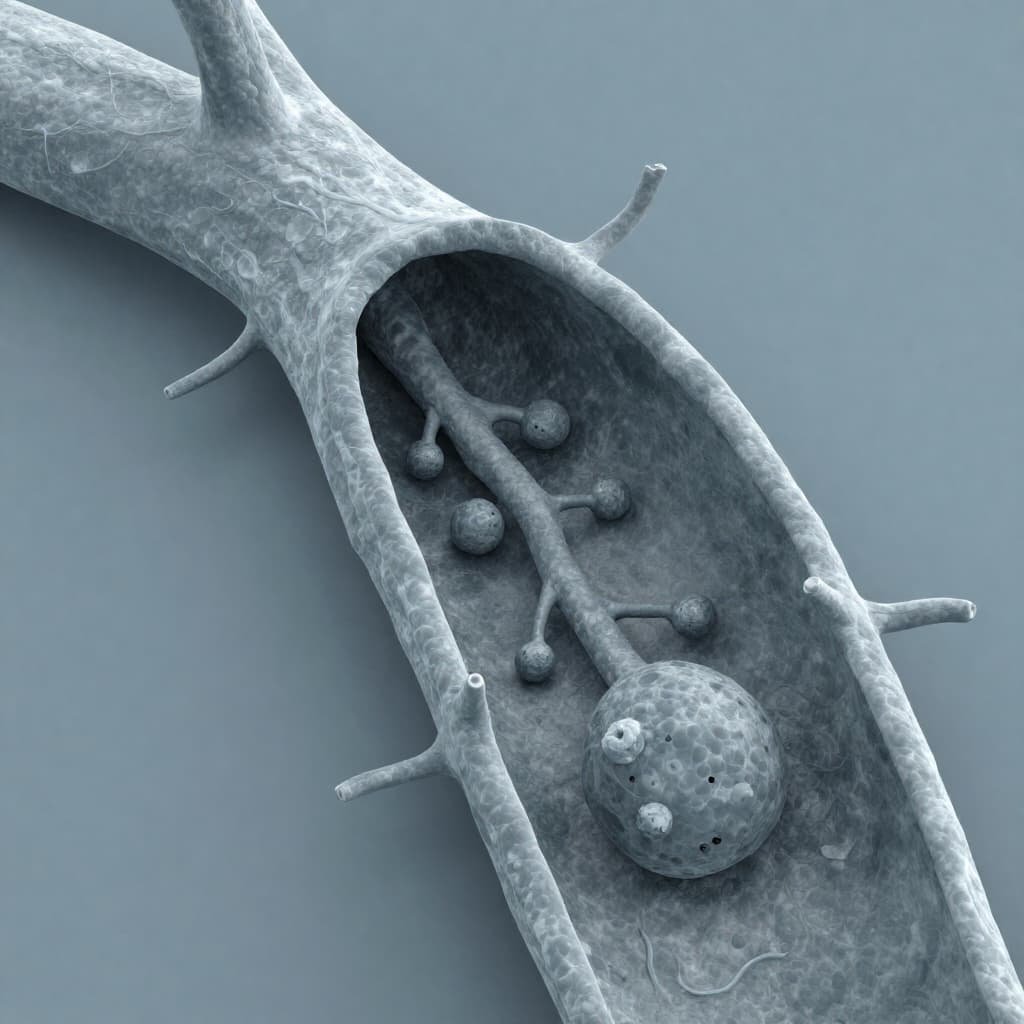
PRP-based regenerative therapy for ED relies on growth factors released by platelets. These factors include platelet-derived growth factor, vascular endothelial growth factor, and transforming growth factor beta. Laboratory and animal studies suggest these compounds support tissue repair and blood vessel formation. A 2024 systematic review in the World Journal of Urology assessed penile PRP therapy for erectile dysfunction and Peyronie’s disease. The review identified seventeen studies covering over one thousand patients. It found small to moderate benefits with no major adverse events reported. The same review noted a limitation shared across this field. Guidelines from the European Association of Urology and American Urological Association classify PRP as experimental. This applies to both erectile dysfunction and Peyronie’s disease.
A separate 2025 review in UroPrecision examined randomised trials and meta-analyses of intracavernosal PRP therapy. The review found significant variability across studies in PRP preparation, dosage, and follow-up protocols, which limits firm conclusions. This variability matters for anyone comparing a natural ED treatment using PRP therapy against established pharmacological options.
What the Evidence Shows About Exercise and Erectile Function
Erectile function depends heavily on vascular health. NICE guidance links erectile dysfunction to shared risk factors with cardiovascular disease. These factors include lack of exercise, obesity, smoking, high cholesterol, and metabolic syndrome. Evidence increasingly shows erectile dysfunction can be an early sign of coronary and peripheral vascular disease. NICE guidance further states that modifying these risk factors may reduce the risk of erectile dysfunction. Clinicians should counsel affected men on lifestyle modification, particularly exercise and weight loss.
Aerobic Exercise and Vascular Health

A 2024 meta-analysis published via PubMed reviewed randomised controlled trials on aerobic exercise and erectile function. Exercise interventions typically involved thirty to sixty minute sessions, three to five times weekly. Trials ran for a median of six months, often alongside dietary advice. The analysis found aerobic exercise significantly outperformed non-exercising control groups. Greater improvement was seen in men with more severe baseline impairment. Researchers noted a caveat that matters for realistic expectations. The benefit, while statistically significant, fell below the threshold considered clinically significant by some standards.
Research published in the Asian Journal of Andrology examined long-term lifestyle intervention trials. After two years, men who received individualised lifestyle support lost more weight and increased physical activity. This group also showed favourable changes in endothelial function markers compared with a general-advice control group. The same body of research links metabolic and inflammatory pathways directly to erectile physiology. Metabolic conditions are strongly associated with a pro-inflammatory state. This state reduces nitric oxide availability, the primary driver of genital blood flow.
NHS and NICE Guidance on Lifestyle Modification
NHS-aligned primary care guidance in England reinforces this evidence base. Clinicians are encouraged to address psychosexual factors and cardiac risk first. They then encourage lifestyle changes including exercise, smoking cessation, weight loss, and reduced alcohol intake. A comparison of UK and European erectile dysfunction guidelines highlights additional nuance. Both UK and European guidelines agree that modifiable factors, including lack of exercise and smoking, contribute to erectile dysfunction. Both conditions are viewed as related outcomes of endothelial dysfunction. The same comparison notes an important gap in current evidence. Limited research restricts firm recommendations on lifestyle changes for populations who already have both cardiovascular disease and erectile dysfunction.
Can Exercise Improve P Shot Results? Examining the Link
The central question requires careful separation of two distinct evidence bases. Exercise research demonstrates measurable, if modest, benefit for erectile function through vascular and metabolic pathways. PRP research shows small to moderate benefit for some men, with substantial variability between studies. No published clinical trial has directly tested combined exercise and P shot UK protocols. Claims that exercise amplifies PRP outcomes remain theoretical rather than proven.
Shared Vascular Pathways
Both interventions target overlapping biological systems. PRP growth factors aim to support angiogenesis and tissue repair at the injection site. Exercise improves systemic endothelial function and nitric oxide availability. A plausible physiological rationale exists for exercise supporting the vascular environment into which PRP is delivered. This rationale, however, remains a hypothesis rather than a demonstrated clinical outcome. Clinics offering the P shot treatment should present this distinction clearly to patients.
No Direct Clinical Trials Combining Exercise and PRP
Current systematic reviews of PRP-based regenerative therapy for ED do not isolate exercise as a co-variable. Existing studies vary widely in patient characteristics, PRP protocols, and follow-up duration, which prevents reliable subgroup analysis of lifestyle factors. Patients considering a P shot London appointment should understand this gap. Exercise recommendations rest on general cardiovascular evidence, not P shot specific trial data. Reasonable clinical practice supports advising exercise for overall vascular health regardless of PRP treatment status.
P Shot Before and After: Realistic Expectations
Patients frequently request P shot before and after information ahead of consultation. Photographic comparisons circulated online vary widely in quality and context. Clinics should present P-shot before and after material honestly, noting that individual response differs and guaranteed outcomes cannot be promised. Systematic review data supports modest average improvement rather than dramatic transformation. Meta-analysis findings show statistically significant improvement in erectile hardness scores following PRP treatment compared with placebo. Effect sizes reported in this literature remain modest in absolute terms.
Recovery after the Priapus shot treatment procedure generally involves mild bruising or swelling lasting several days. Serious complications are rare in published safety data. Patients should discuss expected timelines and realistic outcome ranges directly with a qualified practitioner before proceeding.
Priapus Shot Price and What Determines Cost in the UK
Priapus shot price varies across London clinics based on practitioner qualification, PRP preparation method, and included aftercare. Male enlargement injections cost UK figures reported online should be treated cautiously. Marketing terminology does not always reflect clinical reality. Legitimate P shot treatment pricing reflects medical consultation, blood processing, and follow-up review, not guaranteed size outcomes. Patients researching Pshot options should request a documented consultation before committing to treatment. Practitioner registration with the General Medical Council should always be verified.
Who Might Consider the P Shot in London?

Men exploring non-surgical treatment for erectile dysfunction in London typically fall into several categories. Some seek PRP after limited response to standard PDE5 inhibitor medication. Others pursue treatment for mild symptoms alongside lifestyle changes. A further group researches the P shot UK market out of general interest in regenerative medicine rather than diagnosed dysfunction. The P shot is not a first-line treatment and does not replace medical assessment of underlying causes. Cardiovascular screening remains essential before any regenerative or pharmacological intervention, given the established link between erectile dysfunction and heart disease.
Men with diagnosed diabetes, hypertension, or prior cardiac events require particular caution. Underlying vascular disease can affect both PRP response and safe exercise prescription. A qualified clinician should assess these conditions before recommending either intervention. Self-directed treatment without medical assessment carries avoidable risk. Referral to specialist urology services remains appropriate when initial assessment identifies complex or unresponsive symptoms.
Limitations and Safety Considerations
Current evidence carries several limitations that patients should weigh carefully. Study sample sizes remain small across most PRP trials. Preparation methods for platelet-rich plasma differ between clinics and research centres, limiting comparability. Systematic reviews from 2020 to 2022 consistently conclude that PRP shows promise. No formal clinical recommendation currently supports its routine use for erectile dysfunction. Patients should treat the P shot as an adjunct under evaluation, not an established standard of care. Discussion of alternative and complementary options, including exercise, remains appropriate during any consultation.
pshots clinic UK, led by Dr Syed Nadeem Abbas, provides PRP-based treatment within this evidence-aware framework, alongside standard medical assessment for erectile dysfunction treatment London patients.
Regenerative Treatment for Male Health in the UK: Broader Context
The P shot sits within a wider category of regenerative treatment for male health in the UK. This category also includes shockwave therapy and structured hormone assessment pathways. Some patients use the informal term penis shot when researching PRP injections online. Clinicians favour precise terminology such as intracavernosal PRP therapy. Regenerative approaches share a common goal of supporting tissue repair rather than masking symptoms with medication alone. This goal distinguishes PRP-based regenerative therapy for ED from short-acting pharmacological options.
Growth in this field reflects patient demand for options beyond standard prescriptions. Private clinics across London report rising enquiries for PRP-based treatment alongside PDE5 inhibitors and lifestyle counselling. Growth in demand does not equal proof of superior efficacy. Responsible clinical practice requires clear communication of current evidence limits alongside any regenerative treatment for male health in the UK. Patients weighing a penis shot against pharmacological treatment should request comparative evidence directly from their practitioner.
Frequently Asked Questions
Does exercise directly improve P shot UK outcomes?
No direct clinical trial has tested this specific combination. Exercise improves general vascular health through better blood flow and nitric oxide availability. This may theoretically support tissue response to PRP, though the link remains unproven for the P shot UK specifically. Patients should view exercise as a separate, evidence-backed habit rather than a guaranteed enhancer of PRP results.
Is the P shot approved by NICE or the NHS?
The P shot is not part of NICE guidance or routine NHS erectile dysfunction pathways. NICE-endorsed treatment for erectile dysfunction centres on PDE5 inhibitors, lifestyle modification, and specialist referral where needed. The P shot remains a private, evidence-limited treatment offered outside standard NHS protocols. Patients should not assume regulatory endorsement equivalent to licensed pharmaceutical treatments.
How many sessions does the P shot treatment require?
Most protocols involve an initial injection with clinical review at several weeks. Additional sessions depend on individual response, baseline symptoms, and practitioner assessment. Some clinics recommend a short course of two to three sessions spaced several weeks apart. No standardised UK protocol currently exists, so session numbers vary between providers.
What is a realistic Priapus shot price range in London?
Priapus shot price varies across London clinics based on practitioner qualification, PRP preparation method, and included aftercare. Advertised figures for male enlargement injections cost UK searches often omit consultation or follow-up fees. Patients should request a written quote after full consultation rather than relying on advertised figures alone. Comparing quotes across several registered clinics helps establish a realistic price range.
Can PRP therapy replace erectile dysfunction medication?
Current evidence does not support PRP as a replacement for PDE5 inhibitors or other established treatments. Systematic reviews describe PRP-based regenerative therapy for ED as an adjunct under evaluation, not a first-line option. Men with diagnosed erectile dysfunction should continue prescribed medication unless a specialist advises otherwise. Combining or replacing treatments without medical guidance carries unnecessary risk.
What do P shot before and after results typically show?
Published data suggests modest, not dramatic, average improvement following PRP injection. P-shot before and after comparisons shared online vary considerably in quality, lighting, and context. Systematic reviews report statistically significant gains in erectile hardness scores compared with placebo, though effect sizes remain modest. Individual response differs, and guaranteed outcomes cannot be promised by any responsible clinic.
Is the P shot painful, and what does recovery involve?
Local anaesthetic cream is typically applied before injection to reduce discomfort. Mild bruising, swelling, or tenderness at the injection site commonly follows the procedure. These effects usually resolve within several days without intervention. Serious complications remain rare across published safety data. Unusual pain or prolonged swelling should be reported to a clinician promptly.
Who should avoid the priapus shot?
Men with untreated bleeding disorders, active infection, or certain blood-clotting conditions require careful assessment before PRP treatment. Those with penile anatomical abnormalities or recent penile surgery should seek specialist review first. Men with erectile dysfunction linked to unmanaged diabetes or cardiovascular disease need assessment first. This assessment should address the underlying condition before considering regenerative treatment. A thorough consultation should always precede any priapus shot appointment.
How does the P shot differ from other non-surgical treatments for erectile dysfunction in London?
Non-surgical treatment for erectile dysfunction in London includes PDE5 inhibitor medication, vacuum erection devices, low-intensity shockwave therapy, and PRP injection. PDE5 inhibitors remain first-line and carry the strongest evidence base among these options. Shockwave therapy has a growing but still developing evidence profile within European guidelines. The P shot occupies an experimental category, positioned as a regenerative adjunct rather than an established primary treatment.
Key Takeaways
Evidence supports a clear, separate role for exercise in erectile health, backed by NICE guidance and multiple clinical trials. Evidence for the P shot UK remains promising but limited. Systematic reviews call for standardised research before firm recommendations follow. Combining exercise with PRP therapy carries plausible biological rationale, though no trial has confirmed additive benefit. Patients considering treatment should prioritise vascular health broadly, seek qualified practitioners, and request full disclosure of current evidence limitations. Given this evidence base, what role should lifestyle change play before any regenerative treatment begins?
Read more: How Lifestyle Affects P Shot UK Results – Diet, Exercise, and Sleep
P Shot UK: What Impacts Price, What Should Be Included in a Quote, and Questions to Ask


