
Private health insurance in the United Kingdom operates on a clearly defined set of coverage principles. Insurers reimburse treatment that meets two core criteria: clinical necessity and established evidence of efficacy. The P shot London — a platelet-rich plasma (PRP) injection delivered into penile tissue — currently meets neither criterion in the eyes of UK private insurers. Understanding why requires an examination of how insurers classify experimental treatment, how PRP is regulated in the UK, and what this means in practical financial terms for men considering this procedure.
This article explains the insurance position clearly, outlines the regulatory context, breaks down realistic costs, and identifies what patients should verify before attending a consultation.
What Is the P Shot and How Does It Work?
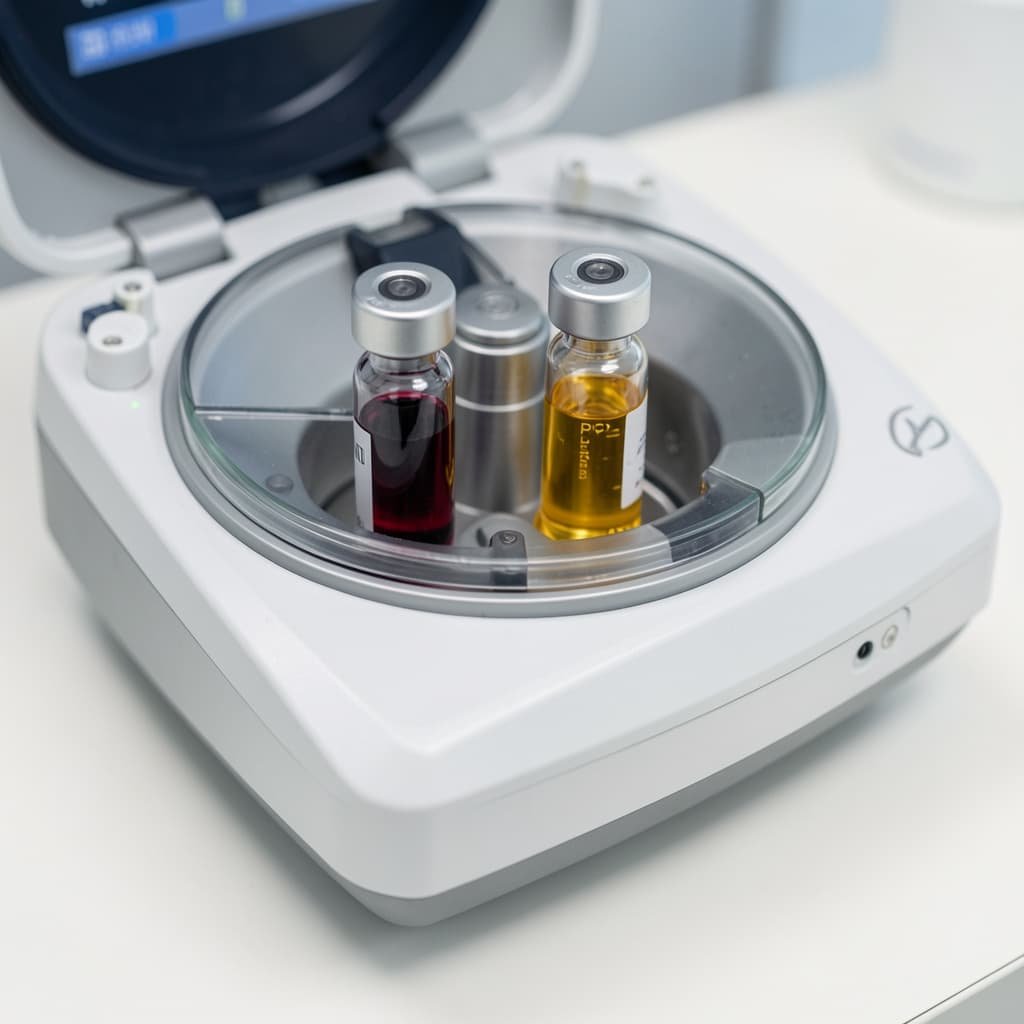
The P shot — also written as P-shot, pshot, or Priapus shot — is a non-surgical treatment for erectile dysfunction in London and across the UK. It uses platelet-rich plasma derived from a patient’s own blood. A clinician draws a blood sample, processes it in a centrifuge to concentrate the platelets, and injects the resulting PRP directly into specific areas of penile tissue.
Platelets contain growth factors — including platelet-derived growth factor (PDGF), vascular endothelial growth factor (VEGF), and transforming growth factor beta (TGF-β). These proteins stimulate tissue repair, promote angiogenesis (new blood vessel formation), and support cellular regeneration. In orthopaedics, PRP has been used for over two decades in tendons, joints, and muscles. The priapus shot applies the same biological principle to male intimate health tissue.
The procedure takes approximately 30 minutes. It is performed under topical anaesthesia. There is no incision, no general anaesthetic, and no hospital admission. Men undergoing P shot treatment return to normal daily activity on the same day.
Reported applications include erectile dysfunction, reduced penile sensitivity, Peyronie’s disease, lichen sclerosus, post-prostatectomy recovery, and — in some cases — penile injection growth through targeted volumetric PRP placement. Clinical evidence for these indications varies in quality and scope.
Why Private Insurers Do Not Cover the P Shot UK
The Experimental Classification Problem
UK private health insurers — including Bupa, AXA Health, Aviva, Vitality, and WPA — base coverage decisions on clinical guidance from bodies such as the National Institute for Health and Care Excellence (NICE) and the NHS. NICE evaluates treatments using a structured evidence-review process before issuing guidance on clinical and cost effectiveness.
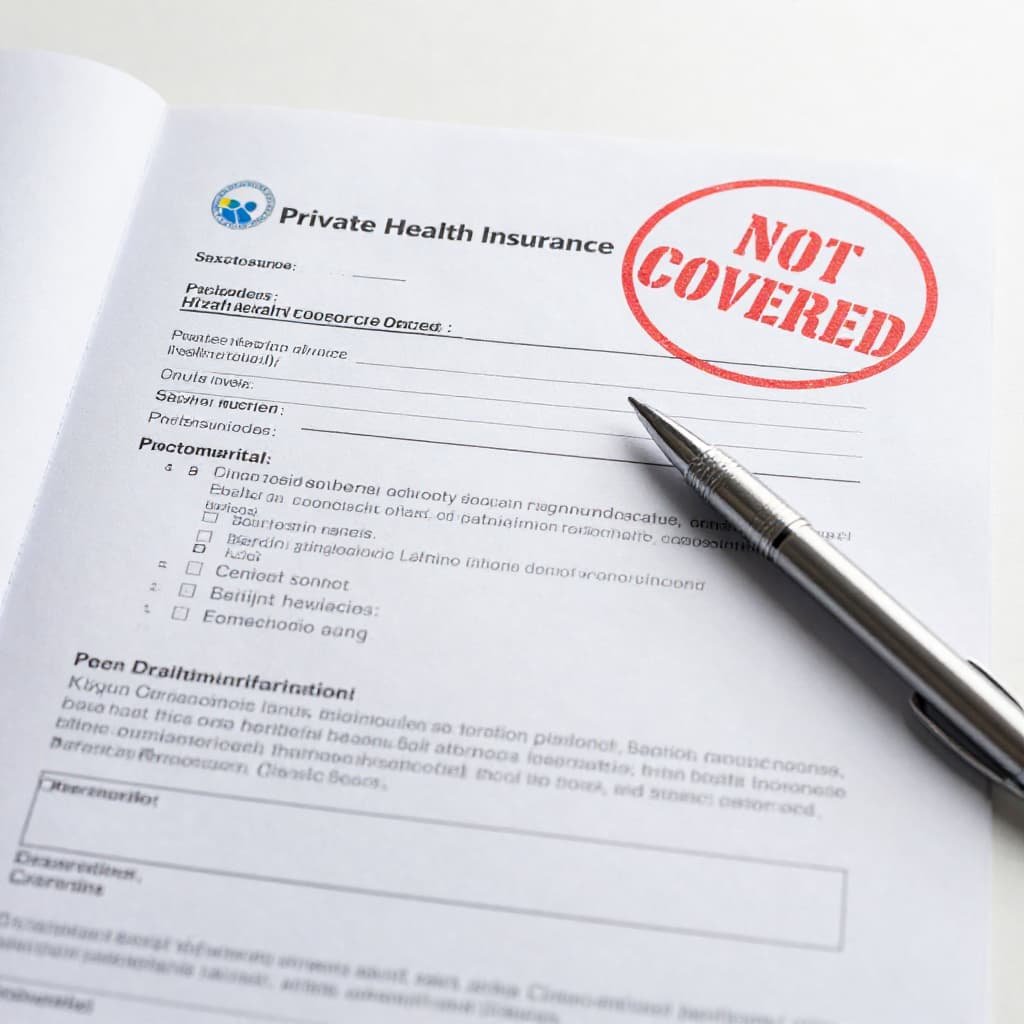
As of 2025, NICE has not issued a technology appraisal or interventional procedures guidance specifically endorsing PRP injection for erectile dysfunction. The NHS does not currently offer P shot treatment on the NHS. Without NICE guidance or NHS adoption, insurers classify the procedure as investigational or experimental. Experimental treatments fall outside standard policy terms in almost all UK private health insurance products.
This is not unique to the P shot. Other regenerative therapies — including some applications of shockwave therapy and stem cell treatment — face identical classification barriers in the UK insurance system.
Clinical Evidence Thresholds
Insurers require a body of peer-reviewed evidence demonstrating that a treatment produces consistent, measurable clinical outcomes. The research base for PRP-based regenerative therapy for ED is growing but remains limited by the standards applied in UK health technology assessment.
Published systematic reviews and randomised controlled trials show promising outcomes for PRP in erectile function. A 2021 systematic review published in the Journal of Sexual Medicine identified improvements in erectile function scores following PRP injection in men with vasculogenic ED. However, the review also noted methodological heterogeneity, small sample sizes, and variable PRP preparation protocols as significant limitations.
Insurers and health technology assessment bodies such as NICE require large-scale, well-designed randomised controlled trials before moving a treatment from investigational to standard care. That evidence threshold has not yet been reached for PRP therapy for men’s performance issues specifically.
Policy Exclusions: What the Small Print Says
Standard UK private health insurance policies contain explicit exclusions for:
- Experimental or unproven treatments
- Treatments not supported by peer-reviewed evidence accepted by the insurer’s medical committee
- Cosmetic or elective procedures not directly addressing a covered medical condition
- Treatments not available through or endorsed by the NHS
The P shot falls under several of these exclusions simultaneously. Even where a patient has a covered diagnosis — such as erectile dysfunction — the insurer will cover only those treatment modalities it recognises as standard. That currently includes phosphodiesterase-5 inhibitors (such as sildenafil or tadalafil), vacuum erection devices, and — in specific clinical circumstances — penile prosthesis implantation.
Advanced PRP solution for erectile dysfunction and PRP-based regenerative therapy for ED remain outside this list in all major UK insurer formularies reviewed at the time of writing.
Does the NHS Offer the P Shot?
The NHS does not fund priapus shot London treatment or equivalent PRP injections for erectile dysfunction. NHS management of ED follows NICE clinical guideline CG97 (updated 2013, with subsequent amendments), which recommends phosphodiesterase-5 inhibitors as first-line pharmacological treatment and refers to specialist urology services for refractory cases.
PRP injection for ED does not appear in NICE CG97 or in subsequent NICE evidence reviews. Patients wishing to pursue natural ED treatment using PRP therapy must do so privately, at their own cost.
What Does the P Shot Cost in the UK?

Priapus Shot Price Range
Priapus shot price in the UK by clinic, clinician qualification, geographic location, and what the quoted fee includes. In London, costs typically range from £800 to £3,000 per treatment session. Some clinics quote lower figures but exclude consultation fees, PRP processing, follow-up appointments, or use of a vacuum erection device (which is sometimes incorporated into post-injection protocols).
Male enlargement injections cost UK is a term patients use when researching penile enhancement specifically. This category of P shot treatment — where PRP is injected into the penile shaft or glans to support tissue volume — is typically priced at the higher end of the range, reflecting the additional preparation and injection technique involved.
What a Fee Should Include
A properly quoted P shot London fee at a regulated private clinic should include:
- An initial consultation with a GMC-registered clinician
- Full medical history review and physical assessment
- Blood draw and dual-spin centrifuge PRP processing
- Topical anaesthesia and, where indicated, penile nerve block
- The injection procedure itself
- A post-procedure protocol, including aftercare guidance
- At least one follow-up appointment to assess clinical response
Patients should request a full fee breakdown in writing before committing to treatment. A fee that does not include consultation and follow-up may appear lower but carries hidden additional costs.
Finance Options
Because insurers do not cover the priapus shot, many private clinics offer regulated finance arrangements. Some offer 0% interest payment plans over 12 months. Patients considering finance should check that the provider is authorised and regulated by the Financial Conduct Authority (FCA). Interest-bearing credit agreements must comply with the Consumer Credit Act 1974.
Can Any Part of the Treatment Be Claimed?
Pre-Treatment Diagnostics
In some cases, the investigations performed before P shot treatment — such as hormone blood panels, cardiovascular risk assessment, or specialist urology consultation — may be claimable under private health insurance if the insurer covers the diagnostic workup for erectile dysfunction specifically.
Patients should contact their insurer before attending any appointment and ask specifically whether diagnostic investigations for ED are covered. This requires a referral from a GP and pre-authorisation from the insurer in most cases. The treatment itself will not be covered, but a portion of the workup cost may be.
Health Cash Plans
Health cash plans — offered by providers such as Westfield Health and Simplyhealth — are not private medical insurance. They reimburse a fixed amount toward a range of health costs each year. Some cash plans include a general “specialist consultation” benefit. If a consultation fee is charged separately, a cash plan may partially offset this specific cost. Patients should check their individual cash plan schedule of benefits.
Critical Illness and Income Protection Policies
These policy types pay lump sums or income replacement on diagnosis of specified conditions. They do not reimburse the cost of treatment procedures and are not relevant to P shot cost recovery.
What to Verify Before Attending a Clinic
Men considering non-surgical treatment for erectile dysfunction in London should verify the following before booking:
1. Clinician Registration
The treating clinician should be registered with the General Medical Council (GMC). GMC registration can be verified at no cost via the GMC’s online register at gmc-uk.org. Specialist credentials — such as MRCS or MRCGP — indicate postgraduate surgical or general practice training. A clinician with academic training in aesthetic plastic surgery or regenerative medicine is preferable for this procedure.
2. CQC Registration
Any clinic delivering an invasive procedure in England must be registered with the Care Quality Commission (CQC). CQC registration means the clinic has passed inspections covering patient safety, infection control, record-keeping, and clinical governance. Patients can check a clinic’s CQC status at cqc.org.uk.
3. PRP Preparation Standards
Not all PRP is equivalent. The platelet concentration, preparation method, and centrifuge protocol directly affect the growth factor yield of the final injection. A dual-spin centrifuge protocol produces a higher platelet concentration than a single-spin process. Clinics should be able to describe their PRP preparation methodology clearly.
4. Informed Consent Process
A regulated clinic provides written information on the procedure, evidence base, potential risks, alternatives, and realistic outcomes before a patient signs a consent form. Informed consent is a legal and ethical requirement under GMC guidance. Patients should not be asked to consent and proceed on the same day as their initial consultation.
5. Transparent Pricing
A reputable clinic states its priapus shot price clearly, including all components of the fee. Hidden charges identified only at point of booking are a governance concern.
P Shot Before and After: Setting Realistic Expectations

P shot before and after outcomes vary between patients. Clinical studies report improvements in erectile function scores, penile sensitivity, and — in some cases — Peyronie’s disease symptom severity. However, the treatment does not produce uniform results across all patients.
P-shot before and after results depend on:
- The underlying cause of erectile dysfunction (vasculogenic, neurogenic, hormonal, or psychogenic)
- The patient’s age and cardiovascular health
- The quality of PRP preparation
- Whether the patient follows post-procedure protocols, including the use of a vacuum erection device where indicated
- Lifestyle factors including smoking status, exercise, alcohol consumption, and sleep quality
Men with severe vascular disease, uncontrolled diabetes, or significant hormonal deficiencies may see limited response. The P shot does not replace appropriate management of underlying medical conditions. PRP therapy for men’s performance issues works best as part of a broader men’s intimate health treatment in London strategy that addresses root causes.
Frequently Asked Questions
Will my private health insurer ever cover the P shot?
Coverage depends on evidence. If large-scale randomised controlled trials establish consistent clinical efficacy and NICE issues positive guidance, insurers may review their position. This has not yet occurred. Patients should not assume future coverage and plan accordingly.
Can I get a referral from my GP for the P shot on the NHS?
No. The NHS does not fund P shot treatment. A GP can refer patients to NHS urology services for erectile dysfunction management under NICE CG97, but this referral pathway does not include PRP injection.
Is the P shot the same as a penis shot?
Yes. Penis shot and P injection are informal terms used to describe the same procedure — platelet-rich plasma injection into penile tissue. The clinical term is priapus shot or Priapus Shot London when referring to treatment delivered in a London clinic context.
Are there any circumstances where insurance might contribute?
Pre-treatment diagnostics for erectile dysfunction — blood tests, specialist consultations — may be partially covered if a patient has appropriate insurance and obtains pre-authorisation. The injection procedure itself is not covered by any major UK private health insurer at this time.
How many sessions are typically required?
There is no standardised treatment protocol. Some clinicians recommend a single session followed by reassessment at 12 weeks. Others recommend two sessions spaced 4 to 6 weeks apart. Repeat treatment is sometimes advised after 12 to 18 months. Patients should receive a clearly documented treatment rationale rather than a standard package.
Is PRP regulated by the MHRA?
PRP prepared from a patient’s own blood for autologous use falls under the MHRA’s biological medicines regulatory framework. It is not a licensed medicinal product, but clinics must comply with MHRA guidance on autologous cell therapy. This regulatory distinction is important: the procedure carries clinical risk, and clinician and clinic qualifications matter significantly.
Key Takeaways
The P shot London is a clinically rational, regeneratively grounded treatment for erectile dysfunction and related male intimate health conditions. However, it remains outside the scope of UK private health insurance coverage because it has not yet met the evidence standards required by NICE or the major UK insurers. Patients must fund the procedure privately. This makes cost transparency, clinician qualification, and clinic governance more important, not less.
Patients considering erectile dysfunction treatment in London should approach the financial decision in the same way they approach the clinical one: with accurate information, realistic expectations, and independent verification of the credentials involved. At pshot clinic UK, all treatment is delivered by Dr Syed Nadeem Abbas (MBBS, MRCS RCS Edinburgh, MRCGP, MSc Aesthetic Plastic Surgery with Distinction — Queen Mary University London) at a CQC-registered facility in Marylebone, London.
The question that remains — and one every informed patient should consider before proceeding — is not simply whether insurance covers the treatment, but whether the clinician, the clinic, and the evidence base together justify the investment in their specific case.
Read more: P Shot London – What You Need to Know Before Treatment


