Priapus Shot Price UK – What You Actually Pay and Why

Platelet-rich plasma (PRP) therapy applied to penile tissue — commercially termed the Priapus shot or P-shot — is now available at multiple private clinics across the United Kingdom. Yet clinics publish pricing inconsistently, and many prospective patients arrive at consultations without a clear understanding of what drives cost variation, what a quoted fee includes, or what the evidence base actually supports.
This article sets out the factual pricing landscape for P-shot treatment in the UK. It explains the clinical and logistical variables that determine cost, outlines what a well-structured treatment pathway should include, and identifies the limitations and realistic outcomes that any evidence-informed patient should understand before committing financially.
What Is the Priapus Shot?
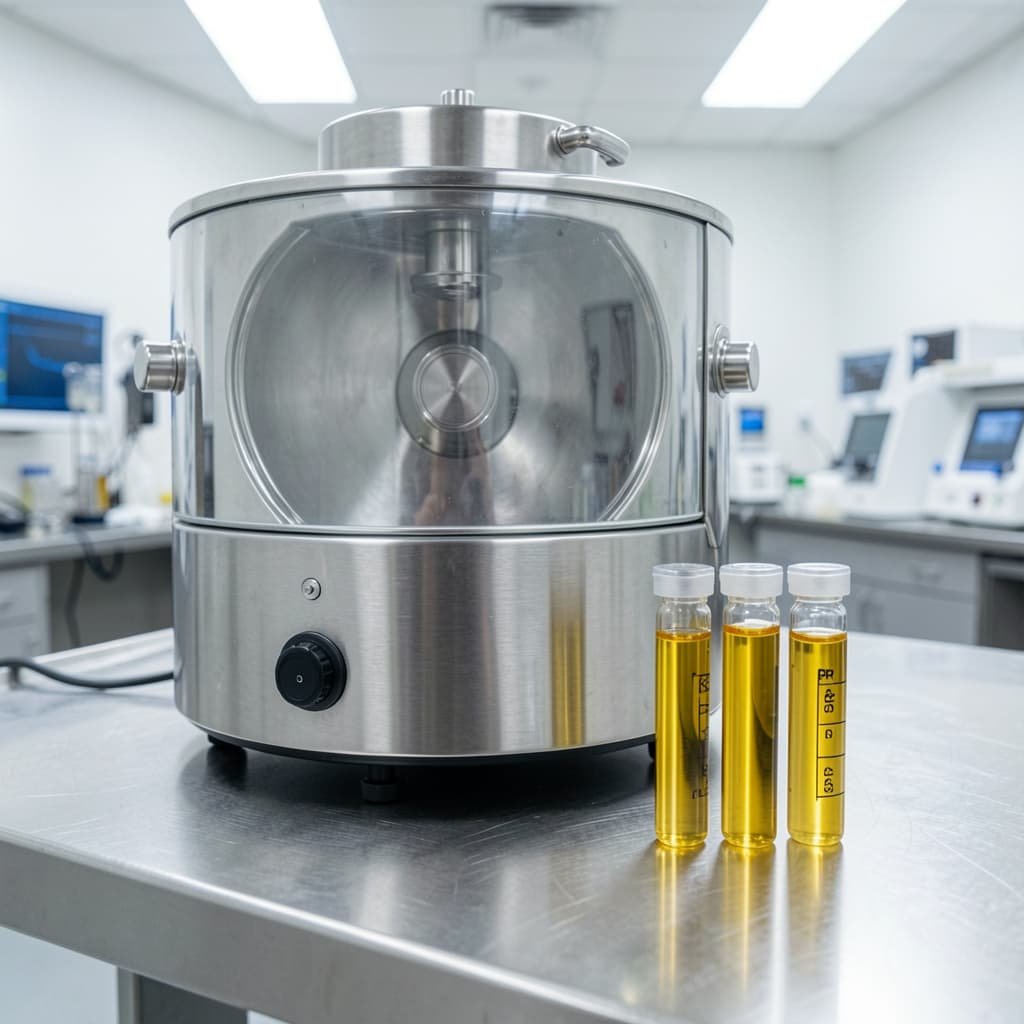
The Priapus shot — also written as P-shot or Pshot — is an autologous PRP procedure. A clinician draws a sample of the patient’s own blood, processes it in a medical-grade centrifuge to concentrate the platelet-rich plasma, and then injects it into specific anatomical sites within the penis: typically the glans and corpus cavernosum.
The theoretical mechanism centres on growth factors contained within activated platelets — including platelet-derived growth factor (PDGF), vascular endothelial growth factor (VEGF), and transforming growth factor-beta (TGF-β). These growth factors promote angiogenesis, smooth muscle regeneration, and neural tissue repair — all directly relevant to erectile physiology.
The term “Priapus Shot” and its abbreviation “P-Shot” are registered trademarks. UK providers deliver this procedure under various names — penile PRP injection, penile injection growth therapy, or P injection — though the core biological mechanism remains consistent across providers who use standardised PRP preparation protocols.
The Evidence Base: What UK Clinical Sources State
It is important to be direct about the state of the evidence. NICE does not currently approve the P-shot as a standard treatment for erectile dysfunction (ED). The NHS does not fund this procedure. It falls under the category of regenerative medicine delivered within the private sector.
Peer-reviewed studies have examined PRP for ED. A randomised controlled trial by Matz et al. (2018), published in the Journal of Sexual Medicine, found statistically significant improvements in erectile function scores in treated patients compared to placebo. A systematic review by Dołżan et al. (2022) concluded that PRP therapy showed promise for mild-to-moderate vasculogenic ED, though the authors noted that larger, longer-term trials are needed before clinicians can establish definitive guidelines.
For Peyronie’s disease — a condition involving penile curvature secondary to fibrotic plaque formation — a 2021 study in Translational Andrology and Urology reported measurable reductions in plaque size and curvature following intralesional PRP injection. Again, sample sizes remain modest.
Patients should interpret these findings carefully. The procedure shows early clinical promise, but it does not carry the same evidentiary weight as established ED treatments such as phosphodiesterase-5 inhibitors (e.g., sildenafil, tadalafil). NICE guideline NG225 endorses those treatments, backed by extensive randomised controlled trial data.
P-Shot UK Price: What the Market Currently Reflects
Typical Price Ranges in the UK
P shot UK price varies considerably across clinics. Current market data reflects the following ranges:
- Standard single P-shot session: £900 – £1,500
- P-shot combined with additional modalities (e.g., botulinum toxin, shockwave therapy): £1250 – £2,500
- Multi-session treatment packages: £2,000 – £4,000+
- London Harley Street and central London clinics: typically at the upper end of these ranges
These figures represent starting prices. Clinics confirm the final cost only after a medical consultation that establishes diagnosis, treatment suitability, and the specific protocol required.
Clinics in Kent, the Midlands, or the North of England may offer pricing closer to £900–£1,100 for a standard session. London-based providers — particularly those operating on Harley Street or in the W1 postcode — typically charge £800–£1,500 or above for a comparable procedure. This reflects overhead, clinic grade, and practitioner seniority.
What Drives P-Shot Price Variation in the UK?
1. PRP Preparation Quality
Not all PRP is equivalent. The concentration of platelets in the final injectate varies significantly depending on the centrifuge system. Medical-grade systems cleared for clinical use — such as those compliant with EU In Vitro Diagnostic Directive standards — produce more consistent and concentrated preparations than entry-level alternatives.
Higher platelet concentration directly influences therapeutic potential. A clinic using a validated, high-yield centrifuge system will typically charge more than one using a lower-specification device. When you compare priapus shot prices between providers, the equipment used is one of the most clinically meaningful differentiators — not simply the volume of plasma injected.
2. Practitioner Qualifications and Clinical Setting
In the UK, a registered medical professional — typically a doctor registered with the General Medical Council (GMC) — should perform PRP penile injections. The procedure involves injecting into sensitive anatomical structures, requires topical or local anaesthetic, and demands a thorough pre-procedure assessment covering relevant medical history, current medications, and contraindications.
Practitioners with postgraduate surgical or aesthetic qualifications, or those working in CQC-registered facilities, carry a higher compliance overhead. Pricing appropriately reflects this.
Clinics offering P shot London pricing significantly below £900 for an apparently equivalent procedure warrant careful scrutiny — specifically regarding equipment standards, practitioner credentials, and whether a proper pre-procedure consultation is included.
3. Whether the Consultation Fee Is Included
Some clinics quote a headline price that excludes the consultation, which they may charge separately at £100–£250. Others include this within a treatment package. When comparing P-shot UK prices across providers, confirm exactly what the quoted figure covers.
A proper medical consultation for this procedure should cover: medical history review, discussion of the underlying causes of ED or the specific condition being treated, physical examination where clinically relevant, a discussion of realistic outcomes, and written consent.
4. Additional Treatments or Adjuncts
Many clinics now offer the P-shot as part of a combined protocol. These may include:
- Bocox (botulinum toxin penile injection): Botulinum toxin injected into the corpus cavernosum to relax smooth muscle and improve arterial inflow
- Extracorporeal shockwave therapy (ESWT): Low-intensity shockwave applied to penile tissue to stimulate neovascularisation
- Penile vacuum pump protocols: Used post-procedure to encourage tissue expansion alongside PRP-stimulated growth
Each adjunct adds to overall cost. Combined protocols sometimes offer better value per modality when bundled, but they also represent a higher total financial commitment.
5. Number of Sessions Required
A single P-shot session is sufficient for some patients. Others — particularly those with more established vasculogenic ED, Peyronie’s disease with significant plaque, or Lichen Sclerosus — may require a course of two to three sessions spaced eight to twelve weeks apart.
The total cost of a full treatment course can therefore reach two to three times the single-session price. Clinics should provide clear guidance on the likely number of sessions before treatment commences.
P-Shot Before and After: Realistic Expectations
One of the most common information gaps on clinic websites is an honest, evidence-grounded account of what patients should and should not expect from P-shot treatment. Clarity here matters.
What the Evidence Suggests May Improve
Based on published peer-reviewed literature:
- Erectile function scores: Studies using validated tools (IIEF-5) show statistically significant improvement in mild-to-moderate vasculogenic ED
- Penile sensitivity: Some patients report improved sensory response, though the current literature offers limited objective measurement of this outcome
- Peyronie’s plaque: Pilot studies report reductions in plaque volume and degree of curvature
- Lichen Sclerosus: Early studies show PRP has immunomodulatory effects for this autoimmune condition
What Current Evidence Does Not Support
- Guaranteed or predictable size increase without vaccum device use
- Resolution of severe vasculogenic ED where arterial disease is advanced
- Permanent reversal of neurogenic ED caused by radical prostatectomy or significant spinal pathology
- A cure for underlying hormonal causes of ED without addressing those causes directly
P shot before and after outcomes depend substantially on baseline health status, the underlying aetiology of ED, age, cardiovascular fitness, and adherence to adjunct protocols such as vacuum device use. Clinics presenting dramatic before-and-after claims without these contextual caveats are not providing balanced information.
Male Enlargement Injections Cost UK: A Specific Note
Some patients seek penile PRP injections primarily for size-related concerns rather than erectile dysfunction. This is a distinct use case from therapeutic ED management and warrants separate discussion.
The evidence for PRP as a standalone male enlargement injection is limited. Studies that attribute size increases to P-shot treatment consistently involve concurrent use of a penile vacuum pump. The vacuum device applies mechanical traction to promote tissue expansion during the period of PRP-stimulated cellular proliferation. Without consistent use of the vacuum device, size outcomes become considerably less predictable.
The cost of penile injection growth procedures marketed specifically for enlargement follows similar pricing to standard P-shot treatment — £800 to £1,500 per session — though some providers charge a premium for enhancement-focused protocols.
Patients considering this primarily for size reasons should receive clear counselling on the evidence limitations, realistic outcomes, and the central role of adjunct device use.
What a Properly Structured P-Shot Consultation Should Include

A thorough medical consultation prior to P-shot treatment in London or elsewhere in the UK should address the following:
- Medical history: Cardiovascular status, diabetes, haematological disorders, current anticoagulant use, history of prostate cancer treatment, neurological conditions
- Examination: Assessment of penile anatomy, presence of plaques, baseline erectile function using a validated questionnaire such as the IIEF-5
- Contraindications: Active infection, bleeding disorders, active malignancy, use of anticoagulants that cannot be temporarily paused
- Informed consent: Written documentation covering the procedure, risks (including pain, bruising, haematoma, and rare infection), realistic outcome range, and likely number of treatment sessions
- Follow-up: A defined follow-up appointment, typically at six to twelve weeks post-procedure, to assess response and discuss further management
Any clinic that does not provide this structure — whether for a Priapus shot London appointment or elsewhere in the UK — falls below the standard that responsible private medical practice requires.
Priapus Shot London: What a Harley Street Standard Should Reflect
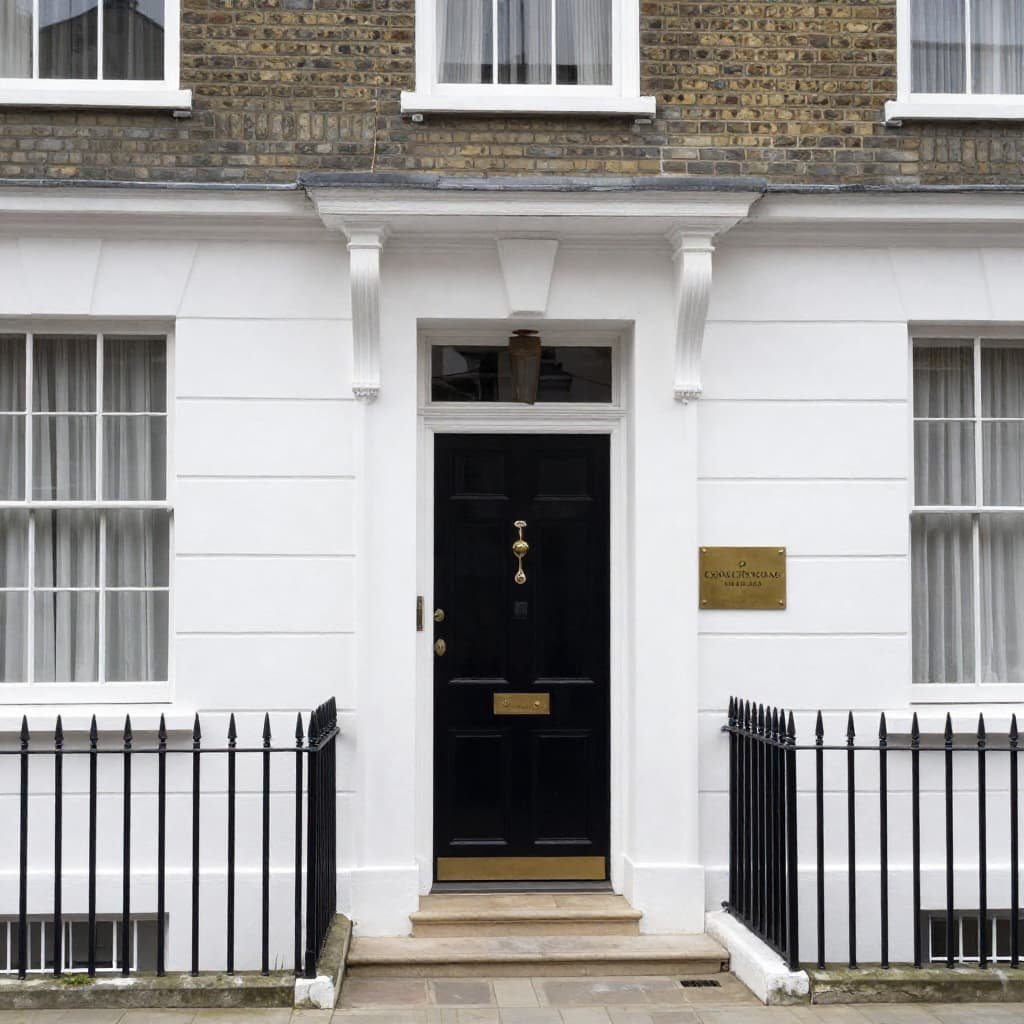
London-based P-shot clinics at the Harley Street level operate within a well-established private medical infrastructure. Patients attending at this level should expect CQC-registered premises, GMC-registered practitioners, medical-grade equipment, and a full clinical governance framework.
P shots UK clinic is one such provider, led by Dr Syed Nadeem Abbas (MBBS, MRCS RCS Edinburgh, MRCGP, MSc Aesthetic Plastic Surgery with Distinction — Queen Mary University London). Dr Abbas holds surgical and aesthetic postgraduate training across Cambridge, Oxford, and the Royal London Hospital — a background directly relevant to a procedure that requires anatomical precision and robust clinical assessment.
The pricing at Harley Street clinics reflects central London overheads, but also the quality of the clinical pathway: the consultation depth, equipment specification, practitioner seniority, and post-treatment follow-up structure. These are meaningful clinical differentiators, not merely cosmetic ones.
Finance and Payment Options for P-Shot Treatment UK
A single P-shot session typically costs £1250–£1,500, and a full course may total £2,000–£4,000 or more. Many UK clinics now offer finance options — typically 0% interest instalment plans arranged through regulated consumer credit providers.
Any finance agreement for medical treatment in the UK falls under Financial Conduct Authority (FCA) regulation via the Consumer Credit Act. Clinics offering 0% finance must hold authorisation or act as credit brokers through an authorised lender. Patients have the right to receive a full credit agreement in writing before signing.
Finance does not change the clinical calculus — it simply addresses affordability. Base your treatment decision on clinical suitability and realistic outcome expectations, then consider finance as a secondary practicality.
Frequently Asked Questions
Is the P-shot available on the NHS?
No. The P-shot is a private medical procedure. The NHS does not fund it, and NICE has not approved it as a standard treatment for erectile dysfunction or Peyronie’s disease.
How much does the P-shot cost in London?
P-shot London pricing typically starts from £800 and can reach £1,500 or above for a single session at an established Harley Street clinic. Combined protocols that include additional modalities cost more.
How many P-shot sessions will I need?
This depends on the underlying condition. Mild ED in otherwise healthy men may respond to a single session. Peyronie’s disease, Lichen Sclerosus, or more advanced ED typically requires two or three sessions. Your clinician should give you an honest estimate of likely session numbers at consultation.
Does the P-shot hurt?
Clinicians perform the procedure under topical anaesthetic cream applied to the penis. Most patients report minimal discomfort during the injection itself. Some experience temporary soreness or bruising at the injection sites for one to three days post-procedure.
What is the recovery time after a P-shot?
There is no significant clinical downtime. Patients can typically return to work the same day. Clinics generally advise avoiding sexual activity for 24–48 hours post-procedure, though specific guidance varies by provider.
Are there any risks or side effects?
As with any injection procedure, risks include localised bruising, swelling, temporary discomfort, and a small risk of infection. Serious adverse events are rare when a qualified medical practitioner performs the procedure using sterile technique. Allergic reactions to PRP do not apply, as the preparation derives from the patient’s own blood.
Can the P-shot help with Peyronie’s disease?
Early clinical evidence supports the use of intralesional PRP for Peyronie’s disease, specifically showing reductions in curvature and plaque size. However, this is not a licensed treatment in the UK, and results vary. A full clinical assessment is required before a clinician can recommend this use case.
Will the P-shot increase penis size?
Robust clinical evidence does not support predictable size increase using PRP alone. Studies reporting size gains consistently involve concurrent use of a penile vacuum pump. Patients should receive clear counselling on this point before committing to treatment.
Is the P-shot safe for men on blood thinners?
Anticoagulant use is a relative contraindication. Clinicians can temporarily pause some anticoagulants before the procedure under medical supervision — discuss this with both the treating clinician and the prescribing physician. Patients on anticoagulants for high-risk cardiovascular or thromboembolic conditions should approach this decision with particular care.
How long do P-shot results last?
Published studies and clinical observation suggest results last between six and eighteen months. Individual variation is significant. Patients with well-controlled cardiovascular risk factors and good baseline health tend to maintain results longer. Repeat sessions are often necessary to sustain benefit.
key takeaways
The priapus shot price in the UK reflects a genuine set of clinical and operational variables: the quality of PRP preparation, the qualifications of the practitioner, the depth of the consultation, the clinical setting, and whether adjunct treatments are included. Price alone is not a reliable proxy for quality. Low pricing in this category may indicate compromised clinical standards.
The P-shot is a legitimate private medical procedure with an emerging — but not yet conclusive — evidence base. It suits men with mild-to-moderate vasculogenic ED, Peyronie’s disease, or Lichen Sclerosus who have undergone thorough medical assessment and hold realistic expectations of outcome. It does not substitute for addressing underlying cardiovascular or hormonal causes of erectile dysfunction, and it carries neither NICE endorsement nor NHS funding.
For any man considering P-shot UK treatment, the most important investment is not in the procedure itself, but in the quality of the clinical assessment that precedes it. A practitioner who explains both what the treatment can and cannot achieve — and who structures a pricing model around genuine clinical value — is the one most likely to deliver a safe and worthwhile outcome.
The question worth sitting with before booking is this: have you received enough clinical information to make a truly informed decision, or are you still filling in the gaps with marketing language?
Read more:
P Shot London: How to Choose a Safe Clinic and What to Expect at Your Consultation
Understanding the Priapus Shot in London: A Game-Changer for Men’s Sexual Health