Erectile Dysfunction After Heart Surgery: Can PRP Help?

UK cardiac rehabilitation programmes focus heavily on exercise capacity, blood pressure control, and medication adherence. Sexual health rarely appears on the recovery checklist. Erectile dysfunction after heart surgery affects the majority of male patients, yet most never raise it with their care team. This silence leaves many men without clear, evidence-based guidance during recovery.
This article examines erectile dysfunction after heart surgery in detail. It covers prevalence, underlying causes, and the wider relationship between sexual health and heart disease. It also reviews current evidence for platelet-rich plasma (PRP) therapy, known as the Priapus Shot or P-Shot, as a possible regenerative treatment option.
How Common Is Erectile Dysfunction After Heart Surgery?
Erectile dysfunction after heart surgery is a well-documented clinical issue. Research consistently shows high rates of ED among men with cardiovascular disease, both before and after surgical treatment.
One study found erectile dysfunction affects between 46% and 84% of men with coronary artery disease, depending on disease severity and the presence of heart failure.
A separate study followed 279 men who underwent coronary artery bypass graft surgery, valve replacement, or other cardiac procedures. Before surgery, 20.1% reported sexual dysfunction. Twelve weeks after surgery, this figure rose to 76.4%. Reported problems included erectile difficulties, premature ejaculation, and reduced libido.
These figures confirm that ED post cardiac surgery is common, not exceptional. It is a recognised clinical pattern, supported by multiple independent studies.
NHS Pathways: Why Sexual Health Is Often Overlooked
NHS cardiac rehabilitation focuses on measurable outcomes, such as blood pressure, cholesterol, and exercise tolerance. Sexual health questions are not always included in standard follow-up assessments. As a result, many men experiencing erectile dysfunction after heart surgery do not receive any specific advice on this topic.
This does not mean the issue is unimportant. NHS guidance recognises erectile dysfunction as a relevant factor in overall cardiovascular risk assessment. Men are encouraged to raise sexual health concerns with their GP, particularly when ED appears alongside other cardiovascular symptoms. Early discussion allows clinicians to review medication, assess vascular risk, and rule out other contributing conditions, such as low testosterone or diabetes.
Patients should not feel that raising this issue is a minor or separate concern. It often provides useful information about how well the cardiovascular system is recovering.
Why Does Erectile Dysfunction Develop After Heart Surgery?
Several factors contribute to ED following cardiac surgery. These factors often overlap and reinforce one another, making the condition multifactorial rather than a single, isolated problem.
Reduced Blood Flow to the Penis
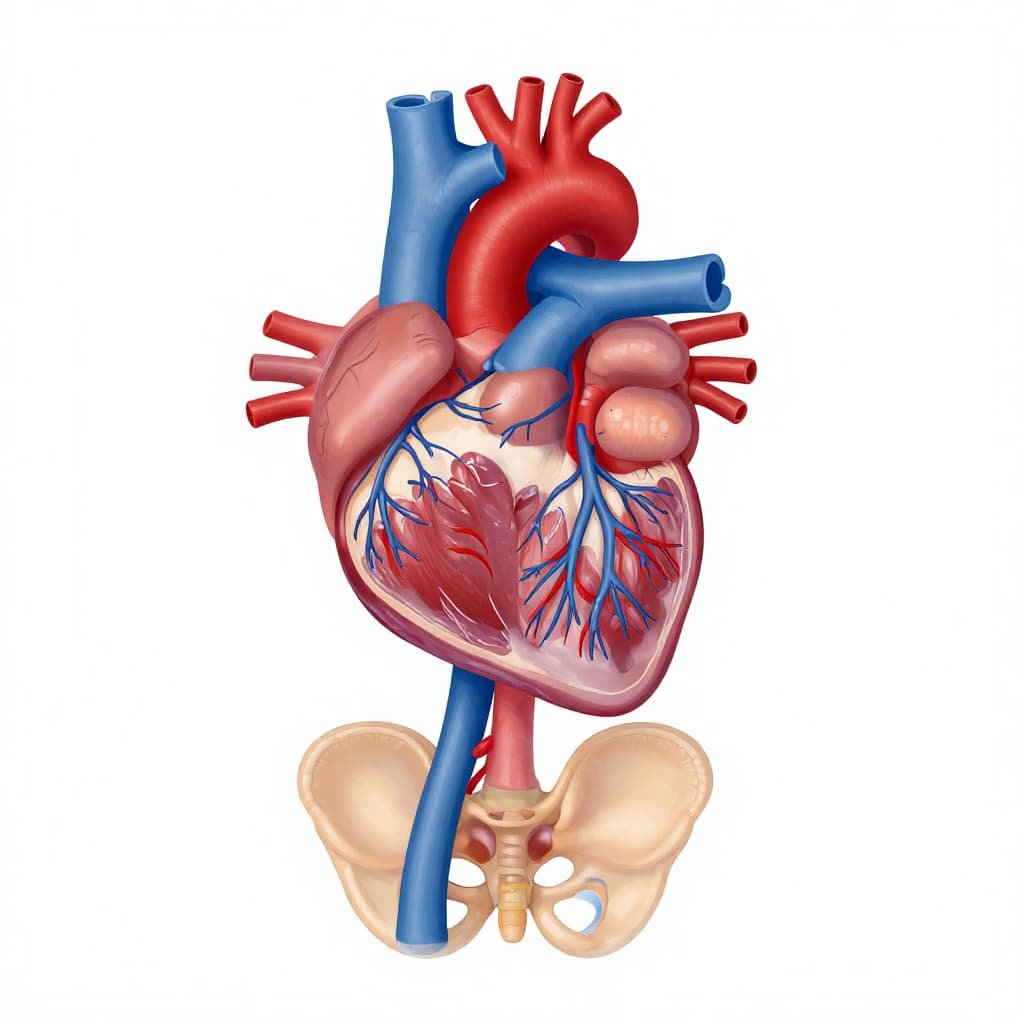
Erections depend on healthy blood flow into small penile arteries. Atherosclerosis, the process that narrows coronary arteries and often leads to heart surgery, also affects blood vessels elsewhere in the body. Reduced blood flow to the penis is therefore common in men with significant cardiovascular disease.
Physical Recovery After Major Surgery
Cardiac surgery places considerable strain on the body. Recovery involves fatigue, reduced stamina, and restricted physical activity for several weeks. These factors can temporarily reduce sexual function and confidence, independent of any vascular damage.
Medication Effects
Many medications prescribed after cardiac surgery affect erectile function. Beta-blockers and certain lipid-lowering medications have been linked to increased rates of sexual dysfunction. Patients should discuss medication side effects with their GP or cardiologist rather than adjusting treatment independently.
Psychological Factors
Anxiety about resuming physical activity, including sexual activity, is common after major surgery. Depression following a significant cardiac event can also reduce libido and sexual confidence. These psychological factors often interact closely with physical causes.
Sexual Health and Heart Disease: A Shared Vascular System
The relationship between sexual health and heart disease runs in both directions. Small blood vessels in the penis are often affected by atherosclerosis before larger coronary arteries show measurable narrowing. For this reason, erectile dysfunction can appear years before a diagnosed cardiac event.
This connection means erectile dysfunction after heart surgery should not be viewed in isolation. It reflects the same underlying vascular condition affecting the heart. Men experiencing new or worsening erectile dysfunction, particularly alongside cardiovascular risk factors such as high blood pressure, diabetes, or high cholesterol, should seek a full cardiovascular health assessment from their GP.
Current Treatment Options for ED Post Cardiac Surgery
PDE5 Inhibitors
Medications such as sildenafil and tadalafil are commonly prescribed for erectile dysfunction. These medications work by improving blood flow to the penis. However, they are contraindicated for men taking nitrate-based medications, which are often prescribed after cardiac events. A cardiologist must review suitability before these medications are prescribed.
Cardiac Rehabilitation Programmes
Structured cardiac rehabilitation improves overall fitness, blood pressure, and cholesterol levels. However, research shows that sexual dysfunction often persists despite participation in rehabilitation programmes. Age, diabetes, hypertension, and prior bypass surgery have been identified as independent predictors of continued sexual dysfunction after rehabilitation.
Counselling and Lifestyle Support
Psychological support addresses anxiety and confidence issues linked to ED post cardiac surgery. Lifestyle changes, including smoking cessation, weight management, and reduced alcohol intake, support both cardiovascular health and erectile function over time.
Comparing Approaches to ED Post Cardiac Recovery
The table below summarises common approaches. It is intended as a general overview, not a personalised recommendation.
| Approach | Cardiac Safety Considerations | Evidence Base |
| PDE5 inhibitors | Unsuitable with nitrate medication; requires cardiologist review | Strong, widely established |
| Cardiac rehabilitation | Generally safe and recommended for all patients | Strong for overall recovery; limited effect on ED alone |
| Counselling and lifestyle changes | Safe for all patients | Supportive evidence, gradual benefit |
| PRP / P-Shot | Requires medication review and cardiologist clearance | Emerging, classified as experimental for ED |
PRP Therapy for Erectile Dysfunction: What Does the Research Show?
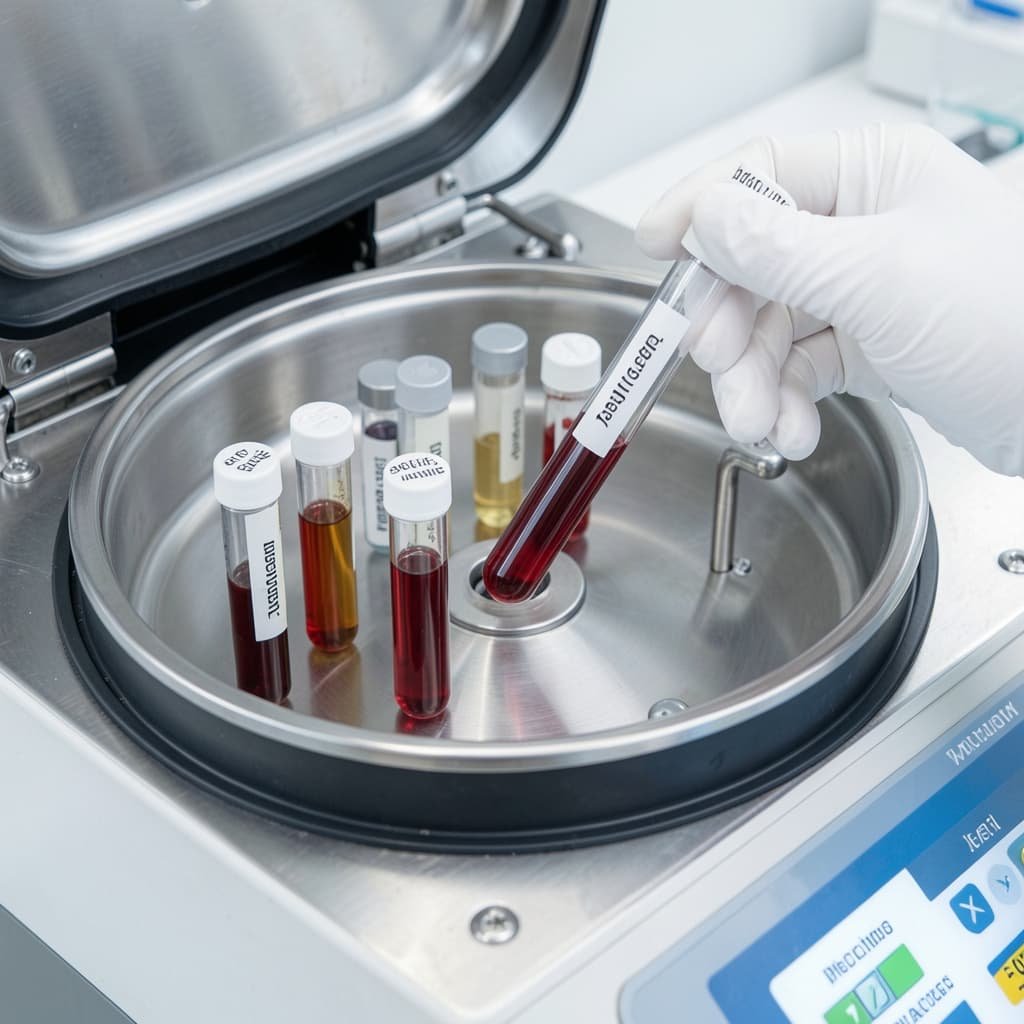
Platelet-rich plasma therapy has attracted growing interest as a regenerative treatment for male health in the UK. PRP is prepared from a small sample of the patient’s own blood. The sample is processed in a centrifuge to concentrate platelets and growth factors, which are then injected into penile tissue.
A systematic review of 17 studies involving 1,099 patients examined PRP for erectile dysfunction and Peyronie’s disease. The review found small to moderate benefits, with mild and transient side effects. No major adverse events were reported.
Animal studies suggest PRP has neurotrophic effects on damaged nerves. PRP may support axon myelination, reduce cell death, and encourage nerve fibre regeneration. These findings provide a theoretical basis for PRP cardiovascular ED applications, where vascular damage and nerve damage often coexist following cardiac disease.
A meta-analysis of four randomised controlled trials, including 413 patients, found PRP produced a statistically significant improvement over placebo at one month and at six months. No significant difference was found at the three-month mark.
Despite these findings, major urological bodies remain cautious. The European Association of Urology and the American Urological Association classify PRP for erectile dysfunction as experimental. Further large-scale, controlled trials are needed before PRP therapy for men’s performance issues becomes a routine recommendation.
It is important to note that no published studies have specifically examined an advanced PRP solution for erectile dysfunction in men recovering from cardiac surgery. Existing evidence comes from general populations with vasculogenic erectile dysfunction. This represents a clear gap in current research, and one that patients should understand before considering treatment.
The Priapus Shot (P-Shot): How the Treatment Works
The Priapus Shot, often shortened to P-Shot or Pshot, is a specific PRP protocol developed for men’s intimate health. The P shot treatment uses platelet-rich plasma injected into targeted areas of the penis, aiming to support tissue repair and improved sensitivity.
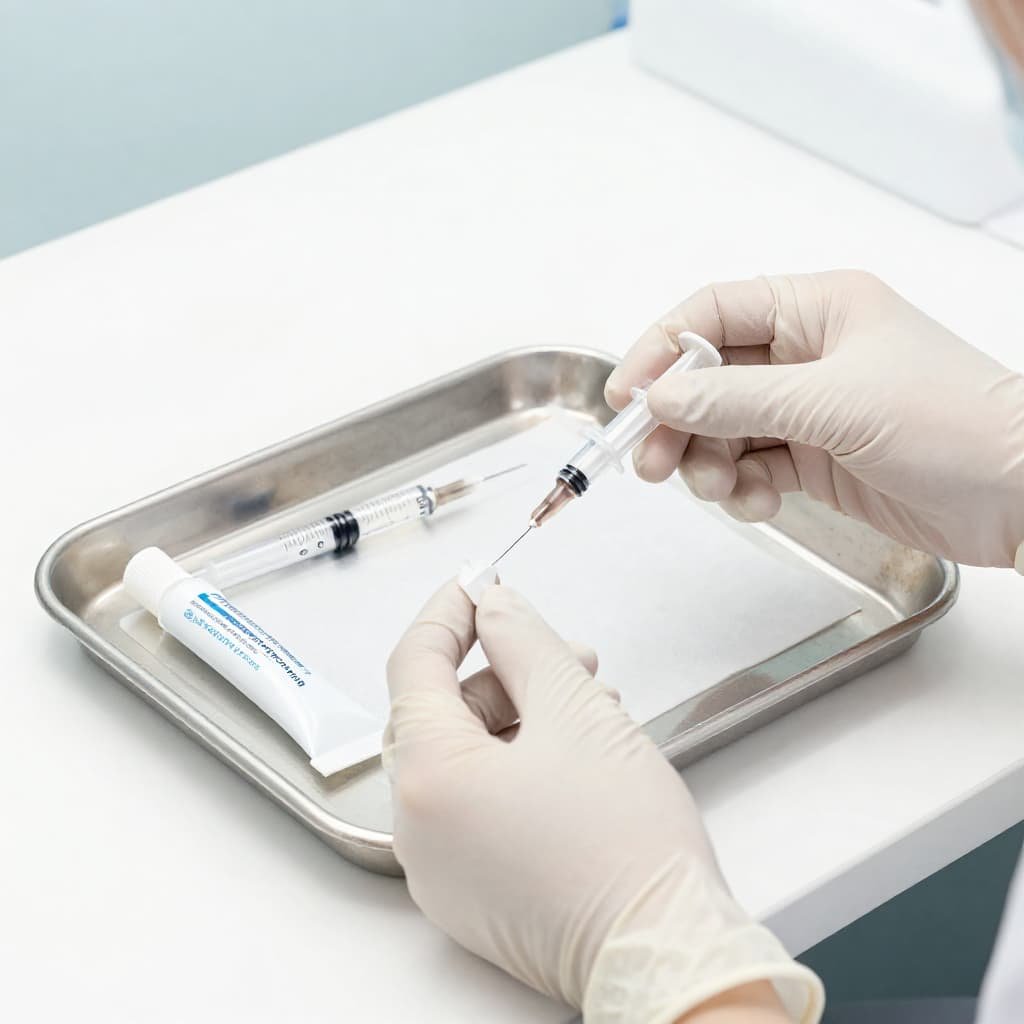
The procedure begins with a blood draw, similar to a routine blood test. The sample is processed in a centrifuge to separate platelet-rich plasma from other blood components. A topical anaesthetic is applied to the treatment area. The PRP is then injected using a fine needle, a technique sometimes referred to as a P injection or penis shot.
The P-shot is performed as an outpatient procedure. It does not require general anaesthesia. The full appointment typically takes around 30 to 45 minutes. Recovery time is minimal, and most men resume normal daily activities within a day.
P-Shot Before and After: Realistic Expectations
Patients researching P shot before and after results, or P-shot before and after comparisons online, should approach marketing claims with caution. Clinical evidence describes outcomes as small to moderate, not dramatic or guaranteed.
Any changes typically develop gradually over several weeks, as growth factors stimulate tissue repair. Some men may require repeat treatments to maintain results. Claims relating to penile injection growth and girth enhancement use different techniques and should not be confused with the P-Shot’s primary focus on erectile function.
Priapus Shot Price and Cost Considerations in the UK
Priapus shot price varies between clinics across the UK, depending on the protocol used and the experience of the practitioner. Patients researching P shot UK options, including Priapus shot London providers, should request a detailed consultation before committing to treatment.
It is worth noting that male enlargement injections cost uk searches often combine different procedures. Dermal filler injections aimed at girth enhancement differ significantly from PRP injections aimed at improving erectile function. Patients should clarify which procedure they are researching before comparing prices.
Is PRP Suitable for Men Recovering From Erectile Dysfunction After Heart Surgery?
Men considering PRP for erectile dysfunction following cardiac surgery should discuss several safety factors with their medical team before proceeding.

Many cardiac patients take antiplatelet or anticoagulant medications, such as aspirin or clopidogrel. These medications increase bleeding risk during any injection procedure. A full medication review is essential before treatment is considered.
Full cardiac recovery should be confirmed before any elective procedure, including PRP, is considered. This typically requires clearance from a cardiologist or GP, alongside a review of overall fitness for minor procedures.
Clinics offering non-surgical treatment for erectile dysfunction in London, such as pshots clinic uk on Harley Street, led by Dr Syed Nadeem Abbas, conduct medical assessments before any PRP-based regenerative therapy for ED is considered. This assessment identifies whether a patient’s cardiac history affects their suitability for treatment.
Men seeking erectile dysfunction treatment London should ensure any clinic offers thorough pre-treatment screening, particularly when a cardiac history is involved. Men’s intimate health treatment in London should always begin with a medical assessment, not a cosmetic consultation.
Frequently Asked Questions
Is erectile dysfunction common after heart surgery?
Yes. Studies report erectile dysfunction in 46% to 84% of men with cardiovascular disease, and rates increase further in the months following cardiac surgery. It is one of the most common, and most under-reported, effects of cardiac recovery.
Do heart problems cause erectile dysfunction?
In many cases, yes. Heart disease and erectile dysfunction share the same underlying vascular damage. Reduced blood flow affects the penis and the heart, often with erectile dysfunction appearing first.
What can a heart patient take for erectile dysfunction?
Options include PDE5 inhibitors, where suitable, cardiac rehabilitation, counselling, and lifestyle changes. PDE5 inhibitors are unsuitable for men taking nitrate medication. All options should be reviewed by a cardiologist or GP before starting.
Is PRP safe for heart patients?
PRP can be appropriate for some cardiac patients once cardiologist clearance is confirmed and medication risks are reviewed. It is not automatically safe for every man recovering from heart surgery, particularly during early recovery or while taking blood-thinning medication.
Are there any side effects of PRP injections?
Reported side effects are generally mild and temporary, including bruising, swelling, and discomfort at the injection site. Serious adverse events are rare in published studies. Cardiac patients on blood-thinning medication face a higher bleeding and bruising risk.
Who should avoid PRP?
Men in early cardiac recovery, those on antiplatelet or anticoagulant medication without medical clearance, and those with active infections or untreated bleeding disorders should avoid PRP. Anyone expecting guaranteed results should also reconsider, given the current evidence base.
Key takeaways
Erectile dysfunction after heart surgery is common, well-documented, and closely linked to underlying cardiovascular health. PRP therapy, including the P-Shot, shows some promising early evidence but remains classified as experimental for this specific use.
Men experiencing this condition should prioritise cardiovascular health, discuss medication effects with their care team, and seek a thorough medical assessment before considering any regenerative treatment.
Given the current state of evidence, how should patients and clinicians weigh early promise against the need for more robust, cardiac-specific research?
Read more: The P Shot UK: An Effective Treatment for Erectile Dysfunction and Cardiovascular Health
How Lifestyle Affects P Shot UK Results – Diet, Exercise, and Sleep