How Many P-Shot Sessions Do You Need? One vs a Series of Treatments

Medically reviewed | Updated July 2026
The Priapus Shot, widely known as the P-Shot, ranks among the most searched non-surgical treatments for male sexual health in London. Men across the UK increasingly search for regenerative alternatives to surgery or long-term medication. This raises one central question in most consultations: how many sessions actually deliver a meaningful result? This article sets out the clinical evidence, session planning, cost structure, and realistic expectations behind P shot treatment. It avoids exaggeration and marketing language throughout. The answer rarely comes down to a single fixed number. It depends on baseline health, treatment goals, and how the body responds to platelet-rich plasma.
Demand for Pshot procedures across private clinics now outpaces the volume of robust clinical research supporting them. Clinics in London frequently offer men a range of packages for P-Shot treatment, from a single trial injection to a structured course spanning several months. Understanding the clinical reasoning behind session planning matters more than simply following a clinic’s default package. This approach supports a more informed treatment decision. The sections below outline what current evidence supports, what remains uncertain, and how clinicians typically determine session numbers in UK practice.
What Is the P-Shot?
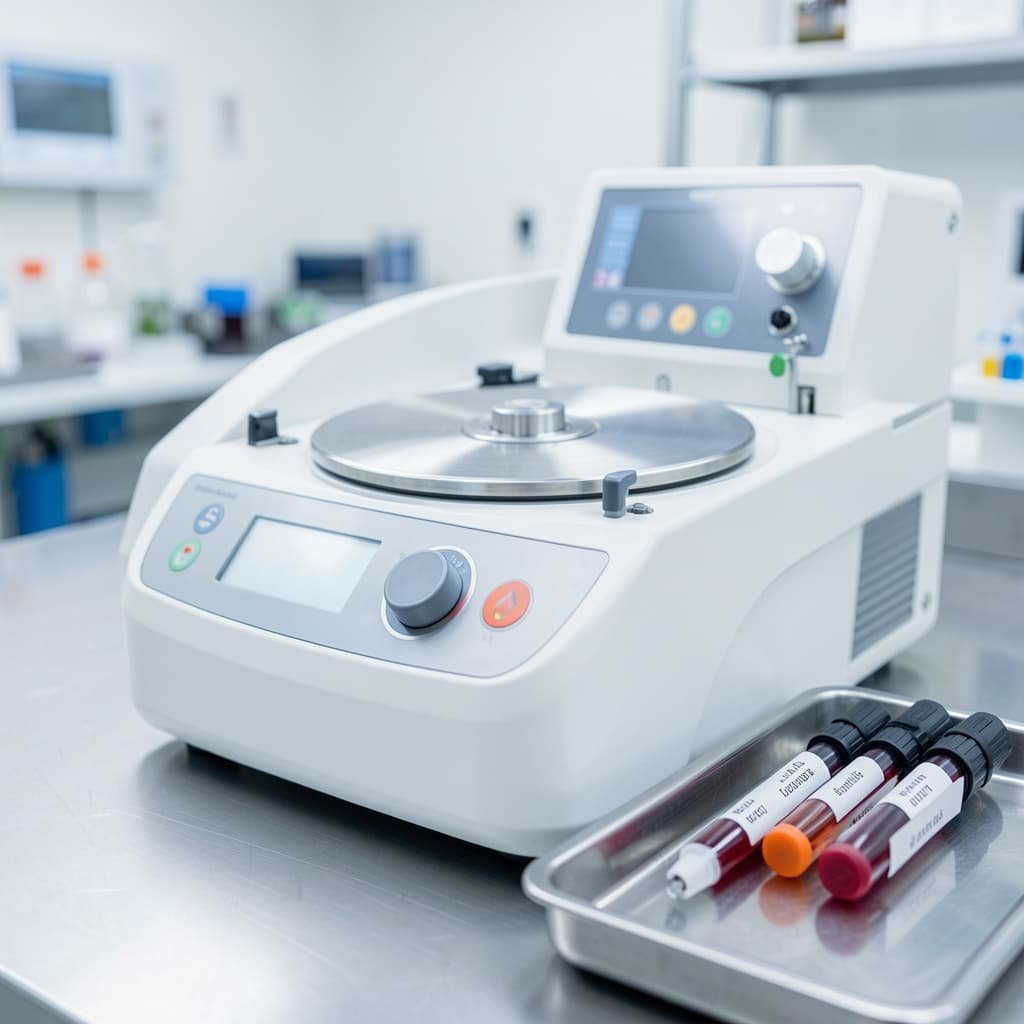
The P-Shot, or Priapus Shot, delivers a platelet-rich plasma (PRP) injection into specific areas of the penis. Clinicians draw blood from the patient and process it in a centrifuge. This separates the sample into a concentrated platelet fraction. The clinician then injects this fraction into penile tissue using a fine needle, after applying topical or local anaesthetic. Providers market the procedure for erectile function support, sensitivity, and tissue health. It does not involve surgery, implants, or permanent alteration of anatomy. Pshot treatments run as outpatient procedures and usually last under an hour.
Platelets contain growth factors that drive tissue repair, angiogenesis, and wound healing. Regenerative medicine has used PRP in orthopaedics, dermatology, and hair restoration for several decades. Its application to penile tissue arrived more recently, and clinical evidence remains under active review.
How Many P-Shot Sessions Are Typically Needed?
The clinical objective, baseline erectile function, and individual response to PRP all determine the number of sessions required.
Single P-Shot Session
Clinicians may offer a single treatment to men seeking a preliminary trial of PRP therapy, particularly those with mild symptoms or no diagnosed erectile dysfunction. Some clinics present a single P-Shot as sufficient for short-term subjective improvements in sensitivity or confidence. However, a single session does not allow for a structured evaluation of response over time. Any effect observed can be difficult to separate from the placebo response, which PRP research for erectile dysfunction documents well.
Series of P-Shot Sessions
Clinicians more commonly recommend a course of multiple PRP sessions for men with diagnosed mild to moderate erectile dysfunction. Peer-reviewed trials have generally tested two to three injections, spaced roughly one month apart, rather than a single administration. This staged approach allows platelet-derived growth factors to act cumulatively on penile tissue. It also gives clinicians a clearer picture of individual response before recommending further p shot repeat treatment.
Clinics offering a structured course typically build in a reassessment appointment between injections. This appointment lets the clinician record any change in erectile function score and discuss tolerability. It also confirms whether the course should continue. A course-based approach reduces the likelihood of unnecessary repeat injections in men who show no measurable response after the first two treatments.
Factors That Influence P-Shot Frequency
Several clinical factors affect how many sessions a person may need.
Severity of Erectile Dysfunction
Clinicians tend to recommend fewer sessions for men with mild ED, as defined by validated scoring tools such as the International Index of Erectile Function (IIEF). Severe organic ED, often linked to vascular disease or diabetes, responds less readily to PRP alone.
Underlying Health Conditions
Diabetes, cardiovascular disease, smoking status, and hormonal imbalance can all influence P shot frequency decisions. Some studies suggest smoking status and baseline IIEF score may predict which patients respond better to PRP.
Treatment Goals
Some men pursue the P-Shot for erectile function. Others raise general male enlargement injections cost uk enquiries related to girth or sensitivity. Aesthetic and functional goals may follow different session patterns, though robust comparative data remains limited.
Response to Initial Treatment
Clinics typically reassess patients after each session. If measurable improvement fails to appear after the first two treatments, continuing with further injections without reassessing the underlying cause is not advisable.
What Happens During Each Session
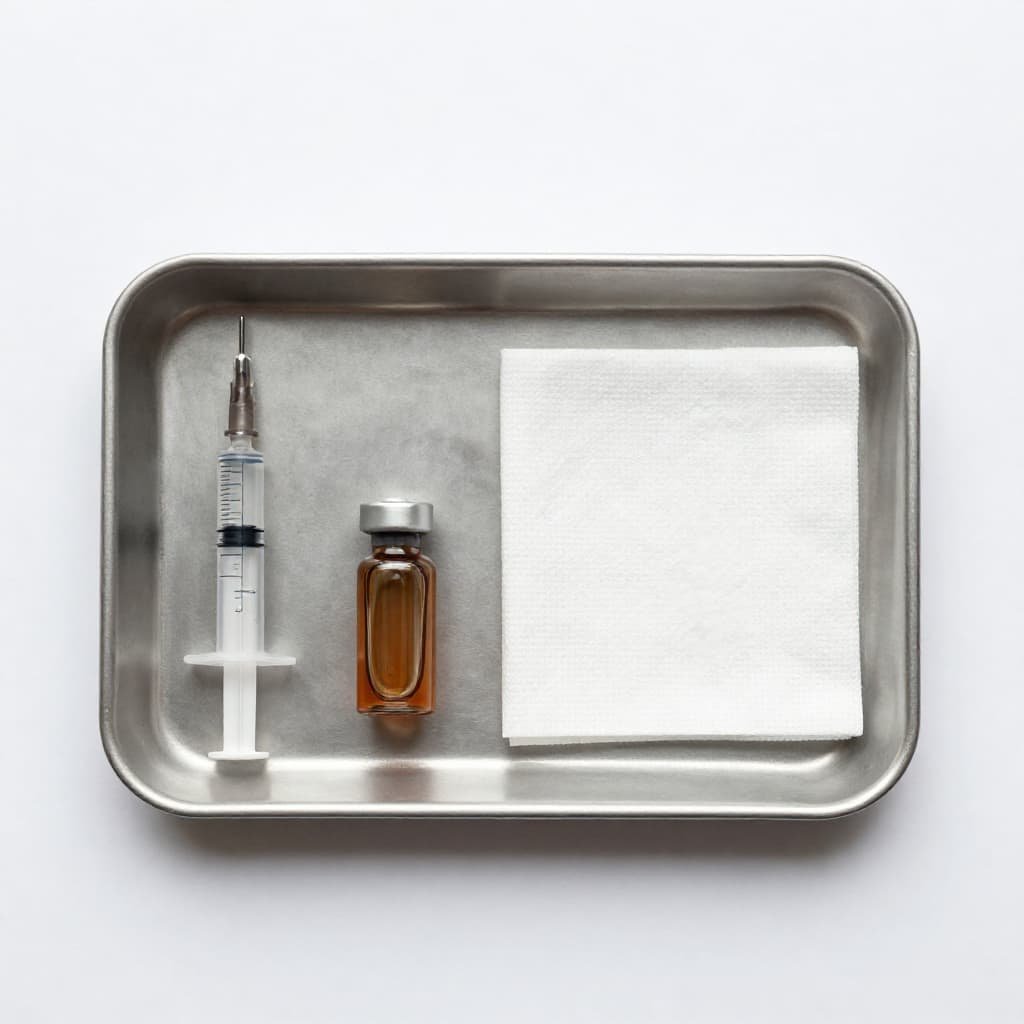
Each appointment follows a standardised clinical sequence, whether it forms part of a single visit or a longer course. The clinician draws blood and processes it in a centrifuge to isolate the platelet-rich fraction, a step that typically takes fifteen to twenty minutes. Topical or local anaesthetic reduces discomfort before the clinician injects the PRP into predetermined areas of penile tissue using a fine needle. The full appointment, including preparation and recovery time, usually lasts under one hour. Clinicians generally advise patients to avoid strenuous activity and sexual intercourse for a short period after each session. This guidance follows standard post-injection aftercare for minor procedures.
Clinics that document baseline erectile function before the first session, using a validated tool such as the IIEF questionnaire, follow good clinical practice. This baseline allows direct comparison at each subsequent session, rather than relying on subjective impression alone. Clinics that skip this step lose the ability to determine whether a course of treatment has produced any measurable change.
What the Clinical Evidence Shows

Evidence for PRP in erectile dysfunction remains mixed and continues to develop. A 2021 double-blind, randomised, placebo-controlled trial tested two intracavernosal PRP injections one month apart. Researchers found the injections safe, but recorded no statistically significant difference compared with placebo at one month. A separate randomised controlled study compared three PRP injections against saline. It found no significant difference in IIEF scores between groups at one, three, or six months. By contrast, a 2024 systematic review and meta-analysis pooled multiple trials and reported a significant increase in erectile function domain scores at one month after PRP intracavernous injection.
This inconsistency means no clinic can guarantee outcomes from any number of P-Shot Sessions. The Cleveland Clinic has stated publicly that clinical trials do not consistently demonstrate that the P-Shot improves erections, and it notes that further research is still needed. The NHS and NICE have not issued formal clinical guidance recommending PRP penile injections for erectile dysfunction. Established first-line NHS treatments for ED still include oral PDE5 inhibitors, vacuum erection devices, and, where appropriate, psychosexual therapy or vascular investigation.
Patients considering this treatment should regard it as an adjunct or elective option. It does not replace medically established ED treatment pathways.
P Shot Repeat Treatment: When Is It Recommended?
Clinicians generally consider p shot repeat treatment when an initial course produces partial improvement but symptoms have not fully resolved. Clinics may space repeat courses six to twelve months apart, allowing time to assess whether initial gains hold. Repeat treatment should not follow automatically just because effects from a previous course have faded. Any recommendation for further P-Shot Sessions should follow a documented clinical reassessment, including a review of erectile function scoring where relevant.
Unregulated or excessive repetition of PRP injections without clinical reassessment offers no proven added benefit. It can also increase exposure to injection-related risks, including bruising, swelling, infection, and localised pain.
Priapus Shot Price and Cost Considerations in the UK
Priapus shot price varies across UK clinics depending on location, practitioner qualifications, and whether treatment runs as a single session or a structured course. London clinics, including those based on Harley Street, typically charge more per session than clinics outside major cities, reflecting overheads and clinician experience. A course of P-Shot Sessions often carries a discount compared with booking sessions individually. Patients researching male enlargement injections cost uk should treat significantly lower prices with caution, since this may signal reduced clinical oversight or non-medical administration.
Cost should not drive the decision on how many sessions to undergo. Clinical suitability and realistic outcome expectations should guide that decision instead. Patients should only weigh cost once a qualified clinician has confirmed appropriateness.
What to Expect: P-Shot Before and After
Peer-reviewed literature offers limited reliable P-Shot before and after documentation, since most published trials rely on standardised questionnaire scores rather than photographic outcome measures. Patients should treat any P shot before and after material from clinics with caution. Individual results vary, and photographic comparisons cannot control for lighting, angle, or arousal state. Patients should request outcome data based on validated clinical scoring rather than visual comparisons alone.
Trials that discuss penile injection growth generally report modest effects, including improved erectile rigidity scores rather than confirmed anatomical enlargement. No high-quality peer-reviewed evidence currently supports a significant permanent size increase from p injection treatment.
Safety and Realistic Outcomes
PRP comes from the patient’s own blood, which lowers the risk of allergic reaction or disease transmission compared with injectable fillers from external sources. Trials generally report mild side effects, including temporary bruising, swelling, and localised discomfort at the injection site. Serious complications appear rare in published data, though most trials use small sample sizes.
Clinicians should set realistic expectations before any course of treatment begins. Evidence does not currently support the penis shot as a guaranteed treatment for erectile dysfunction. Clinicians should discuss outcomes transparently, including the possibility of no measurable benefit. Clinicians should also screen men for underlying vascular, endocrine, or psychological contributors to erectile dysfunction before proceeding.
Choosing a Provider for P-Shot Treatment in the UK

Selecting a provider for P shot London treatment involves verifying medical qualifications, injection technique training, and access to sterile clinical facilities. Regulatory oversight in the UK medical aesthetics sector remains limited. Prospective patients should confirm that the administering clinician holds relevant medical registration. Injections administered outside a clinical setting, or by non-medically trained practitioners, carry increased risk without additional benefit.
Pshots Clinic UK, based on Harley Street in Marylebone, London, offers P-Shot treatment under the clinical oversight of Dr Syed Nadeem Abbas, a practitioner who holds an MSc in Aesthetic Plastic Surgery with Distinction from Queen Mary University London.
Frequently Asked Questions
How many P-Shot Sessions are usually recommended?
Most clinical trials use two to three sessions, spaced roughly one month apart, though recommendations vary by clinician assessment.
Can a single P-Shot session produce results?
Clinics may offer a single session, but published trials have not consistently confirmed benefit from one injection compared with placebo.
Is P-shot repeat treatment necessary for everyone?
No. Repeat treatment should follow reassessment of response rather than an automatic schedule after an initial course.
Does the Priapus shot price change with a course of sessions?
Many clinics reduce per-session pricing when patients book multiple sessions as a course rather than individually.
Is the P-Shot approved by the NHS or NICE?
Neither the NHS nor NICE currently issues formal guidance recommending PRP penile injections for erectile dysfunction. Established NHS treatments remain the recommended first-line option.
Are the effects of P-Shot treatment permanent?
Evidence does not currently support permanent structural change from PRP injection. Trials have generally assessed functional improvement over months, not years.
What are the risks of multiple PRP sessions?
Reported risks include bruising, swelling, and localised discomfort. Excessive repetition without clinical reassessment offers no proven added benefit.
keytakeaways
Documented clinical assessment, not fixed marketing packages, should determine how many P-Shot Sessions a patient undergoes. Published trials remain divided: some report measurable improvement in erectile function scores, while others show no significant difference from placebo. A single injection rarely provides the same evaluative value as a properly spaced, monitored course of treatment. Patients should seek consultation with a suitably qualified medical practitioner and request outcome data based on validated scoring rather than photographic comparisons. Patients should also treat PRP as an adjunct to, not a replacement for, established NHS-recognised ED treatments. Given the current state of evidence, what level of proof should patients expect before committing to a repeated course of P-Shot Sessions?
Read more:
P-Shot Aftercare: The Complete Pre and Post Treatment Guide
When Will I See Results from P Shot in London? A Realistic Timeline