
The P shot London—clinically referred to as the Priapus Shot—uses platelet-rich plasma (PRP) derived from a patient’s own blood. It delivers concentrated growth factors directly into penile tissue. The mechanism is regenerative, not pharmacological. This distinction shapes every aspect of the treatment’s timeline.
Unlike phosphodiesterase-5 inhibitors such as sildenafil, which act within 30 to 60 minutes, PRP-based regenerative therapy for ED initiates a biological repair process. That process unfolds over weeks and months—not hours. Patients who approach the P shot treatment with pharmacological expectations will consistently experience disappointment. Those who understand the biology of tissue regeneration will hold more accurate expectations.
This article sets out what the published evidence says about the P shot timeline, what variables influence outcomes, and what constitutes a realistic result. It does not advocate for the treatment. It presents available data with clinical transparency.
What Is the P Shot and How Does PRP Work?
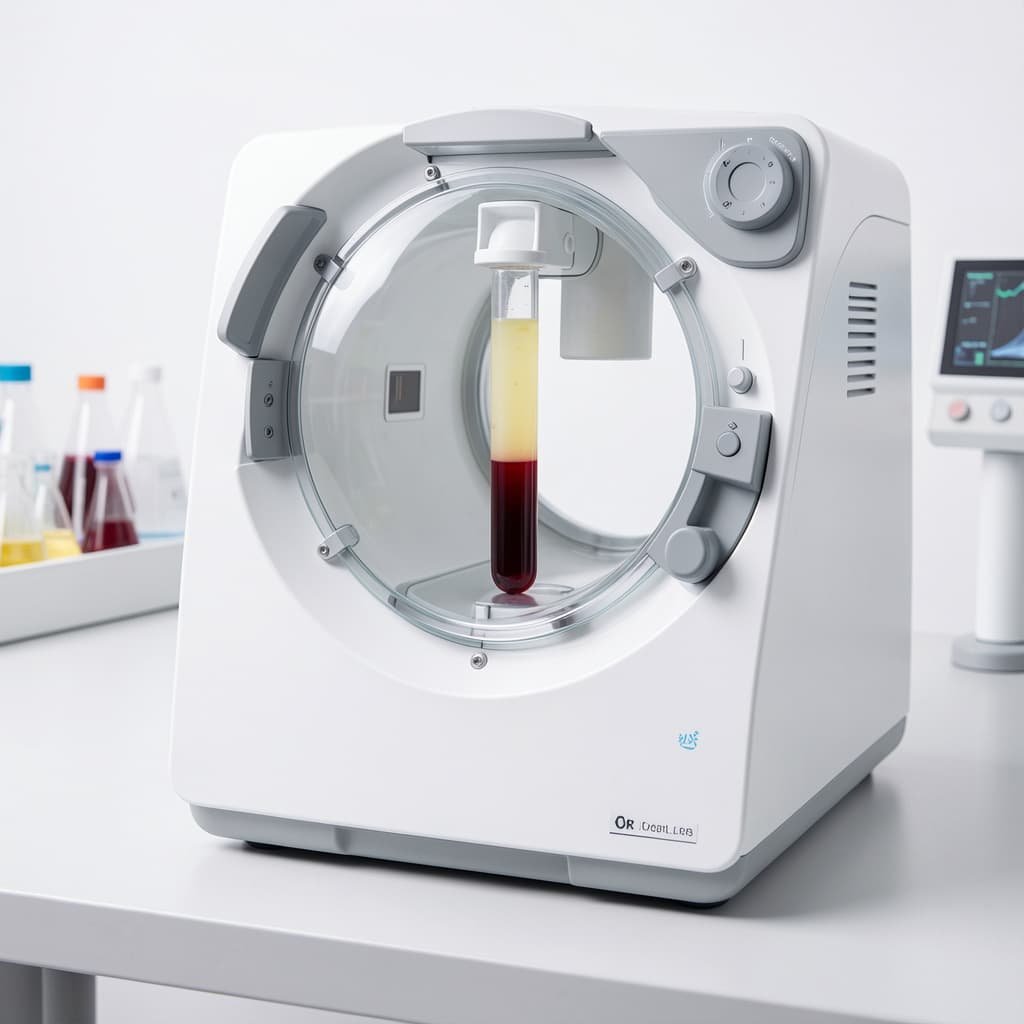
The term P shot—also written as P-shot, Pshot, or priapus shot—refers to an intracavernosal injection of autologous platelet-rich plasma. The procedure was developed by Dr Charles Runels in the United States and trademarked as the Priapus Shot.
Blood is drawn from the patient’s arm and placed in a centrifuge. The centrifuge separates the blood into its components. The platelet-rich layer is extracted and drawn into a syringe. This solution is then injected into specified regions of the penis following application of a local anaesthetic cream.
How Does PRP Stimulate Tissue Change?
Platelets contain alpha granules. These granules release growth factors upon activation. The relevant growth factors in penile regeneration include:
Platelet-derived growth factor (PDGF): Encourages the growth and multiplication of smooth muscle cells.
Vascular endothelial growth factor (VEGF): Plays a central role in forming new blood vessels, improving circulation.
Transforming growth factor-beta (TGF-β): Contributes to tissue remodeling and repair processes.
Insulin-like growth factor (IGF): Helps maintain cell survival while promoting overall cellular growth.
Erectile function depends substantially on vascular integrity and smooth muscle health within the corpora cavernosa. PRP therapy for men’s performance issues targets precisely these tissue types. The hypothesis is that releasing growth factors into penile tissue activates neovascularisation and smooth muscle repair—both of which are implicated in vasculogenic erectile dysfunction.
The P Shot London Timeline: Phase by Phase
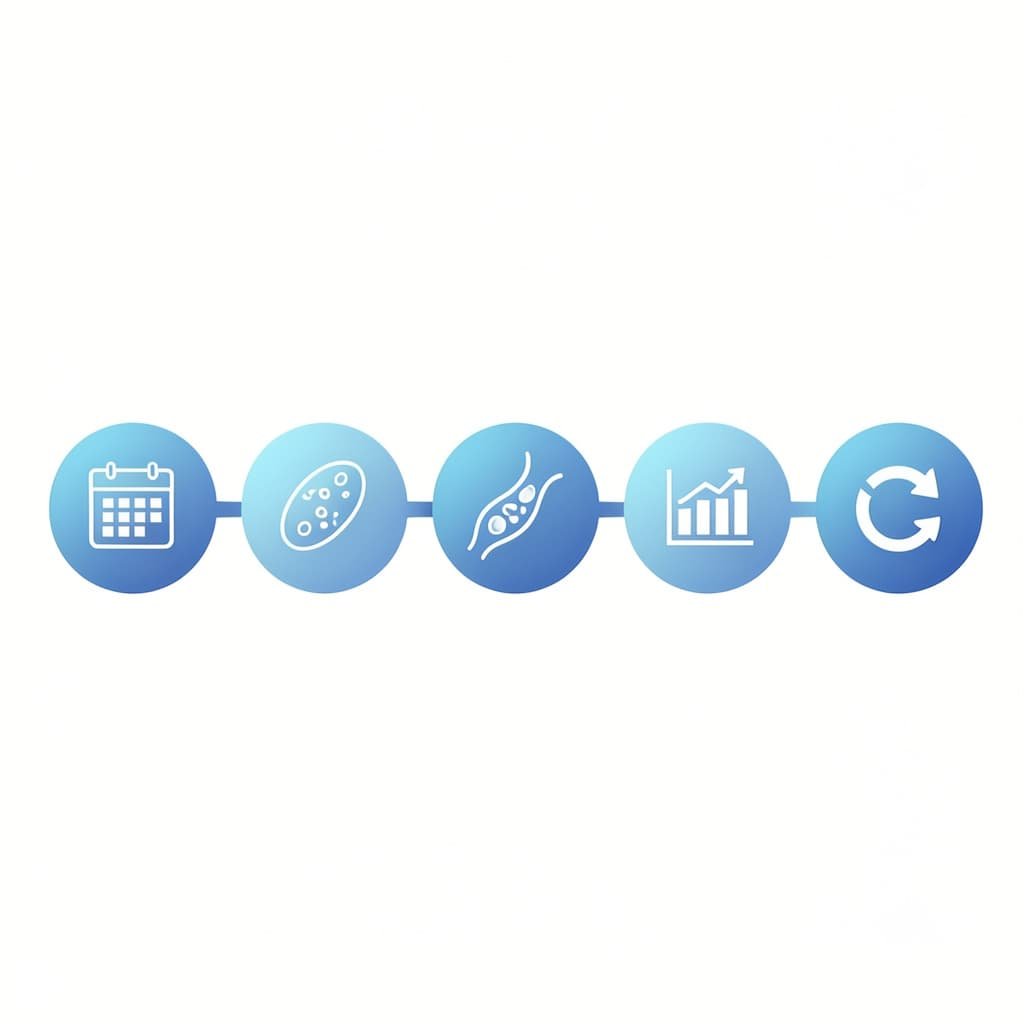
No single universal timeline exists for the P shot treatment. The available evidence—including randomised controlled trials—suggests a phased response that unfolds over one to six months following injection. The following phases reflect what current published data indicate.
Phase 1: Days 1–7 (Acute Inflammatory Response)
Immediately after the P shot injection, the tissue enters an acute inflammatory phase. This is a normal biological response to injection, not an adverse event.
During this phase, patients may observe:
– Localised swelling and temporary firmness
– Minor bruising at the injection sites
– Mild sensitivity or discomfort
There are no functional benefits during this week. Any perceived changes in sensation at this stage relate to local tissue response rather than regenerative activity. Patients should not interpret the absence of improvement as treatment failure.
Phase 2: Weeks 2–4 (Early Cellular Activation)
Growth factor release from activated platelets occurs within the first 24 to 72 hours. However, the downstream cellular effects take time to emerge. Between weeks two and four, early neovascularisation may begin.
Some patients report mild improvements in:
– Sensitivity to stimulation
– Quality of morning erections
– Overall engorgement
These early changes are not universally reported. The 2021 double-blind randomised controlled trial published in the Journal of Sexual Medicine (Poulios et al.) evaluated patients at one, three, and six months post-treatment. One-month outcomes showed modest improvements in International Index of Erectile Function (IIEF) scores in the PRP group compared to placebo.
Phase 3: Weeks 4–12 (Progressive Functional Improvement)
The period between one and three months represents the most clinically significant window for observable change. Tissue remodelling and new vessel formation accumulate during this phase.
Published evidence points to this period as the likely peak of initial response. The 2024 meta-analysis published in PLOS ONE (Cochrane methodology, 12 controlled trials, 991 patients) found that the PRP group demonstrated statistically significantly better outcomes in IIEF scores compared to controls during this window.
Summary Timeline Table
| Timeframe | What May Occur | Evidence Status |
| Days 1–7 | Acute inflammation; swelling and minor bruising normal | Well-established (injection physiology) |
| Weeks 2–4 | Growth factor activation; early sensitivity changes possible | Emerging evidence (small trials) |
| Weeks 4–12 | Progressive IIEF score improvements; peak early response | Moderate evidence (RCTs and meta-analyses) |
| Months 3–6 | Sustained or plateauing functional gains; optimal assessment point | Consistent across multiple studies |
| Month 6+ | Maintenance phase; re-treatment may be considered | Limited long-term data available |
Phase 4: Months 3–6 (Sustained Response and Assessment)
Clinical assessment of the P shot outcome is most meaningful at the three-to-six-month mark. The regenerative process does not produce immediate or linear improvement. Results accumulate as tissue remodelling continues.
A 2024 systematic review and meta-analysis published in Translational Andrology and Urology (Huang et al.) found that PRP showed clinical effectiveness in ED with a low incidence of adverse effects. The review searched PubMed, EMBASE, Web of Science, and Cochrane databases through November 2023. The authors noted that while results were promising, further large-sample, long-term trials remain necessary.
Factors That Alter the P Shot Timeline

Two patients with the same diagnosis may experience meaningfully different timelines. The following variables influence both the pace and extent of response to the priapus shot.
Severity and Aetiology of Erectile Dysfunction
Men with mild to moderate vasculogenic ED appear more likely to respond than those with severe organic ED or neurogenic dysfunction. A 2023 randomised controlled study published in Urology (Shaher et al.) confirmed that vasculogenic aetiology was associated with better outcomes from PRP intracavernosal injection. Men with psychogenic ED may not derive specific benefit from the penile injection growth approach, as the pathology is not vascular.
Age and Baseline Vascular Health
Platelet activity and growth factor release decline with age. Men with good cardiovascular health, controlled blood pressure, and non-smoking status tend to show earlier and more consistent responses. Comorbidities such as diabetes mellitus and dyslipidaemia reduce peripheral vascular responsiveness and may attenuate results.
PRP Preparation and Concentration
Not all PRP preparations are equivalent. The concentration of platelets, the presence or absence of leucocytes, and the activation method used all affect growth factor yield. Clinics using validated, FDA-cleared or CE-marked centrifuge systems produce more consistent PRP compositions. Variations in preparation between providers affect both the timeline and magnitude of outcomes.
Number of Treatment Sessions
A single P shot injection may not be sufficient for all patients. Some clinical protocols deliver two sessions spaced four to eight weeks apart. The 2021 Poulios et al. RCT used two PRP injections one month apart and found measurable IIEF score improvement at the three-month assessment point. Men who receive only one session may see partial results before a plateau.
Adjunct Therapies
Low-intensity extracorporeal shockwave therapy (Li-ESWT) is sometimes combined with PRP injection for erectile dysfunction. Some studies have examined this combination as a non-surgical treatment for erectile dysfunction in London and internationally. Combined protocols may accelerate the tissue response compared to PRP alone, though evidence specific to the combination remains limited.
P Shot Before and After: What the Evidence Shows
The phrase P shot before and after commonly appears in patient-facing content. It is important to contextualise what published studies report, rather than rely on anecdotal accounts.
Erectile Function Scores
The IIEF-5 (a validated five-item questionnaire) is the standard clinical tool for measuring erectile function. Published RCTs using this measure report the following patterns in P-shot before and after comparisons:
following The text contains 2 instances where 3 or more consecutive sentences start with the same word. Try to mix things up!
Penile Size and Morphology
Claims regarding penile enlargement from the male enlargement injections cost UK searches are widespread in patient-facing content. The clinical evidence does not support significant or predictable changes in penile length or girth from PRP alone. The priapus shot is not a validated penile enlargement procedure. Modest improvements in erectile engorgement may create a subjective sense of increased size, but this is not equivalent to structural enlargement.
The Cleveland Clinic states explicitly that claims about P shot increasing penis size are not supported by scientific evidence.
Peyronie’s Disease
Several small trials have examined PRP in Peyronie’s disease. Results are inconsistent. PRP does not reliably reduce plaque size or penile curvature when used as a monotherapy. It may have a supportive role in multimodal management, but clinicians should not present it as a definitive treatment for this condition.
How Long Do P Shot Results Last?
Duration of effect is one of the least well-evidenced aspects of PRP therapy for men’s performance issues. Most clinical trials have a follow-up period of six months or less. Long-term data beyond twelve months are sparse.
The available evidence suggests:
Three to six months after treatment is typically when the most noticeable improvements occur.
By the six-month mark, many patients continue to experience functional benefits, though what happens beyond this point hasn’t been clearly defined.
Because underlying conditions such as vascular disease, diabetes, or age-related changes continue to progress, the regenerative effects of therapy don’t stop the original pathology from advancing.
Many providers of the P shot UK recommend re-treatment at twelve-month intervals. This interval is based on clinical convention rather than controlled trial data. Patients should understand that duration of effect varies by individual and lacks rigorous evidence.
The advanced PRP solution for erectile dysfunction does not cure erectile dysfunction. It may temporarily improve the vascular and tissue environment within which erectile function occurs. This distinction is clinically important for setting realistic patient expectations.
Evidence Limitations: What We Do Not Yet Know

Clinicians and patients considering the P shot London treatment must be aware of the following limitations in the current evidence base.
Small Sample Sizes
Most RCTs to date have enrolled fewer than 100 participants. The 2024 PLOS ONE meta-analysis included 991 patients across 12 controlled trials, which is a meaningful pooled sample. However, individual study power remains limited.
Short Follow-Up Periods
Twelve-month outcomes are rarely reported. Six-month data represent the current evidence ceiling in most published trials.
Heterogeneous PRP Protocols
Differences in centrifuge speed, blood volume, activation method, and injection technique between studies make direct comparison difficult. Standardisation of the P-shot protocol has not been established internationally.
Placebo Effects
Sexual function outcomes include significant placebo response rates. Some trials have not adequately accounted for this. The double-blind design in trials such as Poulios et al. (2021) and Masterson et al. (2023) provides stronger evidence than open-label studies.
No NICE Guidance
NICE has not issued guidance on PRP for erectile dysfunction. The NHS does not fund this treatment. Patients pay privately. This places greater responsibility on clinicians and patients to appraise evidence carefully before proceeding.
Frequently Asked Questions

Q1. How soon after a P shot will I notice a change?
Most patients do not notice functional changes within the first week. Early improvements in sensitivity or erection quality may emerge between weeks two and four. Measurable improvement in erectile function, as assessed by validated scores, is most commonly reported between one and three months post-injection.
Q2. Is the P shot painful?
A topical anaesthetic cream is applied to the penis before injection. Most patients report mild pressure or discomfort rather than significant pain during the procedure. Discomfort typically resolves within 24 to 48 hours.
Q3. How much does the P shot cost in the UK?
The priapus shot price varies by clinic and protocol. Private clinics in London typically charge between £800 and £2,000 per session, with some multi-session protocols priced higher. Male enlargement injections cost UK searches will return a wide range of figures. Patients should obtain a detailed itemised quote before proceeding. The NHS does not fund this treatment.
Q4. Is the P shot available on the NHS?
No. The P shot UK is not available on the NHS. NICE has not approved PRP injection for erectile dysfunction as a standard treatment. It is available only through private clinics.
Q5. How many sessions are needed?
Clinical protocols vary. Some practitioners deliver a single session. Others recommend two sessions spaced four to eight weeks apart. Published RCTs using two sessions have shown measurable outcomes at three-month assessment. The optimal number of injections has not been established through large-scale controlled trials.
Q6. Can the P shot be combined with other erectile dysfunction treatments?
Some men use the P shot alongside phosphodiesterase-5 inhibitors, shockwave therapy, or vacuum devices. Combination approaches have been studied in small trials. There is no consensus protocol. Clinicians should assess each patient individually and consider potential interactions or overlapping mechanisms.
Q7. Who is not a good candidate for the P shot?
Men with blood clotting disorders, active infections, or certain haematological conditions are generally not suitable candidates. Men with psychogenic rather than vasculogenic ED are less likely to benefit, as PRP targets vascular and tissue pathology. A thorough clinical assessment is necessary before proceeding.
Q8. What is the difference between the P shot and penile fillers?
The P shot uses autologous PRP—the patient’s own processed blood. Penile fillers use synthetic hyaluronic acid or other substances to physically add volume. They are mechanistically different procedures. The P shot targets regenerative function; fillers target morphology. They carry different risk profiles and have different evidence bases.
Q9. Where can I receive a P shot London?
Several private clinics in London offer the priapus shot London, concentrated in areas such as Harley Street and Marylebone. Dr Syed Nadeem Abbas at pshots.co.uk provides the P shot London in a medically supervised private clinic setting in Marylebone, led by a clinician with postgraduate training in aesthetic plastic surgery and general practice.
Q10. Is PRP-based regenerative therapy for ED safe?
The available evidence indicates a low incidence of serious adverse events. Minor risks include bruising, temporary swelling, discomfort, and rarely infection. As an autologous treatment using the patient’s own blood, systemic allergic reactions do not typically occur. Serious complications are rare in published literature but remain possible, particularly if the procedure is performed in an unregulated or non-clinical environment.
Final Thought
The P shot London treatment follows a biological timeline, not a pharmacological one. Results do not appear overnight. The current evidence base—drawn from multiple randomised controlled trials and two recent meta-analyses—suggests that meaningful functional improvement, where it occurs, becomes detectable between one and three months and may continue to develop up to six months post-injection.
Several variables affect this timeline: the severity and cause of erectile dysfunction, the patient’s cardiovascular health, the quality of PRP preparation, and the number of sessions delivered. No single protocol guarantees results. The evidence, while increasingly robust in scope, remains limited by short follow-up periods and heterogeneous study designs.
Men considering the P shot treatment should approach it as one option within a broader landscape of erectile dysfunction treatment London. First-line NHS-recommended treatments—oral medication, lifestyle modification, psychosexual therapy—carry a stronger evidence base. For men who have not responded to these or who seek a non-surgical, regenerative approach, PRP-based therapy for ED represents an option worthy of informed consideration.
Clinicians expert practitioners across the UK have an ethical obligation to present this evidence faithfully—neither overstating the promise of PRP nor dismissing an evolving therapeutic approach that has demonstrated statistically significant results in controlled trials.
As the evidence base for PRP therapy in men’s health continues to develop, the question that remains most clinically relevant is not whether patients see results—but which patients, at what stage of disease, and with what protocol, are most likely to derive genuine clinical benefit. That question is still being answered.
Read more: Your First P Shot London Consultation – What Happens Step by Step
P Shot London for Reduced Sensitivity – Restoring What Age Takes Away


