
Many men search for the P shot cost in the UK before they book a consultation. Cost varies widely between clinics, and the number alone rarely tells the full story. This guide explains what drives price, what the treatment involves, and what current research actually shows.
What Is the P Shot?
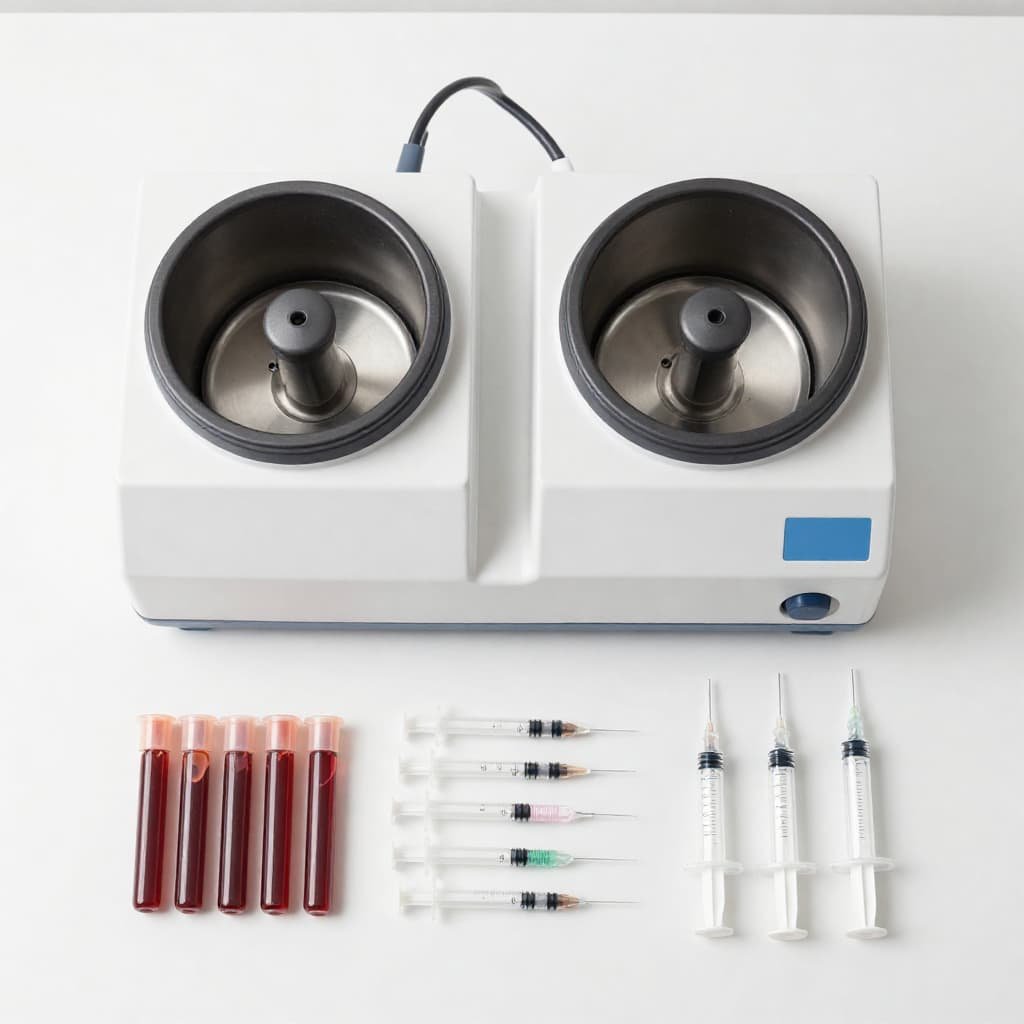
The P shot, also called the Priapus shot, is a non-surgical injectable treatment for men. It uses platelet-rich plasma, or PRP, taken from the patient’s own blood. A doctor draws a small blood sample from the arm. The sample goes into a centrifuge, which separates and concentrates the platelets. The doctor then injects this platelet-rich plasma into targeted areas of the penis using fine needles.
The treatment aims to support blood flow, tissue quality, and nerve sensitivity. Some websites also describe it as a penis shot or a penile injection for growth. The P shot uses only the patient’s own blood, with no synthetic drugs or implants involved. This distinguishes it from surgical enlargement procedures and from oral medications for erectile dysfunction.
Men typically seek this treatment for erectile dysfunction, reduced sensitivity, confidence concerns, or recovery after prostate surgery. A qualified doctor should always assess suitability first.
Understanding the P Shot UK Price in 2026
Anyone researching the P shot UK market will notice a wide price spread. Costs generally range from around £600 at smaller providers to over £2,500 at specialist clinics. This gap exists because clinics differ in practitioner qualifications, equipment, and included aftercare.
A single headline figure cannot capture the true value of a P shot treatment. Two clinics can quote very different prices and both be honest about what they offer. The difference lies in who performs the injection, what equipment processes the blood, and what support follows the appointment.
Typical UK Price Brackets
• Budget clinics: £600 to £900. These often use single-spin centrifuge processing. A doctor may not always perform the injection personally.
• Mid-range clinics: £900 to £1,200. These usually include a doctor-led injection and at least one follow-up appointment.
• Premium clinics: £1,200 to £2,500. These typically combine dual-spin PRP processing, doctor-only injection, and structured follow-up care over several weeks.
Clinics in central London generally sit at the higher end of this range. Higher property costs and stricter regulatory oversight both contribute to this difference.
What Affects Priapus Shot Price in the UK
Several factors explain why the priapus shot price varies so much between providers.
Practitioner Qualifications
The person performing the injection matters a great deal. A GMC-registered doctor carries direct clinical responsibility for the procedure. Non-medical aestheticians may offer the same treatment name at a lower price, but they cannot match the same level of medical accountability. Qualified medical oversight is not an optional extra — it is a core part of patient safety.
Centrifuge Technology and PRP Quality
Not all PRP is equal. Dual-spin centrifuge protocols concentrate platelets to a higher degree than basic single-spin methods. Clinics using validated, medical-grade equipment tend to charge more. This reflects genuine equipment and maintenance costs, not simply marketing.
Clinical Regulation and Location
CQC-regulated clinics undergo independent inspection for safety, hygiene, and governance. This regulatory oversight adds administrative cost but supports patient protection. Location plays a role too. A P shot London appointment tends to cost more than the same treatment offered in a smaller regional clinic, largely due to higher staffing and premises costs.
Package Inclusions and Aftercare
Some clinics price a single injection in isolation. Others include an initial consultation, follow-up reviews at several weeks, and access to complementary therapies such as shockwave treatment. Always check exactly what a quoted price includes before comparing two clinics directly.
Male Enlargement Injections Cost UK: How the P Shot Compares
Search interest around male enlargement injections cost UK often overlaps with searches for the P shot. It helps to separate the two clearly. Some providers market fillers or synthetic injectable products aimed primarily at increasing girth. The P-shot, by contrast, is a PRP-based regenerative treatment aimed primarily at function, sensitivity, and tissue quality, with any size-related change considered a secondary, variable effect rather than the primary goal.
Filler-based enlargement injections and PRP-based P-shot treatments differ in mechanism, evidence base, and risk profile. Filler procedures carry their own documented complications, including product migration and lump formation. PRP, because it uses the patient’s own blood, carries a very low risk of allergic reaction. Patients comparing male enlargement injections cost UK figures against P shot UK pricing should first confirm which category of treatment they are actually comparing, since the two are clinically distinct despite frequent overlap in marketing language.
P Shot London Compared With Other UK Regions
Prices for the P shot UK treatment vary noticeably by region. Clinics offering the Priapus shot London area, particularly around Harley Street and Marylebone, often charge more than clinics in the Midlands or the North of England. This partly reflects the concentration of specialist practitioners working in central London, alongside the higher running costs of operating a regulated clinic in this part of the city.
Geography alone should never be the deciding factor in this decision. A lower price in a regional clinic may still represent excellent value, provided the practitioner holds appropriate qualifications and the clinic meets recognised regulatory standards. Patients should weigh credentials and clinical governance alongside price, wherever the clinic is based.
Is a Cheaper P Shot Treatment a False Economy?
A low advertised price can sometimes hide gaps in training, equipment, or aftercare. Some lower-cost providers rely on non-medical staff or basic processing kits that yield a less concentrated platelet sample. This can affect both safety and the likely results.
Men comparing Pshot options should ask direct questions before booking. Who performs the injection? What centrifuge protocol does the clinic use? What follow-up care is included in the price? Price transparency protects patients from unexpected costs and disappointing outcomes later on.
What Does the Evidence Say About PRP and Erectile Function?
The P shot sits within a genuinely evolving area of medical research. The NHS does not currently list PRP injections among standard treatments for erectile dysfunction. Established NHS-recommended options include oral PDE5 inhibitors, vacuum erection devices, and, in some cases, penile injections of different medications. NICE has not issued specific technology guidance approving PRP for this indication.
Independent academic research shows more promising, though still limited, signals. A UK-published review noted that erectile dysfunction affects roughly one in five adult men across the country, which explains the strong ongoing interest in new treatment options. A 2025 meta-analysis pooling seven randomised controlled trials, covering several hundred patients, found that PRP injections produced measurable improvements in erectile function scores compared with placebo at three and six months. Separately, a systematic review covering over one thousand patients across erectile dysfunction and Peyronie’s disease studies reported small to moderate benefits with generally mild and short-lived side effects.
However, researchers across these reviews consistently flag the same limitations. Study protocols vary considerably in PRP preparation method, injection volume, and follow-up length. Sample sizes remain relatively small. The evidence base continues to grow, but reviewers stop short of recommending PRP as a first-line, guaranteed solution for erectile dysfunction. Patients should view the P shot as a regenerative option supported by emerging evidence, not as a guaranteed cure.
What Happens During a P Shot Treatment
A typical P shot treatment follows a structured process. The clinician takes a full medical history first and confirms that the treatment suits the patient’s situation. A topical numbing cream is applied to the treatment area. A small blood sample is then drawn from the arm using a sterile collection tube.
The sample goes into a centrifuge, which spins at high speed to separate the platelet-rich plasma from other blood components. The clinician then injects this concentrated plasma into several precise points using ultra-fine needles. The full appointment usually takes between thirty and forty-five minutes. Most patients resume normal daily activities immediately afterwards, though clinics typically advise a short period of abstinence from sexual activity.
P Shot Before and After: Realistic Timelines
Genuine P shot before and after accounts show gradual change rather than instant transformation. Growth factors in PRP work over several weeks, not days. In the first one to two weeks, the treated area typically settles, and some men notice mild sensitivity changes. Over the following weeks, growth factors continue supporting new blood vessel formation and nerve tissue repair.
Most men report improvements across three areas: erection quality, sensitivity, and general confidence. Some report modest changes in girth after repeat sessions, sometimes described online as penile injection growth. Results vary by age, baseline vascular health, and the underlying cause of symptoms. Men with primarily vascular erectile dysfunction tend to report the most consistent improvement.
It is worth treating online P-shot before and after material with some caution. Photographs and testimonials shared on clinic websites are rarely independently verified, and lighting, angle, and timing can all influence how a result appears. A cautious, evidence-led approach is more useful than relying on any single set of images when deciding whether treatment is right for you. Realistic expectations, set before treatment begins, lead to far greater patient satisfaction afterwards.
How to Choose a Safe and Qualified Provider

Choosing where to have a P shot treatment matters as much as deciding whether to have one at all. The General Medical Council recommends that practitioners performing injectable procedures hold appropriate medical training and work within regulated clinical settings. Before booking, check that:
• A GMC-registered doctor performs the injection personally.
• The clinic holds current CQC regulation.
• The clinic explains its centrifuge protocol and PRP preparation method clearly.
• Follow-up appointments are included and clearly scheduled.
• All costs are confirmed in writing before treatment begins.
One London provider offering this treatment is pshots clinic uk, a Harley Street clinic led by Dr Syed Nadeem Abbas, a GMC-registered doctor with an MSc in Aesthetic Plastic Surgery from Queen Mary University of London. Providers like this illustrate the level of medical qualification available within the regulated private sector.
Frequently Asked Questions
How much does the P shot cost in the UK?
Prices for the P shot in the UK typically range from £600 to over £2,500, depending on practitioner qualifications, equipment, clinic location, and included aftercare.
Is the P shot the same as male enlargement injections?
The P shot is a regenerative PRP treatment aimed at function and sensitivity. Some marketing describes similar procedures as male enlargement injections, but clinical evidence for enlargement specifically remains limited compared with evidence for functional improvement.
Does the NHS offer the P shot?
No. The NHS does not currently offer the P shot or Priapus shot as a standard treatment. Established NHS options for erectile dysfunction include oral medication, vacuum devices, and specialist referral where needed.
How many sessions does the P shot treatment usually require?
Many clinics recommend one session initially, with some patients opting for a repeat session after several months based on their response and goals.
Is the P shot painful?
A topical anaesthetic reduces discomfort during the procedure. Most patients describe mild, brief discomfort rather than significant pain.
How soon do results appear after treatment?
Change develops gradually over several weeks. Most men notice initial changes in sensitivity within the first month, with fuller effects continuing to develop over subsequent weeks.
Why do P shot UK prices vary so much between clinics?
Price differences mainly reflect practitioner qualifications, centrifuge technology, clinic regulation, and what aftercare a package includes. Two clinics offering the same treatment name can differ substantially in clinical standard.
Is the P shot suitable for every man?
No. Suitability depends on general health, medical history, and the likely cause of symptoms. Men with certain blood disorders or significant untreated vascular disease need careful assessment before proceeding. A detailed consultation should always precede any decision to treat.
Key takeaways
Cost remains one part of a much larger decision. The P shot UK market includes a wide range of providers, prices, and standards of care. A lower price does not automatically signal poor quality, and a higher price does not automatically guarantee a better outcome. What matters most is practitioner qualification, equipment standard, regulatory compliance, and honest communication about realistic results.
Current evidence supports PRP as a promising, evolving option for certain men with erectile dysfunction, though it is not yet an NHS-recommended standard treatment. Anyone considering this procedure should ask detailed questions, compare like with like, and prioritise safety over price alone.
Before booking a P shot treatment, ask yourself one question: Are you choosing a price, or are you choosing a properly qualified provider?
Read more: P Shot UK: What Impacts Price, What Should Be Included in a Quote, and Questions to Ask


