Is the P Shot UK Regulated? What Patients Need to Know About Safety

Most articles on the P shot UK begin with what the treatment does. This one starts where patients should start: with regulation, oversight, and safety standards.
The P shot — also known as the Priapus shot — uses platelet-rich plasma (PRP) derived from the patient’s own blood. The clinician injects it into penile tissue. Proponents cite benefits including improved erectile function and enhanced sensitivity. However, the regulatory environment surrounding this procedure in the United Kingdom is complex and often misunderstood by patients.
Before booking any appointment, patients must understand who regulates this treatment, what standards apply, and what the absence of formal product licensing means in practice. This article addresses all of these questions directly, drawing on NHS guidance, NICE evidence reviews, and peer-reviewed medical literature.
What Is the P Shot and How Is It Administered?
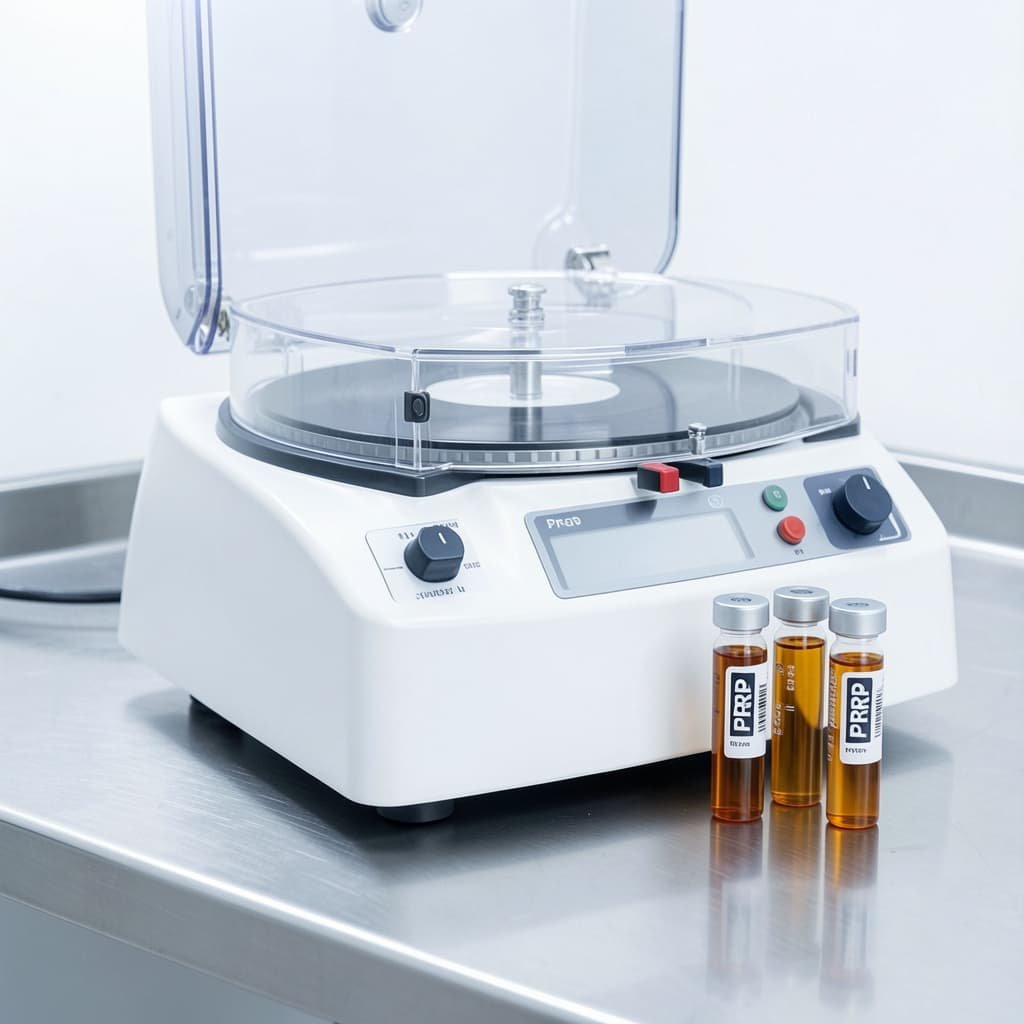
The P shot treatment is a regenerative procedure. A clinician draws a sample of the patient’s venous blood. The blood undergoes centrifugation to concentrate platelets and growth factors. The resulting PRP solution is then injected into targeted areas of the penis using a fine needle.
Growth factors within PRP — including platelet-derived growth factor (PDGF) and vascular endothelial growth factor (VEGF) — stimulate tissue regeneration, improve blood flow, and support neovascularisation. These mechanisms underpin its proposed role as a non-surgical treatment for erectile dysfunction in London and across the UK.
The procedure typically takes 45 to 60 minutes. Topical anaesthetic cream reduces discomfort. Patients generally return to normal activity the same day.
Is the P Shot UK Regulated?
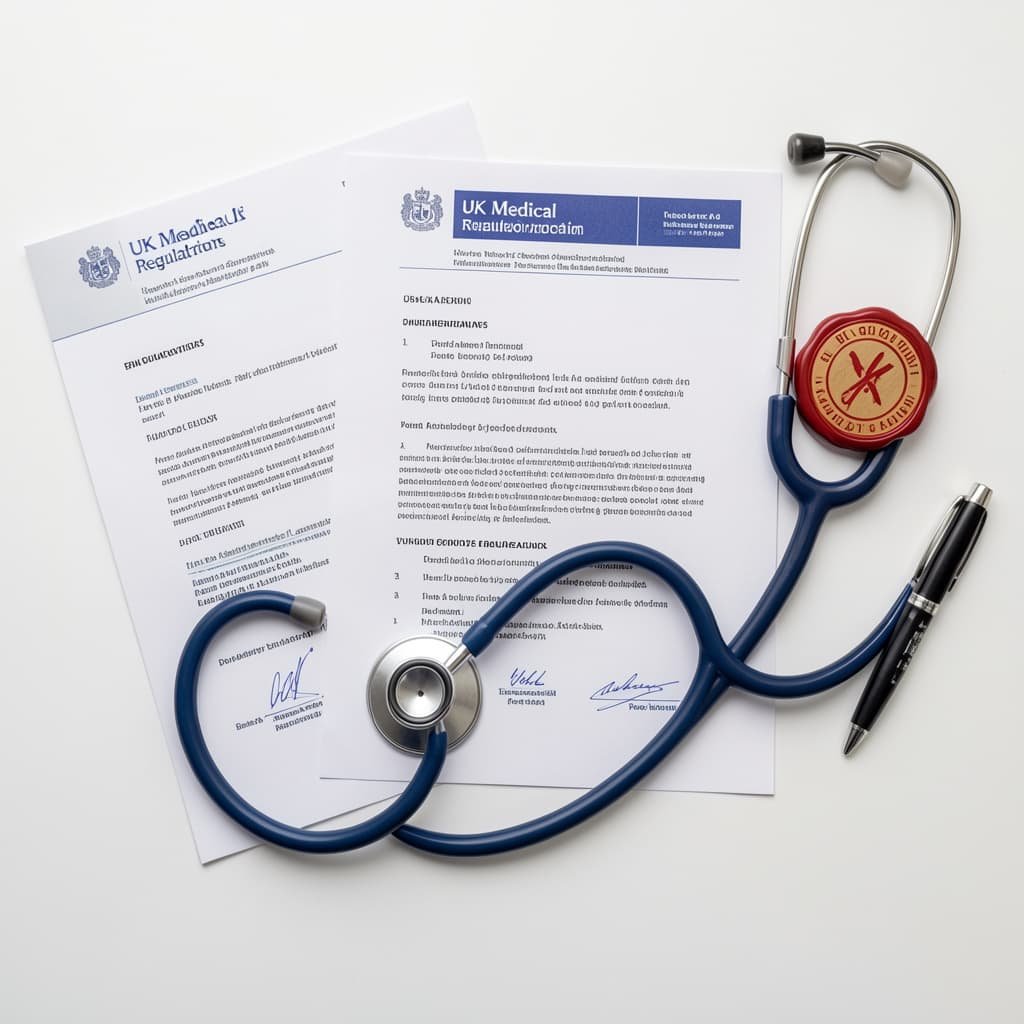
The P shot UK does not hold a product licence from the Medicines and Healthcare products Regulatory Agency (MHRA). PRP is not classified as a medicinal product in the UK. It is categorised as a human tissue-derived product when used autologously — meaning it comes from and returns to the same patient.
This is a critical distinction. It means the P shot is not regulated in the same way as a licensed pharmaceutical drug. However, this does not mean the procedure operates outside all regulatory frameworks.
Who Oversees PRP Procedures in the UK?
Several overlapping regulatory bodies govern practitioners and clinics offering P shot treatment in the UK:
The Care Quality Commission (CQC) regulates providers of healthcare services in England. Clinics offering surgical or invasive procedures — including injections — must be registered with the CQC and adhere to its fundamental standards of care. Patients should verify CQC registration before attending any clinic.
The Human Tissue Authority (HTA) regulates activities involving human tissue in the UK. Autologous PRP — blood taken from and returned to the same patient — falls outside the HTA’s licensing requirements. However, any clinic using allogeneic blood products (from another person) would require HTA oversight.
Professional Medical Regulators such as the General Medical Council (GMC), the Nursing and Midwifery Council (NMC), and the General Pharmaceutical Council (GPhC) regulate individual practitioners. A clinician offering P shot treatment should hold active registration with the relevant body.
The MHRA retains oversight of the centrifugation devices and kits used to prepare PRP. These devices must hold CE marking or UKCA marking to be legally marketed in Great Britain. The quality of the PRP produced depends significantly on the centrifuge system used.
What NICE Says About PRP for Erectile Dysfunction
The National Institute for Health and Care Excellence (NICE) has not issued a formal guideline specifically endorsing PRP injections for erectile dysfunction. NICE guidance on erectile dysfunction (NG226) focuses on pharmacological treatments, lifestyle modification, and vacuum erection devices as first-line interventions.
This does not mean PRP is contraindicated. NICE’s evidence base evolves continuously. The current absence of a NICE recommendation reflects a gap in large-scale randomised controlled trial data — not evidence of harm. Patients should understand this distinction clearly.
The Evidence Base for the Priapus Shot
What Peer-Reviewed Research Shows
Research into PRP-based regenerative therapy for ED is growing but remains in early stages. A 2020 systematic review published in Sexual Medicine Reviews examined available studies on PRP for erectile dysfunction. The review found preliminary evidence suggesting improved erectile function scores following PRP injections. However, the authors noted that most studies were small, lacked control groups, and used varying PRP preparation protocols.
A further study published in the Journal of Sexual Medicine (Epifanova et al., 2020) examined intracavernous PRP injections in men with vasculogenic erectile dysfunction. Participants reported statistically significant improvements in International Index of Erectile Function (IIEF-5) scores at 12-week follow-up.
The evidence supports cautious optimism. It does not support absolute claims of efficacy. Patients considering PRP-based regenerative therapy for ED should approach published outcomes with informed scepticism and request a full evidence discussion with their clinician.
P Shot Before and After — What the Data Actually Shows
Patients frequently search for P shot before and after outcomes online. Clinical photographs and patient testimonials circulate widely on social media. Patients must approach these with caution.
Published P shot before and after data from peer-reviewed sources is limited. Most reported outcomes come from patient satisfaction surveys or uncontrolled observational studies. Improvements in erectile rigidity, sensitivity, and — in some cases — penile dimensions have been reported. However, outcomes vary significantly between individuals.
Factors influencing P shot before and after results include baseline erectile function, vascular health, the quality of PRP preparation, injection technique, and the number of treatment sessions. A single treatment may not produce optimal results. Some protocols recommend two to three sessions spaced several weeks apart.
Patient Safety — What to Check Before Proceeding

Practitioner Qualifications
The P shot UK market is not uniformly regulated. Non-medically qualified individuals have offered injectable treatments in the UK with minimal oversight. The government commissioned the Keogh Review (2013) and subsequent Independent Review of Cosmetic Interventions (2023) specifically to address risks from unregulated aesthetic and injectable treatments.
Patients must confirm that the clinician performing a P shot holds:
- Full GMC registration (verifiable at the GMC website)
- Relevant postgraduate qualifications in aesthetic medicine, urology, or a related surgical discipline
- Evidence of formal training in PRP preparation and penile injection techniques
- Indemnity insurance for the specific procedure
Practitioners with backgrounds in general practice, surgery, or urology are better placed to manage complications and assess patient suitability than those without medical degrees.
Clinic Standards
Patients should confirm the clinic holds CQC registration. They should ask whether the PRP is prepared using a validated, UKCA-marked centrifuge system. They should also confirm the clinic follows infection control standards consistent with NHS guidelines.
The consultation process matters significantly. A reputable clinic will conduct a thorough medical history review, exclude contraindications, and obtain written informed consent. Patients with blood disorders, active infections, or certain medications (including anticoagulants) may not be suitable candidates.
Contraindications and Risk Profile
The P shot carries a low but real risk profile. Documented adverse events in the literature include:
- Temporary bruising or swelling at the injection site
- Mild discomfort during or after injection
- Haematoma formation (rare)
- Infection (rare, typically associated with poor sterile technique)
- No clinically significant improvement (common in cases with severe vascular disease)
Serious complications are rare when the procedure is performed by a qualified clinician in a clinical setting. The risk profile compares favourably with surgical alternatives for erectile dysfunction. Nonetheless, patients should receive a full risk disclosure before proceeding.
How Does the P Shot Compare to Other ED Treatments?
Pharmacological Options
Phosphodiesterase-5 (PDE5) inhibitors — including sildenafil (Viagra) and tadalafil (Cialis) — remain the first-line medical treatment for erectile dysfunction according to NICE guidance. These are MHRA-licensed, evidence-backed, and available via NHS prescription where clinically indicated.
The P shot does not replace pharmacological options. It is typically considered when pharmacological treatments have failed, are contraindicated, or when patients prefer a non-pharmaceutical approach. Some patients use P shot treatment alongside PDE5 inhibitors under medical supervision.
Surgical Interventions
Penile prosthesis implantation remains the most effective surgical intervention for refractory erectile dysfunction. It carries significant surgical risks and requires general anaesthesia. The P shot occupies a distinct clinical space — it is a minimally invasive, regenerative option for patients who are not surgical candidates or who wish to exhaust non-surgical options first.
Other Regenerative Approaches
Low-intensity shockwave therapy (Li-SWT) is another non-surgical treatment for erectile dysfunction in London and across the UK. Like PRP, it stimulates tissue regeneration. Both modalities are under active clinical investigation. Some protocols combine Li-SWT with PRP injections for synergistic effect, though evidence for combination approaches remains preliminary.
The Cost of P Shot Treatment in the UK
What Patients Should Expect to Pay
The priapus shot price in the UK varies considerably depending on the clinic, practitioner qualifications, geographic location, and the number of sessions included in the treatment protocol.

In London, the P shot London price typically ranges from £800 to £2,500 per session. Male enlargement injections cost UK-wide tend to be lower outside London. Multi-session packages may reduce the per-session cost.
Patients should be wary of significantly discounted pricing. Low cost may reflect reduced practitioner qualifications, cheaper PRP preparation kits, or lower clinical standards. The priapus shot price should reflect the quality of the entire clinical pathway — not simply the injection itself.
The NHS does not fund P shot treatment. It is available exclusively through private providers. Patients should request a fully itemised cost breakdown at consultation.
What Patients Should Ask at Consultation
Before proceeding with any P shot UK appointment, patients should ask the following:
Clinician Qualifications :
- What medical qualifications do you hold?
- Are you registered with the GMC or equivalent regulatory body?
- How many P shot procedures have you performed?
- What training have you undertaken in PRP preparation and penile injection?
Procedure Standards:
- Which centrifuge system do you use, and is it UKCA-marked?
- What is the platelet concentration typically achieved?
- How many sessions do you recommend for my specific presentation?
- What outcomes can I realistically expect?
Safety Assurance:
- What are the contraindications and have you reviewed my full medical history?
- What is your protocol if I experience a complication?
- Do you have access to emergency medical support if required?
The Regulatory Reform Landscape
The UK government has committed to strengthening the regulation of non-surgical cosmetic procedures. The Health and Care Act 2022 created powers to introduce a licensing regime for certain aesthetic procedures. The government subsequently confirmed in 2023 that a mandatory licensing scheme would apply to procedures including injectable treatments.
Under these reforms, practitioners offering injectable treatments — which would include penile injections — will require a licence to practice. This represents a significant step towards greater patient protection.
Patients seeking treatment currently should not assume that existing regulatory gaps imply safety. They should apply the same scrutiny to practitioner qualifications and clinic standards that any regulated procedure would demand.
pshots.co.uk and Clinical Governance
Dr Syed Nadeem Abbas at P shots clinic UK — a Harley Street-based clinic in Marylebone, London — offers P shot treatment under a medically supervised protocol. Dr Abbas holds qualifications including MBBS, MRCS (RCS Edinburgh), MRCGP, and an MSc in Aesthetic Plastic Surgery with Distinction from Queen Mary University London, with training at Cambridge, Oxford, and the Royal London Hospital. His clinical background exemplifies the standard of medical governance patients should seek when considering this procedure.
Frequently Asked Questions (FAQ)
Is the P shot legal in the UK?
Yes. The P shot is legal in the UK. It uses the patient’s own blood and is not classified as a medicinal product requiring MHRA licensing. However, the procedure should only be performed by registered medical professionals in CQC-registered premises.
Does the NHS offer the P shot?
No. The P shot is not available on the NHS. It is offered exclusively through private clinics. NHS treatment for erectile dysfunction focuses on PDE5 inhibitors, psychosexual therapy, and — in refractory cases — surgical implants.
How many sessions does the P shot require?
This varies. Some patients report improvement after a single session. Many protocols recommend two to three sessions for optimal outcomes. The treating clinician should tailor the protocol to individual clinical presentation.
Is penile injection growth permanent?
Reported changes in penile dimensions following penile injection growth protocols are typically modest and may not be permanent. The primary clinical application of PRP injections is improvement in erectile function and sensitivity — not structural enlargement. Patients should have realistic expectations clearly established at consultation.
What is the difference between a P shot and a P-shot?
There is no clinical difference. “P shot” and “P-shot” refer to the same procedure. Both terms describe the Priapus shot — a PRP-based injection used as a regenerative treatment for male health in the UK.
Can I combine the P shot with other ED treatments?
In some cases, yes. Combination approaches using P shot treatment alongside Li-SWT or PDE5 inhibitors are used in clinical practice. Patients should discuss combination protocols with their clinician. Not all combinations are appropriate for all patients.
Are P shot results visible immediately?
No. PRP stimulates a biological regenerative process. Results typically develop over four to twelve weeks as growth factors promote tissue repair and angiogenesis. Patients should not expect immediate post-procedure results comparable to pharmaceutical interventions.
Conclusion: Informed Decision-Making in an Uneven Regulatory Environment
The P shot UK occupies a specific position within the regulatory landscape. It is legal, minimally invasive, and supported by preliminary — if not yet conclusive — clinical evidence. It is not, however, a uniformly regulated procedure in the way that licensed pharmaceutical treatments are. This places significant responsibility on patients to scrutinise practitioners, clinics, and clinical protocols before proceeding.
The evidence base for advanced PRP solution for erectile dysfunction continues to develop. Larger, better-controlled studies are needed. Regulatory reforms already underway in the UK will likely improve patient protection in the coming years. In the interim, patients must apply rigorous due diligence.
The core questions remain consistent: Does the practitioner hold GMC registration and appropriate qualifications? Does the clinic maintain CQC registration? Does the PRP preparation system demonstrate clinical validation? Are realistic, evidence-based outcomes communicated at consultation?
Patients who approach this treatment with those questions answered are far better positioned to make genuinely informed decisions.
The broader question worth considering is this: in an era of rapidly evolving regenerative medicine, how should patients balance access to emerging treatments with the caution that an incomplete evidence base demands?
Read more: Understanding the Priapus Shot in London: A Game-Changer for Men’s Sexual Health
P Shot London: How to Choose a Safe Clinic and What to Expect at Your Consultation