Understanding the Priapus Shot in London: A Game-Changer for Men's Sexual Health

Mark, a 48-year-old marketing director from North London, had spent the better part of two years quietly navigating what many men his age face but few discuss openly. He was otherwise fit, professionally successful, and in a committed relationship — yet progressive difficulties with erectile function and a noticeable reduction in sensitivity had begun to erode his confidence in ways that no gym session or career win could remedy. His GP had offered medication. He had tried it, found the side effects intrusive, and was left wondering whether anything else existed. A colleague’s offhand mention of the Priapus Shot London led him to his first consultation, and within six months, both he and his partner described a meaningful change in their quality of life.
Mark’s story is far from unique. Across the United Kingdom, men are increasingly seeking evidence-informed, minimally invasive options that address the root causes of sexual dysfunction rather than simply managing its symptoms. The Priapus Shot — more commonly referred to as the P Shot — has emerged as one of the more scientifically grounded options in this growing field.
This article provides a comprehensive, clinically informed overview of what the P Shot treatment involves, how it works, who it is suitable for, and what the current evidence suggests about its efficacy and safety.
What Is the Priapus Shot?
The Priapus Shot — named after the Greek god of fertility — is a non-surgical, autologous treatment that uses platelet-rich plasma (PRP) derived from the patient’s own blood. It is injected into specific anatomical regions of the penis to stimulate tissue regeneration, improve vascular function, and enhance nerve sensitivity.
The procedure was developed in the United States by Dr Charles Runels, who also developed the O-Shot for women, and has since been adopted by clinicians across Europe, including a growing number of practitioners in London. As interest in regenerative medicine has expanded, so too has the body of literature exploring PRP’s applications in urology and sexual medicine.
At its core, the Priapus Shot represents a convergence of two established medical fields: platelet-rich plasma therapy, which has been used for decades in orthopaedics and wound healing, and sexual medicine, where there remains significant unmet clinical need.
How Does the P Shot Work?
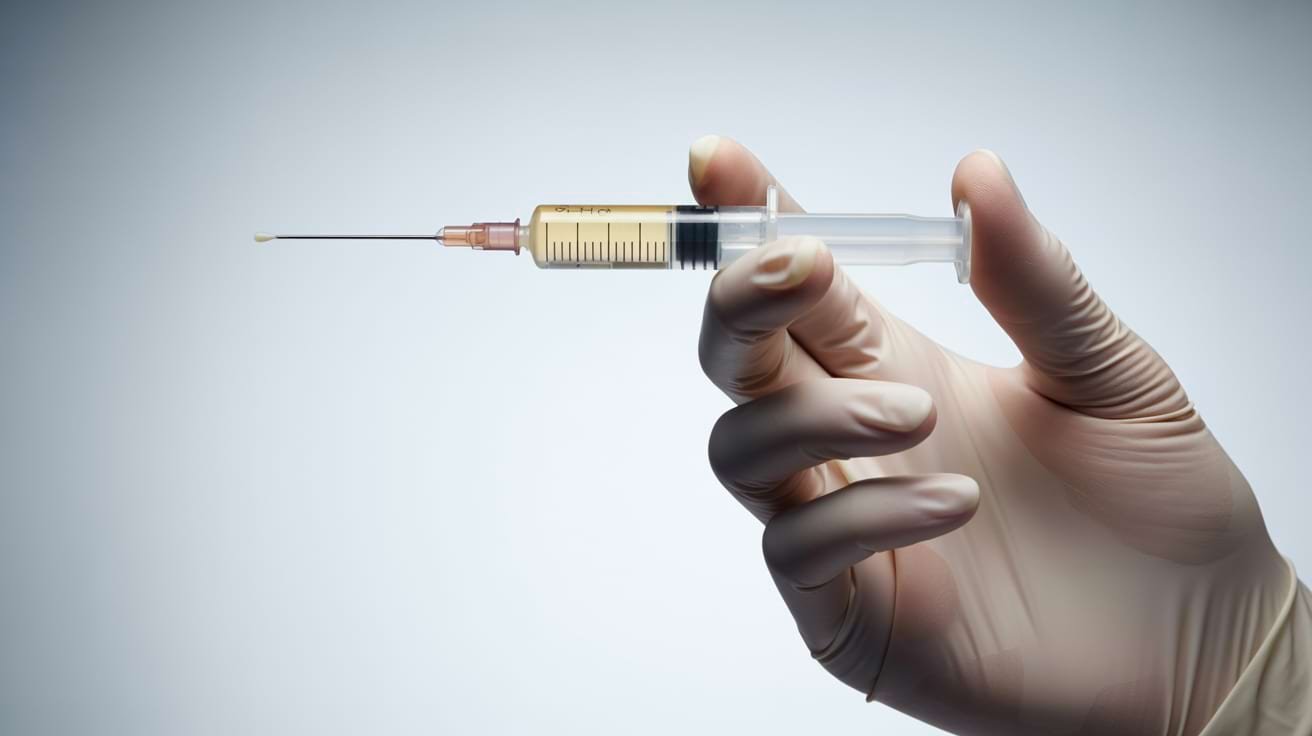
Step 1: Blood Draw and PRP Preparation
The procedure begins with a routine blood draw, typically from the arm. The collected blood is then placed in a centrifuge — a device that spins at high speed to separate its components. This process isolates platelet-rich plasma, which contains a concentrated supply of growth factors including platelet-derived growth factor (PDGF), transforming growth factor-beta (TGF-β), vascular endothelial growth factor (VEGF), and insulin-like growth factor (IGF-1).
These growth factors play a central role in cellular repair, angiogenesis (the formation of new blood vessels), and the stimulation of collagen production. By concentrating them in a PRP preparation, clinicians can deliver a potent regenerative signal directly to target tissue.
Step 2: Preparation of the Treatment Site
A topical anaesthetic cream is applied to the treatment area well in advance of the injection. This significantly reduces discomfort. Most patients report that the procedure is more tolerable than anticipated, and the majority return to routine activity on the same day.
Step 3: The Injection Itself
The PRP is injected into the corpus cavernosum — the erectile tissue that fills with blood during arousal — as well as the glans (head) of the penis. The entire in-clinic procedure typically takes between 30 and 60 minutes from blood draw to completion.
The growth factors released from the injected PRP then trigger a cascade of regenerative activity over the following weeks, stimulating the growth of new tissue, improving blood flow, and promoting healthier nerve function.
What Conditions Can the P Shot Address?

Erectile Dysfunction
Erectile dysfunction (ED) affects an estimated one in five men in the UK, according to figures cited by the NHS, with prevalence increasing significantly after the age of 40. While phosphodiesterase-5 (PDE5) inhibitors such as sildenafil and tadalafil remain the standard pharmacological first-line treatment, they are contraindicated in certain patient groups and do not address the underlying pathophysiology in conditions such as Peyronie’s disease or post-prostatectomy ED.
The P Shot offers an alternative or adjunctive approach, targeting the vascular and neurological mechanisms that underpin erectile function. Several peer-reviewed studies have reported improvements in erectile function scores following PRP injection therapy, and while larger randomised controlled trials are still needed to establish definitive clinical guidance, early findings are promising.
Peyronie’s Disease
Peyronie’s disease, characterised by fibrous scar tissue (plaque) forming within the penis and causing curvature, pain, and potential erectile impairment, represents an area of particular clinical interest. Early research suggests that PRP injections may help soften existing plaque, reduce penile curvature, and alleviate associated discomfort, though patients should be advised that results vary and the evidence base remains developing.
Reduced Sensitivity and Sexual Confidence
Beyond frank erectile dysfunction, many men report a gradual reduction in penile sensitivity as they age — a phenomenon linked to changes in vascular supply and nerve function. The P Shot treatment aims to address this through tissue regeneration, with a number of patients reporting enhanced sensation, improved arousal responsiveness, and greater overall sexual satisfaction following treatment.
It is worth noting that the psychological dimension of sexual health is substantial. The relationship between erectile difficulties and mental health — including depression, anxiety, and reduced relationship satisfaction — is well documented. A treatment that restores physical function often produces a meaningful secondary benefit in terms of confidence and emotional wellbeing.
Penile Enlargement
Some men enquire about the P Shot specifically in the context of penile enlargement. While the procedure is not a surgical enlargement technique and should not be marketed as such, some patients do report modest increases in girth and improved engorgement following treatment. This is thought to result from improved blood flow and tissue remodelling rather than direct augmentation. Clinicians are careful to set realistic expectations, and reputable providers will always prioritise clinical appropriateness over cosmetic demand.
What Does the Evidence Say?

Regenerative medicine — and PRP therapy in particular — occupies an interesting position in the evidence landscape. The foundational mechanisms are well understood and supported by decades of research across multiple medical specialities. The clinical application to erectile dysfunction and penile health is, however, a more recently explored area, and the evidence base is still maturing.
A 2021 systematic review published in Sexual Medicine Reviews examined multiple studies on PRP for erectile dysfunction and concluded that the available evidence, whilst preliminary, was broadly supportive of further investigation. The authors noted improvements in International Index of Erectile Function (IIEF) scores across several trials, with a favourable safety profile consistent with other PRP applications.
The National Institute for Health and Care Excellence (NICE) has not yet issued specific guidance on PRP for erectile dysfunction, reflecting the early stage of the evidence base rather than any established concern about safety. The procedure uses autologous material — the patient’s own blood — which significantly mitigates the risk of adverse immune reactions or infection.
Practitioners operating within established clinical governance frameworks will conduct thorough consultations, take a full medical history, and ensure that patients are appropriate candidates before proceeding. This due diligence is as important as the procedure itself.
P Shot London: What to Expect from a Consultation
Men considering the P Shot in London should approach their consultation in the same way they would any medical procedure — with questions prepared, realistic expectations established, and an openness to clinical guidance.
A thorough consultation will typically include a discussion of presenting symptoms, relevant medical history (including cardiovascular health, diabetes, hormonal status, and any prior urological conditions), current medications, and lifestyle factors. The clinician will then assess suitability and outline the realistic outcomes based on the individual’s clinical profile.
Patients should be wary of providers who offer the treatment without a proper consultation or who make guarantees of specific outcomes. In the United Kingdom, aesthetic and regenerative treatments of this nature should be provided by practitioners with appropriate medical qualifications and clinical governance in place.
At pshots.co.uk, consultations are led by Dr Syed Nadeem Abbas (MBBS, MRCS RCS Edinburgh, MRCGP, MSc Aesthetic Plastic Surgery with Distinction — Queen Mary University London), a clinician trained at Cambridge, Oxford, and the Royal London Hospital, whose background spans both general practice and advanced aesthetic medicine.
P Shot Before and After: What Results Are Realistic?
Men exploring P shot before and after accounts will find a wide range of reported experiences, and it is important to contextualise these appropriately. Results depend significantly on the underlying cause of the presenting symptoms, the patient’s age and general vascular health, and how many treatment sessions are undertaken.
Many patients report the most notable improvements in the weeks following treatment, as the regenerative cascade initiated by growth factors takes effect. Common reported outcomes include:
— Improved erectile firmness and reliability
— Enhanced penile sensitivity
— Reduced recovery time between sexual episodes
— Increased confidence in sexual performance
— Some patients note modest improvements in girth during erection
It is equally important to be transparent about limitations. The P Shot is not a cure for erectile dysfunction with a hormonal or psychological primary aetiology, and it is not a substitute for addressing underlying conditions such as hypogonadism or cardiovascular disease. The best outcomes are typically seen in patients who approach the treatment as part of a broader commitment to sexual health and general wellbeing.
Priapus Shot Price: Understanding the Investment
Patients researching Priapus Shot price in the UK will find considerable variation across providers, with costs generally ranging from £1500 to £2,500 or more per session depending on the clinic’s location, the practitioner’s qualifications, and the scope of the consultation and follow-up care included.
As with all private medical procedures, cost should be considered in context. The male enlargement injections cost UK market has expanded rapidly in recent years, and not all providers operate to the same clinical standard. Choosing a practitioner based primarily on price rather than qualification and clinical governance carries real risk.
The procedure is not available on the NHS and is classified as an elective private treatment. Some patients complete a single session and maintain satisfactory results; others opt for a series of two or three treatments spaced several months apart. A reputable clinic will discuss this openly during consultation rather than defaulting to a multi-session package without clinical justification.
Is the P Shot Safe?
The P Shot’s safety profile is one of its most consistently cited strengths. Because the PRP used is derived from the patient’s own blood, the risk of allergic reaction, immune response, or disease transmission is effectively eliminated. Bruising, mild swelling, and temporary sensitivity at the injection site are the most commonly reported side effects, and these typically resolve within a few days.
Serious adverse events are rare in the published literature, particularly when the procedure is performed by an experienced clinician using appropriate technique. As with any injectable treatment, the skill and training of the practitioner matters enormously. The penis is a highly vascularised structure, and the procedure should only be undertaken by those with a thorough understanding of the relevant anatomy.
It is also worth noting that penile injection growth treatments — including PRP — should always be preceded by a full clinical assessment. Men with bleeding disorders, those on anticoagulant therapy, or those with active penile infections should not undergo the procedure without specialist advice.

A Meaningful Option in a Developing Field
The Priapus Shot represents a genuinely interesting development in the landscape of men’s sexual health treatment. It draws on established science — PRP therapy is not new — and applies it to an area where the clinical need is significant, the existing options are limited, and the appetite for minimally invasive alternatives is growing.
It is not a panacea, and no responsible clinician will present it as one. The evidence base is developing, and men considering the P Shot UK should approach it with informed expectations rather than the certainty of a guaranteed outcome. What the available evidence does suggest, however, is that for appropriately selected patients — particularly those with vascular-origin erectile dysfunction or age-related decline in function — the treatment offers a meaningful, low-risk option that pharmacological alternatives cannot fully replicate.
For men like Mark, the value extends beyond the physical. Regaining reliable sexual function restores a dimension of intimacy, spontaneity, and self-assurance that medication alone rarely provides. In that context, the P-shot occupies a legitimate and increasingly well-evidenced place in modern men’s health medicine.
As with all medical decisions, the starting point is a thorough, honest consultation with a qualified practitioner who takes the time to understand your individual clinical picture. That conversation, more than any treatment itself, is the foundation of a genuinely good outcome.
Read more: Breaking the Silence: How the P Shot in London Can Help Men Overcome Erectile Dysfunction
P Shot London: How to Choose a Safe Clinic and What to Expect at Your Consultation