P Shot vs Penis Pump: Is a Pump Still Required After Treatment?

✅ Medically reviewed | Updated July 2026
Men researching non-surgical options for sexual health often come across two distinct approaches: injectable regenerative therapy and mechanical vacuum devices. The comparison between P shot vs penis pump treatment has become increasingly common as interest grows in non-surgical solutions for erectile function and penile wellbeing. Both approaches aim to influence blood flow and tissue response, yet both work through fundamentally different mechanisms. One introduces platelet-rich plasma directly into penile tissue. The other applies negative pressure to draw blood into the shaft. Understanding how each method functions, and whether one still requires the other afterwards, matters for anyone weighing treatment options. Interest in this comparison has grown alongside wider public awareness of regenerative medicine and non-surgical procedures across the United Kingdom. This article sets out the clinical basis for the comparison, reviews the available evidence, and clarifies whether a pump remains necessary once P shot treatment has taken place.
Understanding the P-Shot: Mechanism and Purpose
What the P Shot Involves
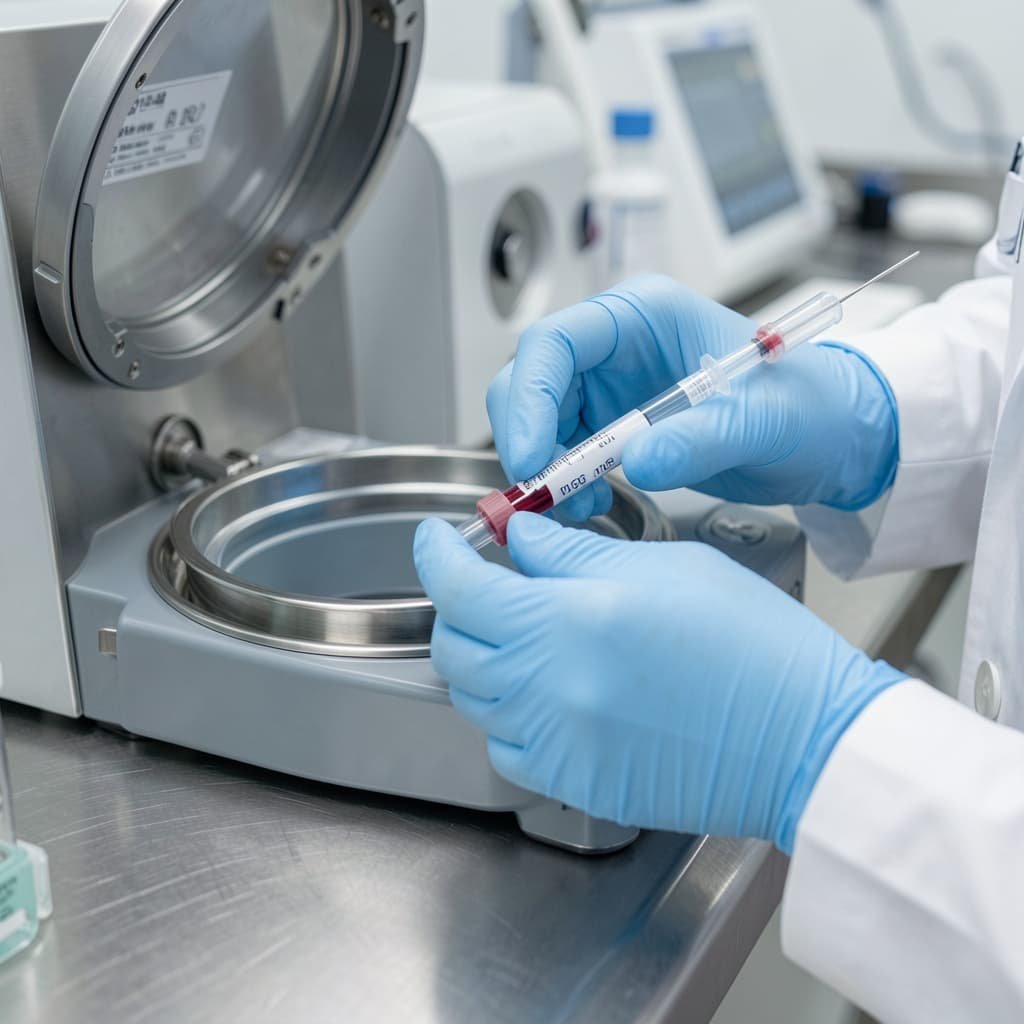
The P shot, widely known as the Priapus shot, is a non-surgical injectable treatment. It uses platelet-rich plasma (PRP) extracted from a patient’s own blood. A clinician draws a small blood sample, then processes it in a centrifuge to concentrate platelets. The resulting PRP solution contains growth factors associated with tissue repair. During a P shot treatment session, the clinician injects this solution into specific areas of the penis. Providers commonly use the term p injection to describe this delivery method. Clinics marketing the procedure sometimes shorten the name to Pshot, though the underlying protocol remains the same. The term penis shot also appears in patient enquiries and refers to the same PRP-based procedure.
Penile Injection Growth and Tissue Response
Platelet-rich plasma contains proteins that trigger cellular signalling pathways. This process, described in clinical marketing as penile injection growth, aims to encourage new blood vessel formation and collagen production. Growth factors within PRP include platelet-derived growth factor and vascular endothelial growth factor. Peer-reviewed literature suggests these factors support tissue regeneration in several clinical contexts, including orthopaedic and dermatological applications. Evidence specific to penile tissue remains limited in scale, and larger controlled trials are needed before firm conclusions can be drawn about long-term efficacy.
Understanding Penis Pumps: Mechanism and Purpose
Vacuum Erection Devices Explained
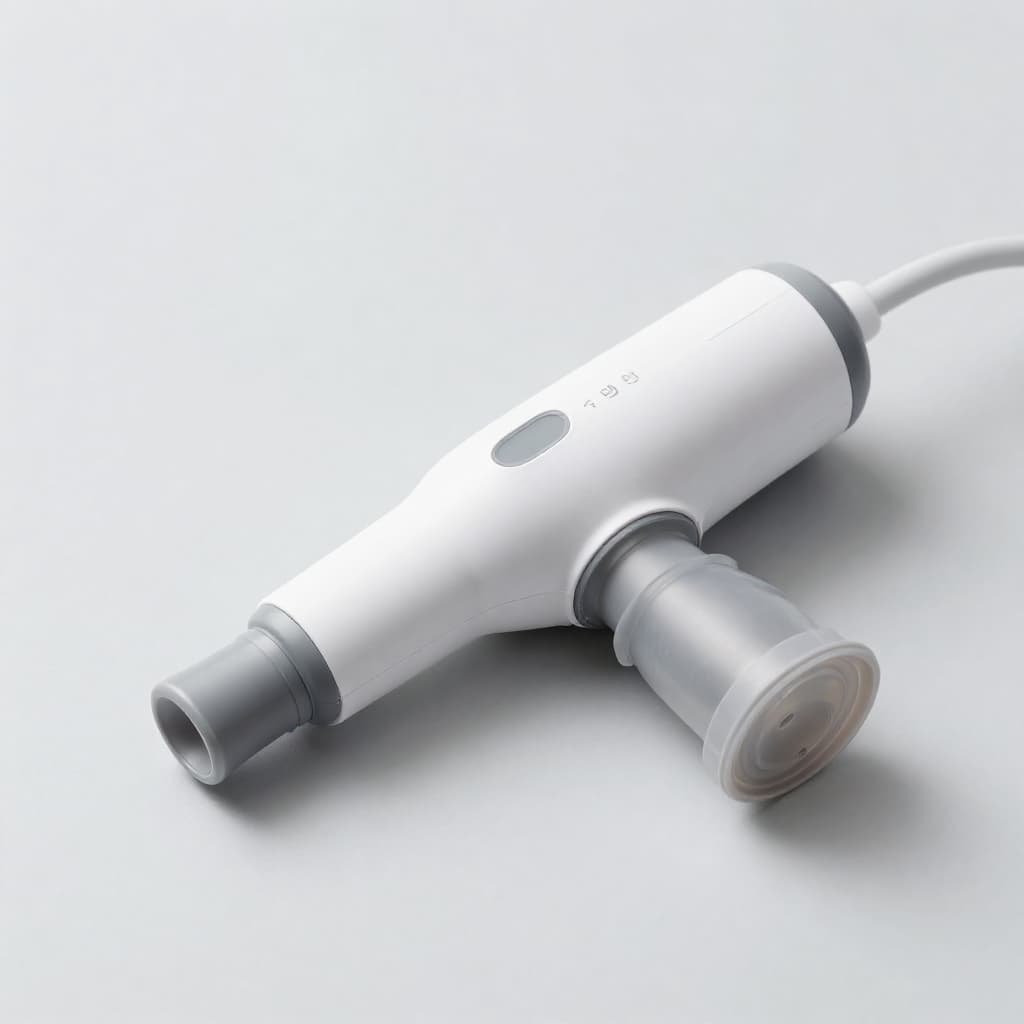
A penis pump, formally known as a vacuum erection device, works through negative pressure rather than injection. The device consists of a cylinder placed over the penis and a manual or battery-operated pump mechanism. Air is withdrawn from the cylinder, creating a vacuum. This vacuum draws blood into penile tissue, producing an erection. A constriction ring is then placed at the base of the penis to maintain blood flow temporarily.
Clinical Uses of Penis Pumps
NHS guidance recognises vacuum erection devices as a recognised treatment option for erectile dysfunction. Clinicians often prescribe pumps alongside, or instead of, oral medication. A pump does not alter the underlying structure of penile tissue. It provides a temporary mechanical erection rather than a lasting physiological change. Urology guidance referenced by NICE also supports pump use for penile rehabilitation following prostate surgery, where blood flow to the area is temporarily reduced.
P Shot vs Penis Pump: Key Differences
Mechanism of Action
The central distinction in the P shot vs penis pump comparison lies in mechanism. The P shot introduces biological material intended to encourage tissue-level change over several weeks. A penis pump produces an immediate but temporary mechanical erection through vacuum pressure. One approach works internally, at a cellular level. The other works externally, through applied physical force.
Duration of Effect
Effects from a P shot treatment develop gradually rather than immediately. Clinics typically report visible changes over four to six weeks as tissue responds to growth factors contained in PRP. A penis pump produces an erection that lasts only as long as the constriction ring remains in place, usually around thirty minutes. This makes the P shot vs penis pump timeline fundamentally different in both onset and duration.
Evidence Base
Vacuum erection devices have a longer clinical history and a more established body of supporting data for erectile dysfunction. The P shot, although increasingly popular, has a smaller volume of peer-reviewed evidence behind it. Existing studies are often small in scale or lack placebo-controlled design. Clinicians should present this evidence gap clearly when discussing either option with a patient, so that any decision reflects the current strength of clinical data rather than promotional interest.
Do Patients Still Need a Pump After the P Shot?
Combined Use in Clinical Practice
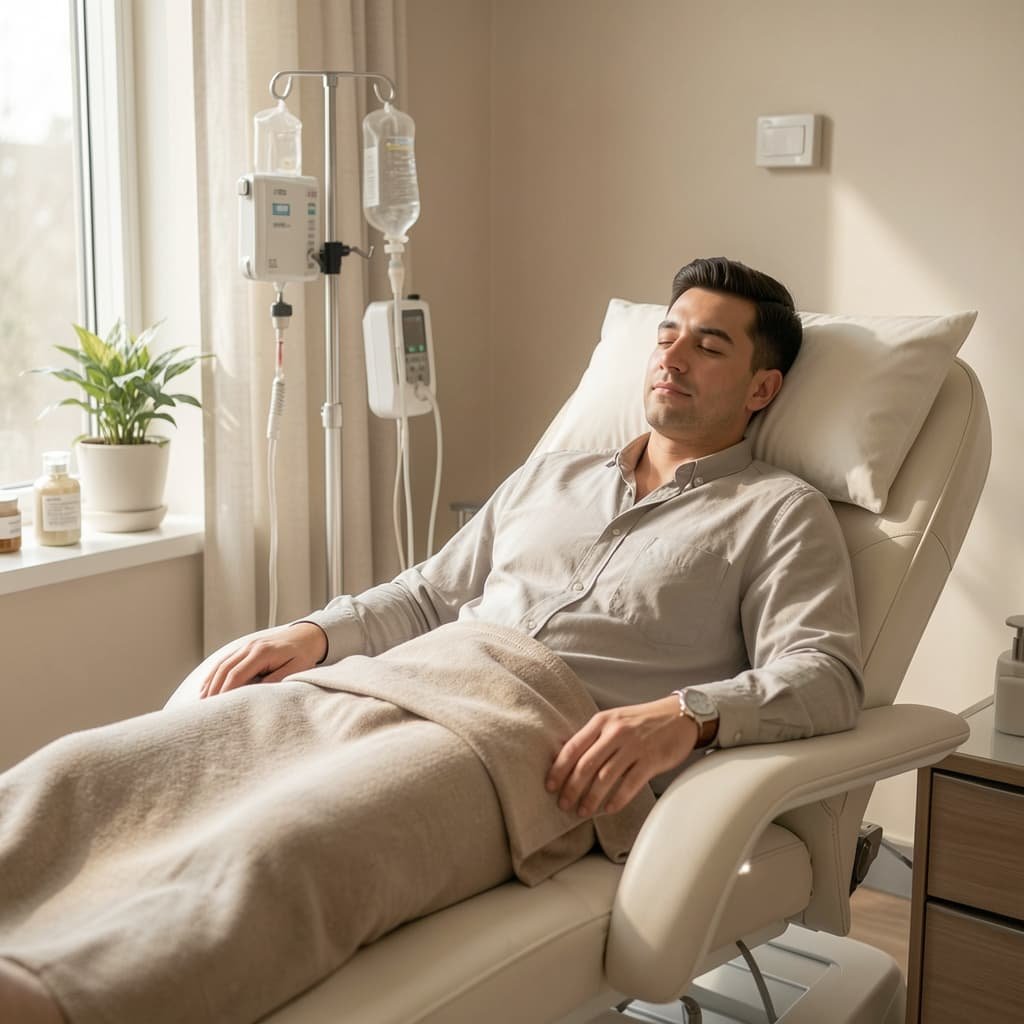
Some clinics recommend short-term use of a vacuum erection device alongside P shot treatment during the initial recovery period. This recommendation is unrelated to correcting a failed procedure. Mild swelling can occur after injection, and gentle pump use may support local circulation during early healing. This is not a universal protocol across all providers, and individual clinical guidance should always take priority.
When a Pump May Still Be Recommended
Men with underlying vascular erectile dysfunction may continue to benefit from pump use regardless of P shot treatment. The P shot primarily addresses tissue quality and sensation rather than the vascular disease that often underlies erectile dysfunction. For this reason, the P shot vs penis pump question is not always an either-or decision in clinical practice. Underlying health conditions, including diabetes and cardiovascular disease, continue to influence long-term erectile function independently of either treatment chosen.
Practical Considerations for Combined Use
Patients using both approaches should follow clinician guidance on timing and frequency. Pump use immediately after injection should remain gentle, avoiding excessive suction pressure. A structured aftercare plan reduces the likelihood of bruising or discomfort during the healing window. Clinics typically advise avoiding strenuous sexual activity for a short period following injection, allowing the injected area time to settle before mechanical devices are reintroduced. Written aftercare instructions, provided at the time of treatment, remain the most reliable source of guidance for individual recovery timelines.
Cost Considerations: P Shot Price vs Pump Devices
Priapus shot price varies between clinics across the UK, reflecting differences in PRP preparation methods, clinician experience, and aftercare provision. Male enlargement injections cost UK-wide typically sit within a defined private treatment bracket, though exact figures should always be confirmed directly with a registered clinic rather than estimated from general advertising. Vacuum erection devices represent a lower one-off cost compared with injectable treatment, although pumps may require replacement over time and do not address tissue-level concerns. When comparing P shot vs penis pump costs, patients should weigh the difference between an occasional injectable procedure and an ongoing device-based approach with recurring use.
Safety and Limitations
Both approaches carry safety considerations that should be discussed before treatment begins. A P shot treatment uses autologous blood products, which lowers the risk of allergic reaction compared with synthetic fillers. Bruising, swelling, and temporary discomfort can occur at the injection site. A penis pump carries a risk of bruising, numbness, or petechiae if used incorrectly or for extended periods beyond recommended guidance. Neither treatment is licensed as a permanent enlargement solution, and clinics should avoid presenting either option as guaranteed or universally effective. Any discussion of these two treatments should always include a clear, balanced explanation of these limitations rather than an emphasis on potential benefits alone. Patients with bleeding disorders, active infection at the injection site, or uncontrolled cardiovascular disease should be assessed carefully before either treatment proceeds.
Realistic Outcomes and Expectations
P shot before and after documentation, where available, typically shows subtle changes in girth, skin texture, or sensation rather than dramatic transformation. P-shot before and after comparisons should be interpreted cautiously, since individual response varies considerably between patients. Photographic evidence provided by clinics should be viewed as illustrative rather than a guarantee of outcome. Setting realistic expectations remains essential when evaluating P shot vs penis pump options. No regenerative or mechanical treatment eliminates underlying medical causes of erectile dysfunction, and both should be positioned as supportive rather than curative measures.
Regulatory Standards and Clinical Governance in the UK
Private clinics offering injectable regenerative treatments in the UK operate under a framework of professional regulation. Registered medical practitioners performing these procedures should hold relevant qualifications and remain accountable to the General Medical Council. Clinics providing PRP-based treatment should follow infection control standards consistent with wider NHS clinical governance principles, including sterile preparation of blood products and appropriate storage of PRP kits. Vacuum erection devices supplied for medical use should meet UK medical device regulations, and patients should avoid unregulated devices purchased without clinical guidance.
Why Regulation Matters for Patients
Regulatory oversight reduces the risk of substandard practice in a treatment area that remains loosely defined by marketing terminology rather than strict clinical classification. Patients comparing providers should ask about training, insurance cover, and whether PRP preparation takes place on-site under appropriate clinical conditions. This is particularly relevant given the range of providers now advertising P shot treatment across the UK, with variable levels of clinical experience.
Choosing Between the Two Approaches

Factors Influencing Suitability
Suitability depends on the underlying concern being addressed. Vascular-related erectile difficulty may respond more consistently to a vacuum erection device, supported by established clinical data. Concerns related to tissue quality, sensation, or minor curvature may prompt greater interest in P shot treatment, despite its smaller evidence base. A thorough medical history, including cardiovascular risk factors and previous surgery, should guide any recommendation.
Role of Professional Consultation
A consultation with a qualified clinician remains the appropriate first step before choosing between these treatments. Mr Syed Nadeem Abbas, a Harley Street clinician in London, has noted that treatment planning should reflect individual anatomy, medical history, and realistic goals rather than promotional claims. Patients researching P shot London or wider P shot UK options should verify practitioner qualifications and clinical registration before proceeding. A P shot London provider registered with the Care Quality Commission, or an equivalent regulatory body, offers an added layer of accountability. For further information on treatment protocols, visit the official website.
Frequently Asked Questions
Is a penis pump necessary after a P shot?
Not routinely. Some clinicians recommend short-term pump use for circulation support, but this depends on individual healing and clinical judgement rather than a fixed rule.
Which is more effective, P shot or penis pump?
Effectiveness depends on the underlying concern. Vascular erectile dysfunction may respond more predictably to a pump, while tissue-related concerns may suit P shot treatment. Neither option suits every presentation.
How long do P shot results last?
Clinics generally report effects lasting several months, though duration varies between individuals and is not considered permanent. Repeat sessions are sometimes recommended to maintain results.
Is the Priapus shot available on the NHS?
No. The P shot is a private, non-surgical treatment and is not currently funded by the NHS. It is offered exclusively through private clinics.
What is the average P shot price in the UK?
Priapus shot price varies by clinic, region, and the specific protocol used. Direct consultation with a registered provider is recommended for accurate, current figures.
Can a P shot and a penis pump be used together safely?
Combined use is sometimes recommended under clinical supervision, particularly during early recovery. Any combined approach should follow individual guidance from the treating clinician.
Key takeaway
The P shot vs penis pump comparison highlights two distinct mechanisms rather than a simple hierarchy of effectiveness. One approach uses biological injection therapy; the other uses mechanical vacuum pressure. Neither replaces a proper medical evaluation of underlying erectile or vascular health. Patients benefit most from an individualised assessment rather than a decision based on marketing terminology alone. Evidence supporting the P shot continues to develop, while vacuum erection devices retain a well-established clinical role in specific circumstances. Given the differences in mechanism, cost, and evidence base, which combination of treatment and lifestyle factors might best support long-term sexual health for a given individual?
Read more: How to Prepare for a P-Shot: Full Pre-Treatment Checklist