How to Prepare for a P-Shot: Full Pre-Treatment Checklist

✅ Medically reviewed | Updated July 2026
Correct P shot preparation shapes both the safety and the outcome of the procedure. The P-Shot, also known as the Priapus Shot, uses platelet-rich plasma (PRP) from a patient’s own blood. Clinicians inject this plasma into penile tissue to support natural repair processes. Preparation forms a clinical requirement, not a formality. It lowers risk and improves the quality of the plasma sample used during treatment. Many men focus only on results. Yet the steps taken before P shot treatment often determine those results. This article sets out a full pre-treatment checklist. It explains the clinical reasoning behind each step. It also covers preparing for PRP, realistic outcomes, and common questions about the P shot pre-appointment process.
Understanding P Shot Preparation
P shot preparation covers the physical, medical, and lifestyle steps a patient completes before treatment. These steps support two main clinical goals. First, they reduce the risk of complications. Second, they help optimise the platelet yield from the blood draw. The P-shot relies entirely on the patient’s own biological material. Because of this, preparation directly affects the concentration and activity of growth factors delivered into the tissue.
Preparing for PRP differs from preparing for many aesthetic procedures. Most cosmetic treatments use synthetic products. PRP therapy uses a live blood sample instead. Medication, circulation, and general health can all alter that sample. Clinics offering P shot treatment in London therefore issue a structured checklist rather than general advice.
Who Should Consider a P Shot
Men experiencing mild-to-moderate erectile dysfunction often ask about the P-shot first. Some men seek it after oral medications stop producing adequate results. Others want improvements in sensitivity or sexual satisfaction alongside better erections. Clinicians also see men who have tried shockwave therapy and want to combine approaches.
The treatment does not suit everyone. Men with active infections need treatment for those infections first. Men with certain autoimmune conditions or bleeding disorders may not qualify. A qualified clinician assesses each case individually before recommending the P-shot. No responsible clinic offers a one-size-fits-all protocol for this procedure.
Why Preparation Matters Before P Shot Treatment
Preparation before P shot treatment serves three clear purposes. First, it reduces bruising, infection risk, and prolonged healing. Second, it improves platelet concentration, since some medications suppress platelet activity. Third, it lets the clinician confirm suitability before the procedure begins.
The NHS explains that platelet-rich plasma techniques concentrate a patient’s own platelets to support healing. This means a patient’s baseline health influences the outcome directly. NICE guidance on regenerative injection techniques also stresses careful patient selection. Pre-procedure assessment remains central to safe practice, even where evidence for specific applications continues to develop.
Full Pre-Treatment Checklist for P Shot Preparation
The checklist below reflects standard clinical practice for PRP-based penile treatment. The clinician confirms each stage during consultation. Staff review it again at the P shot pre-appointment stage.
Medical History and Consultation
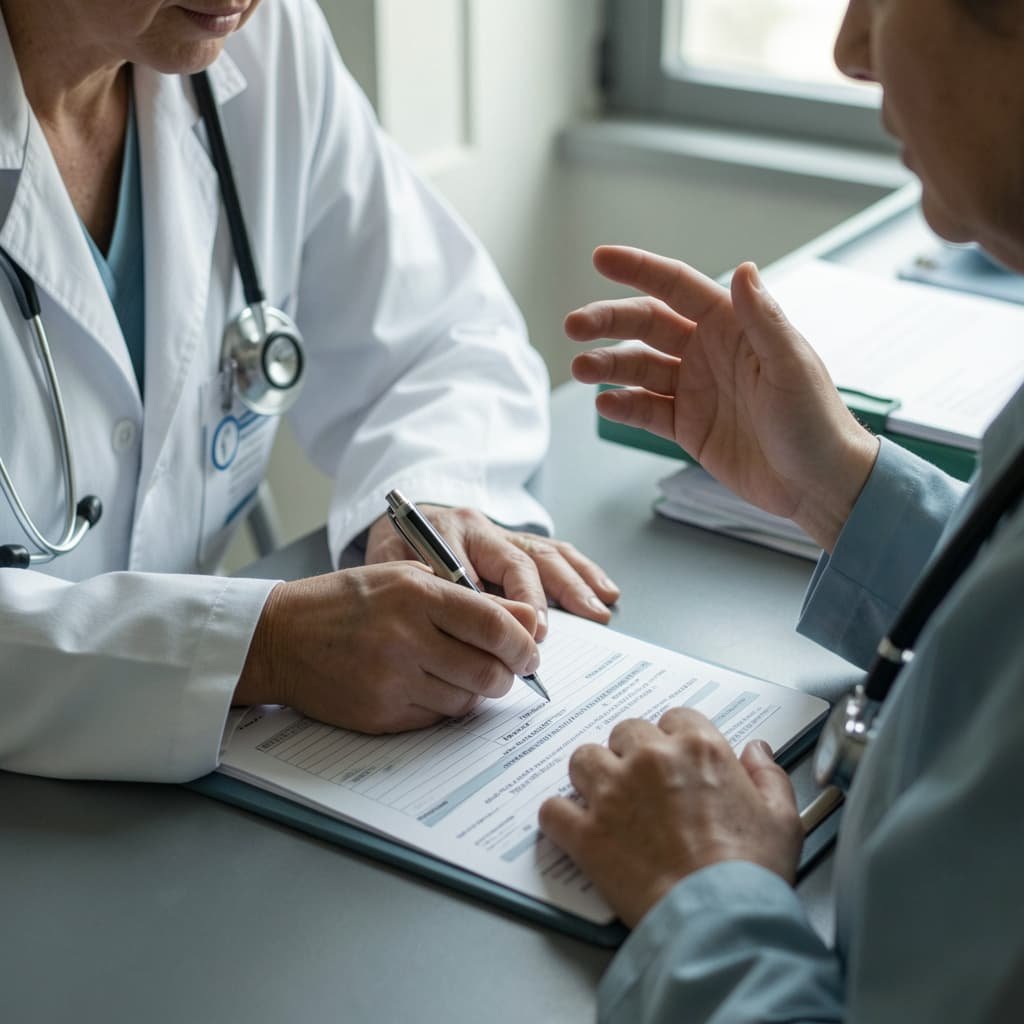
A detailed medical history review comes first in any structured P shot preparation plan. The clinician records prior surgeries, current health conditions, allergies, and any bleeding or clotting history. Men with uncontrolled diabetes may need better glucose control before treatment. A thorough medical history forms the foundation of safe P shot treatment.
Blood-borne conditions and clotting abnormalities also need assessment. These factors directly affect PRP quality and injection safety. The clinician may request recent blood test results. In some cases, the clinic arranges new screening before booking the procedure.
Medication and Supplement Review
Certain medications interfere with platelet function. Patients must review these before treatment. Anticoagulants, such as warfarin or aspirin, increase bleeding risk and reduce platelet activity. Doctors typically ask patients to pause non-steroidal anti-inflammatory drugs (NSAIDs), including ibuprofen, for several days beforehand.
Fish oil, vitamin E, and certain herbal supplements also thin the blood. Patients may need to stop these temporarily. Patients should never stop a prescribed medication without medical advice first. Some conditions require continuous treatment regardless of the procedure planned. This step forms a core part of preparing for PRP, since platelet function drives the treatment’s biological effect.
Lifestyle Adjustments Before Treatment
Lifestyle choices influence platelet count and blood quality in the days before treatment. Clinics generally advise avoiding alcohol for 24 to 48 hours beforehand. Alcohol affects both clotting and hydration levels. Smoking reduces circulation and slows healing, so a temporary pause helps. Full cessation offers the greatest benefit long term.
Doctors generally discourage strenuous exercise immediately before the procedure. Intense exercise can affect blood pressure and platelet behaviour. A good night of sleep beforehand also supports a more stable blood draw. It reduces stress-related changes in the body too.
Hydration and Nutrition
Hydration plays a direct role in the quality of the blood sample. Dehydration thickens the blood. It can also make venous access more difficult during the draw. Poor hydration affects the centrifugation process as well. Patients should drink water steadily during the 24 hours before the appointment. Over-hydrating immediately beforehand does not help and may cause discomfort.
Clinicians generally recommend a light, balanced meal before the appointment. Fasting can cause light-headedness during the blood draw. Nutrition and hydration remain two of the most underestimated steps in P shot preparation, despite their clear effect on plasma quality.
On the Day of Treatment

Patients should wear comfortable, loose clothing on the day of treatment. Clean genital skin on arrival reduces infection risk. Staff allow time for a short pre-procedure consultation. The clinician reconfirms suitability during this meeting. The clinician answers any outstanding questions and obtains informed consent.
Clinics generally advise patients to arrange transport home. Local anaesthetic makes driving possible for most men. Even so, many prefer to avoid it immediately afterwards. Staff typically issue a written aftercare plan at this stage. This plan includes guidance on activity restrictions for the following days.
What Happens During the P Shot Pre-Appointment
The P shot pre-appointment usually combines consultation with clinical assessment. The clinician reviews relevant medical history during this visit. Discussion of expectations forms a major part of the appointment too. Expectations vary significantly between patients, so this step matters.
The clinician explains the injection sites clearly during this stage. The clinician outlines how many sessions the case is likely to need, and also discusses combination approaches, such as pairing PRP with shockwave therapy. This combination often suits men with a vascular cause behind their erectile dysfunction. The pre-appointment stage exists to confirm clinical suitability, not simply to fill a diary slot.
Preparing for PRP: The Science Behind the Process
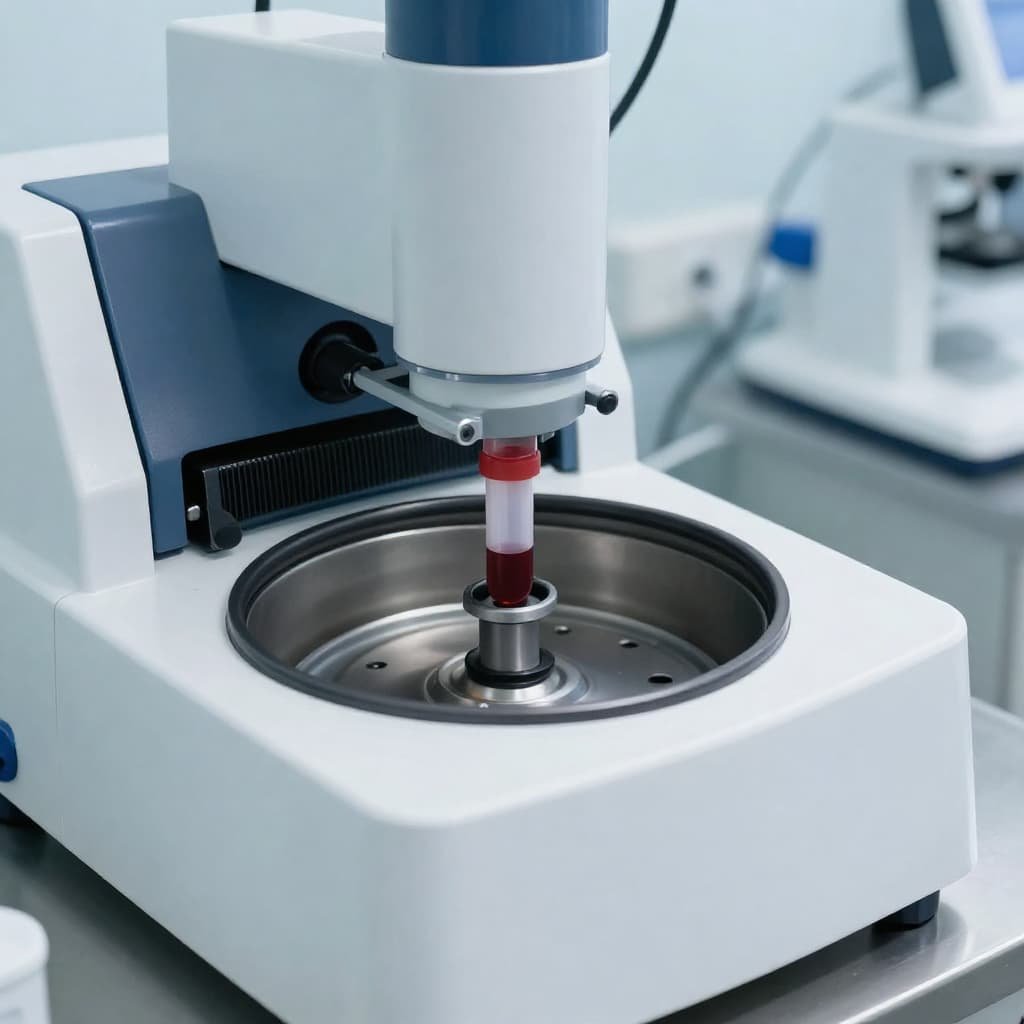
Preparing for PRP starts with understanding what the procedure does at a biological level. A clinician draws a small blood sample and places it in a centrifuge. This machine separates platelets and growth factors from other blood components. The concentrated plasma then goes into specific zones of the penis through injection.
Platelets release growth factors that support angiogenesis, the formation of new blood vessels. These growth factors also encourage tissue repair through pathways involving vascular endothelial growth factor (VEGF). A 2020 pilot randomised controlled trial in the Journal of Sexual Medicine reported improved erectile function scores among men who received PRP. Researchers compared these men against a placebo group. The trial sample stayed small, but the results pointed in a positive direction. This evidence supports the biological reasoning behind the P-shot. It also highlights the need for larger studies going forward.
Every checklist item discussed above connects back to this biology. Medication, hydration, alcohol intake, and sleep all shape the plasma quality on the day. Better preparation produces a better starting sample, which supports a better clinical outcome.
Cost Considerations: Priapus Shot Price and What to Expect
Priapus shot price in the UK typically falls between £1,500 and £2,500 per session. Several factors drive this range. The clinic’s location, the clinician’s qualifications, and the package contents all affect price. Men researching male enlargement injections cost UK figures should look beyond the headline number. Price alone rarely indicates quality or safety.
Regulatory oversight matters more than cost comparisons suggest. The Care Quality Commission regulates clinics that offer certain medical procedures in England. UK law classifies PRP injections as a medical procedure. Non-medically trained practitioners cannot legally administer this type of injection. A fair cost comparison always accounts for clinical governance, not just the price on a website.
Choosing a Qualified Clinic for P Shot Treatment
Clinical credentials matter more than location when choosing a provider. Harley Street has long attracted specialist private clinicians in London. That reputation stems from strict professional standards in the area. Patients should still verify a clinician’s individual qualifications directly. GMC registration, relevant surgical training, and experience with PRP techniques all matter.
pshots clinic uk, a Harley Street clinic, offers P shot treatment under the clinical leadership of Dr Syed Nadeem Abbas. The clinic assesses individual suitability at consultation before agreeing any treatment protocol.
Realistic Outcomes and Limitations
Results after the P-shot vary between individuals. No clinic can guarantee a specific outcome for any patient. Reported benefits include improved erectile function and increased sensitivity. Some men also notice modest changes in girth. Evidence for length gains remains limited. Most clinical sources describe length change as an uncommon outcome.
Men reviewing P shot before and after material online should treat it with caution. Individual results depend on underlying health and the cause of the original problem. Adherence to aftercare guidance also plays a role in outcomes. The P-shot before and after response often depends on whether a patient has one session or a full course. Penile injection growth findings in published literature remain preliminary at this stage. Researchers need further controlled studies before drawing firm conclusions about a p injection’s long-term effects.
Frequently Asked Questions
How long before treatment should medication changes begin?
Patients should begin medication review at least seven to ten days before the appointment. This timeframe allows clinicians to adjust anticoagulants or NSAIDs safely.
Can a patient drink alcohol the night before a P shot appointment?
Clinicians generally advise against alcohol for 24 to 48 hours before treatment. Alcohol affects both clotting and hydration levels.
Does P shot preparation differ for men with diabetes?
Yes. Men with diabetes need closer monitoring of blood glucose control before treatment. Poor glucose control affects healing and raises infection risk.
Is fasting necessary before the procedure?
No. Clinicians generally recommend a light meal beforehand instead. This helps prevent light-headedness during the blood draw.
How soon can normal activity resume after treatment?
Most men resume light activity within 24 to 48 hours. Clinicians typically restrict strenuous exercise and sexual activity for a short period afterwards.
Does smoking affect P shot preparation and results?
Yes. Smoking reduces circulation and slows tissue healing. Clinicians recommend a temporary pause before treatment, and cessation offers the best long-term benefit.
Key Takeaways
Thorough P shot preparation supports both safety and treatment quality. The procedure relies entirely on the patient’s own blood, so preparation carries real clinical weight. A structured pre-treatment checklist covers medical history, medication review, lifestyle adjustments, and hydration. Each step reduces risk and improves the biological quality of the plasma used. Realistic expectations remain essential throughout this process. Outcomes vary between patients, and current evidence, while promising, continues to develop. Men considering this treatment should prioritise clinical governance and qualified oversight over price alone. What role should regulatory standards play in guiding a patient’s choice of clinic for regenerative treatments such as the P-shot?
Read more:
Your First P Shot London Consultation – What Happens Step by Step
When Will I See Results from P Shot in London? A Realistic Timeline