
Platelet-rich plasma (PRP) activates several distinct biological cascades when injected into penile tissue. Most clinical commentary focuses on cellular regeneration or collagen remodelling. However, the vascular component — specifically angiogenesis — is the mechanism most directly linked to sustained erectile improvement after a P shot London procedure. Understanding this process helps patients set realistic expectations and make genuinely informed decisions.
What Is Angiogenesis?
Angiogenesis is the formation of new blood vessels from pre-existing vasculature. It is a normal physiological process. The body uses it during wound healing, tissue repair, and adaptation to physical demands. Under pathological conditions — such as chronic ischaemia or tissue injury — angiogenic signals become upregulated to restore oxygen and nutrient supply.
The process involves several steps:
- Destabilisation of vessel walls : Chemical signals trigger changes that weaken the stability of existing blood vessel walls, preparing them for remodelling.
- Migration of endothelial cells: Endothelial cells respond to the angiogenic stimulus by moving toward the source, guided by molecular cues.
- Formation of new sprouts : As the cells advance, tiny capillary sprouts begin to emerge and extend outward, laying the foundation for new pathways.
- Maturation of vessel loops: These sprouts connect into loops that gradually mature, allowing blood to start flowing through the newly formed channels.
- Stabilisation by pericytes: Finally, pericytes surround the fresh microvasculature, reinforcing and stabilising the network so it can function reliably.
The Difference Between Vasodilation and Angiogenesis
These two terms are frequently confused. Vasodilation is a temporary widening of existing vessels. Phosphodiesterase-5 (PDE5) inhibitors such as sildenafil (Viagra) work primarily through vasodilation. The effect ends when the drug is cleared.
Angiogenesis is structural. It produces new vessels that persist beyond the treatment period. This distinction matters clinically. A PRP-based approach targets the underlying vascular architecture of erectile tissue, not simply the immediate haemodynamic response.
How Does the P Shot Trigger Angiogenesis?
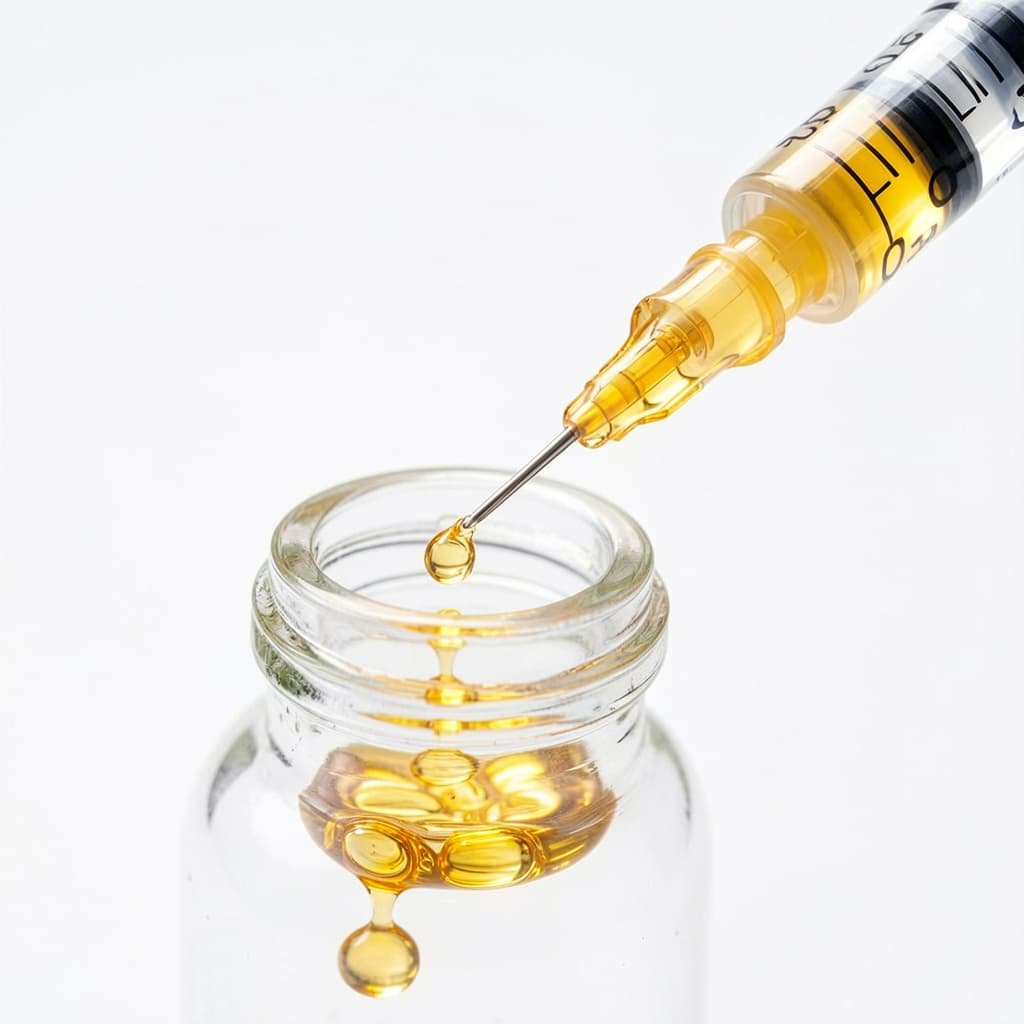
The Priapus shot uses autologous PRP — plasma derived from the patient’s own blood, concentrated to contain a high density of platelets and associated growth factors.
Growth Factors Released by PRP
When activated platelets degranulate at the injection site, they release a complex mixture of signalling proteins. The following are most relevant to angiogenesis:
Vascular Endothelial Growth Factor (VEGF)
VEGF is the primary driver of angiogenesis. It binds to receptors on endothelial cells and initiates the sprouting cascade. Multiple peer-reviewed studies have identified elevated VEGF as a key mediator of PRP’s regenerative effect in soft tissue. A 2021 review published in Frontiers in Physiology confirmed that VEGF release from platelets is integral to PRP-driven neovascularisation.
Platelet-Derived Growth Factor (PDGF)
PDGF stabilises new vessel walls by recruiting pericytes. Without adequate pericyte coverage, newly formed capillaries remain fragile and functionally impaired. PDGF ensures the vessels formed through angiogenesis are structurally durable.
Fibroblast Growth Factor (FGF)
FGF supports both endothelial proliferation and smooth muscle cell activity within vessel walls. In erectile tissue, smooth muscle tone directly governs the capacity for engorgement. FGF therefore acts as a secondary angiogenic signal and a direct contributor to tissue compliance.
Transforming Growth Factor-Beta (TGF-β)
TGF-β modulates the maturation phase of angiogenesis. It limits excessive vessel formation while supporting tissue remodelling. In Peyronie’s disease — a condition involving fibrotic plaque in penile tissue — TGF-β dysregulation contributes to pathology. Correcting this imbalance via PRP injection is one proposed mechanism for the treatment’s effect on curvature.
Erectile Dysfunction and Vascular Insufficiency
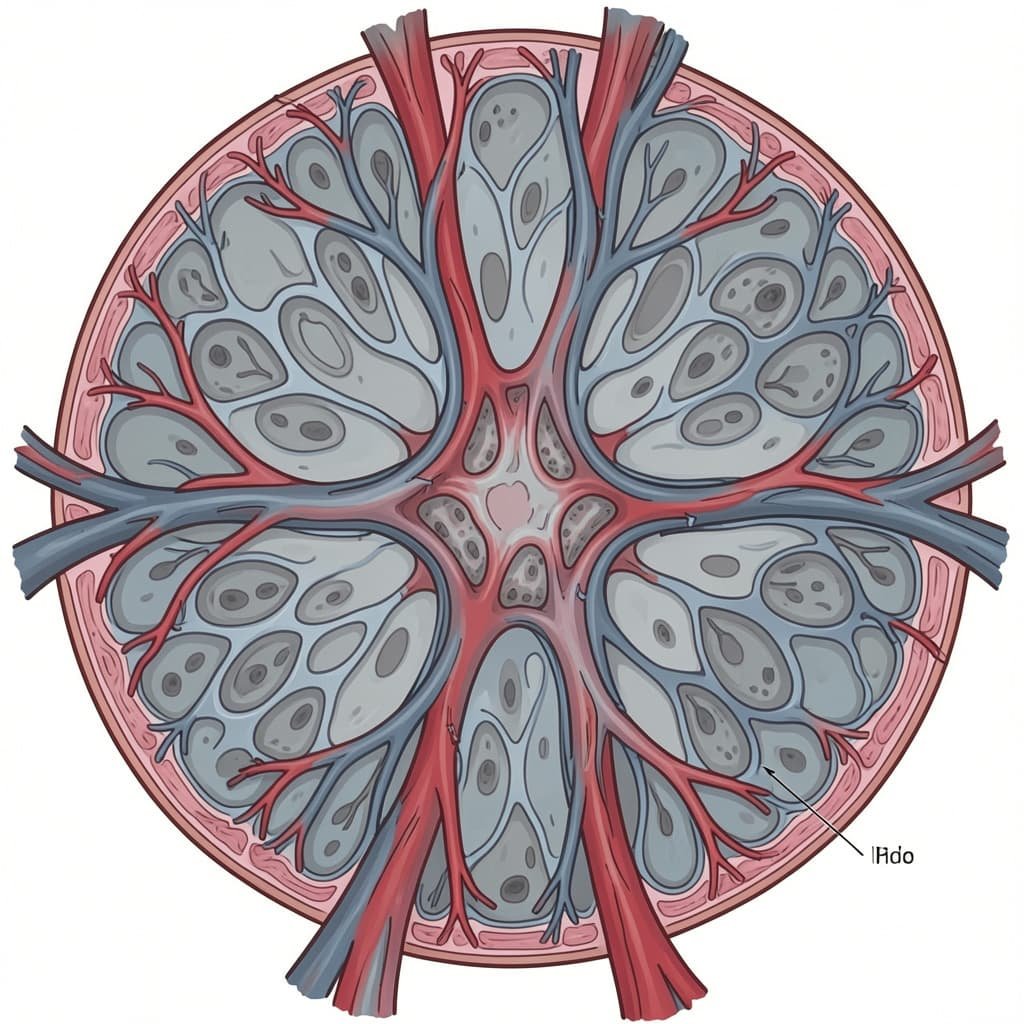
The NHS recognises vascular disease as the most common organic cause of erectile dysfunction (ED) in men over 40. Atherosclerosis, hypertension, diabetes mellitus, and hyperlipidaemia all compromise penile blood flow. NICE guidance on ED (CG190, updated 2021) identifies cardiovascular risk factor management as a first-line intervention.
However, even when systemic risk factors receive treatment, localised microvascular damage in the corpus cavernosum can persist. This is where angiogenic therapies become relevant. They target the capillary bed within erectile tissue directly, rather than acting through systemic pathways.
The Corpus Cavernosum and Its Vascular Requirements
The corpus cavernosum contains a network of sinusoidal spaces lined with endothelial cells. Erectile function depends on:
1. Adequate arterial inflow through cavernosal arteries
2. Relaxation of smooth muscle to allow sinusoidal filling
3. Venous occlusion to maintain intracavernous pressure
Microangiopathy — small vessel disease — impairs all three stages. New capillary formation through angiogenesis can partially restore functional inflow capacity, particularly in men with early to moderate vasculogenic ED.
Clinical Evidence for PRP and Angiogenesis in Erectile Tissue
The evidence base for P shot treatment remains at an early stage. The majority of published studies involve small cohorts, short follow-up periods, and variable PRP preparation protocols. Patients should approach claimed outcomes with appropriate caution.
What the Evidence Suggests
A 2020 systematic review in Sexual Medicine Reviews examined PRP injections for ED. The authors noted improvements in International Index of Erectile Function (IIEF) scores across multiple small trials. They attributed these improvements partly to angiogenic mechanisms, citing histological evidence of new vessel formation in animal models treated with penile PRP.
A 2022 randomised pilot study published in the Journal of Sexual Medicine found statistically significant improvements in IIEF scores at 12 weeks following PRP injection compared to placebo. The authors noted that larger randomised controlled trials are still required before definitive conclusions can be drawn.
Research published in Translational Andrology and Urology demonstrated that PRP increased nitric oxide bioavailability in cavernosal tissue. Nitric oxide is the primary endothelial mediator of smooth muscle relaxation in the penis. Its restoration represents a convergence between angiogenic repair and functional erectile response.
What the Evidence Does Not Yet Confirm
No large-scale, double-blind, placebo-controlled trial has established PRP injection as a proven first-line treatment for ED. The mechanism of angiogenesis in human penile tissue following PRP has been inferred from animal models and indirect clinical markers rather than direct histological confirmation in human subjects. Clinicians operating within evidence-based frameworks must acknowledge this limitation.
P Shot Before and After: What Angiogenesis Means for Timelines
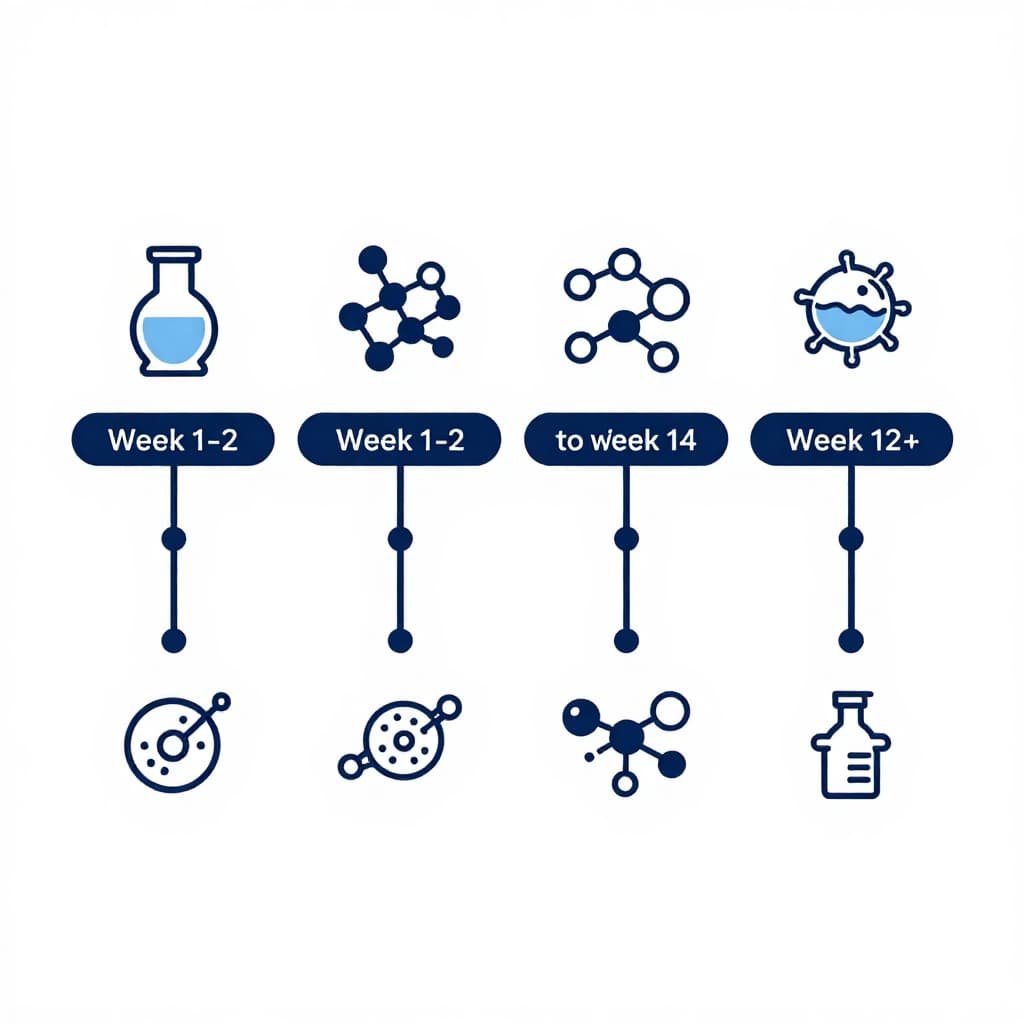
Patients seeking P shot before and after comparisons frequently expect immediate results. Angiogenesis does not produce instant change. New vessel formation takes time. The clinical timeline reflects the underlying biology:
Week 1–2: Acute Growth Factor Activity
Initial PRP activation triggers the release of VEGF, PDGF, and FGF. The angiogenic signal is present. There may be mild local swelling as a normal tissue response. No functional improvement is expected at this stage.
Week 3–6: Endothelial Proliferation
Endothelial cells begin to migrate and form capillary sprouts. Tissue oxygen delivery starts to improve. Some patients report early changes in sensitivity or nocturnal erections during this period.
Week 6–12: Vessel Maturation
New capillaries stabilise with pericyte coverage. Smooth muscle function begins to benefit from improved nitric oxide availability. The majority of clinical studies record their outcome measures at 12 weeks. This corresponds to the period of functional vessel maturation.
Week 12 and Beyond
Sustained angiogenic effects may continue beyond 12 weeks. PRP-induced growth factor activity has a biological half-life, but structural vessel changes persist. Many practitioners offering penile injection growth procedures recommend repeat sessions at 3–6 month intervals based on early clinical data.
Factors That Influence Angiogenic Response After P Shot Treatment
Not all patients respond equally. Several variables modulate the angiogenic outcome of a P shot UK procedure:
• Baseline Vascular Health: Men with advanced atherosclerosis or poorly controlled diabetes may have reduced endothelial cell responsiveness. The target tissue must retain sufficient viable endothelium for VEGF to act upon.
• PRP Preparation Quality: The platelet concentration in the final PRP product significantly affects growth factor yield. Preparation protocols vary between clinics. Standardisation across UK providers is currently lacking.
• Injection Technique and Distribution: Angiogenesis is a localised phenomenon. Growth factors act at the site of deposition. Precise injection requires detailed anatomical knowledge and technical precision.
• Age and Hormonal Status: Testosterone facilitates nitric oxide synthesis and endothelial function. Hypogonadism reduces cellular responsiveness to angiogenic signals. Men with low testosterone may achieve a suboptimal response to PRP.
• Lifestyle Factors: Smoking causes direct endothelial damage and suppresses VEGF receptor expression. Physical inactivity, obesity, and poor glycaemic control exert similar effects.
P Shot UK: Regulatory and Safety Considerations

PRP therapy in the UK operates within a framework governed by the Medicines and Healthcare products Regulatory Agency (MHRA) and the Care Quality Commission (CQC). PRP used autologously does not fall within the definition of a medicinal product under current MHRA guidance. However, the procedure itself is classified as a medical treatment and requires appropriate clinical oversight.
Potential adverse effects include:
- Localised bruising or haematoma may occur at the injection site.
- Temporary swelling or discomfort can follow the procedure, usually resolving quickly.
- The risk of infection is present, though careful sterile technique helps minimise it.
- In rare cases, repeated injections may lead to fibrotic changes in the tissue.
No systemic adverse effects have been attributed to autologous PRP in published literature, consistent with its endogenous origin.
PRP Therapy for Men’s Performance Issues: Setting Realistic Expectations
PRP-based regenerative therapy for ED is best understood as a biological intervention with a plausible mechanism and an emerging evidence base. It is not a guaranteed cure. The following clinical realities apply:
- Individual responses can differ greatly, with outcomes varying from person to person.
- When psychogenic erectile dysfunction occurs without underlying organic pathology, treatment results may be less predictable.
- Cases of severe vasculogenic ED complicated by extensive cavernosal fibrosis often show limited regenerative capacity.
- Therapy tends to be additive, working most effectively when combined with lifestyle changes, PDE5 inhibitors, or low‑intensity shockwave therapy.
- Evidence beyond 12 months remains scarce, highlighting the need for longer‑term data.
Men seeking a non-surgical treatment for erectile dysfunction in London benefit most when they receive a thorough clinical assessment before any procedure. This should include a sexual health history, cardiovascular risk stratification, and an honest discussion of realistic outcomes.
Dr Syed Nadeem Abbas and the Clinical Approach at pshots.co.uk
At pshots clinic uk, a Harley Street-based private medical clinic in London, P shot London procedures are performed by Dr Syed Nadeem Abbas (MBBS, MRCS RCS Edinburgh, MRCGP, MSc Aesthetic Plastic Surgery with Distinction — Queen Mary University London), whose training background encompasses Cambridge, Oxford, and the Royal London Hospital. The clinic’s approach emphasises patient selection, standardised PRP preparation, and evidence-aligned practice.
Frequently Asked Questions (FAQ)
How many P shot sessions are typically required?
Most practitioners recommend an initial series of 1–3 sessions, spaced 4–6 weeks apart. The angiogenic cascade takes time to produce structural change. Repeat sessions may reinforce the growth factor stimulus before full vascular maturation has occurred. Maintenance sessions every 6–12 months are sometimes advised based on individual response.
Is the P shot painful?
A topical anaesthetic cream is applied before the procedure. Most patients report mild discomfort rather than pain during injection. Post-procedure soreness typically resolves within 24–48 hours. The angiogenic and cellular responses that follow are asymptomatic.
How does the P shot differ from penile injection therapy for ED?
Pharmacological penile injections (such as alprostadil) act acutely on smooth muscle to produce erection. They do not alter vascular architecture. The P shot is a regenerative treatment. It aims to improve baseline erectile function through angiogenesis and tissue repair, not to produce an immediate erection on injection.
Can the P shot be combined with other ED treatments?
Yes. PRP is biologically compatible with low-intensity shockwave therapy (Li-ESWT), which also targets angiogenesis through mechanotransduction. The two modalities may act synergistically. Concurrent use of PDE`5 inhibitors does not contraindicate PRP injection. A treating clinician should advise on the optimal combination.
Is the Priapus shot available on the NHS?
No. The priapus shot is a private medical treatment. It is not currently recommended by NICE for erectile dysfunction, as the evidence base does not yet meet the threshold for NHS commissioning.
What is the typical priapus shot price in the UK?
The priapus shot price varies between clinics depending on practitioner qualifications, PRP preparation methods, and the number of sessions included. Patients should request a detailed breakdown of what each quoted cost includes and verify the clinical credentials of the provider.
Are P shot before and after results consistent across patients?
No. P-shot before and after outcomes reflect individual variability in baseline vascular health, tissue responsiveness, lifestyle factors, and PRP preparation quality. Published studies report a proportion of non-responders in every cohort. Clinics that present universal success claims are not aligned with the published evidence.
Key Takeaways
Angiogenesis sits at the biological core of why PRP-based treatment can produce lasting improvements in erectile function beyond the effect of conventional pharmacotherapy. The growth factors released by activated platelets — VEGF, PDGF, FGF, and TGF-β — initiate a cascade of endothelial proliferation, capillary formation, and vessel maturation within the corpus cavernosum. This structural vascular change, rather than any immediate chemical effect, is what distinguishes the P shot as a regenerative treatment.
The evidence base is promising but incomplete. Larger randomised controlled trials are needed before the treatment can be positioned alongside established therapies in clinical guidelines. Patients considering a P shot treatment procedure deserve a clear account of what the biology does and does not guarantee. Angiogenesis is a real mechanism. It operates on a biological timescale. It is modifiable by the patient’s vascular health, lifestyle, and the technical quality of the procedure itself.
Informed decision-making in men’s intimate health requires the same standard of critical evaluation applied to any other medical intervention. The question worth considering is not simply whether a treatment works, but whether the evidence available is sufficient to determine for whom, under what conditions, and for how long.
read more:P Shot Treatment: Procedure Steps, Recovery, Aftercare, and Results Timeline
Your First P Shot London Consultation – What Happens Step by Step


