
Platelet-rich plasma (PRP) therapy has served orthopaedics, wound healing, and dermatology for over two decades. Its application to male sexual health — specifically as the P shot — represents one of the newer frontiers of regenerative medicine. Unlike oral medications for erectile dysfunction, which manage symptoms, PRP-based treatment targets the underlying vascular and tissue architecture of the penis. Understanding exactly what happens during a first consultation helps men approach the process with accurate expectations. This article outlines each stage of a P shot London consultation in precise clinical terms. Specifically, it covers the procedural steps, the biological rationale, the evidence base, key limitations, and what realistic outcomes look like.
What Is the P Shot?
The P shot — also referred to as the priapus shot, Pshot, or P-shot — is a procedure in which a practitioner extracts platelet-rich plasma from the patient’s own blood and injects it into specific regions of the penis. The term “priapus shot” derives from the trademarked Priapus Shot® protocol that Dr Charles Runels developed in the United States.
The procedure falls within the broader category of regenerative treatment for male health in the UK. It is not a surgical intervention. Practitioners use no implants, foreign substances, or synthetic fillers. Because the plasma comes entirely from the patient’s own blood draw, the treatment qualifies as autologous.
Furthermore, the priapus shot London and wider P shot UK market has grown substantially in the past five years. This growth reflects increasing patient interest in non-surgical treatment for erectile dysfunction in London and other major UK cities, as well as growing awareness of PRP-based regenerative therapy for ED.
Who Seeks a P Shot Consultation?
Men seek a P shot consultation for a range of clinical reasons. The most common include:
- Erectile dysfunction (ED) that has not responded adequately to oral PDE5 inhibitors such as sildenafil or tadalafil
- Post-prostatectomy erectile dysfunction
- Peyronie’s disease (penile curvature caused by fibrous scar tissue)
- Lichen sclerosus affecting the penis
- Interest in penile injection growth or tissue remodelling as a non-surgical option
- Reduced penile sensitivity following nerve injury or pelvic surgery
Erectile dysfunction affects up to one in five men in the UK — approximately 4.3 million people. A 2022 cross-sectional study published in BMC Urology found that, of 12,490 men surveyed in the UK, 41.5% reported ED, and 7.5% met criteria for severe ED. Despite this prevalence, many men delay or avoid seeking treatment. As a result, a private consultation provides a confidential, structured environment in which to assess suitability and explore all available options.
The Evidence Base for PRP and Erectile Dysfunction

Before describing what happens during a consultation, it is worth establishing what the evidence currently shows.
A 2024 meta-analysis, evaluated using the Cochrane method, analysed 12 controlled trials involving 991 patients and 11 single-arm trials with 377 patients. Notably, the PRP group achieved better outcomes in terms of International Index of Erectile Function (IIEF) scores and minimal clinically important difference (MCID) compared to control groups.
Additionally, a 2025 narrative review published in UroPrecision identified five randomised clinical trials, two meta-analyses, and a systematic review on intracavernosal PRP for ED. The review highlighted significant variability in PRP preparation, dosage, and follow-up protocols, which hindered direct comparison across studies.
Furthermore, a 2024 systematic review and meta-analysis published in Translational Andrology and Urology concluded that PRP demonstrates significant efficacy and safety in treating ED. However, the authors noted that most included literature consisted of single-arm studies, and that researchers need to produce higher-quality evidence for validation.
In plain terms, current evidence is encouraging but not yet definitive. Consequently, larger, standardised randomised controlled trials remain necessary. Any reputable clinic offering P shot treatment should communicate this clearly during consultation.
Step 1 – Pre-Consultation Screening and Medical History
The first phase of a P shot London consultation is a thorough clinical assessment. This is not a brief intake form. Instead, a qualified practitioner takes a detailed medical history covering the following areas.
Cardiovascular health. Erectile dysfunction frequently signals underlying vascular disease. The NHS and the British Heart Foundation note that ED shares risk factors with coronary artery disease, including hypertension, dyslipidaemia, and type 2 diabetes. Therefore, the practitioner will ask about these conditions directly.
Current medications. Anticoagulants (e.g., warfarin, apixaban, rivaroxaban) affect platelet function and may influence PRP preparation. Similarly, testosterone replacement therapy, antidepressants, and antihypertensives can all contribute to erectile dysfunction and the practitioner must record them.
Surgical history. Prior pelvic surgery, prostatectomy, or urological procedures alter the neural and vascular landscape of the penis. This history directly informs whether P shot treatment is likely to benefit the patient.
Duration and severity of symptoms. Practitioners typically use validated scoring tools such as the International Index of Erectile Function (IIEF-5) questionnaire to quantify ED severity objectively.
Lifestyle factors. Smoking, alcohol consumption, body mass index, physical activity levels, and sleep quality all influence erectile function and treatment response.
In addition to the above, this stage may include a brief physical examination and a review of relevant blood tests, including testosterone, HbA1c, and lipid profile.
Step 2 – Candidacy Assessment and Shared Decision-Making
Following the history-taking stage, the practitioner assesses whether the patient suits P shot treatment.
General inclusion criteria in clinical practice include:
- Mild to moderate vasculogenic ED
- Peyronie’s disease (plaque formation)
- Post-treatment ED following prostate cancer therapy
- Interest in penile injection growth in the context of penile rehabilitation
Conversely, the following contraindications may exclude a candidate:
- Active infection at the injection site
- Blood disorders affecting platelet function
- Platelet count below the threshold the practitioner needs for effective PRP preparation
- Active malignancy
- Use of anticoagulant medication that the patient cannot temporarily pause
This is also the stage at which the practitioner presents all available treatment options. P shot treatment is one option within a broader toolkit. For many men, oral PDE5 inhibitors remain the first-line treatment that NICE guidelines recommend. Moreover, vacuum erection devices, penile rehabilitation protocols, and psychosexual therapy may also be relevant. The consultation process should enable informed decision-making, not steer the patient toward any single treatment.
At pshots clinic uk, consultations are led by Dr Syed Nadeem Abbas (MBBS, MRCS RCS Edinburgh, MRCGP, MSc Aesthetic Plastic Surgery with Distinction — Queen Mary University London), who trained at Cambridge, Oxford, and the Royal London Hospital and brings both surgical and regenerative medicine expertise to this assessment.
Step 3 – Explanation of the Procedure and Consent
Once the patient confirms suitability and chooses to proceed, the practitioner provides a detailed explanation of the procedure itself.
How PRP Is Prepared
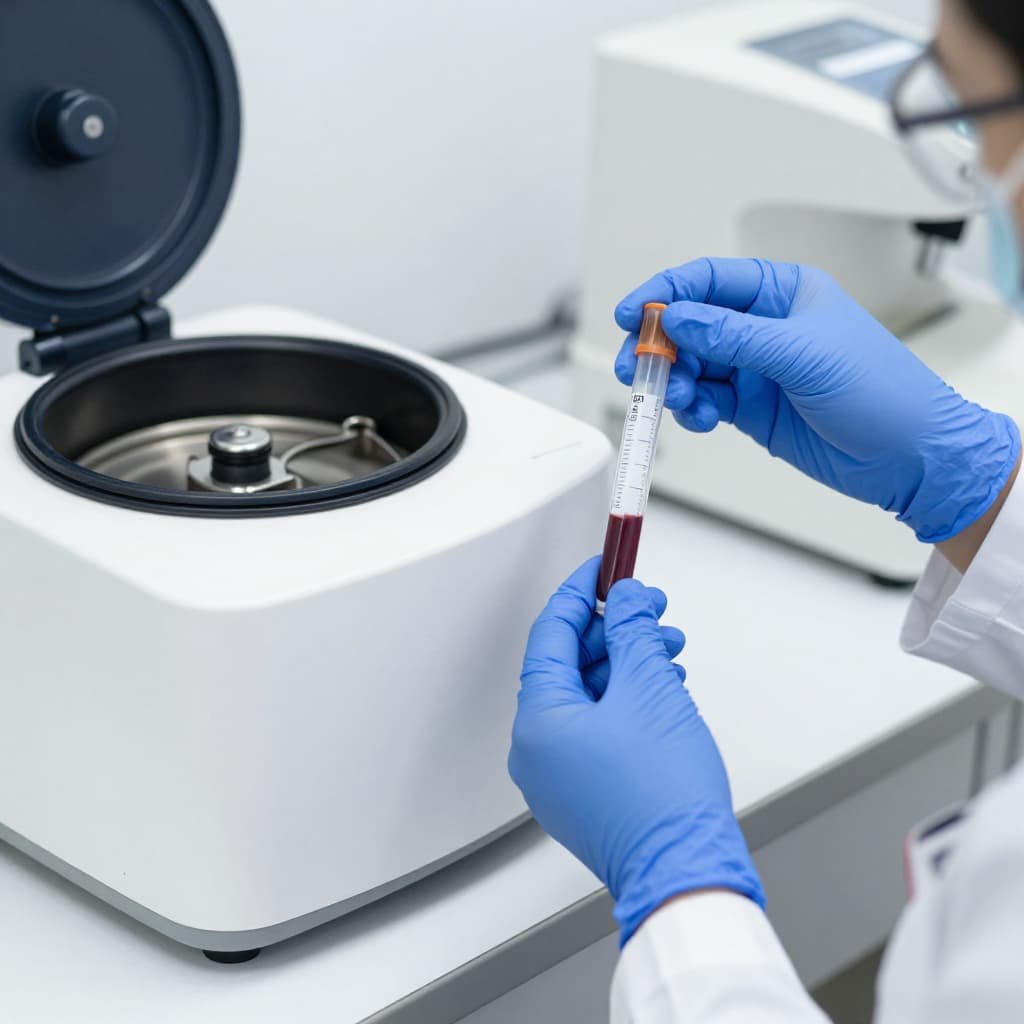
The practitioner derives platelet-rich plasma from the patient’s own peripheral blood. First, a nurse takes a standard venous blood draw of approximately 30–60 ml, usually from the antecubital fossa (the inner elbow). Next, the team processes the blood in a centrifuge — a device that spins rapidly to separate blood components by density. This yields three distinct layers:
- Red blood cells (at the base)
- A buffy coat containing white blood cells and platelets
- Platelet-poor plasma (at the top)
The practitioner then carefully extracts the platelet-rich fraction. Depending on the centrifuge system in use, the resulting PRP typically contains a platelet concentration three to five times higher than baseline whole blood. Platelets release growth factors including platelet-derived growth factor (PDGF), transforming growth factor-beta (TGF-β), vascular endothelial growth factor (VEGF), and insulin-like growth factor (IGF-1). These growth factors support tissue repair, angiogenesis, and cellular regeneration.
Injection Protocol
Before the injection, the practitioner applies a topical anaesthetic cream (typically lidocaine-based) to the penis. In addition, the team may administer a penile block — a local anaesthetic injection — to ensure the patient remains comfortable throughout.
The practitioner then injects the PRP into specific anatomical regions. These typically include:
- The corpora cavernosa (the paired erectile tissue cylinders)
- The glans penis (the head of the penis), if clinically indicated
- The corpus spongiosum, depending on the clinical presentation
The total injection time is short. Overall, the entire procedure — from blood draw to completion of injections — typically takes between 30 and 45 minutes.
After the injection, the practitioner may recommend a vacuum erection device (VED). Some protocols use the VED immediately post-injection to distribute the PRP throughout the erectile tissue and encourage blood flow.
Step 4 – The Procedure Itself
On the day of the procedure — which may occur during the same session as the consultation or on a separate appointment — the team follows this sequence:
Blood draw. A nurse or practitioner draws venous blood from the arm. This takes two to three minutes.
Centrifugation. The team processes the blood in a medical centrifuge. This step takes approximately 10 to 15 minutes.
PRP preparation. The practitioner extracts the platelet-rich fraction using sterile technique and draws it into a syringe.
Topical anaesthesia. The practitioner applies lidocaine cream to the penis and allows it to take effect for 20 to 30 minutes.
Penile block (if used). The practitioner may administer a local anaesthetic injection to the base of the penis.
PRP injection. Using a fine-gauge needle, the practitioner injects the PRP into the pre-determined sites, using multiple injection points as needed.
Post-procedure care. The practitioner may briefly apply ice packs or cold compresses. Before leaving, the patient receives written aftercare instructions.
The P shot does not require general anaesthesia, inpatient admission, or a surgical environment. As a result, most patients travel home independently after the procedure.
Step 5 – Aftercare, Recovery, and Follow-Up
Immediate Recovery
Minor side effects are common and expected. These include:
- Mild bruising at the blood draw site
- Temporary swelling of the penis (usually resolving within 24–72 hours)
- Mild discomfort or pressure at injection sites
- Transient discolouration
These effects align with the normal tissue response to any intradermal or intracavernosal injection.
Activity Restrictions
The practitioner typically advises patients to avoid sexual activity for 24–48 hours after the procedure. Similarly, patients should restrict strenuous physical exercise for a short period. However, normal daily activities — including light exercise and desk-based work — can usually resume on the same day.
Timeline of Results
This is an area where practitioners must carefully manage patient expectations. PRP does not produce instantaneous results. Instead, the proposed mechanism of action — growth factor release, angiogenesis, and tissue remodelling — unfolds as a biological process over weeks to months.
Clinical studies suggest that some patients notice improvement in erectile function within four to twelve weeks. Others require multiple sessions or do not experience a measurable response. Some people notice changes within a few days; however, others may need several months or multiple P shots before they see any difference at all.
Currently, no consensus exists on the optimal number of treatment sessions or the ideal interval between them. Some protocols suggest a single treatment with review at three months. Others recommend two or three sessions spaced four to six weeks apart.
What P Shot Before and After Results Typically Show
Published P shot before and after outcomes — whether from clinical trials or observational case series — generally report improvements in IIEF scores, self-reported erectile rigidity, and in some cases, subjective improvements in penile sensitivity. In clinical practice, P-shot before and after assessments use the IIEF-5 questionnaire as the primary validated outcome measure.
Importantly, no peer-reviewed evidence supports claims that the P shot produces reliable or permanent increases in penile length or girth. Male enlargement injections cost UK providers vary significantly, and patients should assess claims about size increase critically and discuss them openly with the practitioner.
Priapus Shot Price: What to Expect in the UK

The priapus shot price in the UK reflects the clinical complexity of the procedure, the PRP preparation system the clinic uses, practitioner expertise, and location. In London, a single P shot treatment session typically costs between £800 and £2,500.
Some clinics offer package pricing for multiple sessions. Men who research male enlargement injections cost UK options should clarify exactly what each quoted price covers: consultation fee, blood processing, anaesthesia, the injection itself, and follow-up review.
The NHS does not offer this procedure, and standard health insurance in the UK does not cover it.
Limitations and Honest Expectations
The following limitations are critical for every patient to understand.
The evidence base, whilst growing, remains preliminary. Most randomised controlled trials to date are small, use different PRP preparation systems, and follow patients for short periods. The P shot does not feature in NICE clinical guidelines for erectile dysfunction.
Response is not universal. A significant proportion of patients do not experience clinically meaningful improvement. Specifically, men with severe vasculogenic ED, extensive nerve damage, or uncontrolled metabolic disease are less likely to respond than those with mild to moderate ED.
It is not a cure. PRP therapy for men’s performance issues works best as a regenerative adjunct, not a definitive cure. Patients must also pursue ongoing management of underlying conditions — including cardiovascular disease, diabetes, and hypertension.
Results are not permanent. Where improvement does occur, the duration of effect is not well established. Some patients report benefit lasting 12 to 18 months; others report earlier decline. Consequently, repeat treatments may become necessary.
Combination approaches may be needed. Advanced PRP solution for erectile dysfunction tends to produce the best results when clinicians combine it with lifestyle modification, optimised medical therapy, and — where appropriate — psychosexual support.
Frequently Asked Questions
Is the P shot painful?
The topical anaesthetic cream and, where the practitioner uses it, the penile nerve block significantly reduce discomfort. Most patients report feeling pressure rather than sharp pain during the injection phase. Mild soreness for 24–48 hours after the procedure is common.
How many sessions will I need?
No universally agreed protocol currently exists. Many clinics begin with a single session and reassess at eight to twelve weeks. If the patient shows partial benefit, the practitioner may recommend a second session. Your practitioner will discuss the most appropriate plan for your clinical presentation.
Is the P shot safe?
Because the patient’s own blood provides the PRP, the risk of allergic reaction or immune rejection is negligible. The primary risks relate to the injection procedure itself: bruising, swelling, infection, and temporary discomfort. Serious complications are rare.
Does the P shot treat Peyronie’s disease?
Some clinical protocols incorporate PRP as part of a multi-modal approach to Peyronie’s disease. However, the evidence for PRP in Peyronie’s remains limited and inconclusive. Men with this condition should discuss all available options — including traction therapy, collagenase injections (Xiaflex), and surgery — with a specialist.
Can the P shot combine with other treatments?
Yes. Clinicians frequently use PRP-based regenerative therapy for ED alongside lifestyle modification, PDE5 inhibitors, low-intensity shockwave therapy (Li-ESWT), and testosterone optimisation where clinically indicated. Combination approaches are often more effective than any single intervention on its own.
How does the P shot differ from penile filler?
Penile fillers use hyaluronic acid — a temporary dermal filler — to add volume to the shaft or glans. In contrast, the P shot uses the patient’s own platelet-rich plasma to stimulate biological tissue repair. They are categorically different procedures with different mechanisms, indications, and risk profiles.
What is the difference between the P shot and a penis shot from a GP?
A general practitioner may offer intracavernosal injections of vasoactive agents such as alprostadil (Caverject) as an erectile dysfunction treatment. These agents directly dilate blood vessels to produce an erection. In contrast, the P shot uses PRP to pursue long-term tissue regeneration, not immediate erection induction. They are separate treatment modalities.
Key Takeaway
A first P shot London consultation is a structured, evidence-informed clinical encounter. It is not a cosmetic appointment or a quick procedure. Rather, it involves a thorough medical history, candidacy assessment, shared decision-making, procedural explanation, and formal consent — all before any injection takes place.
Men’s intimate health treatment in London continues to evolve as regenerative medicine expands its evidence base. Natural ED treatment using PRP therapy remains an area of active research, with promising early data that is not yet sufficient to place PRP in mainstream clinical guidelines. Nevertheless, for men who have not responded to conventional treatments, or who wish to explore non-surgical options, a structured consultation with a qualified practitioner is the appropriate first step.
Ultimately, realistic expectations, honest communication, and thorough clinical assessment are the hallmarks of a responsible consultation. Any clinic that cannot explain what evidence supports the procedure, what its limitations are, and what realistic outcomes look like should be approached with caution.
The question worth considering before booking any consultation is this: does the clinic you are approaching offer a full clinical assessment, or simply a treatment?
Read more: Platelet-Derived Growth Factor in PRP: How It Helps Repair Penile Tissue
Priapus Shot London – The Science Behind Platelet-Rich Plasma Therapy


