Erectile Dysfunction Under 40: Causes and Modern Solutions

✅Medically reviewed | Updated July 2026
Erectile dysfunction under 40 no longer sits quietly at the margins of men’s health. A condition once linked almost exclusively to ageing now affects a growing number of younger men across the UK. Clinics on Harley Street and beyond report rising numbers of men aged twenty to thirty-nine seeking answers. Some search for quick fixes. Others simply want clarity. This article sets out the medical causes behind ED in men under 40, explains why the condition demands proper attention at any age, and reviews the treatment landscape, including newer regenerative options gaining traction across London clinics.
What Counts as Erectile Dysfunction in Younger Men?
Erectile dysfunction describes a persistent difficulty achieving or maintaining an erection firm enough for satisfactory intercourse. Occasional difficulty rarely signals a problem. A pattern lasting beyond three months usually warrants medical review. Erectile dysfunction under 40 differs from the age-related form in one key respect: physical causes account for a smaller share of cases, while psychological and lifestyle factors carry more weight.
Clinicians distinguish between situational and generalised erectile dysfunction. Situational cases occur only in specific circumstances, such as with a new partner or during stress. Generalised cases occur consistently, regardless of context. This distinction shapes both diagnosis and treatment. Severity also varies. Mild cases involve occasional difficulty maintaining firmness, while severe cases prevent penetrative intercourse altogether.
How Common Is Erectile Dysfunction in Men Under 40?
Research estimates vary, but published data suggest between one in ten and one in twenty men under 40 experience some form of erectile dysfunction. NHS guidance notes that erectile dysfunction can occur at any adult age, not only in later life. Erectile dysfunction under 40 remains under-reported, largely due to embarrassment and a lingering assumption that the condition belongs to older age groups.
This under-reporting matters. Men delay seeking help, sometimes for years, while an underlying cause goes unaddressed. Cardiovascular disease, diabetes, and hormonal imbalance can all present with erectile dysfunction as an early warning sign. Survey data collected across UK general practices suggests that fewer than half of affected younger men raise the issue with a GP unprompted. Many instead search online for information, often encountering unregulated retailers rather than registered clinicians.
Key Causes of Erectile Dysfunction Under 40
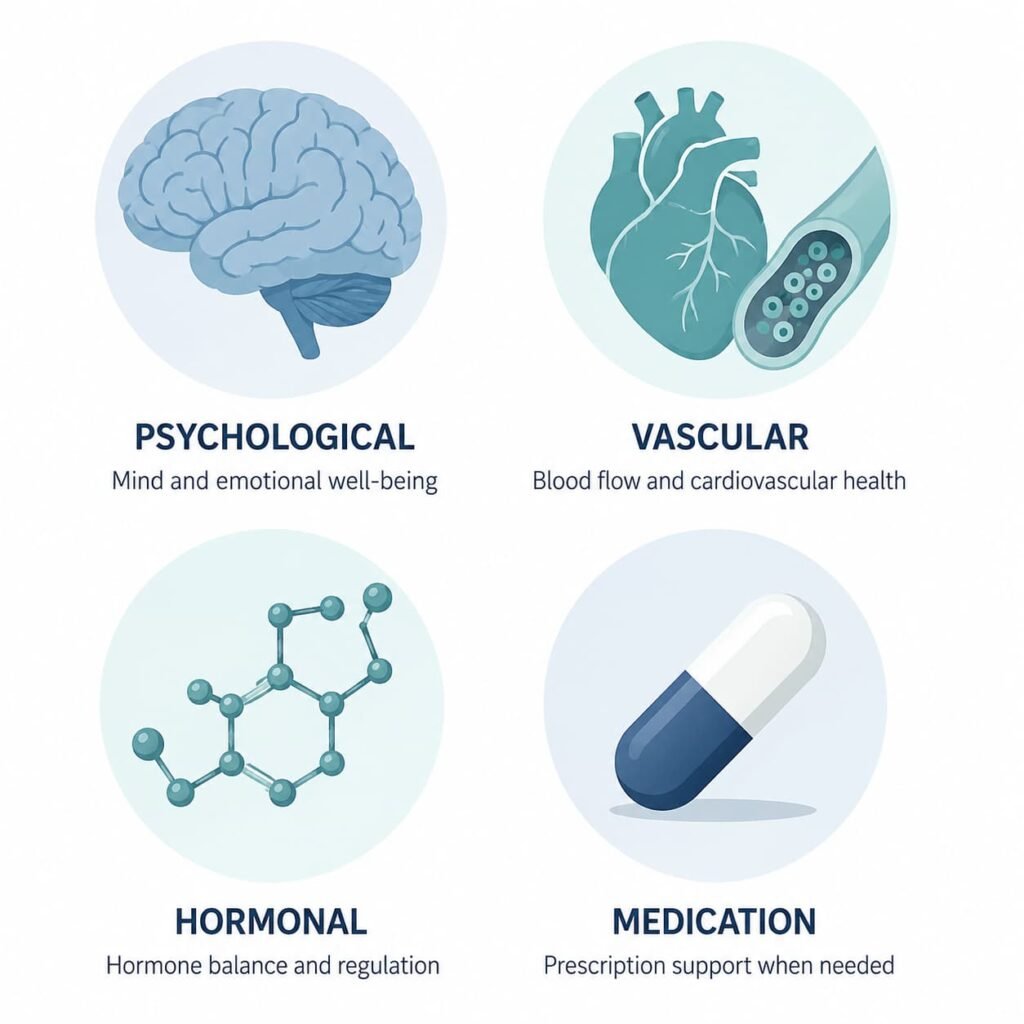
Psychological and Lifestyle Factors
Performance anxiety, relationship stress, and generalised anxiety disorder frequently underlie ED in men under 40. Depression also plays a substantial role, both directly and through associated medication. Excessive alcohol consumption, recreational drug use, and heavy smoking reduce erectile function through nerve and vascular pathways.
Pornography-related expectations and chronic stress from work or study add further pressure. Sleep deprivation disrupts testosterone production and directly affects erectile capacity. Sedentary habits and prolonged screen use compound the problem for many younger men. Poor sleep quality, including undiagnosed sleep apnoea, reduces nocturnal erections and lowers daytime testosterone. Financial pressure and career-related stress feature increasingly in clinical histories taken from men in the late-twenties-to-thirties age bracket.
Vascular and Metabolic Causes
Blood flow underpins every erection. Early atherosclerosis, high blood pressure, and high cholesterol can restrict blood flow even in younger men, particularly those with a family history of cardiovascular disease. Obesity contributes directly by damaging blood vessel function and lowering testosterone levels.
Type 2 diabetes increasingly appears in men under 40 and remains one of the strongest physical drivers of erectile dysfunction at any age. NICE guidance recommends cardiovascular risk assessment for men presenting with erectile dysfunction, since the two conditions frequently share root causes. Nerve damage from poorly controlled diabetes compounds vascular restriction further, producing erectile difficulty that responds less predictably to standard medication.
Hormonal Factors
Low testosterone, though less common than in older men, still occurs under 40. Thyroid dysfunction and elevated prolactin levels can also disrupt erectile function. Hormonal causes typically respond well once identified through blood testing. Pituitary conditions, though rare, can also present with erectile dysfunction alongside reduced libido and fatigue, making full hormonal screening a necessary step rather than an optional extra.
Medication and Substance-Related Causes
Certain antidepressants, blood pressure medications, and anti-androgen treatments list erectile dysfunction as a recognised side effect. Anabolic steroid use, increasingly common among younger gym-goers, frequently suppresses natural testosterone production and produces erectile dysfunction as a consequence. Recreational use of stimulant drugs, including cocaine, restricts blood vessels and can produce both short-term and lasting erectile difficulty. Restarting or switching medication should always occur under medical supervision, since abrupt changes carry inherent risks.
Why Erectile Dysfunction Under 40 Should Not Be Ignored
Erectile dysfunction in younger men often signals something beyond the bedroom. A younger man presenting with erectile difficulty may show early signs of cardiovascular disease years before a heart attack or stroke occurs. Peer-reviewed research published in urology journals consistently links erectile dysfunction to broader vascular health, making early assessment valuable well beyond sexual function alone.
Ignoring the condition also carries a psychological cost. Anxiety about performance can create a self-reinforcing cycle, worsening the very problem it stems from. Early, honest assessment breaks this cycle far more effectively than avoidance. Relationship strain frequently follows unresolved erectile difficulty, with communication breakdown compounding the original problem. Addressing the issue openly, ideally alongside a partner, often improves outcomes alongside medical treatment.
Diagnosis: What a Clinical Assessment Involves
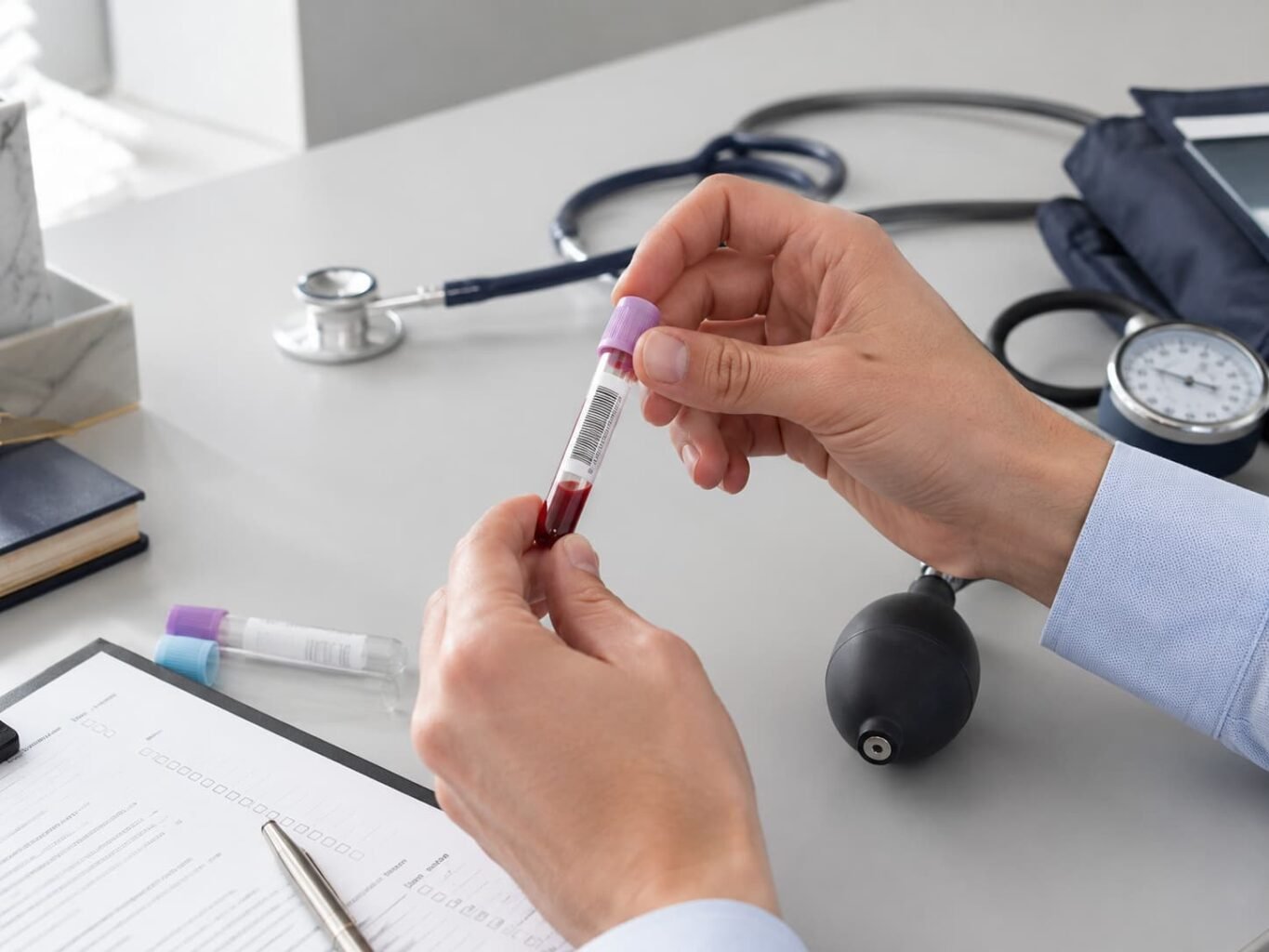
A thorough assessment for ED in men under 40 typically includes a detailed medical history, a physical examination, and blood tests covering testosterone, blood sugar, cholesterol, and thyroid function. Clinicians also review current medications and lifestyle factors, including alcohol intake, smoking, and exercise habits.
Psychological screening forms an equally important part of assessment, given the weight of psychological causes in this age group. A validated questionnaire, such as the International Index of Erectile Function, often supports diagnosis and helps track progress during treatment. Blood pressure measurement and body mass index calculation form part of most initial consultations. Where nocturnal erections continue during sleep but fail during intercourse, clinicians often suspect a psychological rather than physical cause.
Modern Treatment Options
Lifestyle and Psychological Interventions
Weight loss, smoking cessation, and reduced alcohol intake improve erectile function in many younger men within months. Structured exercise programmes, particularly aerobic exercise, support vascular health and testosterone levels. Cognitive behavioural therapy addresses performance anxiety and depression-linked erectile dysfunction, often producing durable improvement. Couples counselling sometimes forms part of treatment where relationship stress plays a central role. These interventions carry no financial cost beyond time and consistency, making lifestyle change a reasonable first step before considering medication or injectable treatment.
Oral Medications
Phosphodiesterase-5 inhibitors, including sildenafil and tadalafil, remain first-line treatment for ED in men under 40 without contraindications. These medications work by increasing blood flow to the penis during sexual stimulation. Oral treatments do not address underlying causes and carry limitations for men with certain cardiovascular conditions. Nitrate medication use rules out safe combination with PDE5 inhibitors, and a clinician should always confirm suitability before any prescription. Generic versions have reduced cost considerably in recent years, improving accessibility for younger patients on NHS and private prescriptions alike.
PRP-Based Regenerative Therapy for ED
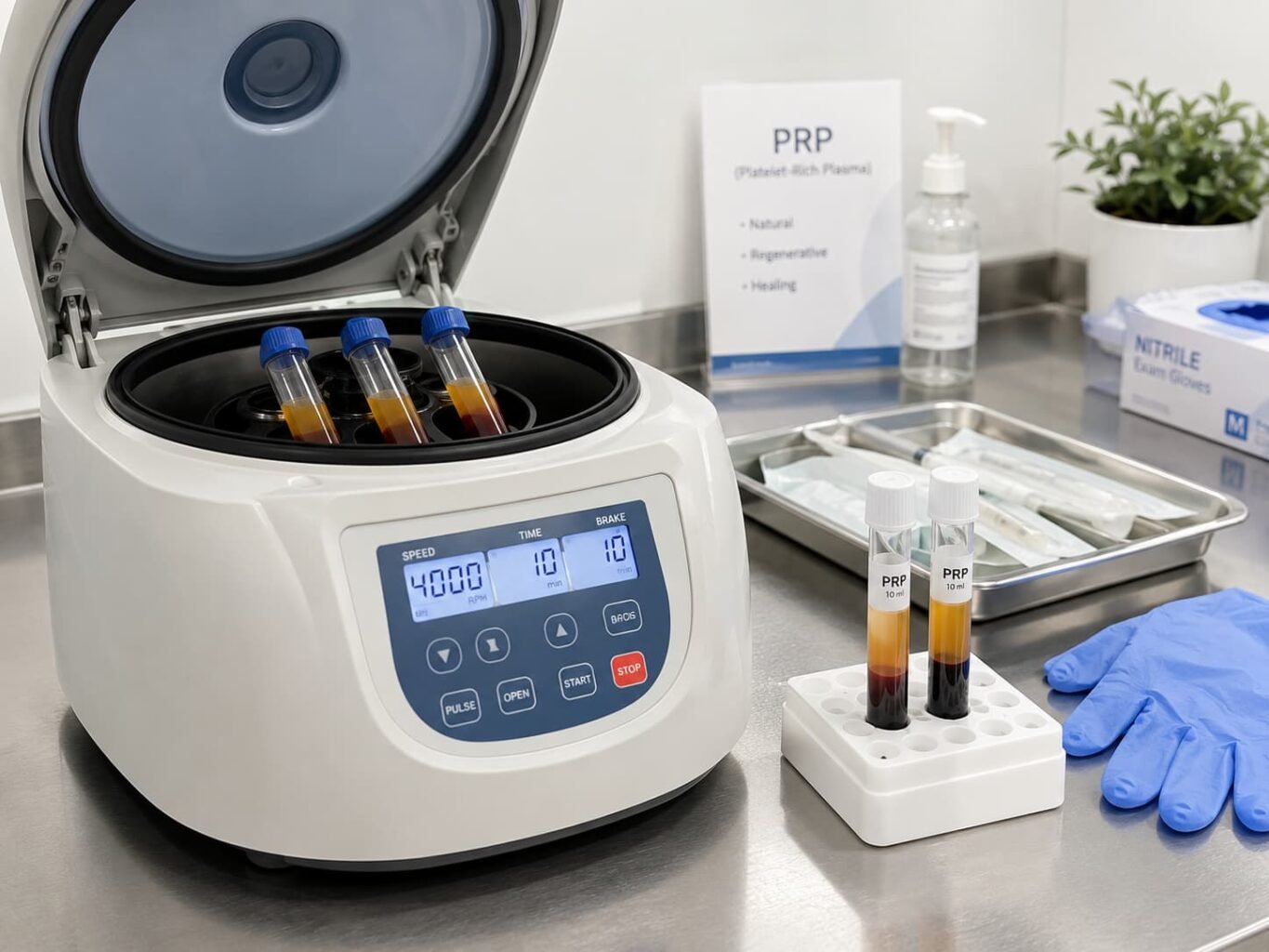
Interest in natural ED treatment using PRP therapy has grown steadily across London in recent years. Platelet-rich plasma, prepared from a patient’s own blood, contains growth factors thought to support tissue repair and blood vessel formation. This regenerative approach has attracted attention as a non-surgical treatment for erectile dysfunction in London clinics seeking alternatives to medication-only pathways.
What Is the P-Shot?
The P-Shot, formally known as the Priapus Shot, involves injecting concentrated platelet-rich plasma into specific areas of the penis. The p injection aims to stimulate tissue regeneration and improve blood flow. Practitioners position the P shot treatment as a regenerative option rather than a replacement for standard medical care.
P-Shot Treatment: What to Expect
A P shot London appointment typically begins with a small blood draw. The sample undergoes processing to isolate platelet-rich plasma before the penis injection growth procedure takes place under local anaesthetic. The full appointment usually lasts under an hour. Recovery time remains minimal, with most men returning to normal activity the same day.
Priapus Shot Price and Considerations
Priapus shot price varies between clinics depending on preparation method, practitioner experience, and included aftercare. Male enlargement injections cost UK-wide sits within a wide range, and prospective patients should request a detailed, itemised quote before proceeding. Cost alone should never determine clinic choice; practitioner qualification and clinical safety standards matter considerably more.
P-Shot Before and After: Realistic Outcomes
Published evidence for the Priapus shot remains limited compared with established treatments such as PDE5 inhibitors. P-shot before and after results vary considerably between individuals, and no clinic can guarantee a specific outcome. Some men report subjective improvement in sensation and erectile firmness. Robust, large-scale clinical trials remain necessary before firm conclusions can be drawn. Men considering a Priapus shot London appointment should discuss realistic expectations openly with a qualified clinician beforehand.
Non-Surgical Treatment for Erectile Dysfunction in London
London offers a wide range of options for erectile dysfunction treatment, spanning NHS pathways, private urology clinics, and specialist men’s health practices. Non-surgical treatment for erectile dysfunction in London increasingly includes shockwave therapy alongside PRP-based regenerative therapy for ED, oral medication, and psychological support. Combination approaches, tailored to individual causes, tend to produce better outcomes than any single intervention alone.
Pshots Clinic UK, a private medical practice based on Harley Street, forms part of this wider London landscape, with services led by Dr Syed Nadeem Abbas covering assessment and treatment pathways for erectile dysfunction.
Choosing a Clinic for Erectile Dysfunction Treatment London

Selecting a provider for erectile dysfunction treatment London requires careful research. A reputable clinic conducts a full medical history and blood tests before recommending treatment. It explains all options, including limitations, rather than promoting a single procedure. Verified practitioner qualifications, transparent pricing, and clear aftercare information all indicate a responsible provider.
Men should treat any promise of guaranteed results with caution. Regenerative treatments, including the P shot UK clinics offer, work best as part of a broader treatment plan rather than a standalone cure. A registered clinician should always confirm suitability through blood tests and a physical examination before recommending any injectable treatment, and should be willing to discuss alternatives, including established medication and psychological support, without pressure to proceed.
Frequently Asked Questions
Is erectile dysfunction under 40 normal?
Occasional difficulty is common and rarely signals disease. Persistent erectile difficulty in men under 40 warrants medical assessment, since it can indicate cardiovascular, hormonal, or psychological factors requiring attention.
Can ED in men under 40 reverse on its own?
Mild cases linked to stress, alcohol, or short-term anxiety often improve once the trigger resolves. Cases linked to underlying medical conditions usually require targeted treatment.
Does the P-Shot cure erectile dysfunction permanently?
No treatment, including the P-Shot, offers a guaranteed permanent cure. Evidence remains limited, and outcomes vary between individuals. A qualified clinician can explain realistic expectations before treatment.
How much does a P-Shot cost in the UK?
Priapus shot price depends on the clinic, the practitioner’s experience, and the specific protocol used. Prospective patients should request a full written quote before committing to treatment.
When should a man see a doctor about erectile dysfunction?
Any man experiencing erectile difficulty lasting longer than three months should arrange an assessment, particularly where other symptoms, such as reduced libido or fatigue, also appear.
Can lifestyle changes alone resolve erectile dysfunction under 40?
Lifestyle changes resolve many mild cases linked to weight, alcohol, or inactivity. Cases involving diabetes, hormonal imbalance, or significant psychological distress usually need additional treatment alongside lifestyle change.
Is the P-Shot safe?
The P-Shot uses a patient’s own blood, which lowers the risk of allergic reaction compared with synthetic fillers. Standard injection risks, including infection, bruising, and discomfort, still apply, and a qualified practitioner should always perform the procedure.
Key Takeaways
Erectile dysfunction under 40 deserves the same clinical seriousness as erectile dysfunction at any other age. Psychological factors, vascular health, hormonal balance, and lifestyle habits all interact to shape erectile function in younger men. Modern treatment options range from established medication and psychological therapy to newer regenerative approaches such as PRP-based regenerative therapy for ED, each carrying distinct evidence, costs, and limitations. Delay rarely improves outcomes, and early assessment often uncovers a straightforward, treatable cause. Informed decision-making, grounded in proper assessment rather than assumption, remains the most reliable path towards resolution.
What might a persistent case of erectile difficulty before the age of 40 be revealing about long-term health that has not yet been addressed?
Read more: Psychosexual Counselling for Erectile Dysfunction: Supporting P-Shot Treatment Outcomes