
✅Medically reviewed
A small daily tablet protects the hairline, yet some men notice changes in the bedroom within months. Finasteride has helped millions of men slow pattern baldness. Hair loss already dents confidence, and a new sexual symptom adds worry on top of worry. Many men then search online, and the answers conflict.
Two questions dominate those searches. First, can the tablet itself cause erectile problems? Second, can a regenerative option such as the P Shot help while hair-loss treatment continues? Honest answers need careful evidence, not marketing claims.
Most online guides treat platelet-rich plasma as a scalp treatment. Few address penile platelet-rich plasma in men who already take finasteride. That gap leaves patients guessing about safety, timing and realistic benefit. This article closes the gap using NHS information, MHRA safety updates and peer-reviewed research.
The sections below explain how finasteride works and what UK regulators say about sexual side effects. A review of the evidence for platelet-rich plasma in erectile dysfunction follows. The article also sets out limits, risks and questions worth raising with a doctor. Readers should treat the procedure as unlicensed and evidence-limited, and should seek medical assessment before any decision.
Why Men on Hair-Loss Tablets Ask About Sexual Health
How Finasteride Works
Finasteride blocks the enzyme 5-alpha reductase. This enzyme converts testosterone into dihydrotestosterone, or DHT. DHT shrinks hair follicles in men with genetic pattern baldness. Lower DHT slows the shrinkage and often stabilises hair loss.
Doctors prescribe the 1 mg dose for male pattern hair loss. The 5 mg dose treats an enlarged prostate. Private prescribers supply most 1 mg tablets, because the NHS does not usually provide this tablet for hair loss.
Hormones influence more than hair. DHT also acts in the prostate, skin and nervous system. A drug that lowers DHT can therefore affect more than the scalp. Researchers continue to study how these changes shape sexual function.
How Hair Loss Worry and Sexual Function Interact
Visible thinning affects self-esteem and mood. Anxiety and low mood both impair erections. This overlap complicates every assessment, because the tablet, the worry or an unrelated cause may each contribute.
Warning labels add another layer. Some research suggests that awareness of side effects heightens attention to normal changes in sexual function. Specialists call this the nocebo effect. It does not mean symptoms are imaginary, and clinicians take every report seriously.
What the NHS and MHRA Say About Side Effects
The NHS lists erection problems and reduced interest in sex as common side effects of finasteride. Common means more than 1 in 100 men. The NHS adds that these effects usually improve with time but can sometimes continue after treatment stops.
In 2024, the MHRA reviewed finasteride safety and introduced a patient alert card. The card warns about psychiatric and sexual side effects. Regulators also warn that sexual dysfunction may persist after men stop the tablet. A later update added a warning that sexual dysfunction may contribute to mood disorders. The same update noted that sexual dysfunction also occurs without mood changes.
Yellow Card data up to April 2024 held 426 reports linking finasteride with sexual dysfunction. Almost half recorded no recovery at the time of reporting. Spontaneous reports cannot prove cause or frequency. Such reports still show why regulators take the signal seriously.
Reading Risk Figures Correctly
Risk figures confuse many readers. A common side effect in trials does not mean most men experience it. Absolute risk describes how many men in a hundred notice an effect. Relative risk compares one group with another.
Trial figures also differ from clinic experience. Trials enrol selected volunteers and track set outcomes over fixed periods. Real-world use includes older men, other medicines and other health conditions. Trials and Yellow Card reports answer different questions, so doctors weigh both.
Finasteride and Erectile Dysfunction: What the Evidence Shows
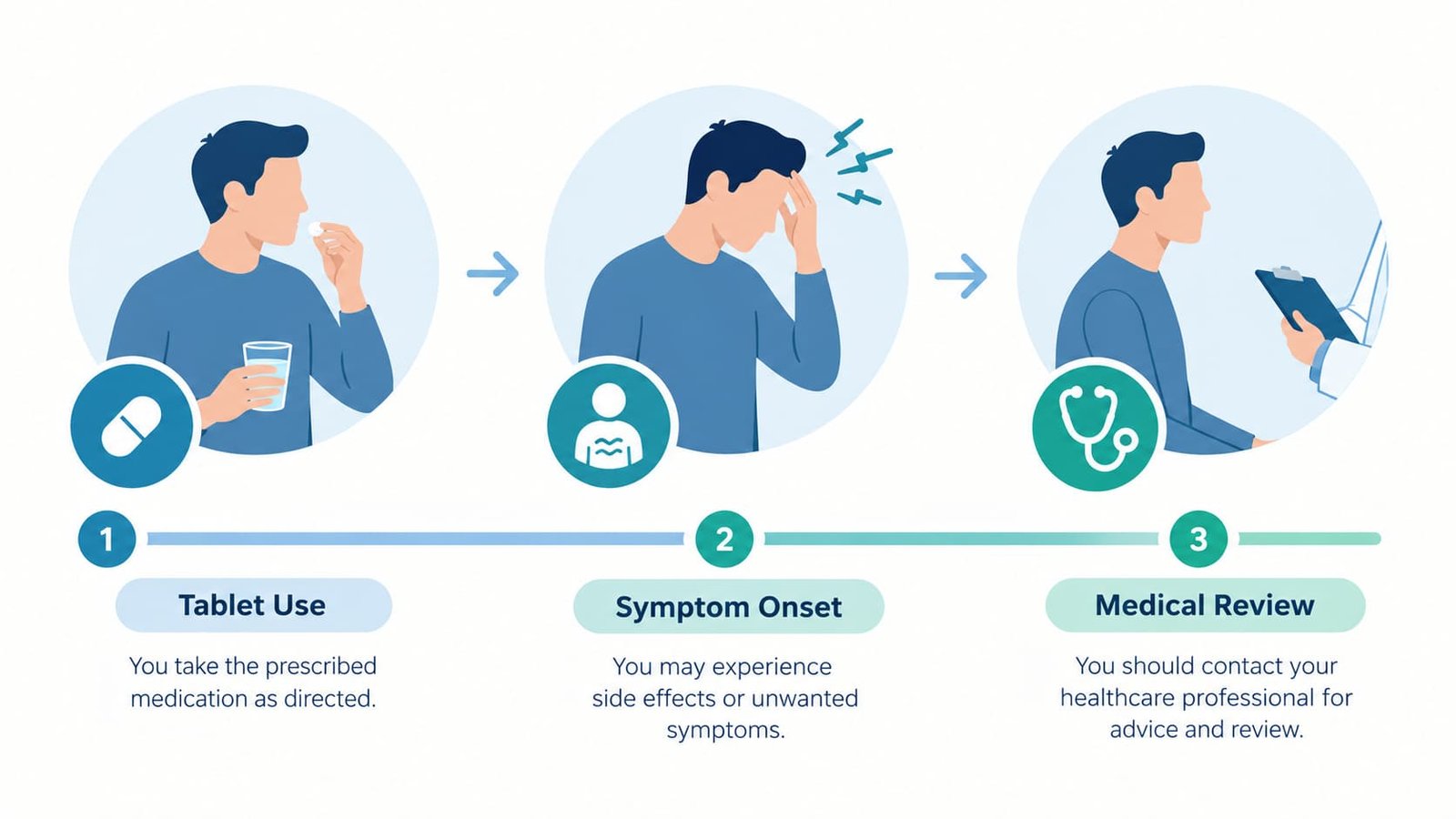
Finasteride and erectile dysfunction share a complicated relationship. Large trials, regulator reviews and patient reports each tell part of the story. Clear separation of fact from fear helps men judge personal risk. The next sections follow that approach.
Can Finasteride Cause Erectile Dysfunction?
Can finasteride cause erectile dysfunction? Yes, in some men. The NHS and the MHRA both recognise erection problems as a known effect. Most men on the tablet never develop the problem.
Trial data in the product information report sexual side effects in about 3.8% of finasteride users. Men on placebo reported such effects at about 2.1%. Placebo figures matter. Ageing, stress and hair loss itself all affect erections without any drug involved.
Finasteride Sexual Side Effects Beyond Erections
Finasteride sexual side effects extend beyond erections. The MHRA lists reduced sex drive, erectile dysfunction and ejaculation disorders. Libido and erectile changes often overlap. Low desire can mimic erectile failure, so the two need separate assessment. A doctor asks about morning erections, desire, partner factors and mood.
Mood Changes Need Urgent Attention
The NHS advises men taking finasteride for hair loss to stop the medicine straight away if low mood develops. Men should then contact a doctor promptly. The MHRA encourages men to show the alert card to family. Mood changes can pass unnoticed. No sexual treatment replaces this safety step.
Persistent Symptoms After Stopping
Some men report symptoms that last months or years after stopping. Researchers use the label post-finasteride syndrome for this pattern. The cause remains uncertain. A review in Neurobiology of Stress calls it an emerging clinical problem. Evidence on frequency remains limited, and expert opinion differs.
Other Causes Doctors Check Before Blaming the Tablet
Erectile dysfunction has many causes. Vascular disease, diabetes, obesity, low testosterone, smoking, alcohol, depression and anxiety all contribute. A symptom that starts after finasteride does not always come from finasteride.
Routine checks by a GP cover blood pressure, weight, glucose or HbA1c, cholesterol and testosterone. Medication review and mood screening complete the picture. Erectile dysfunction can also signal early cardiovascular disease, so assessment matters beyond sexual health.
Questions That Separate Drug Effects From Other Causes
Several patterns help doctors separate drug effects from other causes. Timing comes first. Symptoms that began soon after the first tablet raise suspicion of a drug effect. Constant problems in every situation suggest a physical cause. Problems that appear only with certain partners or under stress suggest a psychological cause.
Normal morning erections point toward intact blood flow and nerves. Doctors also ask whether symptoms eased during any treatment break. Clear improvement strengthens the case for a drug effect, although no single clue settles the question.
What Is the P Shot?
How the Procedure Works
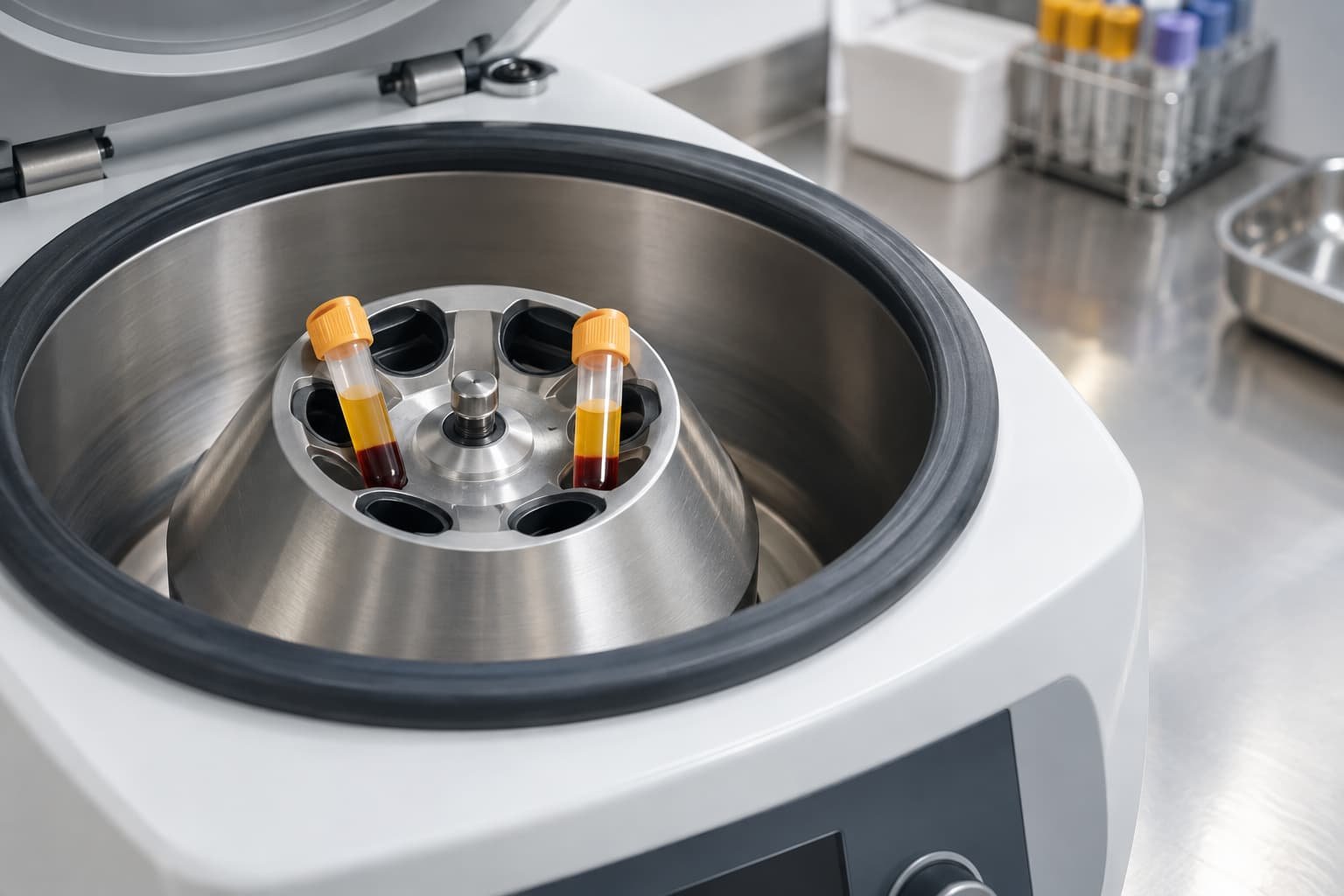
The procedure uses platelet-rich plasma from the patient’s own blood. A clinician draws a small sample and spins it in a centrifuge. This step concentrates platelets, which release growth factors. The clinician then injects the concentrate into penile tissue after numbing.
Some clinics call the procedure the Priapus shot. Searches for Priapus shot London usually describe the same PRP injection. Researchers propose that growth factors may support new blood vessels and nerve repair. Most supporting evidence comes from laboratory and animal studies.
Procedure details vary between clinics, including numbing method, injection sites and number of sessions. Men should ask for the full protocol in writing. Variation makes trial results hard to compare with clinic practice.
NHS services do not routinely offer this treatment for erectile dysfunction. Private clinics supply it, and the use remains outside standard licensing.
What Research Says About PRP for Erectile Dysfunction
Evidence remains mixed. A 2024 PLoS One meta-analysis pooled controlled trials involving 991 men. It found better erectile function scores than control groups and called for larger trials. A 2024 meta-analysis of three randomised trials reported gains lasting up to six months in mild to moderate cases.
Newer work tempers that picture. A 2025 meta-analysis pooled seven placebo-controlled trials covering 479 men. It found low-to-moderate certainty evidence of no advantage over placebo. Another recent systematic review found no consistent, clinically meaningful gain from PRP alone.
Taken together, the evidence neither proves nor rules out benefit. Trials differ in preparation method, injection volume and schedule. Small samples and short follow-up limit firm conclusions.
Finasteride and ED Treatment: Where the P Shot Fits
Standard Options Come First
Finasteride and ED treatment decisions start with proven options. NICE Clinical Knowledge Summaries place phosphodiesterase type 5 inhibitors, such as sildenafil and tadalafil, first line. Prescribing information lists no clinically important drug interactions for finasteride. A doctor still reviews the full medication list, especially nitrates, before prescribing.
Lifestyle changes, psychosexual therapy and vacuum devices follow. Some men also change the hair-loss drug under medical advice. If finasteride drives the symptom, PRP may not address the underlying mechanism.
Weighing Hair Benefit Against Sexual Symptoms
Finasteride protects hair only while men keep taking it. Hair loss usually resumes within about a year of stopping. That trade-off shapes every decision. Some men accept a small sexual risk for hair retention. Others place sexual function first and stop the tablet.
Neither choice is wrong, but each deserves an informed discussion. Alternatives include minoxidil and topical finasteride, which may lower systemic exposure. A prescriber can explain the options and monitor the response.
Does Finasteride Interact With PRP?
PRP contains the patient’s own platelets and plasma. Finasteride acts on the DHT pathway. The two use different mechanisms. Published research on combining penile PRP with finasteride remains scarce. No study clearly tests the combination for sexual outcomes.
Hair research does exist. A 2022 study examined scalp PRP alone and with finasteride and minoxidil. That work addresses hair, not erections. Men should never stop finasteride only to receive a P Shot, and a doctor should guide any change.
P Shot London and P Shot UK: What to Check in a Provider
Clinics across the P Shot UK market vary widely in training and standards. Men considering a P Shot London appointment can check four points:
- Confirm the doctor appears on the GMC register.
- Check that the clinic holds Care Quality Commission registration.
- Request a written explanation of evidence limits and unlicensed status.
- Share a full medication and mood history, including finasteride.
A clinic that asks about finasteride shows good practice. Promises of guaranteed results show the opposite.
Risks, Limits and Realistic Outcomes
Injection-site pain, bruising and swelling occur and usually settle within days. Infection and bleeding are rare. PRP uses the patient’s own blood, which lowers allergy risk, yet every injection carries procedural risk.
Clinicians usually delay PRP in men with active infection or a bleeding disorder. Low platelet counts and anticoagulant use also need review first. These checks protect safety and sometimes change the plan.
Outcomes vary. Some men report modest improvement, while others notice none. Effects may fade, and clinics sometimes advise repeat sessions. No clinic can promise a result, and an honest provider says so plainly.
The procedure does not treat hair loss, depression or hormonal causes. No evidence shows that PRP changes DHT activity. Cost also matters, because private fees vary and the NHS does not reimburse those fees.
Providers usually describe changes over weeks to months, not days. Trials measured outcomes at one, three and six months. Evidence on durability beyond six months remains thin. Men should ask how long a clinic expects any effect to last and what evidence supports that estimate.
Clinical Assessment Before Any Decision
Consultation at the pshots clinic UK, led by Dr Syed Nadeem Abbas, starts with history, medication review and examination. The clinic sits on Harley Street in Marylebone, London. Dr Abbas holds MBBS, MRCS (RCS Edinburgh) and MRCGP qualifications. Queen Mary University of London awarded an MSc in Aesthetic Plastic Surgery with Distinction. Training took place at Cambridge, Oxford and the Royal London Hospital.
A thorough assessment records finasteride dose and duration. It notes when symptoms began relative to the first tablet. Validated questionnaires, such as the International Index of Erectile Function, measure severity. Blood tests and cardiovascular risk review follow where appropriate.
Shared decision-making follows assessment. The doctor explains benefits, limits, costs and alternatives, and the patient decides without pressure. Written consent records that discussion.
Some men need referral to urology or mental health services. Where finasteride appears responsible, a conversation with the prescriber about stopping or switching comes first.
Documentation helps every later conversation. A simple diary of mood, desire and erection quality over several weeks gives a doctor concrete data. Patterns in that record often guide the next step more reliably than memory.
Practical Steps for Men on Finasteride
- Read the patient alert card and the leaflet in every pack.
- Record when sexual symptoms began relative to the first tablet.
- Report symptoms to the prescriber and through the Yellow Card scheme.
- Seek urgent help for low mood or suicidal thoughts, and stop the tablet as the NHS advises.
- Ask a GP about cardiovascular and metabolic checks.
- Mention finasteride before any PSA test, because the tablet lowers PSA readings.
- Discuss symptoms openly with a partner, because performance anxiety worsens erectile difficulty.
- Review standard ED options before considering regenerative therapy.
Frequently Asked Questions
Can finasteride cause erectile dysfunction?
Yes, in some men. The NHS lists erection problems as a common side effect. Most men taking finasteride do not develop erectile dysfunction.
Does PRP treat finasteride sexual side effects?
No trial tests this question directly. Evidence for PRP in erectile dysfunction generally remains mixed, so benefit stays uncertain.
Should men stop finasteride before a P Shot?
No decision should rest on the procedure alone. Hair loss usually resumes after stopping finasteride. A prescriber should guide any change.
Is the Priapus shot London treatment available on the NHS?
No. Private clinics provide it, and the NHS does not routinely offer PRP for erectile dysfunction.
How long do finasteride sexual side effects last?
Most improve with time. Some persist after stopping, according to the MHRA. Persistent symptoms deserve medical review.
Can PRP combine with erectile dysfunction tablets?
Clinicians sometimes combine treatments. Research on specific combinations remains limited, so a doctor should review the full medication list first.
Where can patients report suspected side effects?
The Yellow Card scheme accepts reports from patients and healthcare professionals.
Key Takeaways
Finasteride remains a widely used and effective hair-loss medicine. It also carries recognised sexual and mood warnings. Informed decisions start with accurate information about both benefit and risk.
The evidence for PRP in erectile dysfunction stays mixed, and research on men taking finasteride is thin. Standard assessment and proven treatments deserve priority. Regenerative options belong after that conversation, not before it.
Men with new sexual symptoms should record the timeline, protect mental health and seek medical review. Careful questions at the start prevent costly mistakes later. If a symptom appears after a tablet, should treatment target the symptom or the cause first?
Read more:
Tests to Take Before a P Shot: HbA1c, Testosterone, Lipids and Blood Pressure
Stress and ED: How Work Stress, Poor Sleep and Alcohol Contribute to Erectile Dysfunction in Men
Dr Syed Nadeem Abbas, MBBS, MRCSEd, MSc Aesthetic Plastic Surgery (Distinction) Medical Director, Pshot Clinic | CQC Regulated | Monday to Saturday 10:00–18:00 +44 7955 836986


