
Regenerative medicine is changing how clinicians approach male sexual dysfunction. Two treatments have attracted significant clinical attention: platelet-rich plasma (PRP) therapy and exosome therapy. Both target tissue repair at a cellular level. Both deliver active biological signals into penile tissue. Yet they differ considerably in their origin, mechanism, and evidence base.
This article provides a structured, evidence-based comparison of exosomes vs PRP for male sexual health. It covers how each therapy works, what the current research shows, and what men in the UK should understand before considering either option.
The Biological Basis of Both Treatments
Sexual dysfunction in men often involves compromised vascular supply, reduced smooth muscle function, and impaired nerve signalling within penile tissue. Standard pharmacological interventions, such as phosphodiesterase-5 inhibitors, address symptoms rather than underlying tissue pathology.
Regenerative approaches aim to restore cellular function. They do this by delivering growth factors or intercellular signals directly to damaged tissue. Both PRP and exosome therapy operate on this principle, though through distinct biological pathways.
What Is PRP and How Does It Work?
Platelet-rich plasma is an autologous preparation derived from the patient’s own blood. A clinician draws a blood sample, processes it through centrifugation, and extracts the plasma fraction. This fraction is rich in platelets.
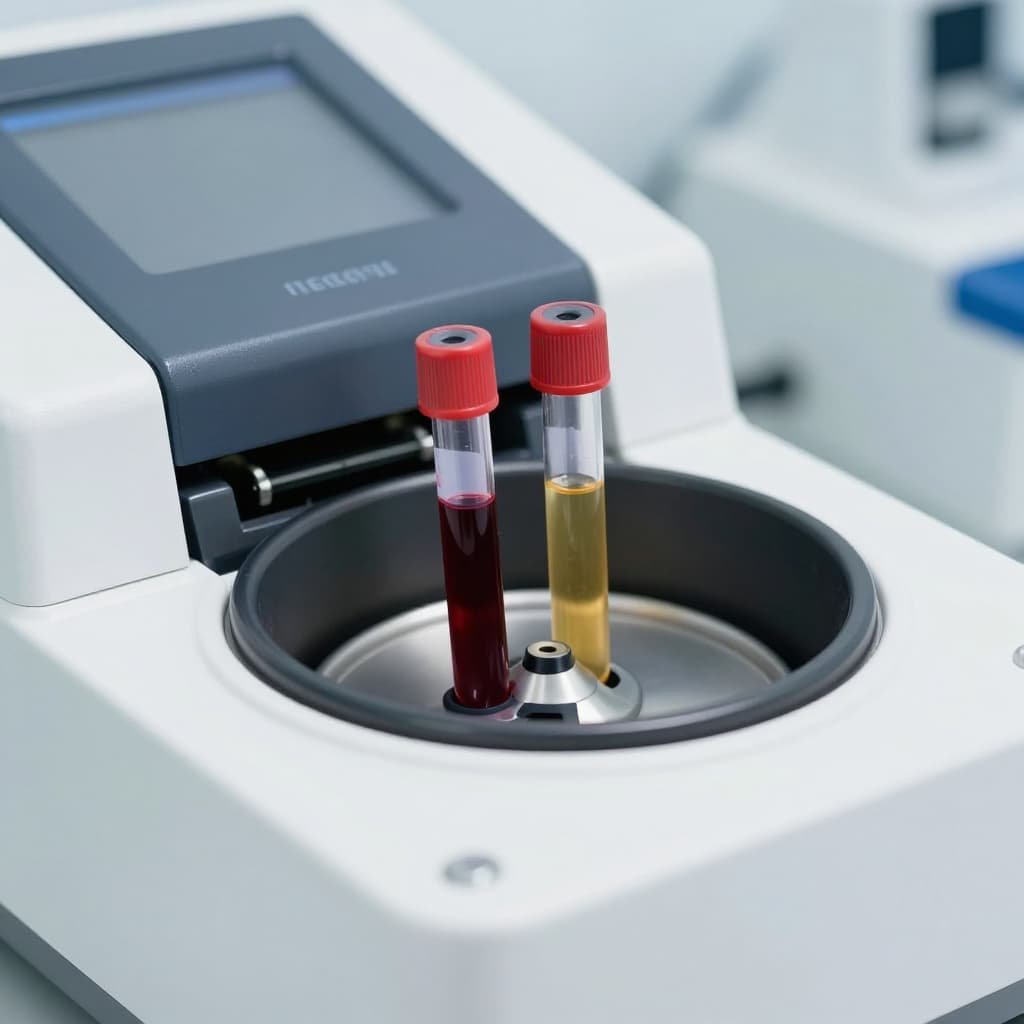
Platelets contain alpha granules. These granules store several growth factors, including platelet-derived growth factor (PDGF), vascular endothelial growth factor (VEGF), transforming growth factor-beta (TGF-β), and insulin-like growth factor (IGF). When activated, platelets release these factors into surrounding tissue.
In the context of male sexual health, PRP therapy for men’s performance issues is delivered via penile injection. This method is widely referred to as the Priapus Shot, the P-shot, or the P shot treatment. The term Priapus shot originates from the work of American physician Dr Charles Runels, who developed the protocol. In the UK, the P shot London and wider P shot UK offerings have grown substantially over the past decade.
The growth factors released from PRP stimulate local tissue repair, encourage neovascularisation, and may support nerve regeneration. Clinical interest in natural ED treatment using PRP therapy has grown as a result.
What Are Exosomes and How Do They Differ?
Exosomes are small extracellular vesicles. They measure approximately 30 to 150 nanometres in diameter. Cells across the body produce and release exosomes as part of normal intercellular communication.
Exosomes carry a complex cargo. This includes proteins, lipids, messenger RNA (mRNA), and microRNA. When exosomes reach target cells, they transfer this cargo across cell membranes. This process modulates gene expression and influences cellular behaviour.
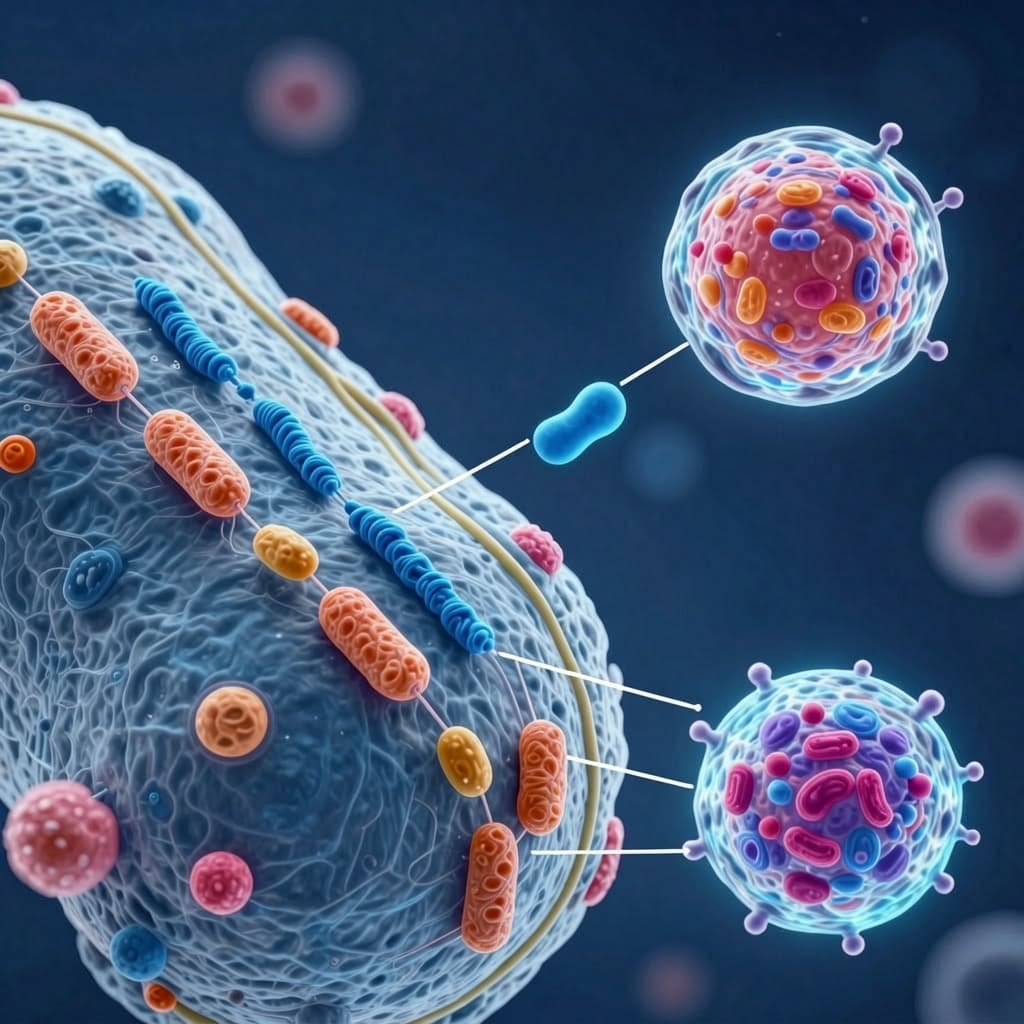
In regenerative medicine, exosomes derived from mesenchymal stem cells (MSCs) carry particularly potent signalling capacity. Research suggests MSC-derived exosomes can suppress inflammation, support angiogenesis, and promote tissue repair. Unlike PRP, exosome therapy uses cell-derived vesicles rather than blood components. Some formulations use autologous exosomes, derived from the patient’s own cells. Others use allogeneic preparations from donor cell lines.
The exosome vs PRP distinction is therefore not only biological but also logistical. PRP is always autologous and produced at the point of care. Exosome preparations may be standardised, manufactured in advance, and applied with more consistent dosing.
Exosomes vs PRP: A Structured Comparison
The table below summarises the key differences between the two therapies in the context of male sexual health.
| Feature | PRP (Priapus Shot / P-Shot) | Exosome Therapy |
| Source | Patient’s own blood (autologous) | Cell-derived extracellular vesicles |
| Key mechanism | Growth factors from platelets | Signalling molecules, mRNA, microRNA |
| Preparation time | 30–45 minutes | Ready-to-use (processed in lab) |
| Concentration variability | Varies by individual platelet count | Standardised dosing possible |
| Evidence base | Moderate — growing peer-reviewed data | Emerging — promising early-phase trials |
| Regulatory status (UK) | Established autologous therapy | Regulated under advanced therapy rules |
| Typical application | Penile injection for ED and function | Penile injection; sometimes combined with PRP |
| Suitable for | Most adult men | Selected cases; often combined therapy |
This comparison highlights that exosomes vs PRP is not a straightforward better or worse argument.
Each has distinct advantages and limitations. The appropriate choice depends on individual clinical circumstances.
The Evidence Base
Both therapies remain active areas of clinical research.
Neither has yet received a specific indication from the NHS or NICE for the treatment of erectile dysfunction. This does not render them ineffective, but it does mean that current use occurs largely within private clinical practice.
Evidence for PRP in Male Sexual Health
PRP has the longer clinical record of the two.
Several peer-reviewed studies have evaluated PRP-based regenerative therapy for ED in recent years.
A systematic review published in Sexual Medicine Reviews (2019) found early but promising evidence for the use of intracavernosal PRP injections in men with erectile dysfunction. The authors noted improvements in erectile function scores and patient-reported outcomes, though they called for larger randomised controlled trials.
A more recent study in the Journal of Sexual Medicine (2021) reported statistically significant improvements in the International Index of Erectile Function (IIEF) scores following PRP injection in men with mild to moderate ED. Improvements were observed at 3-month and 6-month follow-up points.
The advanced PRP solution for erectile dysfunction has also been studied alongside low-intensity shockwave therapy (LI-ESWT), with combined protocols showing enhanced outcomes compared to either treatment alone.
NICE does not currently recommend PRP therapy as a standard treatment for erectile dysfunction in the UK. However, it does not explicitly prohibit its use in the private sector. Practitioners must ensure patients receive appropriate counselling on the evidence base before proceeding.
Evidence for Exosome Therapy in Male Sexual Health
Exosome therapy has a shorter clinical history in male sexual health. Most evidence comes from preclinical studies or early-phase human trials. However, findings are scientifically compelling.
Animal model studies have demonstrated that MSC-derived exosomes can improve erectile function in diabetic and cavernous nerve injury models. A study published in Stem Cells Translational Medicine (2018) showed restoration of erectile function in a rat model following exosome injection, associated with increased smooth muscle content and reduced oxidative stress.
In human studies, early results are encouraging but limited by small sample sizes. A 2022 pilot study assessed exosome therapy in men with post-prostatectomy ED. Participants showed modest improvements in erectile function. The authors concluded that further research is necessary before recommending exosome therapy as a routine intervention.
The regulatory framework for exosome products in the UK is also more complex. Exosome preparations may be classified as Advanced Therapy Medicinal Products (ATMPs) under UK Medicines and Healthcare products Regulatory Agency (MHRA) guidance. This classification imposes additional scrutiny on manufacturing, quality control, and clinical application.
The P-Shot in Detail
The P-shot (Priapus shot) is the most established PRP-based protocol for male sexual health.
It is a non-surgical treatment for erectile dysfunction that has been administered at private clinics in the UK and internationally since the early 2010s.
What Does the P-Shot Involve?
The procedure begins with a blood draw from the patient. The blood is centrifuged to produce a concentrated PRP fraction. A topical anaesthetic cream is applied to the treatment area. The PRP is then injected into specific areas of the penis, including the corpus cavernosum and the glans.
The entire process takes approximately 45 to 60 minutes. Most men tolerate the procedure well.
Downtime is minimal. Side effects are generally mild and transient, including minor bruising or swelling at the injection site.
What Can the P-Shot Treat?
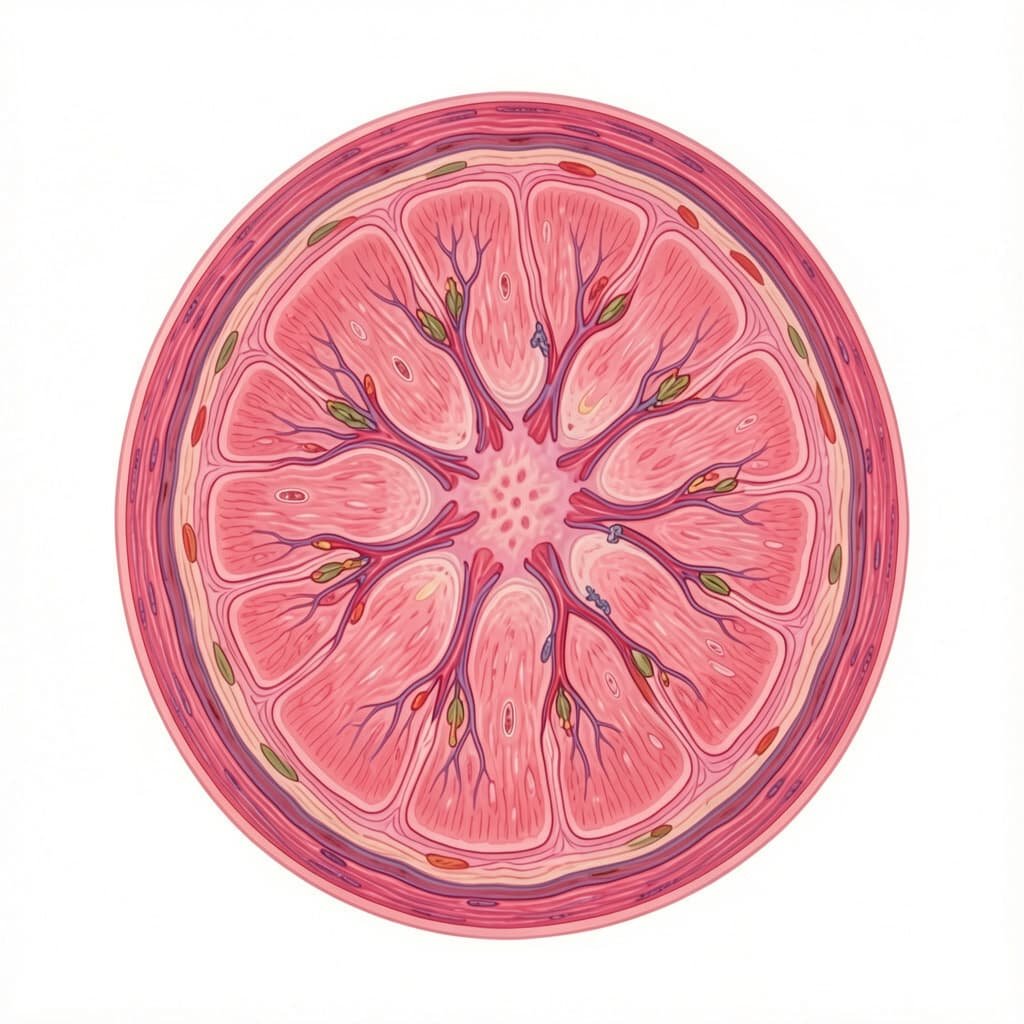
Clinicians offering this PRP-based regenerative therapy for ED typically assess patients for the following indications:
- Cases of mild to moderate erectile dysfunction
- Situations involving reduced penile sensitivity
- When addressing Peyronie’s disease alongside other therapies
- Sexual difficulties that may arise after prostate surgery
- Broader concerns related to overall sexual performance
Men interested in a penis shot or penile injection growth procedure should undergo a thorough medical assessment. This includes reviewing cardiovascular risk factors, hormonal status, and psychological factors that contribute to ED. An isolated biological intervention is unlikely to address all contributing factors.
P-Shot Before and After: Realistic Expectations
P-shot before and after outcomes vary between individuals.
Published data generally show improvements in erectile function, sensitivity, and patient satisfaction. However, effects are not uniform. Some men report significant benefit after one treatment. Others require multiple sessions before noticing a change. A proportion of patients may not respond at all.
Clinicians should discuss P-shot before and after expectations candidly. Overstating results does a disservice to patients and undermines the credibility of the therapy. The current evidence supports cautious optimism, not guaranteed outcomes.
Male Enlargement Injections Cost UK and Priapus Shot Price
Cost is a practical consideration for many patients.
Male enlargement injections cost UK varies between clinics and depends on the protocol used. Priapus shot price in the UK typically ranges from £600 to £1,500 per session at private clinics, depending on location, clinic credentials, and the experience of the practitioner. Some clinics offer combination packages that include multiple sessions or complementary treatments.
Men seeking non-surgical treatment for erectile dysfunction in London should request a detailed breakdown of costs, including consultation fees, before committing to a treatment plan.
Exosome Therapy in Male Sexual Health
Exosome therapy in male sexual health is an emerging field. It is not yet as widely available as PRP. However, interest is growing among clinicians and patients who are seeking more advanced regenerative options.
How Is Exosome Therapy Administered?
In most clinical protocols for male sexual health, exosomes are delivered via direct injection into penile tissue, analogous to the P-shot. Some clinics combine exosomes with PRP in a single session, aiming to exploit the complementary mechanisms of both therapies. The addition of exosomes to PRP may enhance the signalling environment, though this combination requires further validation.
Autologous Exosomes vs Allogeneic Preparations
A key distinction within exosome therapy is between autologous exosomes (derived from the patient’s own cells) and allogeneic preparations (derived from donor cell lines, typically MSCs).
Autologous exosomes carry no risk of immune reaction. However, harvesting them requires cell culture infrastructure and is logistically complex. Allogeneic preparations are more practical but carry a small theoretical risk of immune response. MHRA guidance applies to both, and practitioners must ensure they use only compliant products.
Who Might Benefit from Exosome Therapy?
Current evidence suggests exosome therapy may be most beneficial in cases where conventional PRP has produced insufficient results, where the underlying tissue damage is more severe, or where neurogenic ED is a factor. Men with diabetic ED may also represent a target population, based on preclinical data. However, clinical protocols for these groups require further development.
Exosomes vs PRP: How Clinicians Make the Decision
In clinical practice, the choice between exosomes vs PRP is rarely absolute.
Experienced practitioners assess each patient individually.
Several factors inform the clinical decision:
- The severity and underlying cause of erectile dysfunction
- Overall health status and platelet count, which are relevant for PRP effectiveness
- A record of prior treatments and interventions
- Preferences regarding autologous versus manufactured therapeutic products
- Strength of the available evidence in specific clinical scenarios
- Compliance of the chosen exosome product with regulatory standards
Men seeking men’s intimate health treatment in London or elsewhere in the UK should expect a detailed consultation before any treatment is recommended. A reputable clinic will not offer a fixed protocol without a thorough assessment.
Dr Syed Nadeem Abbas at pshots clinic uk offers consultations for men considering regenerative treatments for sexual health, using evidence-based protocols aligned with current UK guidance.
Safety Considerations
Safety of PRP
Because PRP uses the patient’s own blood, the risk of infection or immune reaction is very low.
The main risks are those associated with any injection procedure: haematoma, bruising, and localised discomfort. Serious adverse events are rare in published literature.
The NHS does not provide PRP for erectile dysfunction. However, the autologous nature of the therapy means it is generally accepted as safe within private clinical practice, provided sterile technique and proper preparation protocols are followed.
Safety of Exosome Therapy
Exosome therapy carries a favourable safety profile in early studies. However, the longer-term safety data are limited. Products classified as ATMPs are subject to more rigorous regulatory oversight. Patients should confirm that any exosome product used in their treatment complies with MHRA requirements.
Purchasing exosome products outside regulated supply chains poses a significant risk.
Clinicians and patients alike should exercise caution regarding unverified or unlicensed preparations.
The Role of PRP Combination Therapy
Advanced regenerative protocols increasingly combine PRP with other interventions. Low-intensity shockwave therapy is the most studied adjunct. The combination of shockwave therapy with PRP-based regenerative therapy for ED has shown synergistic effects in several small trials. Shockwave therapy promotes neovascularisation and may enhance the uptake of growth factors delivered via PRP.
Some clinics are now trialling exosome and PRP combination protocols. Early reports suggest this approach may amplify tissue repair signals. However, robust randomised controlled trial data for this combined approach are not yet available.
Frequently Asked Questions

1. What is the main difference between exosomes vs PRP for erectile dysfunction?
PRP uses growth factors extracted from the patient’s own blood to stimulate tissue repair. Exosomes use nano-sized vesicles carrying signalling molecules to modulate cellular behaviour. PRP has a longer evidence base. Exosome therapy is newer and may offer more targeted signalling capacity.
2. Is the P-shot (Priapus shot) available in London?
Yes. The P shot London is available at several private clinics, including those on Harley Street and in Marylebone. Patients should verify the credentials of the practitioner and confirm the protocol used.
3. How much does the Priapus shot cost in the UK?
Priapus shot price in the UK typically ranges from £600 to £1,500 per session. Male enlargement injections cost UK varies by clinic, location, and protocol. A detailed cost breakdown should be provided at consultation.
4. Is the P-shot safe?
The P-shot uses autologous PRP, which carries a low risk of adverse reaction. Side effects are generally mild and include temporary bruising or swelling. Serious complications are uncommon in clinical literature. Patients should have the procedure performed only by trained medical professionals.
5. Does exosome therapy require regulatory approval in the UK?
Certain exosome preparations may fall under the MHRA’s classification of Advanced Therapy Medicinal Products (ATMPs). This imposes specific manufacturing and quality standards. Patients should confirm that any exosome product used in their treatment meets MHRA requirements.
6. Can PRP and exosomes be used together?
Some clinics offer combination protocols. Early evidence suggests combining the two may enhance regenerative outcomes. However, this remains an emerging area, and definitive clinical trial data are not yet available.
7. Are these treatments available on the NHS?
Neither PRP therapy for men’s performance issues nor exosome therapy is currently recommended by NICE or available on the NHS for erectile dysfunction. Both are offered within the private sector, subject to appropriate clinical assessment.
8. What results should I expect from a P-shot before and after treatment?
P-shot before and after outcomes vary. Results are not guaranteed. Some men report meaningful improvements in erectile function and sensitivity within 4 to 8 weeks. Others may require multiple sessions. Results depend on the underlying cause of dysfunction, overall health, and individual biological response.
Key Takeaways
The exosomes vs PRP debate in male sexual health does not produce a definitive winner.
PRP, delivered as the Priapus shot or P-shot treatment, carries the stronger evidence base and a well-established safety record. It remains the most accessible non-surgical treatment for erectile dysfunction in London and across the UK.
Exosome therapy offers a scientifically compelling but less clinically mature alternative. It may ultimately prove superior in specific populations, particularly where neurogenic or vascular damage is more severe. The development of standardised exosome preparations and the completion of larger randomised controlled trials will be decisive.
For men considering regenerative treatment for male health in the UK, the priority should be an honest consultation with a qualified clinician. Both therapies demand careful patient selection, informed consent, and realistic expectation-setting. No regenerative treatment should be presented as a guaranteed solution.
The science of cellular repair in sexual medicine is advancing rapidly.
As it does, the distinction between exosomes and PRP may become less important than understanding precisely which biological signals a given patient’s tissue needs to recover. The real question may not be which therapy is better — but which one is right for you, and why.
read more: Platelet-Derived Growth Factor in PRP: How It Helps Repair Penile Tissue
Priapus Shot London – The Science Behind Platelet-Rich Plasma Therapy


