Low Libido vs Erectile Dysfunction: What Is the Difference?

Sexual health problems in men are common, clinically significant, and frequently misunderstood. Many men use the terms low libido and erectile dysfunction interchangeably, yet these are distinct clinical conditions with different physiological mechanisms, causes, and treatment pathways. Misidentifying one for the other leads to delays in appropriate diagnosis and, in some cases, missed opportunities to detect serious underlying conditions such as cardiovascular disease, hypogonadism, or diabetes mellitus.
According to the NHS, erectile dysfunction affects approximately one in five men over the age of 40 in the United Kingdom. Estimates from NICE indicate that reduced sexual desire is similarly prevalent, particularly among men aged 40 to 70. Despite this, a large proportion of men do not seek medical advice, often due to embarrassment or the assumption that such changes are an inevitable part of ageing.
The clinical distinction between low libido vs erectile dysfunction is not merely academic. It determines which investigations are appropriate, which hormonal or vascular pathways require assessment, and which treatment strategies are likely to be effective. This article examines both conditions in detail — covering definitions, causes, diagnostic criteria, and treatment options including regenerative approaches such as the P-Shot — and explains how a structured clinical assessment can distinguish between them.
Defining the Two Conditions
What Is Erectile Dysfunction?
Erectile dysfunction (ED) is the consistent inability to achieve or maintain an erection of sufficient rigidity for satisfactory sexual intercourse. The word ‘consistent’ is important here. Occasional difficulty is common and does not constitute ED. Clinically, a diagnosis requires the problem to persist over several weeks to months.
The International Society of Sexual Medicine (ISSM) and NICE both define ED in functional rather than psychological terms. Consequently, the underlying mechanism involves impaired blood flow to the corpora cavernosa, disrupted nitric oxide signalling, nerve damage, or hormonal insufficiency — or a combination of these factors.
Key clinical signs of erectile dysfunction include:
- Some men notice erections that feel softer or fade more quickly than they once did.
- A lack of morning or nocturnal erections can also be a sign of change.
- Achieving an erection during partnered sexual activity may become difficult.
- In certain cases, erections occur during masturbation but not with a partner, which can point toward a psychological factor.
- Despite these challenges, sexual desire and arousal are usually preserved.
What Is Low Libido?
Low libido — clinically described as hypoactive sexual desire disorder (HSDD) in male patients — refers to a persistent reduction in sexual interest, drive, or motivation. The problem lies in the desire phase of the sexual response cycle, not in the physical capacity to achieve erection.
A man with low libido may have entirely normal erectile function when sexual desire is present. However, that desire surfaces rarely or not at all. This distinction is central to the low libido vs erectile dysfunction assessment.
Key clinical signs of low libido include:
- Sexual thoughts and fantasies may be absent or greatly diminished.
- Many individuals report little interest in initiating or participating in sexual activity.
- Spontaneous arousal tends to be reduced, even in situations that would normally be stimulating.
- When arousal does occur, erections are typically normal.
- Additional symptoms can include fatigue, low mood, decreased muscle mass, and cognitive difficulties.
Low Libido vs Erectile Dysfunction: A Clinical Comparison
The table below summarises the core clinical differences. Both conditions can coexist, which is why a structured diagnostic assessment — rather than self-diagnosis — is essential.
| Feature | Erectile Dysfunction | Low Libido |
| Core problem | Impaired erection quality or duration | Reduced sexual desire or motivation |
| Sexual desire | Usually present and normal | Absent or significantly reduced |
| Erectile function | Impaired — soft, brief, or absent | Normal when arousal is present |
| Primary drivers | Vascular, neurological, hormonal, psychological | Hormonal (low testosterone), psychological, lifestyle |
| Key red flag | May signal cardiovascular disease or diabetes | May signal hypogonadism or depression |
| Recommended first test | Blood pressure, fasting glucose, lipids, testosterone | Morning total testosterone, LH, prolactin, thyroid |
| First-line treatment | PDE5 inhibitors, lifestyle, regenerative therapies | Testosterone optimisation, lifestyle, psychological support |
Causes of Erectile Dysfunction
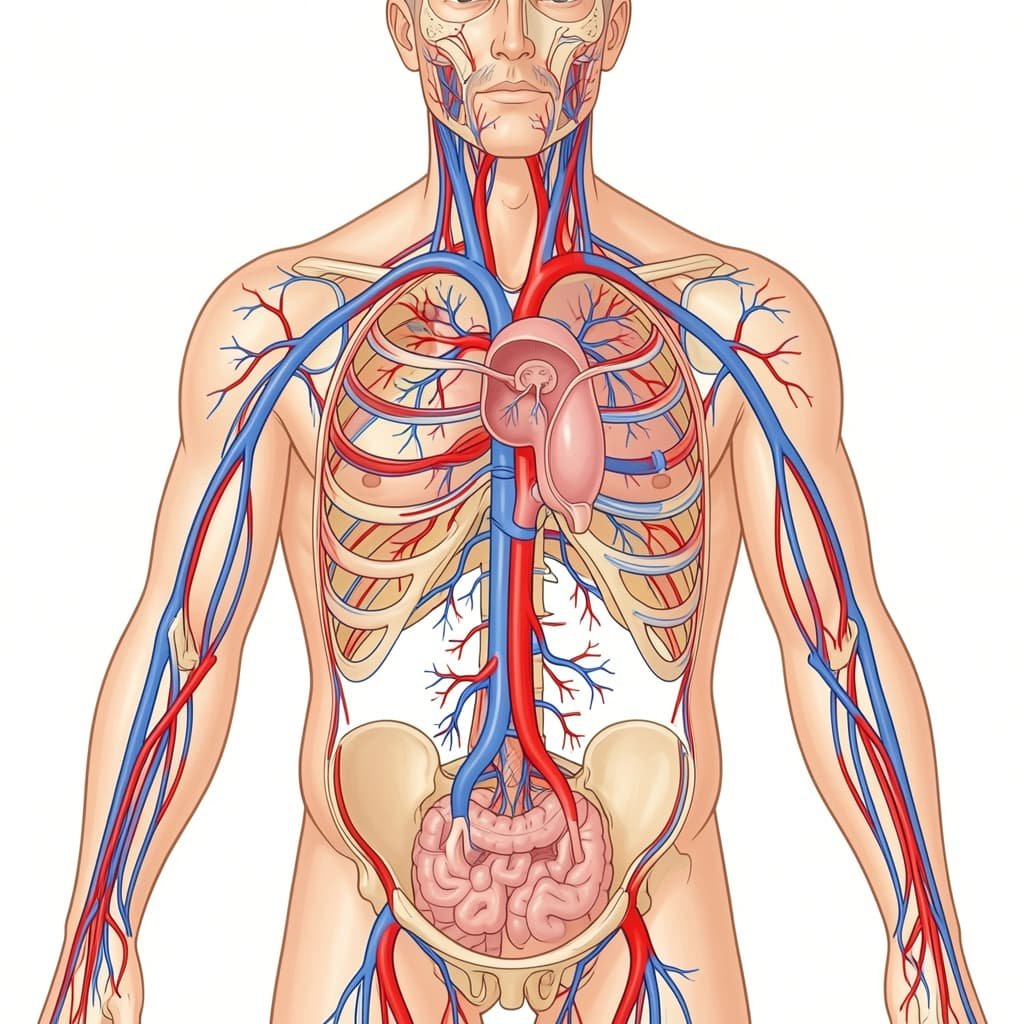
ED is predominantly a vascular and neurological condition. The physiological sequence for erection depends on adequate arterial inflow, venous occlusion, intact nerve signalling, and sufficient nitric oxide release from endothelial cells. Disruption of any single component can cause or worsen ED.
Cardiovascular and Metabolic Causes
Erectile dysfunction is now recognised as an early marker of cardiovascular disease. The penile arteries are narrow — approximately 1 to 2 millimetres in diameter — and endothelial dysfunction manifests in these vessels years before it becomes apparent in larger coronary arteries. Research published in the European Heart Journal demonstrated that men with new-onset ED carry an approximately 1.6-fold increased risk of coronary heart disease, independent of other risk factors.
Established vascular risk factors associated with ED include:
- Hypertension can impair endothelial function and reduce arterial flexibility.
- Elevated lipid levels contribute to atherosclerotic plaque buildup within penile blood vessels.
- Type 2 diabetes mellitus often leads to both microvascular and macrovascular injury, with peripheral neuropathy as a common complication.
- Excess body weight is linked to lower testosterone levels and heightened systemic inflammation.
- Smoking further accelerates endothelial damage while diminishing nitric oxide availability.
Hormonal Causes
Low testosterone contributes to both reduced libido and impaired erectile function. Nevertheless, testosterone alone does not drive the erectile mechanism. The majority of the vasodilatory response depends on nitric oxide, which is why testosterone-only treatment does not reliably resolve ED in men with normal levels.
Neurological Causes
Nerve damage from radical prostatectomy, spinal cord injury, or multiple sclerosis can disrupt the autonomic signals required for erection. Furthermore, this form of ED is typically unresponsive to PDE5 inhibitors alone, and regenerative treatments carry particular relevance in these cases.
Psychological and Situational Causes
Performance anxiety, depression, and relationship discord can trigger or perpetuate ED. Psychogenic ED is more common in younger men and typically presents with intact nocturnal erections but absent or inconsistent erections during partnered activity.
Medication-Induced ED
Several commonly prescribed drugs reduce erectile function, including beta-blockers, thiazide diuretics, selective serotonin reuptake inhibitors (SSRIs), antipsychotics, and finasteride. Accordingly, a medication review forms part of any complete ED assessment.
Causes of Low Libido in Men
Low libido rarely exists in isolation. Most cases reflect an underlying physiological or psychological imbalance. Identifying the root cause is therefore essential before selecting treatment.
Low Testosterone (Hypogonadism)
Testosterone is the primary androgen driving male sexual desire. NICE guideline NG234 recommends testing morning serum testosterone in men presenting with reduced libido, fatigue, and loss of spontaneous erections. Total testosterone below 8 nmol/L, or between 8 and 12 nmol/L with persistent symptoms, indicates probable hypogonadism requiring further assessment.
Notably, testosterone levels fluctuate diurnally and between laboratories. A single result is consequently insufficient. NICE recommends repeating the test on a second occasion before reaching a diagnosis.
Depression and Psychological Factors
Depression reduces dopaminergic activity in the reward pathways that mediate sexual motivation. Paradoxically, SSRIs prescribed for depression also suppress libido, creating a clinical dilemma. For this reason, any assessment of low libido should include validated mood screening tools such as the PHQ-9.
Chronic Stress and Sleep Disruption
Elevated cortisol from chronic stress suppresses the hypothalamic-pituitary-gonadal axis, thereby reducing testosterone secretion. Poor sleep independently lowers testosterone — research from the University of Chicago demonstrated that one week of restricted sleep reduced daytime testosterone levels in young men by 10 to 15 per cent.
Other Hormonal Imbalances
Hyperprolactinaemia (elevated prolactin) suppresses gonadotropin-releasing hormone, reducing testosterone and libido. Similarly, hypothyroidism reduces sexual drive. Both conditions require specific blood tests for detection.
Can Low Libido and Erectile Dysfunction Coexist?
Yes — and coexistence is common, particularly in men over 50. The most frequent underlying cause of combined presentation is low testosterone, which impairs both sexual motivation and the androgenic support for nitric oxide synthesis.
Depression, obesity, and chronic cardiovascular disease also drive both conditions simultaneously. In clinical practice, therefore, the low libido vs erectile dysfunction distinction does not always yield a clean binary. Many men present on a spectrum requiring assessment of desire, function, hormonal status, and vascular health together.
A structured blood panel — including morning total testosterone, LH, FSH, prolactin, fasting glucose, HbA1c, and lipids — is the most efficient single investigation for separating the contributory factors.
Diagnosis: What a Clinical Assessment Involves
A rigorous assessment of low libido vs erectile dysfunction follows a consistent framework regardless of the presenting symptom.
Step 1: Structured History
A clinician takes a detailed history covering: onset and duration of symptoms; presence or absence of morning erections; relationship context; medication history; alcohol and tobacco use; cardiovascular risk factors; and psychological symptoms including mood, anxiety, and sleep quality.
Step 2: Validated Questionnaires
The International Index of Erectile Function (IIEF-5) quantifies erectile function severity on a validated scale. In addition, the PHQ-9 screens for depression. Together, these tools guide the diagnostic pathway objectively.
Step 3: Physical Examination and Blood Pressure
Testicular volume, secondary sexual characteristics, and blood pressure are assessed. Elevated blood pressure is both a cause and consequence of ED, and its detection has direct management implications.
Step 4: Blood Panel
Core investigations include morning total testosterone (repeat if low), LH, FSH, prolactin, fasting glucose, HbA1c, full lipid profile, and thyroid function. Collectively, these tests screen for hypogonadism, diabetes, cardiovascular risk, and secondary hormonal dysfunction.
Step 5: Penile Doppler Ultrasound
In selected cases of ED where vascular pathology is suspected, a colour duplex Doppler ultrasound of the penile arteries quantifies arterial peak systolic velocity and end-diastolic velocity. This investigation guides decisions on regenerative treatments such as shockwave therapy and the P-Shot.
Treatment Options for Erectile Dysfunction
Lifestyle Modification
Lifestyle intervention is first-line in all international guidelines. Weight loss, aerobic exercise, smoking cessation, and alcohol reduction demonstrably improve erectile function by improving endothelial health, testosterone levels, and cardiovascular fitness. A 2019 systematic review in the Journal of Sexual Medicine found that exercise-based intervention significantly improved IIEF-5 scores in men with mild to moderate ED.
PDE5 Inhibitor Medications
Phosphodiesterase type 5 inhibitors — including sildenafil, tadalafil, vardenafil, and avanafil — are the established pharmacological first-line for ED. These agents inhibit the enzyme responsible for degrading cyclic GMP, sustaining the smooth muscle relaxation and arterial inflow required for erection. Crucially, they require sexual stimulation to work and do not address the underlying cause of ED. In the UK, all PDE5 inhibitors require a valid prescription.
Regenerative Treatments: The P-Shot
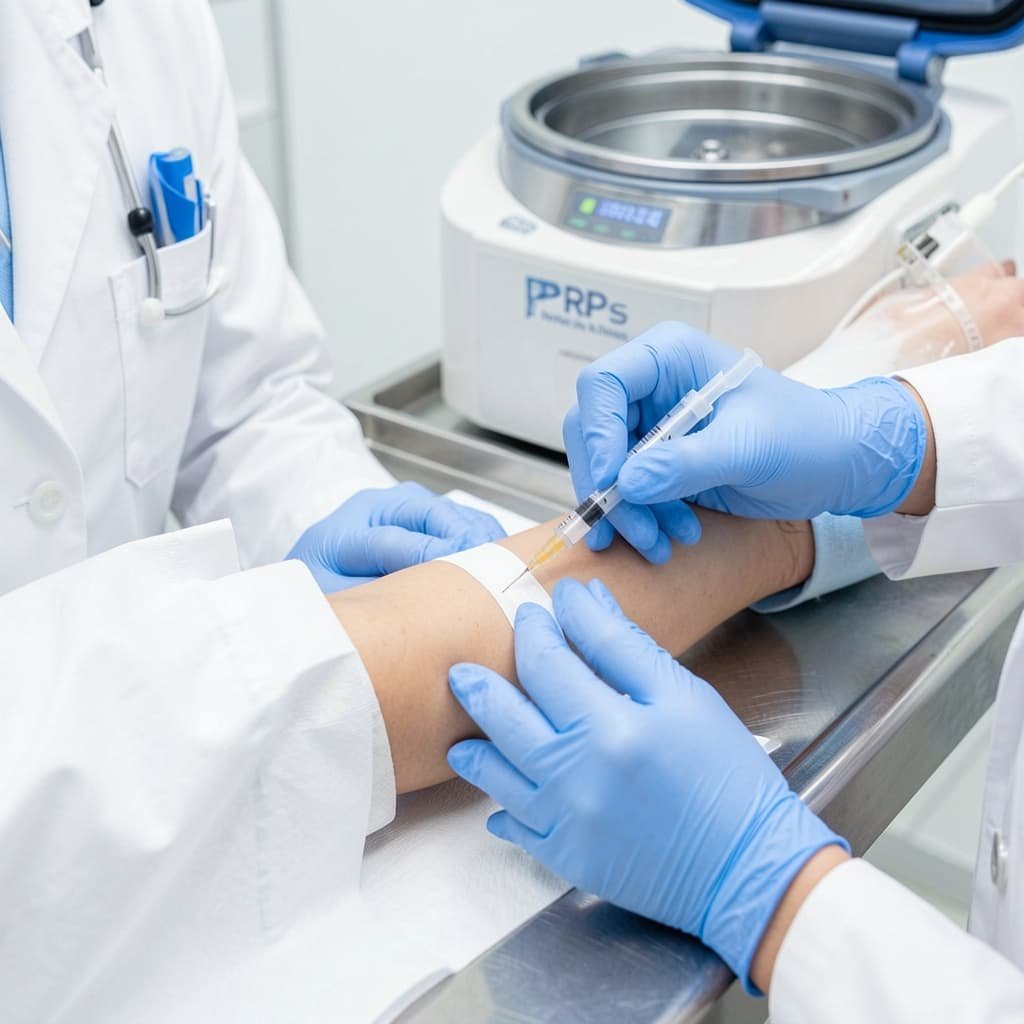
The Priapus Shot — commonly referred to as the P-Shot or P Shot — represents a regenerative approach to erectile dysfunction that addresses underlying tissue damage rather than masking symptoms.
The procedure uses platelet-rich plasma (PRP) derived from the patient’s own blood. Autologous blood is drawn, centrifuged to concentrate growth factors, and injected into the corpora cavernosa and glans penis under local anaesthetic. The growth factors contained in PRP — including platelet-derived growth factor (PDGF), vascular endothelial growth factor (VEGF), and transforming growth factor-beta (TGF-β) — stimulate angiogenesis, collagen remodelling, and smooth muscle regeneration.
Published evidence for PRP therapy for men’s performance issues is growing. A 2021 study in the Sexual Medicine journal reported significant improvement in IIEF scores following P-Shot treatment in men with mild to moderate ED. Moreover, a 2020 placebo-controlled trial published in the Journal of Sexual Medicine found that PRP injection improved erectile rigidity and patient-reported satisfaction versus placebo at 6-month follow-up.
What to Expect from P-Shot Treatment
The Priapus Shot (P-Shot) is a platelet-rich plasma (PRP)–based regenerative therapy designed to improve erectile function. It is not a universal cure for erectile dysfunction (ED), and outcomes depend on factors such as age, vascular health, and coexisting medical conditions. Patients typically notice gradual improvements over 8 to 12 weeks as tissue repair and regeneration occur. The procedure is non-surgical, carries a low risk of adverse events when performed by a trained clinician, and is distinct from synthetic fillers or mechanical devices.
Clinical data suggests that appropriately selected patients may experience measurable gains in erectile rigidity and penile sensitivity. However, results vary, and before-and-after assessments should be interpreted within structured medical reviews rather than anecdotal accounts. In practice, the P-Shot is often combined with vacuum erection device protocols to enhance tissue response. Importantly, it is not a cosmetic enlargement injection but a therapy aimed at restoring erectile function through vascular and tissue regeneration.
Men considering treatment in London may undergo a comprehensive diagnostic workup to determine suitability. Clinics such as those led by Dr. Syed Nadeem Abbas at pshots clinic uk offer consultations that include eligibility assessment and discussion of treatment costs. The therapy uses autologous biological material, reducing the risk of immune reaction compared to other injectable agents. For patients comparing ED treatments, it is important to note that the P-Shot works differently from PDE5 inhibitors, vacuum devices, or pharmacological injections like alprostadil. Those exploring natural, regenerative approaches should seek guidance from a qualified clinician to understand the evidence and determine the most appropriate option for their individual case.
This rewritten version is under 300 words and maintains clarity, balance, and clinical accuracy. Would you like me to also condense it into a patient-friendly summary, perhaps in a brochure-style format?
Other Treatment Modalities
Additional evidence-based options for ED include:
- Low-intensity extracorporeal shockwave therapy (Li-ESWT) encourages new blood vessel growth in penile tissue, and NICE has issued guidance highlighting its potential role.
- For men who do not respond to PDE5 inhibitors, intracavernosal alprostadil can be used to directly relax smooth muscle.
- Non-pharmacological options such as vacuum erection devices are particularly valuable for penile rehabilitation following surgery.
- In cases of refractory erectile dysfunction, surgical implantation of a penile prosthesis may be considered, though it is not a first-line treatment.
Treatment Options for Low Libido
Testosterone Replacement Therapy (TRT)
Where confirmed hypogonadism is the cause of low libido, testosterone replacement therapy is the evidence-based treatment. NICE guideline NG234 (2022) supports TRT for men with total testosterone consistently below 8 nmol/L, or below 12 nmol/L with symptomatic hypogonadism. Available forms include intramuscular injections, transdermal gels, and buccal tablets. TRT requires ongoing monitoring of haematocrit, PSA, and cardiovascular parameters.
TRT is not without risk. It can suppress spermatogenesis, raise haematocrit, and affect lipid profiles. As a result, shared decision-making and informed consent are essential components of initiation.
Psychological Therapies
Where low libido is driven by depression, anxiety, or relationship conflict, cognitive behavioural therapy (CBT) and psychosexual counselling are appropriate first-line options. The British Association for Sexual and Relationship Therapy (BASRT) provides accreditation for UK practitioners.
Lifestyle Interventions
Sleep quality improvement, stress management, alcohol reduction, and regular exercise produce measurable improvements in testosterone levels and sexual motivation. These interventions are low-risk and applicable to virtually all men with low libido, regardless of the primary cause.
Peptide Therapies
PT-141 (bremelanotide), a melanocortin receptor agonist, acts centrally on arousal pathways rather than peripherally on vascular mechanisms. Although it is licensed in the United States for female HSDD and is under investigation for male sexual desire disorders, evidence remains limited and it is not currently approved for routine use in the UK.
NHS Pathway Versus Private Men’s Health Clinics in the UK
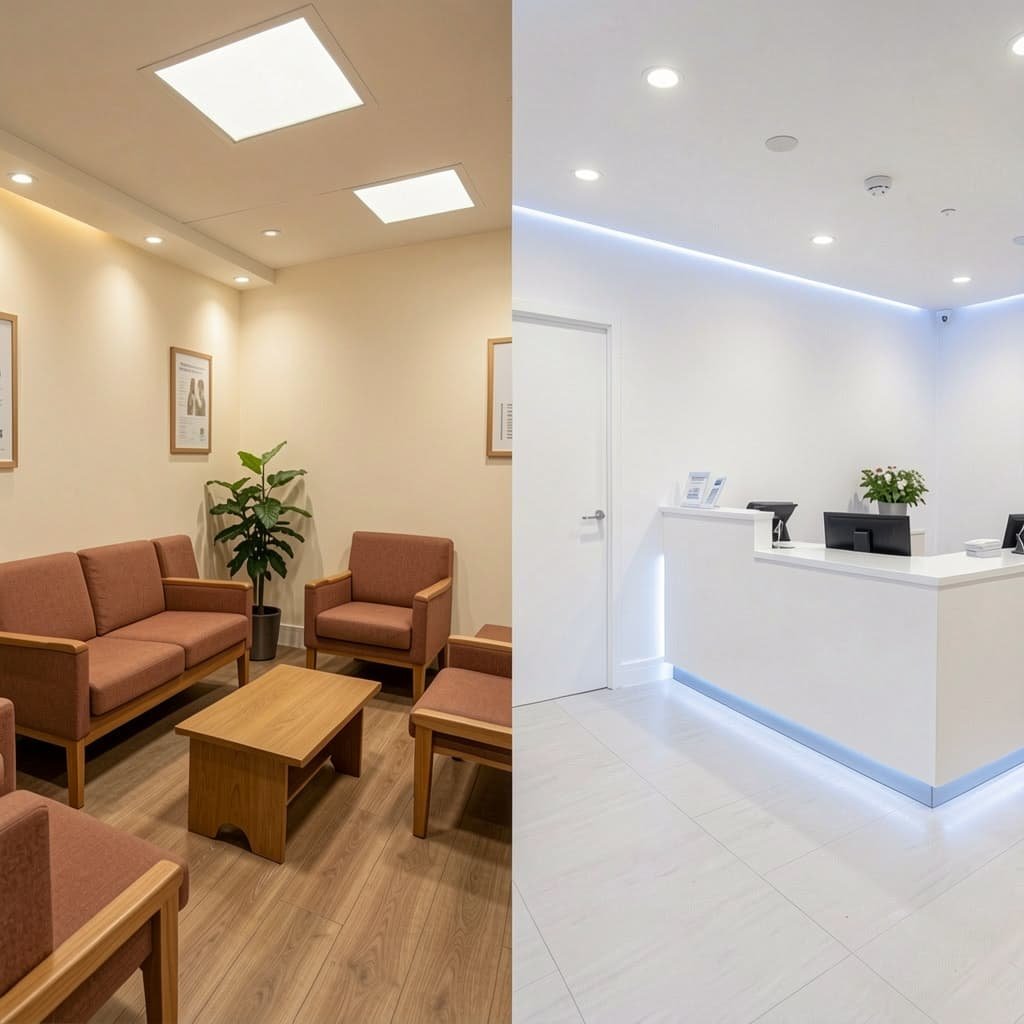
The NHS offers GP assessment, basic blood testing, and referral to urology or endocrinology for ED and hormonal disorders. PDE5 inhibitors are available on NHS prescription under defined criteria. However, waiting times for specialist referral can extend to several months, and not all diagnostic investigations — such as penile Doppler ultrasound — are routinely available in primary care.
By contrast, private men’s health clinics offer same-day consultation, comprehensive blood panels, and access to men’s intimate health treatment in London including regenerative procedures such as the P Shot UK — within a single clinical visit. This accelerated pathway is clinically relevant where ED may signal early cardiovascular disease requiring prompt investigation.
Men exploring P Shot London or male enlargement injections cost UK should confirm that any private clinic offers a full diagnostic assessment before proceeding to treatment. Regenerative procedures performed without adequate screening are inappropriate and potentially unsafe.
Age-Related Considerations
Men Under 40
ED in younger men is more frequently psychogenic or drug-induced. Nevertheless, metabolic factors — obesity, insulin resistance, and subclinical hypertension — are increasingly prevalent in this age group. Testosterone deficiency is less common but should not be excluded without testing. Low libido in men under 40 should prompt screening for depression and thyroid dysfunction.
Men Aged 40 to 60
This age group sees the highest convergence of vascular risk and hormonal decline. The low libido vs erectile dysfunction distinction becomes most clinically complex here, as both conditions often coexist. Full metabolic and hormonal screening is therefore essential. Cardiovascular risk stratification — using validated tools such as QRISK3 — is appropriate before initiating any treatment.
Men Over 60
Age-related decline in testosterone (late-onset hypogonadism) and accelerated vascular disease are primary drivers in this group. Treatment decisions must account for cardiovascular status, medication polypharmacy, and comorbidities. Furthermore, TRT in this age group requires careful monitoring.
Frequently Asked Questions
1. How does a clinician distinguish low libido from erectile dysfunction?
A structured history identifies whether the problem is primarily one of desire (low libido) or physical function (ED). Validated questionnaires, hormonal blood panels, and in selected cases a penile Doppler ultrasound confirm the diagnosis.
2. Can low testosterone cause both low libido and erectile dysfunction?
Yes. Testosterone supports both sexual motivation and the androgenic contribution to nitric oxide synthesis. Confirmed hypogonadism may consequently present with reduced libido, softer erections, loss of morning erections, fatigue, and low mood simultaneously.
3. Is the P-Shot suitable for all men with erectile dysfunction?
No. The P-Shot treatment is most appropriate for men with mild to moderate ED, particularly where vascular damage is the contributing factor. It is not recommended as first-line for severe ED or for ED caused by complete nerve damage. A full clinical assessment is required before the procedure is offered.
4. What does the P-Shot procedure involve?
A small volume of blood is drawn from the patient and centrifuged to produce PRP. Under local anaesthetic, the PRP is subsequently injected into specific areas of the penis using a fine needle. The procedure takes approximately 45 to 60 minutes in a clinical setting. Most men return to normal activities the same day.
5. Is testosterone replacement therapy available on the NHS for low libido?
NICE guideline NG234 supports NHS provision of TRT for men with confirmed hypogonadism (testosterone consistently below 8 nmol/L or symptomatic with levels below 12 nmol/L). Access to NHS-funded TRT depends on local commissioning and the prescribing clinician’s assessment.
6. How long does it take to see results from regenerative ED treatments?
Results from PRP-based regenerative therapy for ED typically emerge over 8 to 12 weeks as tissue remodelling progresses. Some patients report improvement in erectile quality within 4 to 6 weeks. Outcomes depend on baseline erectile function, age, and comorbidity burden.
7. When should a man seek urgent medical advice for sexual health problems?
New-onset ED, particularly in men under 60 without an obvious lifestyle explanation, warrants prompt medical review to exclude cardiovascular disease and diabetes. Sudden loss of libido accompanied by fatigue, weight change, or visual disturbance should additionally prompt urgent endocrine assessment.
Conclusion
The low libido vs erectile dysfunction distinction represents one of the most clinically important assessments in men’s sexual health. These conditions share overlapping presentations but differ fundamentally in mechanism, cause, and treatment. Approaching either condition without a structured diagnostic workup risks misdiagnosis, inappropriate treatment, and — in cases where ED signals early vascular disease — a missed opportunity for cardiovascular risk reduction.
Evidence-based management integrates lifestyle intervention, hormonal assessment, pharmacological treatment, and — where appropriate — regenerative approaches such as PRP therapy for men’s performance issues. The P-Shot, alongside shockwave therapy and PDE5 inhibitors, forms part of a tiered treatment strategy for men with ED who require more than symptomatic management.
Men experiencing either condition in the UK can access NHS assessment through a GP or seek a comprehensive private evaluation at a specialist men’s health clinic, where same-day diagnostics and a broader range of treatment options are available.
The key question every clinician and patient should ask is not simply whether an erection is achievable — but what the inability or unwillingness to achieve one is telling the body about its broader health.
read more:
The Psychological Impact of ED on Relationships