The Psychological Impact of ED on Relationships

Erectile dysfunction (ED) extends far beyond the individual. It reaches into the intimate fabric of a partnership. Research consistently shows that ED and relationships are inseparable — when one suffers, so does the other.
Approximately 4.3 million men in the United Kingdom experience erectile dysfunction. The British Society for Sexual Medicine (BSSM) recognises ED as a major contributor to male psychological distress. Yet the relational consequences remain under-discussed in clinical settings.
This article examines the bidirectional psychological burden that ED places on partnerships. It addresses how emotional withdrawal, communication breakdown, misattribution of blame, and loss of intimacy manifest in affected couples. It also contextualises the emerging role of regenerative treatments — including the P-Shot — within a broader, evidence-informed therapeutic framework.
Clinicians and patients both benefit from understanding one central truth: ED is not a personal failing. It is a medical condition with documented psychological sequelae that extend well beyond the bedroom.
Understanding the Psychological Burden of Erectile Dysfunction
Erectile dysfunction triggers a cascade of emotional responses. These responses affect both the man experiencing the condition and the partner involved. The NHS acknowledges that psychological factors — including depression, anxiety, and relationship stress — both cause and worsen ED.
A widely cited biopsychosocial model frames ED as a condition where physical, psychological, and relational variables interact continuously. This model, endorsed by the European Association of Urology (EAU), underpins modern clinical assessment.
The Psychological Profile of Men with ED
Men with ED commonly report: shame, reduced self-worth, diminished masculine identity, and anticipatory anxiety about sexual encounters.
A 2021 review published in Sexual Medicine Reviews found that men with ED scored significantly higher on measures of generalised anxiety and depression compared to sexually functional peers. Notably, the psychological burden persisted even after successful physiological treatment — suggesting that emotional recovery requires its own therapeutic pathway.
Performance anxiety creates a self-perpetuating cycle. The fear of failure inhibits the parasympathetic nervous system response required for erection. This cycle is not resolved simply by addressing vascular or hormonal pathology. It requires simultaneous attention to the man’s psychological state.
Neurological Pathways: How Anxiety Suppresses Erectile Function
The hypothalamic-pituitary-adrenal (HPA) axis governs the stress response. When activated chronically — as occurs during sustained performance anxiety — it elevates cortisol and suppresses testosterone. Both outcomes directly impair erectile function.
Simultaneously, the sympathetic nervous system dominates. Penile smooth muscle remains contracted. Blood cannot engorge the corpora cavernosa. The result is physiological ED driven by a psychological trigger.
This neurological mechanism explains why ED and relationships deteriorate even in couples where both partners are emotionally committed. The condition is not a reflection of desire or attraction.
How Erectile Dysfunction Affects Intimate Partnerships

Partner Emotional Responses
The Female Experience of Men’s Attitudes to Life Events and Sexuality (FEMALES) study — published in The Aging Male — found that partners of men with ED report significant emotional distress independent of the affected individual’s own experience. Partners frequently internalise the condition.
Common partner responses include:
- Feelings of self-blame often arise, with erectile difficulties interpreted as a sign of diminished attraction or emotional distance.
- The prospect of initiating intimacy can trigger anxiety, rooted in fear of rejection.
- To shield themselves from further distress, some individuals begin to avoid physical closeness.
- Over time, silent frustration builds, gradually leading to emotional withdrawal.
These responses compound the man’s existing shame. A destructive loop emerges: avoidance leads to reduced intimacy, which worsens emotional distance, which heightens performance anxiety.
Communication Breakdown as a Primary Consequence
NICE guidelines on sexual dysfunction highlight that open communication between partners is a core therapeutic target — not merely a desirable outcome. Yet ED systematically erodes this communication.
Men often delay disclosure for months or years. Help-seeking behaviour remains low. A 2022 survey by the British Journal of General Practice found that fewer than 40% of men with ED had discussed the condition with a GP. This silence is rarely due to indifference. It reflects the depth of stigma associated with sexual dysfunction in male populations.
When communication does break down, partners misinterpret symptoms. The unspoken nature of ED and relationships damage becomes self-reinforcing.
Misattribution of Blame and Infidelity Suspicion
A particularly damaging consequence involves misattribution. Partners — uninformed about the medical basis of ED — sometimes suspect infidelity as an explanation for reduced sexual interest. This misattribution introduces significant relational distrust.
Research from the Journal of Sexual Medicine indicates that a notable proportion of partners initially interpret ED as a sign of emotional disengagement or external romantic interest. Without clinical education about the neurobiological and vascular basis of the condition, this misinterpretation persists.
The Bidirectional Nature of ED and Relationship Distress
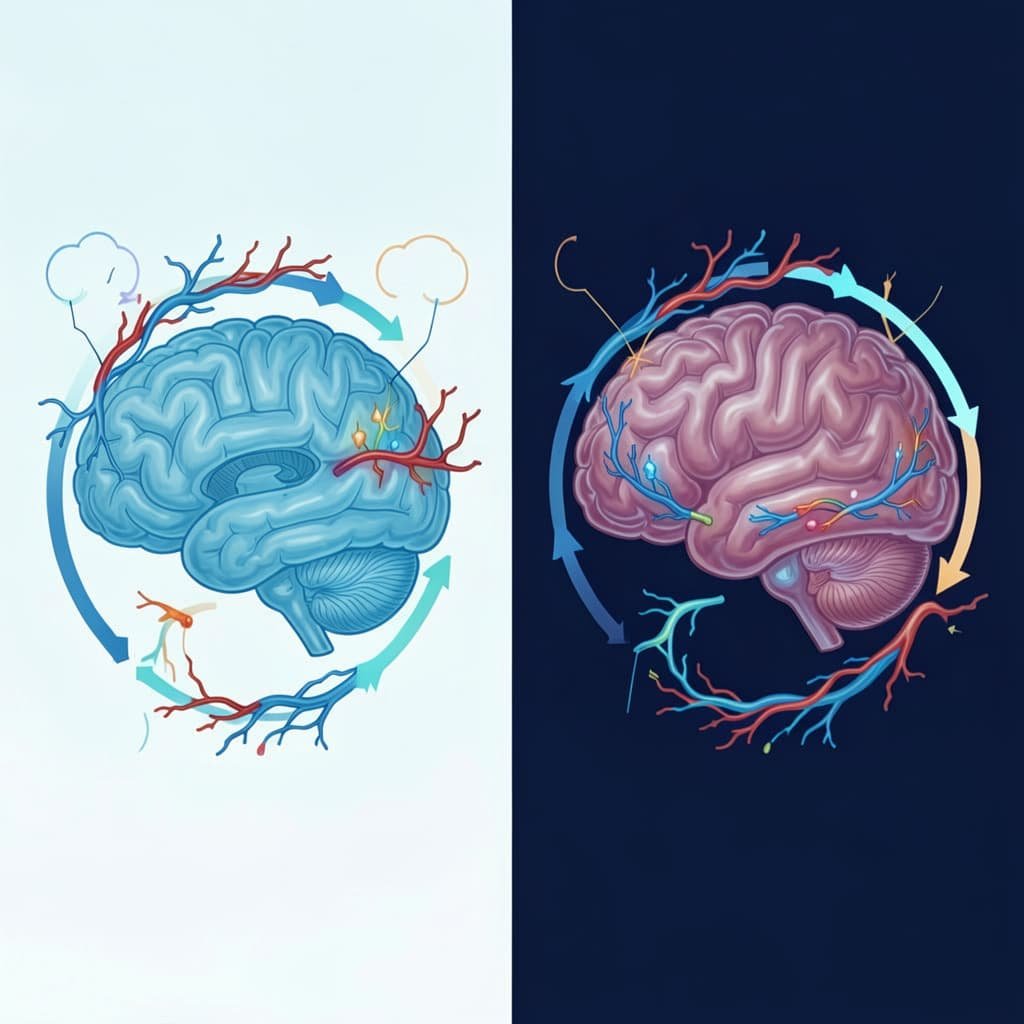
ED does not simply affect an existing relationship. Relationship distress itself can precipitate and sustain ED. This bidirectional dynamic is well established in the psychosexual literature.
A landmark study published in the Journal of Urology found that relationship dissatisfaction predicted ED onset in men with no prior history of physiological dysfunction. The psychological stressor of a conflicted or emotionally distant relationship activated the same HPA-axis pathways that suppress erectile function in performance anxiety.
Psychogenic vs. Vasculogenic ED in Relationship Contexts
It is clinically important to distinguish psychogenic ED — arising primarily from psychological causes — from vasculogenic ED, which results from compromised blood flow. The clinical reality is that many cases involve both components simultaneously.
Nocturnal penile tumescence testing helps distinguish these. Men with preserved nocturnal erections but situational ED in partnered contexts likely have a predominantly psychogenic component. Treatment planning must account for both pathways.
Relationship Quality as a Predictor of Treatment Response
Clinical data suggest that relationship quality moderates treatment outcomes in ED. Men in supportive, communicative partnerships show better responses to both pharmacological and regenerative interventions. Conversely, unresolved relational conflict limits treatment efficacy — regardless of the physiological mechanism addressed.
This finding carries a direct clinical implication: treatment for ED and relationships must be considered in parallel, not in sequence.
Long-Term Relational Consequences of Untreated ED
Declining Frequency of Sexual Activity
The FEMALES study reported that partners of men with ED engage in significantly less sexual activity — not only penetrative intercourse but all forms of physical intimacy. Avoidance generalises beyond the specific act that triggers anxiety. Couples progressively reduce all physical contact to manage anticipated distress.
Emotional Detachment and Reduced Relationship Satisfaction
A 2020 meta-analysis in the Archives of Sexual Behaviour confirmed that ED is independently associated with reduced relationship satisfaction in both affected men and their partners. The magnitude of this association was comparable to that seen in couples with diagnosed depression.
Critically, emotional detachment preceded relationship dissolution in many cases. ED did not cause separation directly. The untreated psychological burden — shame, silence, withdrawal — corroded relational bonds over time.
Impact on New Relationship Formation
Men without established partnerships face distinct challenges. Performance anxiety compounds the social anxiety of dating. Research cited by the BSSM indicates that 63% of men with ED report significant apprehension about forming new sexual relationships. Disclosure timing — when and whether to inform a new partner — generates sustained psychological distress.
Clinical Approaches: Integrating Psychological and Physical Treatment
Psychosexual Therapy
NICE recommends psychosexual therapy as a first-line or adjunctive intervention for ED with a confirmed psychological component. Cognitive behavioural therapy (CBT) targeting performance anxiety, and couples-focused therapy addressing communication deficits, demonstrate measurable efficacy in the peer-reviewed literature.
Sex therapists registered with the College of Sexual and Relationship Therapists (COSRT) offer structured programmes specifically designed for psychogenic and mixed-aetiology ED.
PDE5 Inhibitors: Efficacy and Relational Limitations
Phosphodiesterase-5 (PDE5) inhibitors such as sildenafil and tadalafil remain first-line pharmacological treatment for vasculogenic ED. They address the physiological deficit in cGMP signalling that prevents smooth muscle relaxation.
However, PDE5 inhibitors do not restore spontaneity. The Journal of Clinical Urology reported in 2022 that timed intercourse — necessitated by oral ED medications — independently increased the risk of sexual dysfunction in both partners. A planned sexual encounter imposes a performance expectation that perpetuates the anxiety cycle these medications are intended to interrupt.
Furthermore, survey data indicate that 34–38% of men using PDE5 inhibitors remain dissatisfied with their sexual lives. The pharmacological address of vascular mechanics does not resolve the psychological sequelae of ED and relationships damage.
Regenerative Treatment: The Role of PRP Therapy
Platelet-rich plasma (PRP) therapy represents an emerging category of non-surgical treatment for erectile dysfunction in London. PRP is derived from the patient’s own blood. It undergoes centrifugation to concentrate growth factors including platelet-derived growth factor (PDGF), vascular endothelial growth factor (VEGF), and transforming growth factor-beta (TGF-β).
When injected into the corpus cavernosum, these growth factors stimulate neovascularisation — the formation of new blood vessels — and facilitate repair of endothelial tissue. The biological rationale is sound. PRP-based regenerative therapy for ED targets the vascular substrate of the condition rather than simply compensating for it pharmacologically.
A 2020 systematic review published in Sexual Medicine Reviews examined PRP application in erectile dysfunction across multiple studies. Researchers identified improvements in International Index of Erectile Function (IIEF) scores alongside favourable safety profiles. Authors acknowledged that larger randomised controlled trials remain necessary before definitive clinical conclusions can be drawn.
The P-Shot: Clinical Overview
The P-Shot, also known as the Priapus Shot, is a growth-focused penile injection procedure that delivers concentrated platelet-rich plasma (PRP) directly into erectile tissue. By using the patient’s own platelets, the treatment aims to stimulate natural healing and regeneration within the targeted area. This approach is designed to enhance function by harnessing the body’s own biological resources. This approach distinguishes it fundamentally from cosmetic penile filler, which uses synthetic material and carries distinct risk profiles.
Men considering P-shot before and after outcomes should approach the evidence carefully. P-shot before and after data from published studies shows modest but clinically relevant improvements in erectile function scores in appropriately selected patients. No procedure offers guaranteed outcomes. Individual results depend on baseline vascular health, PRP preparation quality, injection technique, and concurrent lifestyle factors.
P shot treatment is available at specialist private clinics across the UK. Pshots.co.uk, led by Dr Syed Nadeem Abbas (MBBS, MRCS RCS Edinburgh, MRCGP, MSc Aesthetic Plastic Surgery with Distinction — Queen Mary University London), offers this procedure in Harley Street and Marylebone as part of an individualised men’s intimate health treatment pathway.
Men seeking Priapus shot London or P shot UK options should ensure that the treating clinician holds appropriate GMC registration and demonstrates specific training in regenerative medicine. The procedure involves penile injection growth mechanisms that require precise anatomical knowledge.
Cost and Access Considerations
Priapus shot price and male enlargement injections cost UK vary across providers. Pricing reflects clinician experience, clinic setting, PRP preparation technology, and treatment protocols. Prospective patients should request itemised pricing and confirm what is included in any quoted fee.
P injection procedures are not available through the NHS. Patients fund these privately. As a non-surgical treatment for erectile dysfunction in London, the P-shot may suit men who have not responded adequately to oral medication or who prefer an autologous, non-pharmacological option.
The Psychological Benefits of Effective ED Treatment
Addressing the physical substrate of ED produces measurable psychological benefits. A 2019 study in the European Urology journal confirmed that successful ED treatment — regardless of modality — improved self-reported quality of life, reduced depression scores, and enhanced relationship satisfaction in both affected men and their partners.
Men who received effective treatment reported: improved sexual confidence, reduced anticipatory anxiety, re-engagement with physical intimacy, and restored sense of masculine identity. Partners reported increased emotional closeness and greater relationship stability.
These findings confirm that addressing ED and relationships simultaneously — not sequentially — produces the most durable psychological outcomes.

Frequently Asked Questions
Can erectile dysfunction cause relationship breakdown?
ED does not directly cause relationship breakdown. However, untreated ED — combined with communication avoidance, shame, and mutual withdrawal — creates conditions in which relationship satisfaction declines significantly. Early clinical intervention, including psychosexual therapy and appropriate medical treatment, reduces this risk.
Should a partner attend a consultation for ED treatment?
Many psychosexual clinicians recommend partner involvement in the assessment and treatment process where possible. Partner engagement improves communication, reduces misattribution of blame, and supports adherence to treatment protocols. This is a clinical recommendation, not a requirement.
Is the P-Shot a suitable treatment for psychogenic ED?
The P-Shot addresses vascular and tissue-level factors in erectile function. It does not directly target neuropsychological pathways. In men with mixed-aetiology ED — involving both vascular compromise and psychological components — the P shot may form part of a multimodal treatment plan alongside psychosexual therapy.
How does PRP therapy differ from ED medications?
PRP therapy for men’s performance issues aims to restore endogenous erectile capacity through tissue repair. PDE5 inhibitors compensate for existing dysfunction pharmacologically without addressing the underlying vascular deficit. These approaches are not mutually exclusive. Some clinicians use them in combination.
What are realistic expectations for P-shot before and after outcomes?
Published evidence indicates that some men experience improvements in IIEF scores, enhanced penile sensitivity, and improved erectile rigidity following P-shot treatment. Results are not universal. Outcomes depend on patient selection, baseline vascular health, and procedure quality. Patients should review evidence with a qualified clinician and set realistic expectations before proceeding.
Is regenerative treatment for male health available across the UK?
Regenerative treatment for male health in the UK is available through a limited number of specialist private clinics. Availability varies by region. London currently offers the highest concentration of trained practitioners offering P shot UK options. Patients outside London may need to travel for access to appropriately qualified providers.
Conclusion
Erectile dysfunction is a medical condition with profound psychological consequences — for the affected individual and the partner alike. The evidence is consistent: ED and relationships are mutually reinforcing systems. Psychological distress worsens physiological dysfunction. Physiological dysfunction intensifies psychological distress. Neither can be addressed in isolation.
Effective clinical management requires a biopsychosocial approach. Psychosexual therapy addresses communication deficits and performance anxiety. Pharmacological treatment provides symptomatic relief for vascular ED. Emerging regenerative options — including natural ED treatment using PRP therapy — offer a tissue-level intervention for men who have not achieved satisfactory outcomes through conventional routes.
Men should not delay seeking assessment. Partners deserve accurate clinical information. Both deserve access to an evidence-informed pathway that treats the whole relationship — not merely the symptom.
Treatments such as the Priapus Shot and erectile dysfunction treatment London options continue to evolve within a rapidly advancing field. The obligation on patients and clinicians alike is to evaluate evidence critically, set realistic expectations, and build treatment plans that account for both the physical and the deeply human dimensions of male sexual health.
If successful treatment restored erectile function tomorrow — would the psychological and relational scars that accumulated during the period of dysfunction heal on their own, or does recovery require an equally deliberate and structured approach to the relationship itself?
Read more:
P-Shot for Performance Anxiety: Can It Restore Confidence?
Talking to Your Partner About the P Shot – A Practical Guide