
Performance anxiety erectile dysfunction does not always originate in damaged tissue or restricted blood flow. In a significant proportion of men, the underlying disruption is neuropsychological. The brain suppresses the erectile response before any physical stimulus reaches the genitals. Standard phosphodiesterase-5 (PDE5) inhibitors address vascular mechanics. They do not recalibrate the hypothalamic-pituitary-adrenal (HPA) axis that drives anxiety-induced vasoconstriction.
This distinction matters clinically. A man whose performance anxiety erectile dysfunction stems from conditioned fear responses may show no vascular abnormality on penile Doppler imaging yet still fail to achieve or sustain an erection under real-world conditions. Treating the vascular system alone will not resolve the problem.
PRP-based regenerative therapy — delivered via the P-Shot — approaches this problem differently. By stimulating neovascularisation, neural regeneration, and local tissue repair, the treatment introduces a structural change that may interrupt the anxiety-erection feedback loop at a physiological level. This article examines the evidence, the mechanism, and the realistic outcomes.
Understanding Performance Anxiety and Erectile Dysfunction
The Psychogenic and Physiological Overlap
The NHS classifies erectile dysfunction (ED) as either organic (physical) or psychogenic (psychological), though the two categories frequently coexist. Performance anxiety erectile dysfunction describes a specific psychogenic subtype in which anticipatory anxiety triggers sympathetic nervous system activation. This releases noradrenaline, which causes smooth muscle contraction in the corpus cavernosum and reduces penile blood inflow.
A 2021 systematic review published in the Journal of Sexual Medicine found that psychogenic factors contribute to ED in up to 40% of men under 40. Anxiety-driven suppression of erectile function can subsequently cause real vascular changes over time — converting what begins as a psychological ED pattern into a mixed-aetiology condition.
Why Conventional Treatments Fall Short
PDE5 inhibitors such as sildenafil remain a first-line recommendation per NICE Clinical Guideline CG97. They are effective in organic ED. However, in men with anxiety erection dysfunction driven by conditioned fear, the cortical suppression occurs upstream of where these drugs act.
Cognitive behavioural therapy (CBT) addresses the psychological component effectively. The British Association for Sexual Health and HIV (BASHH) supports psychosexual counselling as a first-line option in psychogenic ED. Yet many men prefer a physiological intervention, particularly when psychological distress is compounded by tissue changes from ageing or prior injury.
What Is the P-Shot?
Definition and Mechanism
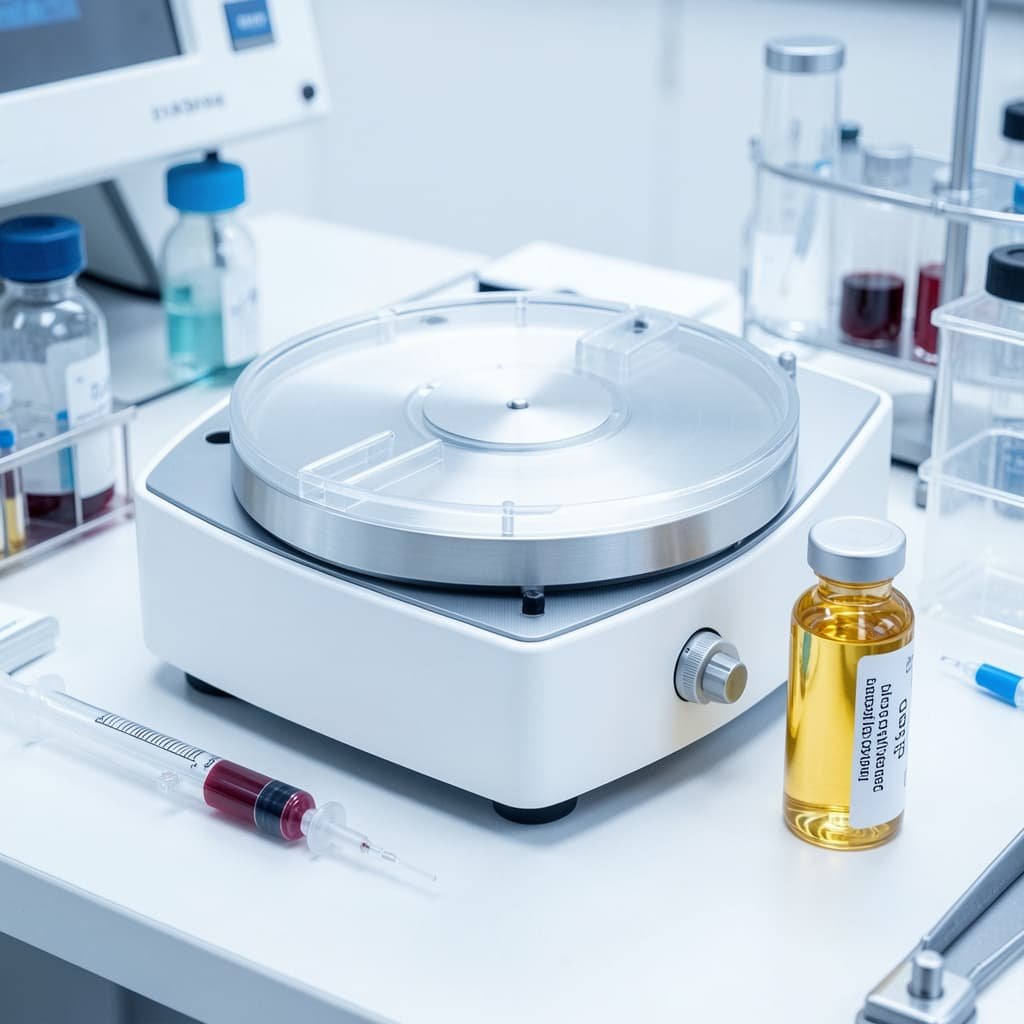
The P-Shot — formally termed the Priapus shot — is a non-surgical treatment that uses platelet-rich plasma (PRP) derived from the patient’s own blood. The clinician centrifuges a blood sample to isolate plasma with a concentrated platelet count, typically three to five times that of baseline blood.
The priapus shot delivers growth factors — including platelet-derived growth factor (PDGF), vascular endothelial growth factor (VEGF), and transforming growth factor-beta (TGF-β) — directly into penile tissue. These factors stimulate angiogenesis (new blood vessel formation), nerve regeneration, and smooth muscle repair.
This classifies the P shot treatment as a regenerative treatment for male health in the UK, aimed at restoring the underlying tissue environment rather than providing a temporary pharmacological effect.
How PRP Interacts with the Anxiety-ED Cycle
Tissue fibrosis and endothelial dysfunction are known sequelae of chronic sympathetic overactivation. When performance anxiety erectile dysfunction persists over months or years, it can produce measurable structural changes in penile vasculature. PRP therapy targets these secondary changes.
Improved vascular perfusion and cavernosal smooth muscle health allow for a stronger, more reliable erectile response. This structural improvement may reduce the physiological threshold needed to achieve erection, which in turn reduces the anticipatory anxiety associated with potential failure. The cycle — fear of failure leading to failure reinforcing fear — can be interrupted when the physiological foundation becomes more robust.
This is not a psychological intervention. The P shot confidence that men report following treatment is, in clinical terms, a secondary outcome of measurably improved erectile function — not a direct effect of the injection on mood or cognition.
The Evidence Base for PRP-Based Regenerative Therapy in ED

Clinical Studies on PRP and Erectile Function
A 2020 randomised controlled trial published in Sexual Medicine (Matz et al.) evaluated intracavernosal PRP injections in men with mild-to-moderate ED. The authors reported statistically significant improvements in International Index of Erectile Function (IIEF) scores at three and six months post-treatment.
A 2017 pilot study by Epifanova et al., published in European Urology Supplements, assessed PRP therapy for men’s performance issues following radical prostatectomy — a population with known nerve damage. Results showed improved erectile response in a proportion of participants, supporting the nerve regeneration hypothesis.
Research into advanced PRP solution for erectile dysfunction continues. The current evidence classifies PRP as a promising but not yet definitively proven treatment. Larger randomised controlled trials with standardised protocols are required before NICE or the MHRA can issue formal guidance on its use.
What P-Shot Before and After Data Suggests
Published P-shot before and after outcomes — both in the peer-reviewed literature and in clinic-reported data — indicate improvements across multiple domains. These include erectile rigidity, duration of erection, sensitivity, and patient-reported sexual confidence.
A retrospective cohort analysis published in The Aging Male (2019) documented improved IIEF-5 scores in men with mixed-aetiology ED after two PRP sessions. Notably, improvements in psychometric measures of sexual confidence correlated with the physiological improvements — reinforcing the view that p shot before and after outcomes operate through structural, not psychological, mechanisms.
It is important to note that individual results vary. Not every man who undergoes a penis shot will achieve the same degree of improvement. Outcomes depend on the severity and duration of ED, the patient’s vascular health, age, and the presence of comorbidities such as diabetes or hypertension.
Who Is a Suitable Candidate?

Clinical Indications
The Pshot is most likely to benefit men whose performance anxiety erectile dysfunction has a confirmed psychogenic component with secondary vascular changes, or a mixed organic-psychogenic aetiology. Suitable candidates typically include:
- Candidates include those with mild-to-moderate erectile dysfunction who have not responded to PDE5 inhibitors.
- Post-prostatectomy patients experiencing erectile difficulties may also benefit.
- Individuals in London seeking a non-surgical option without systemic pharmacological exposure are considered suitable.
- Anxiety-related avoidance linked to Peyronie’s disease is another indication.
- Psychogenic erectile dysfunction accompanied by confirmed cavernosal tissue changes rounds out the group.
Contraindications and Limitations
The P-shot is not appropriate for all patients. Clinicians should conduct a thorough medical assessment prior to any penile injection growth treatment. Contraindications include active platelet disorders, anticoagulant therapy that cannot be temporarily discontinued, active penile infection, or platelet dysfunction syndromes.
Men with purely psychological ED, where no physiological changes are present, may derive limited structural benefit from PRP alone. In these cases, psychosexual therapy should be the primary intervention, with P-shot treatment considered as an adjunct if physiological dysfunction subsequently develops.
All men should understand that this is a natural ED treatment using PRP therapy — not a cure. It does not address the underlying cognitive patterns that sustain performance anxiety. For optimal outcomes, clinicians in the UK recommend combining PRP therapy with psychological support where psychogenic factors dominate.
The P-Shot Procedure: What to Expect
The Clinical Process
The P injection procedure takes approximately 60 to 90 minutes in a clinical setting. The process involves the following steps:
- Venepuncture is performed to collect 20–60ml of the patient’s blood.
- The sample is then centrifuged to yield platelet-rich plasma (PRP) with a concentration 3–5× above baseline.
- Before injection, a topical anaesthetic cream is applied to the penis.
- Using ultrasound guidance, the PRP is injected into the corpus cavernosum and glans.
- Finally, the patient undergoes post-procedure observation and receives detailed instructions for aftercare.
Clinics offering Priapus shot London services should use ultrasound guidance to ensure accurate placement. Freehand injection increases the risk of haematoma and reduces the precision of growth factor delivery.
Recovery and Results Timeline
Most men resume normal activity within 24 hours. Erectile response may initially be variable as the tissue undergoes remodelling. Clinically meaningful improvements typically appear at four to eight weeks, with optimal results at three to six months.
A minority of men require a second session. Clinics offering erectile dysfunction treatment London should provide a follow-up consultation at six weeks to assess early response and determine whether additional treatment is appropriate.
P-Shot UK: Cost, Access, and Regulation
Priapus Shot Price and Male Enlargement Injections Cost UK
In the United Kingdom, the Priapus shot price varies between clinics and practitioners. Based on current market rates, men can expect to pay between £800 and £2,000 per session depending on the practitioner’s qualifications, the technology used, and the geographic location of the clinic.
When researching male enlargement injections cost UK, patients should note that cheaper providers may not use ultrasound guidance, may use non-standardised PRP preparation protocols, or may lack sufficient clinical oversight. Cost should not be the primary determinant of provider selection.
Regulation in the UK
The P-shot is not currently regulated as a licensed medical device by the MHRA. PRP procedures in the UK operate within a non-surgical aesthetic and regenerative medicine framework. Practitioners should hold relevant medical qualifications and carry appropriate indemnity insurance.
The Care Quality Commission (CQC) registers medical clinics in England. Men seeking P shot UK services should verify that the clinic is CQC-registered and that the administering practitioner is on the GMC register.
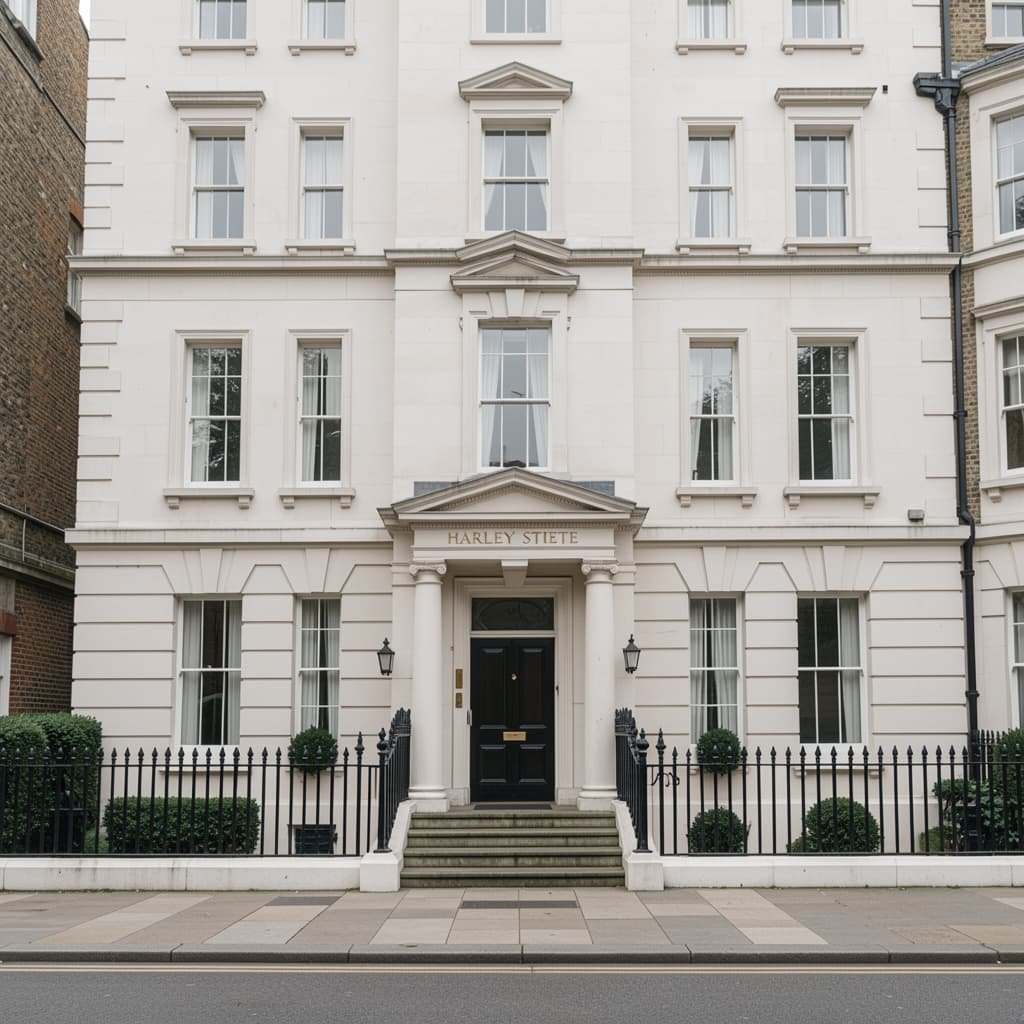
Dr Syed Nadeem Abbas at pshots clinic uk offers this procedure at his Harley Street clinic, with assessments conducted in accordance with established clinical protocols.
Addressing Performance Anxiety Alongside PRP Therapy
The Role of Combined Approaches
No regenerative treatment corrects conditioned psychological responses in isolation. Men seeking men’s intimate health treatment in London for performance-anxiety-driven ED achieve the best outcomes when PRP therapy is delivered as part of a broader management plan.
Evidence-based psychological approaches used alongside PRP-based regenerative therapy for ED include:
- Cognitive behavioural therapy (CBT) is used to challenge catastrophising thoughts and reduce avoidance behaviours.
- Within psychosexual therapy, sensate focus exercises help couples rebuild intimacy and comfort.
- To lower baseline sympathetic activation, mindfulness-based stress reduction techniques are introduced.
- When relationship dynamics contribute to anxiety, couples therapy provides a structured space to address those patterns.
The British Society for Sexual Medicine (BSSM) recommends addressing both biological and psychological factors in men with mixed-aetiology ED. This integrated model is consistent with NICE Guideline CG97, which emphasises a holistic assessment before any treatment pathway is initiated.
Managing Expectations
Men undergoing P shot treatment should receive clear pre-treatment counselling. PRP therapy for men’s performance issues does not produce immediate results. The tissue remodelling process takes weeks. Men who expect instant improvement are likely to experience renewed anxiety in the interval before benefits become apparent.
Clinicians should explain that the goal of treatment is to reduce the physiological vulnerability that sustains performance anxiety erectile dysfunction — not to eliminate anxiety itself. Managing this distinction clearly reduces unrealistic expectations and supports better psychological engagement with the recovery process.
Frequently Asked Questions
Is the P-Shot painful?
Topical anaesthetic cream is applied to the treatment area before the procedure. Most men report minimal discomfort. Some experience mild bruising or swelling for 24–48 hours post-injection, which resolves without intervention.
How many sessions are required?
Many men see meaningful improvement after a single session. A second session may be recommended at three to six months if the response is partial. The treating clinician should reassess at follow-up before recommending further treatment.
Is PRP therapy safe?
PRP uses the patient’s own blood, which eliminates the risk of immune rejection or blood-borne pathogen transmission from exogenous material. Adverse events are uncommon but include haematoma at the injection site, temporary penile discomfort, and, rarely, infection. These risks are minimised by adherence to sterile technique and ultrasound guidance.
Does the P-Shot work for purely psychological ED?
The psychological ED subtype with no physiological component is best addressed through psychosexual therapy. The P-shot targets tissue-level changes. Men with no vascular or structural pathology are unlikely to derive significant benefit from PRP alone and should be directed to appropriate psychological support.
How does the P-Shot differ from other erectile dysfunction treatments?
PDE5 inhibitors provide a temporary pharmacological effect lasting four to 36 hours depending on the compound. Penile prostheses are surgical and irreversible. The P-shot aims for durable structural improvement through tissue regeneration. It does not interact with most medications, carries no systemic pharmacological burden, and requires no surgery.
What results are realistic?
Published clinical data shows improvements in IIEF scores, erectile rigidity, and sexual satisfaction in a significant proportion of men. However, not all men respond. Results depend on baseline tissue health, age, comorbidities, and adherence to any concurrent psychological or lifestyle interventions.
Can I combine the P-Shot with PDE5 inhibitors?
Yes. Many clinicians recommend continuing PDE5 inhibitors during the initial post-treatment period while the tissue remodelling process develops. This combination is considered safe. The long-term goal may be to reduce dependence on pharmacological support as tissue health improves.
Conclusion
Performance anxiety erectile dysfunction sits at the intersection of neurobiology, vascular physiology, and conditioned behaviour. No single treatment addresses all three layers simultaneously.
The P-Shot — as a form of PRP-based regenerative therapy for ED — addresses the physiological layer. It supports neovascularisation, smooth muscle repair, and neural recovery in penile tissue. This structural improvement can reduce the physical threshold for erectile response and, consequently, lower the anxiety associated with anticipated failure.
The evidence base is growing but not yet sufficient for NICE-level endorsement. Men considering this treatment should approach it with informed expectations: it is a promising, evidence-supported option within a wider clinical framework — not a standalone solution.
For men whose anxiety erection cycle has persisted for years, the physiological damage may be real and measurable. Addressing it with regenerative medicine whilst concurrently engaging in psychological support represents the most defensible clinical strategy available in the UK today.
The deeper question facing clinicians and researchers alike remains: how much of what men call ‘lost confidence’ is a psychological state, and how much is a biological signal waiting to be treated?
Read more: When Will I See Results from P Shot in London? A Realistic Timeline
How Lifestyle Affects P Shot UK Results – Diet, Exercise, and Sleep


