P Shot and Testosterone Levels: Is There a Link?

✅Medically reviewed | Updated September 2026
Men researching erectile difficulty often encounter two very different treatments side by side: testosterone therapy and the P-Shot. Search results rarely explain how P Shot and Testosterone Levels actually relate to one another, leaving many men uncertain which treatment addresses the real underlying problem. Confusion between hormonal deficiency and tissue-based dysfunction leads some men toward the wrong treatment entirely, at real financial and physical cost. Understanding the distinction between P Shot and Testosterone Levels matters more than most marketing pages admit.
This article separates evidence from assumption, using NHS, NICE and peer-reviewed research to explain where testosterone and the Priapus Shot genuinely intersect, and where the two remain entirely separate. Accurate diagnosis, not assumption, determines which pathway actually fits a given case.
Understanding Testosterone and Its Role in Male Sexual Health
What Testosterone Does in the Body
Testosterone regulates libido, muscle mass, mood, bone density and red blood cell production. Levels typically peak in early adulthood and decline gradually with age. NHS guidance on the so-called “male menopause” confirms testosterone naturally decreases after the age of 30, though the drop rarely causes noticeable symptoms before the 40s or 50s. Research from the European Male Ageing Study recorded an average annual decline in free testosterone of around 1.3% in men aged 40 to 79, rising to roughly 5.1% per year among men aged 70 to 79. This decline explains why testosterone assessment becomes more relevant with age, particularly when erectile symptoms accompany low mood or persistent fatigue. The overall prevalence of symptomatic hypogonadism across the general male population remains relatively low, at around 2%, according to the same European survey data. This figure matters because it shows testosterone deficiency, while genuine and treatable, explains only a minority of erectile complaints presenting in clinical practice. Age alone does not automatically indicate a hormonal cause, even when erectile symptoms coincide with advancing years.
Recognising the Signs of Low Testosterone
Common features of testosterone deficiency include reduced sexual desire, fatigue, low mood, reduced muscle mass and difficulty concentrating. Erectile difficulty can also occur alongside these symptoms. Erectile dysfunction more commonly results from vascular, neurological or psychological factors rather than hormone levels alone. NICE and NHS guidance note that testosterone deficiency rarely causes erectile dysfunction as an isolated factor. A formal diagnosis requires consistent symptoms plus confirmed low testosterone on morning blood testing, ideally repeated on a separate occasion. Fatigue, low mood and reduced muscle mass without any accompanying sexual symptom rarely point toward testosterone deficiency in isolation. Clinicians typically consider the full symptom pattern alongside laboratory values rather than treating a single low reading as conclusive proof of hormonal deficiency.
What Is the P Shot?
The P Shot, also known as the Priapus Shot, P-Shot or Pshot, is a platelet-rich plasma (PRP) injection procedure. Clinicians draw a small blood sample, process it through a centrifuge, and inject the concentrated plasma into penile tissue. Some patients refer to the procedure informally as a penis shot, though the correct clinical term remains Priapus Shot or P-Shot. The p injection uses only the patient’s own blood components, without synthetic hormones or dermal filler. Unlike testosterone replacement, the procedure involves no ongoing medication, no daily gel application and no ongoing hormonal monitoring, since it introduces nothing foreign into the body.
The PRP Preparation Process
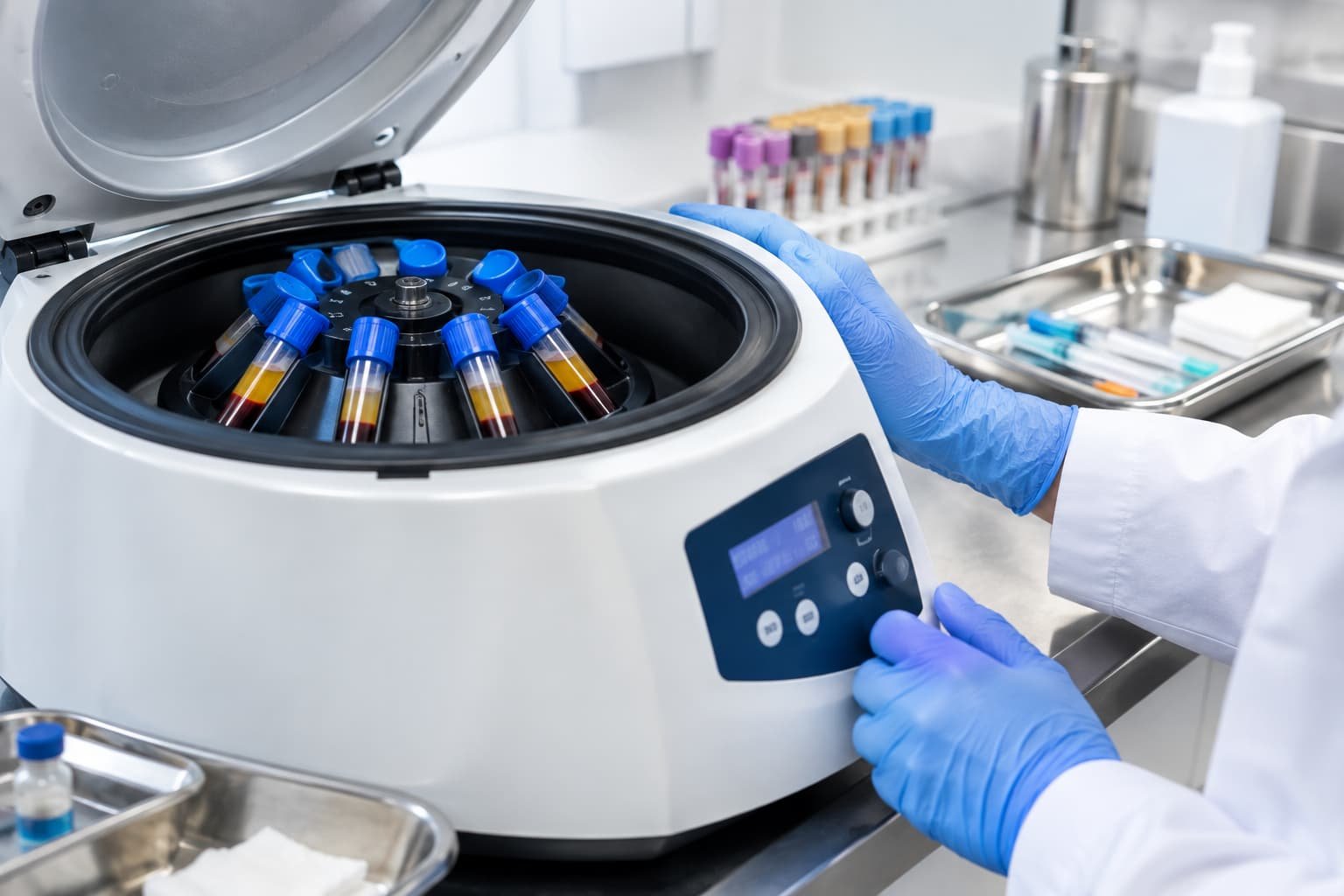
The centrifuge separates blood into layers, isolating platelets and growth factors from red blood cells and plasma. Clinicians draw the platelet-rich layer into a syringe for injection. A topical anaesthetic or penile nerve block typically precedes the procedure, reducing discomfort. The full appointment, including preparation and injection, generally takes between 30 and 45 minutes. Most patients resume normal daily activity the same day, though clinicians typically advise abstaining from sexual activity for four to five days afterward to allow initial tissue settling.
How the P-Shot Works on Penile Tissue
Growth factors released from platelets stimulate angiogenesis, or new blood vessel formation, alongside collagen production and nerve tissue repair. These effects target the physical structure of the penis rather than hormone production anywhere in the body. Some marketing material describes penile injection growth outcomes, though clinical evidence for measurable enlargement remains limited. Documented effects relate more consistently to blood flow, firmness and sensitivity than to size increase. Patients considering the Pshot for enlargement specifically, rather than function, should discuss realistic expectations with a qualified clinician beforehand, since results vary considerably between individuals.
P Shot and Testosterone Levels: Examining the Evidence
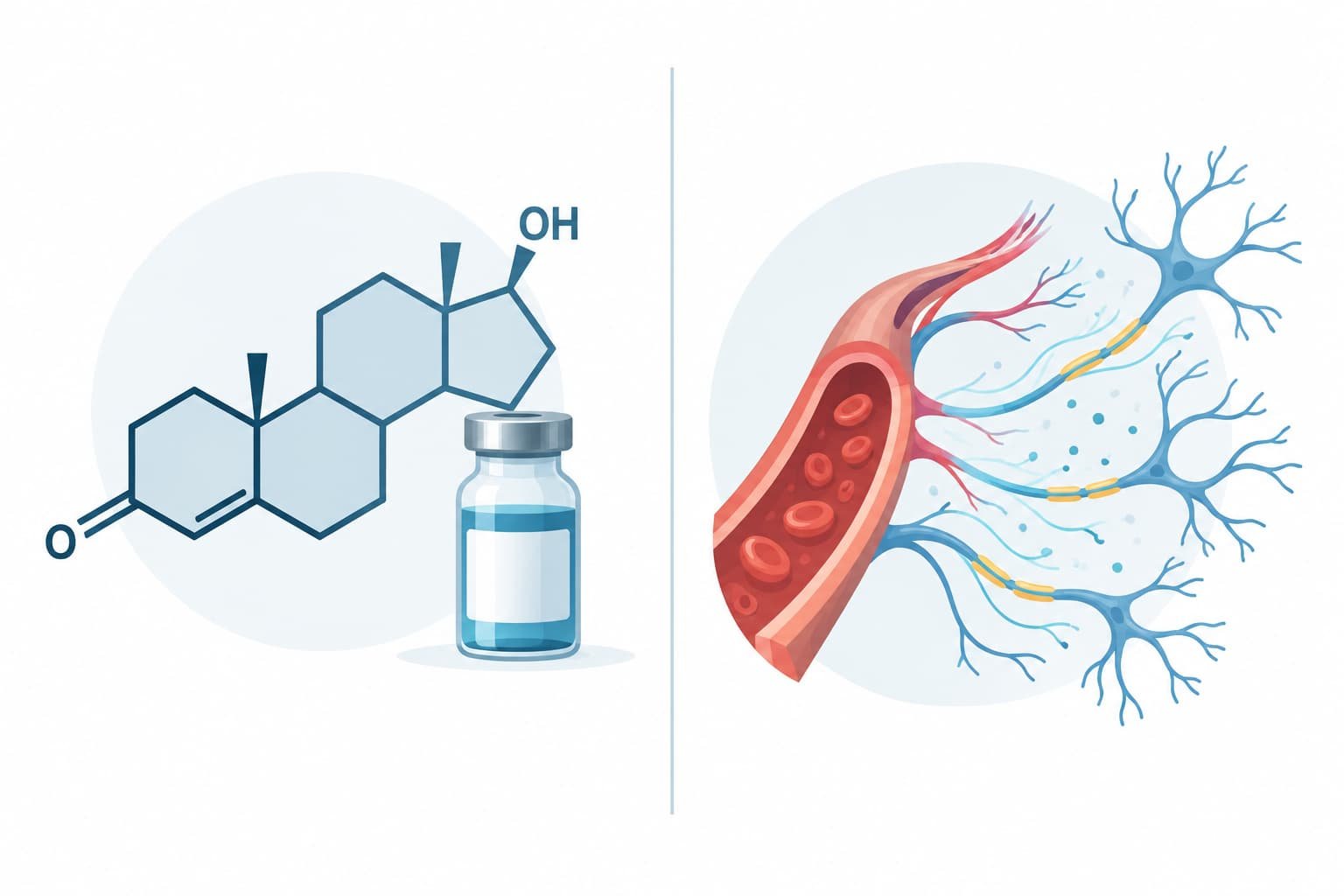
Despite frequent searches linking P Shot and Testosterone Levels, no peer-reviewed evidence indicates that PRP injected into penile tissue changes circulating testosterone. The P-Shot targets local tissue, not the hypothalamic-pituitary-testicular axis responsible for hormone production. Testosterone synthesis occurs in the testes; the pituitary gland and hypothalamus regulate this process through separate hormonal signals entirely unconnected to penile injection sites. Confusing local tissue treatment with systemic hormonal therapy remains one of the most common misconceptions surrounding P Shot and Testosterone Levels. Marketing language occasionally blurs this distinction, implying broader hormonal benefit that current research simply does not support.
What the Research Actually Shows
The Journal of Sexual Medicine published a 2021 randomised controlled trial reporting measurable improvement in erectile function scores among men receiving PRP injections compared with placebo. European Urology later published a 2023 trial that produced more mixed findings, with improvements not reaching statistical significance across every measured outcome. Neither trial measured or reported changes in serum testosterone following treatment. The existing P Shot and Testosterone Levels evidence base addresses erectile function only, not hormonal status. Because of this evidence gap, professional bodies including the European Association of Urology and NICE Clinical Knowledge Summaries do not currently list PRP therapy as a first-line or established treatment for erectile dysfunction. Both bodies classify PRP-based injections as an emerging therapy requiring further large-scale trial data before wider clinical endorsement becomes appropriate. This classification does not equate to a safety concern; it reflects an evidence gap rather than an established risk.
P Shot and Testosterone Levels: Two Different Treatment Pathways
When Low Testosterone Causes Erectile Difficulty
When blood testing confirms genuinely low testosterone alongside relevant symptoms, testosterone replacement therapy addresses the underlying hormonal cause directly. Delivery methods include gels, injections, patches and implanted pellets. Improvement in libido and energy often appears within weeks, though erectile function may take longer to respond and does not always fully resolve with hormone correction alone. A meta-analysis by Isidori and colleagues, reviewing 17 trials of testosterone therapy, found the strongest erectile function improvements occurred in men with the lowest baseline testosterone readings. Men with only borderline-low levels saw comparatively modest change, reinforcing why accurate testing before treatment carries real clinical weight.
When the P Shot Treatment Is More Appropriate
Men with normal testosterone levels experiencing erectile difficulty linked to reduced blood flow, nerve sensitivity changes or conditions such as Peyronie’s disease may find P shot treatment more relevant to the underlying issue. Testosterone therapy will not correct vascular or structural causes of erectile dysfunction, regardless of how low a starting hormone level might appear. Equally, the priapus shot does not correct a genuine hormone deficiency. Selecting the correct pathway depends entirely on accurate diagnosis rather than symptom overlap between the two conditions.
Lifestyle Factors That Influence Both Conditions
Certain lifestyle factors influence both testosterone production and erectile blood flow simultaneously, which partly explains why the two conditions so often coexist and cause confusion. Excess body weight, particularly abdominal fat, lowers circulating testosterone through increased conversion to oestrogen in fatty tissue. Poor sleep quality, chronic stress and excessive alcohol intake similarly reduce testosterone output over time. The same factors damage vascular health, restricting blood flow essential for erectile function. Addressing weight, sleep and alcohol intake often improves both hormonal status and erectile blood flow together, before any injectable treatment enters the discussion. NICE guidance consistently recommends addressing modifiable lifestyle factors as an early step in managing both testosterone deficiency and erectile dysfunction.
Diagnosing Low Testosterone Before Considering Either Treatment
NICE and NHS Guidance on Testing
NICE guidance and NHS resources recommend confirming testosterone deficiency through morning blood tests, since levels fluctuate throughout the day and peak shortly after waking. A single low reading proves insufficient for diagnosis. Clinicians generally repeat testing and assess related hormones, such as luteinising hormone and sex hormone-binding globulin, where clinically indicated. The British Society for Sexual Medicine recommends weighing the whole clinical picture, not testosterone numbers in isolation. Free testosterone and sex hormone-binding globulin readings sometimes reveal deficiency even when total testosterone sits within a broadly normal range, so relying on a single figure risks missing genuine cases.
Why Testing Matters Before Either Treatment
Choosing a treatment without proper testing risks addressing entirely the wrong problem. A man with normal testosterone who receives hormone therapy gains no meaningful benefit and may face unnecessary side effects, including altered red blood cell count and suppressed natural hormone production. Equally, a man with genuinely low testosterone who receives only a P-Shot may see limited improvement in libido or fatigue-related symptoms, since PRP does not correct hormonal deficiency. A short consultation covering symptom history, relevant blood work and, where appropriate, referral for formal testosterone testing remains the safest starting point before either treatment proceeds.
Priapus Shot Price and Cost Considerations Across the UK
Priapus shot price in the UK commonly ranges from £900 to £1,500 per session, depending on clinic location, practitioner experience and package inclusions. Men researching male enlargement injections cost UK figures should note that pricing reflects consultation depth, PRP preparation method and follow-up provision, not the injection alone. The P Shot London market includes providers across Harley Street and Marylebone, with substantial variation in included aftercare. Testosterone therapy costs vary separately, depending on delivery method and treatment duration, since hormone replacement is typically an ongoing commitment rather than a single session. Men comparing P Shot UK providers should verify GMC registration and clinic regulation before booking any procedure.
P Shot Before and After: Realistic Expectations
Documented P Shot before and after accounts describe gradual changes over several weeks rather than immediate results. Early effects, including mild swelling, typically settle within the first fortnight. Noticeable changes in firmness and sensitivity commonly emerge by four to eight weeks, as angiogenic processes progress. Men should interpret P-Shot before and after comparisons realistically, since individual response varies according to age, circulation and baseline tissue health. Photographic comparisons circulating online do not represent guaranteed outcomes for every patient.
Can Testosterone Therapy and the P Shot Be Combined?
Some men present with both low testosterone and tissue-related erectile difficulty simultaneously. In these cases, a clinician may consider addressing both issues, since correcting one factor rarely resolves a problem rooted in another system entirely. Combination approaches require careful clinical oversight, given the differing monitoring requirements of hormone therapy compared with a single PRP procedure. No dedicated trial currently evaluates combined P-Shot and testosterone therapy outcomes, so recommendations rely on extrapolation from separate evidence for each treatment individually.
Safety, Limitations and Professional Assessment
Both treatments carry limitations worth stating plainly. Testosterone therapy requires ongoing blood monitoring, since incorrect dosing can suppress natural hormone production or raise red blood cell count beyond safe levels. Men with prostate cancer or severe untreated sleep apnoea generally should not receive testosterone therapy. The P-Shot carries risks including bruising, swelling, infection and, rarely, allergic reaction to anaesthetic. Men taking anticoagulant medication or with bleeding disorders require careful assessment beforehand. Neither treatment suits every man, and outcomes cannot be guaranteed for either approach. A qualified clinician should assess suitability before either procedure begins, including review of relevant blood tests, medical history and current medication.
Pshots clinic UK, a Harley Street practice led by Dr Syed Nadeem Abbas, offers P-Shot treatment in London alongside broader men’s sexual health assessment.
Frequently Asked Questions
Does the P Shot increase testosterone levels?
No peer-reviewed evidence supports this claim. The P-Shot targets penile tissue directly and has no established mechanism affecting hormone production in the testes.
Can low testosterone cause erectile dysfunction?
Low testosterone can contribute to erectile difficulty, particularly alongside reduced libido, though NICE and NHS sources note it rarely causes erectile dysfunction as an isolated factor.
What is the average priapus shot price in the UK?
Priapus shot price typically ranges from £900 to £1,500 per session, varying by clinic and included follow-up care.
How soon do P Shot before and after changes appear?
Initial changes often appear within two to four weeks, with more noticeable improvement reported between eight and twelve weeks post-treatment.
Does testosterone therapy improve erectile function on its own?
Testosterone therapy improves libido and energy reliably, though erectile function does not always fully resolve without addressing other contributing factors.
Is the P Shot suitable for men with normal testosterone?
Yes. The P-Shot does not depend on testosterone status and may suit men with normal hormone levels experiencing tissue-related erectile symptoms.
Can penile injection growth be expected from the P Shot?
Clinical evidence for measurable size increase remains limited. Documented effects relate more consistently to blood flow, firmness and sensitivity.
Should testosterone be tested before booking a P Shot?
Testing is not mandatory before the P-Shot, though it helps rule out an underlying hormonal cause that PRP alone will not address.
Can lifestyle changes improve both conditions without treatment?
Weight management, better sleep and reduced alcohol intake can improve testosterone levels and vascular health, though severe cases still require formal treatment.
Key Takeaways
P Shot and Testosterone Levels remain two separate clinical questions, not interchangeable explanations for the same symptom. Testosterone therapy corrects confirmed hormonal deficiency. The P-Shot addresses localised tissue, blood vessel and nerve factors within the penis itself. Neither treatment substitutes for the other, and neither deserves selection without proper diagnostic testing beforehand. Men experiencing erectile difficulty benefit most from accurate assessment rather than assumption. Blood testing, symptom review and an honest clinical conversation resolve far more uncertainty than searching for reassurance online ever will. Given how different these two treatments actually are beneath the surface, does treating a symptom ever make sense without first identifying its true cause?
Read more:
Drugs Causing Erectile Dysfunction: Which Medications Are Most Likely?
P-Shot for Sensitivity vs ED: Does It Work Differently?
Dr Syed Nadeem Abbas, MBBS, MRCSEd, MSc Aesthetic Plastic Surgery (Distinction) Medical Director, Pshot Clinic | CQC Regulated | Monday to Saturday 10:00–18:00 +44 7955 836986