P-Shot for Sensitivity vs ED: Does It Work Differently?

✅Medically reviewed | Updated September 2026
Erectile dysfunction and reduced penile sensitivity often get grouped together in online marketing. Yet the two conditions involve different tissue, different nerves, and different repair processes. Clinics frequently promote the P-Shot as a single solution for both problems. Few explain how platelet-rich plasma actually behaves once injected. This blurring of two distinct clinical pictures leaves many men confused about realistic outcomes. The Priapus Shot, commonly shortened to P-Shot, uses concentrated growth factors drawn from a patient’s own blood. These growth factors encourage tissue repair once injected into targeted areas. Whether that repair mainly targets blood vessels or nerve tissue changes what result a patient should expect.
This article separates P-Shot for sensitivity from P-Shot for erectile dysfunction. It examines the underlying physiology, the current evidence base, and the practical differences men should understand before booking treatment. Rather than treating both goals as interchangeable marketing terms, the sections below explain where science supports each application. The sections also flag where genuine uncertainty remains. Men researching P shot treatment deserve a clear, evidence-based comparison rather than a single blanket claim.
Erectile Dysfunction and Reduced Sensitivity Are Separate Conditions
Erectile dysfunction involves difficulty achieving or maintaining an erection firm enough for intercourse. NHS guidance describes ED as a common condition linked to vascular, hormonal, neurological, and psychological causes. Reduced penile sensitivity describes diminished tactile perception during arousal or intercourse. This can occur independent of erectile rigidity. A man can achieve a full erection while experiencing noticeably reduced sensation. This proves the two represent separate physiological events. Ageing, diabetes, pelvic surgery, prolonged cycling, and certain medications can all reduce sensitivity. None of these need cause ED at the same time. NICE Clinical Knowledge Summaries classify ED largely around vascular and hormonal risk factors. Sensitivity loss more often relates to peripheral nerve function instead. Distinguishing between the two conditions matters. P-Shot for sensitivity targets nerve-rich tissue, while P-Shot treatment for erectile dysfunction targets vascular structures within the corpus cavernosum. Confusing the two goals during consultation risks setting the wrong expectations from the outset.
Why the Distinction Gets Lost in Marketing
Many clinic websites list sensitivity and erectile improvement together as generic P-Shot benefits. Few separate the underlying mechanism from the expected outcome. This approach simplifies marketing copy. It leaves patients unable to judge which specific problem the treatment addresses in each individual case.
What the P-Shot Involves and How It Differs From Filler
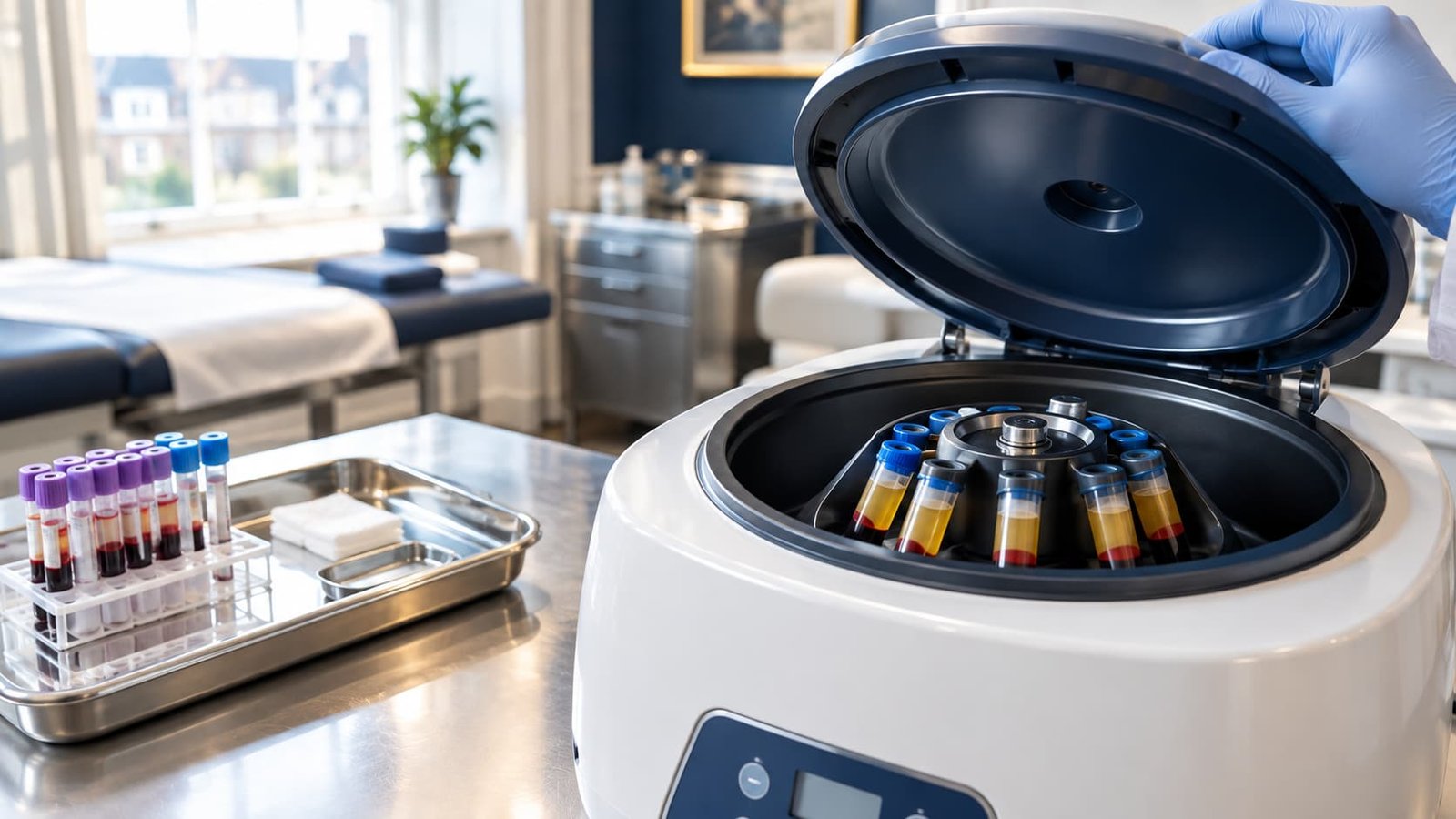
Clinicians prepare the P-Shot by drawing a small blood sample and spinning it in a centrifuge. This process separates platelet-rich plasma from red blood cells. It concentrates growth factors several times above baseline levels. A trained practitioner then delivers the concentrated PRP as a targeted p injection. The injection targets specific zones of the penile shaft and glans. Clinicians and patients should never confuse the P-Shot with cosmetic penile filler. Filler adds volume using hyaluronic acid rather than stimulating biological repair. PRP contains proteins such as platelet-derived growth factor and vascular endothelial growth factor. Both proteins play a role in tissue regeneration and blood vessel formation. Injection placement, and which tissue layer receives it, influences the likely outcome. Treatment can lean toward improving sensitivity, erectile function, or both together.
P-Shot for Sensitivity: How the Mechanism Differs

P-Shot for sensitivity relies on a different biological pathway compared with P-Shot treatment for erectile dysfunction. Both use identical PRP preparation, yet the target tissue differs. Practitioners aiming to improve sensitivity typically inject PRP into the glans and surrounding dorsal nerve territory. This area carries a dense network of sensory nerve endings. Growth factors released from platelets appear to support peripheral nerve tissue. Evidence supporting this specific application remains limited compared with vascular research. Some patients report heightened tactile sensation and improved arousal response weeks after treatment. Practitioners attribute this to nerve-tissue support rather than improved blood flow alone. This sensitivity-focused approach lacks dedicated, large-scale UK clinical trials. Most supporting evidence comes from small case series or extrapolation from PRP’s effects elsewhere. Peripheral nerve injury research published in orthopaedic and plastic surgery literature offers some of that supporting context. This evidence gap sets the sensitivity-focused approach apart from the larger trial base surrounding PRP and erectile function. Patients should understand this distinction clearly before setting expectations.
Nerve Tissue and Growth Factor Activity
Platelet-derived growth factor and nerve growth factor both appear in PRP. Both play documented roles in peripheral nerve repair within general regenerative medicine literature. Applying this mechanism specifically to penile sensory nerves remains an area of clinical interest. It has not yet reached settled scientific consensus.
Nerve tissue depends heavily on a steady blood supply and intact signalling pathways. Platelet-derived proteins may influence both factors over time. Practitioners monitor tactile response during follow-up review rather than relying on visual inspection alone. Sensation changes are subjective and vary from one patient to the next. Some clinics extend the treatment course to two sessions spaced several months apart. This happens when initial sensitivity changes prove modest. No formal protocol currently governs this practice across UK providers.
How the P-Shot Works for Erectile Dysfunction
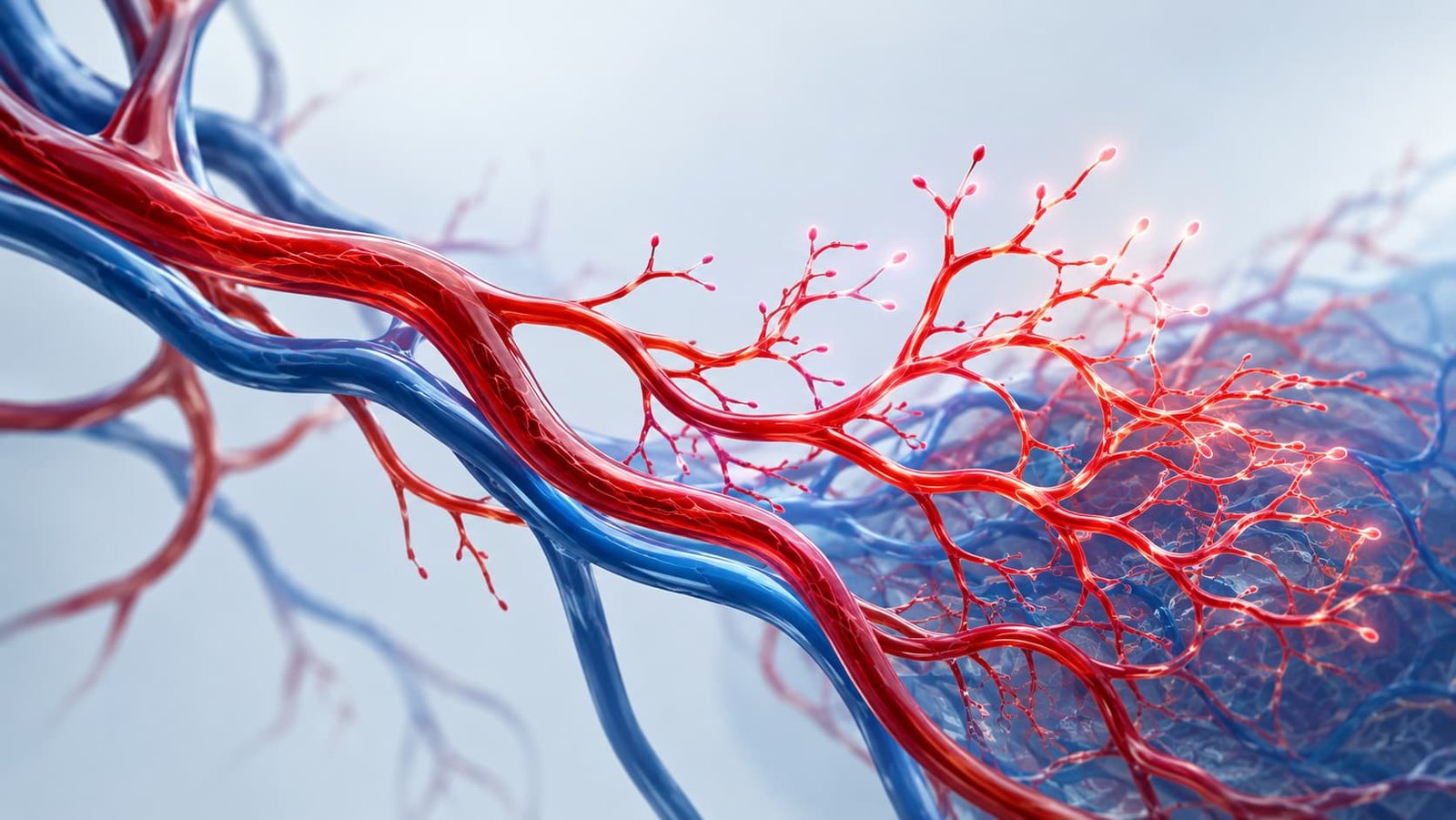
P-Shot treatment for erectile dysfunction targets the corpus cavernosum, the paired erectile chambers responsible for penile rigidity. Growth factors from PRP appear to encourage angiogenesis, the formation of new blood vessels. This process also supports repair of existing vascular tissue. Improved blood vessel density inside the erectile chambers may support firmer, longer-lasting erections. Results vary between individuals, and no clinic can guarantee outcomes. Ageing, cardiovascular disease, diabetes, and smoking all damage the microvascular network supplying erectile tissue. PRP aims to address that underlying vascular damage. Oral PDE5 inhibitors instead work by temporarily increasing blood flow.
The evidence base for PRP and erectile dysfunction remains larger than the evidence base for the sensitivity-focused approach. A randomised controlled trial published in the Journal of Sexual Medicine in 2021 reported improved erectile function scores among men receiving PRP compared with placebo. A separate 2023 trial published in European Urology reported more modest, statistically inconclusive results. This inconsistency means clinicians should present PRP for ED as promising but not definitively proven. Professional bodies classify PRP-based regenerative therapies as emerging rather than established treatments.
Comparing P-Shot for Sensitivity and P-Shot Treatment for ED
Injection Site and Technique
Sensitivity-focused treatment concentrates PRP around the glans and dorsal nerve pathways. ED-focused treatment concentrates PRP within the corpus cavernosum and surrounding vascular tissue. The injection map, not the PRP formulation itself, determines which outcome a patient is more likely to notice.
Expected Timeline
Sensitivity changes, when present, tend to emerge gradually over four to eight weeks. Nerve tissue needs this time to respond to growth factor exposure. Erectile function changes may appear within two to three weeks. Fuller results tend to develop over two to three months, as new blood vessels mature and stabilise.
Strength of Supporting Evidence
Trial evidence for PRP and erectile function, while mixed, exceeds the evidence available for the sensitivity-focused approach specifically. Sensitivity-related claims rely more heavily on clinical observation and patient-reported outcomes. Controlled trial data for this specific application remains scarce at present.
Who Might Consider Each Approach
Candidates for P-Shot for Sensitivity
Men experiencing reduced tactile sensation after pelvic surgery, prolonged cycling, or ageing-related nerve changes may raise this treatment goal during consultation. Mild peripheral neuropathy is another common trigger for enquiry. Suitability depends on ruling out reversible causes first. Certain medications, alcohol-related nerve effects, and undiagnosed diabetes all need checking beforehand.
Candidates for P-Shot Treatment for ED
Men with erectile dysfunction linked to vascular changes sometimes explore this route. Many have tried, or wish to avoid, daily oral medication. Some look for a non-surgical treatment for erectile dysfunction in London instead. Clinicians typically review cardiovascular health, hormone levels, and psychological factors before recommending this option.
Priapus Shot Price and Typical Treatment Costs
Priapus shot price in the UK generally ranges between £900 and £1,500 per session. Cost depends on clinic location, practitioner experience, and whether consultation or blood testing sits within the quoted fee. P shot treatment is rarely covered by NHS funding. Both sensitivity-focused and ED-focused PRP applications sit outside routine NHS commissioning. Men researching P shot UK providers should confirm exactly what the quoted priapus shot price includes. Follow-up review appointments, numbing cream, and repeat sessions can all affect the final figure.
P Shot Before and After: Setting Realistic Expectations
P shot before and after comparisons circulate widely online. Photographs alone cannot demonstrate changes in sensitivity or erectile rigidity. Photographic evidence captures visible tissue appearance, but says nothing about nerve response or blood flow improvement, the two functional outcomes that matter most. Clinicians recommend judging results through functional assessment and honest patient-reported outcomes. Comparison images sourced online may not represent verified UK cases or match individual anatomy.
Penile Injection Growth: Addressing a Common Misconception
Some searches for penile injection growth assume the P-Shot functions primarily as an enlargement procedure. Current evidence does not support this assumption. PRP encourages tissue repair and improved function rather than guaranteed size increase. Responsible clinics present the treatment as a functional therapy, not a growth procedure. Any modest changes in girth some patients report likely relate to improved tissue health rather than genuine enlargement. Clinicians should make this distinction clear during consultation, well before agreeing any p injection.
Safety Considerations and Treatment Limitations
PRP-based treatment carries a generally favourable safety profile. Practitioners use the patient’s own blood, which lowers allergic reaction risk considerably. Reported side effects include temporary swelling, bruising, and mild discomfort at the injection site. Men with bleeding disorders, active infection, or certain cancers may not suit this treatment. A thorough medical history remains essential before any session proceeds. Clinicians should never present P-Shot for sensitivity or P-Shot treatment for erectile dysfunction as a guaranteed cure. Individual response varies considerably between patients. NICE guidance on erectile dysfunction management continues to prioritise established first-line treatments. Lifestyle modification and PDE5 inhibitors still come first. Regenerative injectable therapies remain reserved for cases where conventional options prove insufficient or unsuitable.
What NHS and NICE Guidance Say About Regenerative Injections
NHS advice on erectile dysfunction directs men toward changes, medication review, and PDE5 inhibitors as first-line management. NICE Clinical Knowledge Summaries do not currently list platelet-rich plasma injections among recommended first-line ED treatments. This reflects the still-developing evidence base. Professional bodies representing sexual medicine specialists publish restorative therapy position statements on this topic. These bodies classify PRP-based approaches as an emerging category rather than a proven standard of care. This classification applies equally to sensitivity-focused applications. Published guidance for that specific goal remains even sparser than for erectile dysfunction. Patients should treat any clinic claim that positions PRP as a guaranteed remedy with appropriate caution. A responsible provider should reference these guideline limitations openly during consultation, rather than glossing over such gaps.
The Consultation Process Before Treatment
A thorough consultation should precede any P-Shot session. This applies whether the treatment goal involves sensitivity, erectile function, or both. Clinicians typically review general medical history, current medication, and relevant blood tests first. Screening for diabetes, cardiovascular risk factors, and hormone imbalances helps identify reversible causes. Some of these causes respond better to targeted medical management than to injectable therapy. Men presenting primarily with reduced sensitivity may benefit from nerve conduction assessment. Referral may follow where symptoms suggest a broader neurological cause. This assessment stage protects patients from pursuing PRP treatment unnecessarily. An underlying condition, once properly diagnosed, might resolve symptoms without any injection at all.
Choosing a Provider for P Shot London Treatment

Selecting an experienced provider matters more than marketing claims when considering p shot London options. Reputable clinics conduct thorough medical assessment and explain PRP preparation transparently. Setting realistic expectations for both sensitivity and erectile outcomes matters before treatment begins. Pshots clinic uk, a Harley Street clinic, is one example of a UK provider offering P-Shot treatment within a regulated private medical setting. The clinic operates under Dr Syed Nadeem Abbas. Men comparing priapus shot London clinics should verify practitioner qualifications first. Asking directly about PRP preparation methods helps clarify what a session actually involves. Clarity on which specific outcome, sensitivity or erectile function, the proposed treatment plan targets matters most of all.
Frequently Asked Questions
Does P-Shot for sensitivity work the same way as P-Shot for erectile dysfunction?
No. Both use identical PRP preparation, but injection sites and targeted tissue differ. This produces different physiological effects and different expected timelines.
How long does the sensitivity-focused approach take to show results?
Reported changes typically emerge within four to eight weeks. Evidence supporting this specific timeline remains limited and largely observational.
Is P-Shot treatment available on the NHS?
No. P-Shot treatment, including sensitivity-focused applications, remains available only through private clinics across the UK.
What is the average priapus shot price in London?
Prices generally range between £900 and £1,500 per session. Practitioner experience and included aftercare both affect the final cost.
Can P-Shot treatment cause penile enlargement?
No robust evidence supports penile injection growth as a primary outcome. Any size changes reported are typically modest and secondary to tissue repair.
Can both sensitivity and erectile function be treated in the same session?
Some practitioners combine injection sites within a single session. This approach still requires individual discussion based on assessment findings.
Key Takeaways
P-Shot for sensitivity and P-Shot treatment for erectile dysfunction share a common origin in platelet-rich plasma. The two approaches diverge sharply in technique, evidence strength, and expected outcome. Understanding this distinction allows men to approach consultation with realistic, informed questions. No single injection addresses every concern equally. Sensitivity-focused and ED-focused treatment plans require different injection sites and different timelines. Each also carries a different level of supporting evidence. Clinicians should never promise a single outcome in advance. Given current evidence gaps, particularly around sensitivity-specific outcomes, thorough clinical assessment remains essential before any patient proceeds. As PRP research continues to develop, will larger UK-based trials eventually clarify how much of the P-Shot’s reported benefit comes from nerve repair versus vascular repair?
Read more:P Shot London for Reduced Sensitivity – Restoring What Age Takes Away
Breaking the Silence: How the P Shot in London Can Help Men Overcome Erectile Dysfunction
Dr Syed Nadeem Abbas, MBBS, MRCSEd, MSc Aesthetic Plastic Surgery (Distinction) Medical Director, Pshot Clinic | CQC Regulated | Monday to Saturday 10:00–18:00 +44 7955 836986