
Most men with urinary incontinence either wait too long to seek help or accept surgical reconstruction as the only viable option. Neither approach is inevitable. Between pelvic floor exercises and an artificial urinary sphincter implant lies a widening range of tissue-level interventions. P shot urinary incontinence treatment is one such option — emerging, biologically plausible, and increasingly discussed in UK clinical circles.
This article examines that emerging option with precision. It outlines the biological mechanism behind platelet-rich plasma (PRP) injection, reviews the current evidence base for male urinary incontinence PRP treatment, addresses patient selection, and sets realistic expectations. It does not constitute medical advice.
Unlike much of the published commentary in this area, this article addresses a clinically underexplored question: whether p shot urinary incontinence treatment can serve men who are not post-prostatectomy — specifically those with idiopathic stress urinary incontinence or treatment-resistant urge incontinence. The evidence here is thin, but the biological rationale is not.
Male Urinary Incontinence: The Clinical Picture
Prevalence and Under-Reporting
Male urinary incontinence is more common than clinical referral patterns suggest. The NHS estimates that urinary incontinence affects 5–10% of adult men in the UK. Following radical prostatectomy, that figure rises to over 30%. Yet evidence consistently shows men delay seeking help — often by years — due to social stigma and a perceived lack of non-surgical options.
NICE guideline NG123 categorises male urinary incontinence into three types: stress urinary incontinence (SUI), urge incontinence, and mixed incontinence. Post-prostatectomy incontinence (PPI) represents a subset of SUI caused by sphincter damage during surgery. Each type involves different physiological mechanisms. Treatment must therefore be individually tailored.
Where Current Treatment Falls Short

NICE recommends pelvic floor muscle training (PFMT) as first-line management for SUI in men. The evidence for PFMT in post-prostatectomy incontinence is well-established. For men who do not achieve full continence through conservative management, however, the next step — surgical sphincter reconstruction — carries substantial risk including device erosion, infection, and revision surgery.
This treatment gap is clinically significant. Men who are not ideal surgical candidates, who decline operative intervention, or who seek a non-surgical bridge before surgery have limited options. It is precisely this gap that has prompted clinical interest in p shot urinary incontinence treatment and related PRP-based approaches.
The P-Shot: Definition, Procedure, and Mechanism
What the P-Shot Is
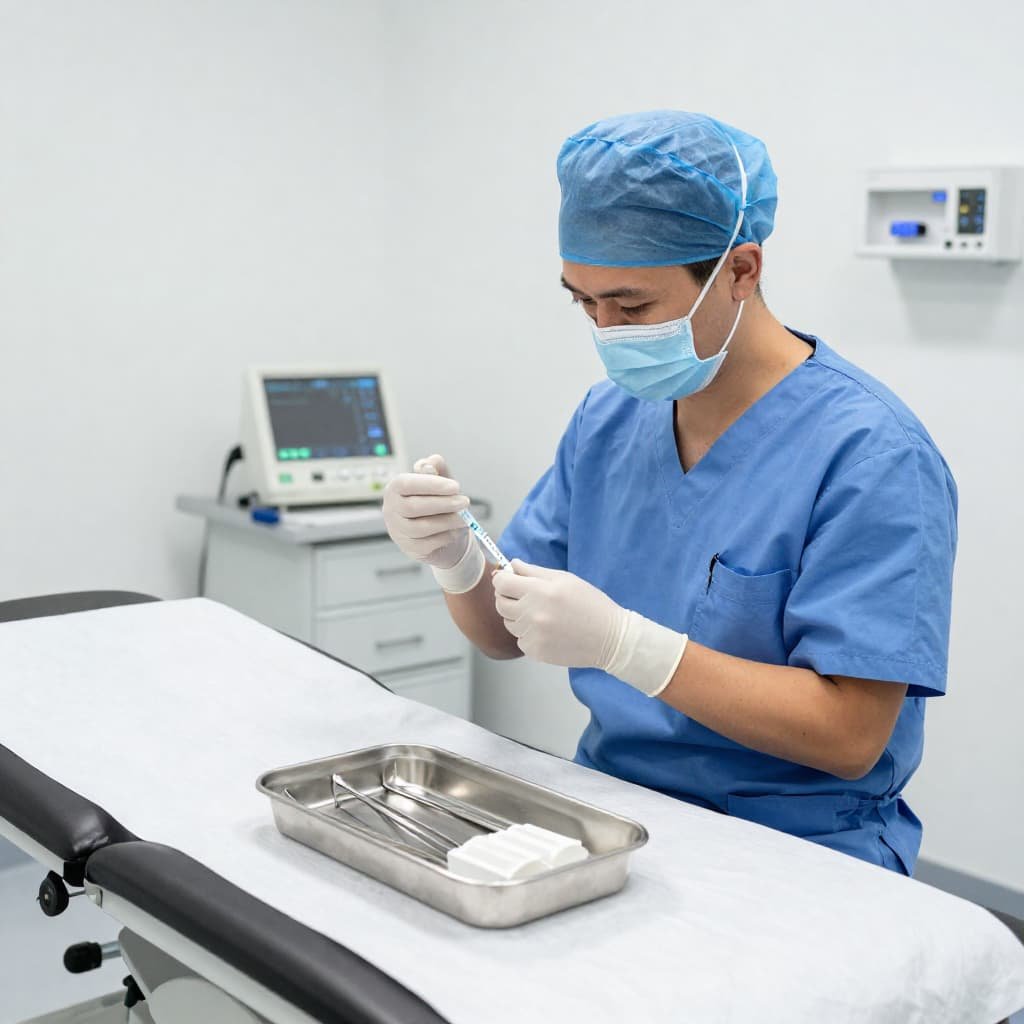
The P-shot — formally the Priapus shot — is an autologous PRP injection delivered into penile and periurethral tissue. Autologous means the plasma derives from the patient’s own blood, eliminating the risk of immunological rejection. The procedure involves venepuncture, centrifugation to isolate PRP, and targeted injection under topical anaesthesia. It takes approximately 45–60 minutes and requires no hospitalisation.
The P-shot is the same procedure used as a natural ED treatment using PRP therapy and as a non-surgical treatment for erectile dysfunction in London. Its application to urinary incontinence builds on overlapping tissue mechanisms — particularly in post-prostatectomy patients, where both conditions often coexist.
Growth Factor Activity and Tissue Targets
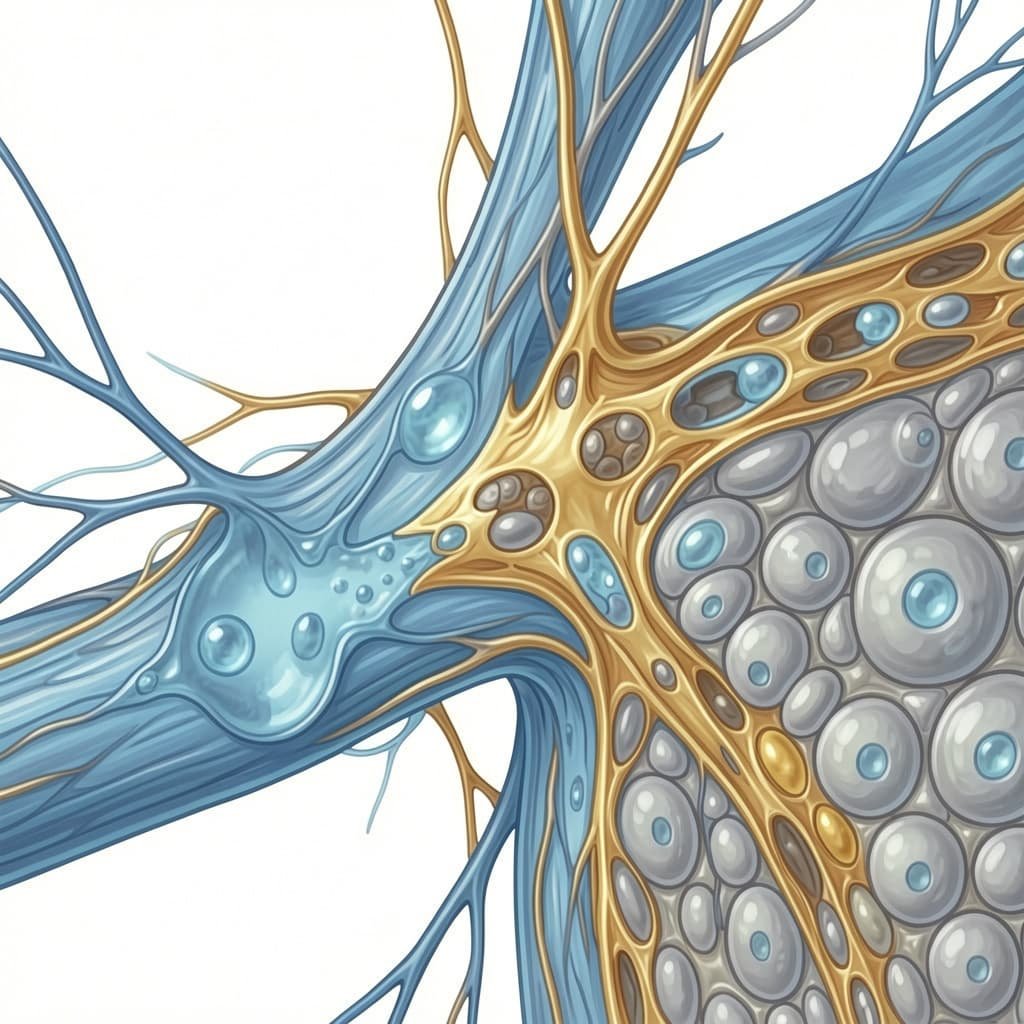
PRP contains a concentrated payload of endogenous growth factors. These include platelet-derived growth factor (PDGF), transforming growth factor-beta (TGF-β), vascular endothelial growth factor (VEGF), and insulin-like growth factor-1 (IGF-1). Once injected into periurethral or intrasphincteric tissue, they trigger four distinct biological processes:
- Myogenesis involves stimulating smooth muscle cell growth, aiding sphincter repair.
- Through neovascularisation, new blood vessels form to restore tissue perfusion.
- Peripheral nerve fibre recovery in the urethra is supported by neuroregeneration.
- Collagen synthesis strengthens periurethral support via extracellular matrix deposition.
A 2025 review published in the Journal of Personalised Medicine (Pitsillidi et al., PMC12194431) confirmed these same growth factor pathways as the principal mechanism in PRP therapy for stress urinary incontinence. Although that review focused primarily on female populations, the periurethral tissue biology is directly comparable in men.
Why This Matters for Incontinence Specifically
The external urethral sphincter and periurethral smooth muscle provide the structural basis for continence. In post-prostatectomy incontinence, sphincter damage is often irreversible through conservative means. PRP targets the cellular level — precisely where conventional physiotherapy and pharmacology do not act. This is the biological case for p shot urinary incontinence treatment as a clinically distinct approach.
Clinical Evidence for P Shot Urinary Incontinence Treatment
The Evidence Landscape: An Honest Assessment
The evidence base for p shot urinary incontinence in men is currently limited. Most published studies involve female cohorts, animal models, or mixed populations. Male-specific randomised controlled trials do not yet exist. This caveat must be stated plainly before reviewing what is available.
That said, the existing data support mechanistic plausibility, and several clinically relevant findings have emerged from smaller studies and prospective case series.
Post-Prostatectomy Incontinence: Human Evidence
A 2021 prospective study by Fusco et al., published in Urology, examined transurethral submucosal PRP injection in men with post-prostatectomy incontinence. The study reported a statistically significant reduction in daily pad usage at both 3 and 6 months post-treatment. No serious adverse events were recorded across the cohort.
This is currently the most cited direct evidence for p shot urinary incontinence treatment in men. The study was small, lacked a comparator arm, and requires replication. Nevertheless, its findings align with the expected biological mechanism.
Preclinical Support: Animal Model Data
Histological data from rat models provide additional mechanistic support. Periurethral PRP injection in animal studies demonstrated increased smooth muscle density and improved sphincter contractility. These findings are consistent with the myogenic and neurotrophic effects described above. While animal data do not directly translate to clinical practice, they reinforce the biological rationale for p shot bladder and sphincter applications in men.
Cross-Population Evidence: SUI in Women
The 2025 Pitsillidi et al. review — the most comprehensive recent synthesis — examined PRP pelvic floor therapy across multiple clinical contexts. It identified periurethral PRP as a promising intervention for SUI through tissue bulking and regeneration. The review called explicitly for standardised methodology in future trials: uniform platelet concentration thresholds, consistent injection volumes, and validated outcome measures.
The mechanisms identified — collagen stimulation, muscle regeneration, neovascularisation — apply equally to male periurethral anatomy. This cross-population evidence supports a hypothesis for male benefit. It does not confirm it.
Dual-Benefit Observations: ED and Incontinence
Several case series involving PRP-based regenerative therapy for ED and advanced PRP solution for erectile dysfunction have noted secondary improvements in urinary control. Post-prostatectomy patients receiving combined intracavernous and periurethral PRP reported reduced leakage episodes alongside improved erectile function. These are observational findings and require prospective validation. However, the shared neuroregenerative mechanism between erectile dysfunction treatment London protocols and sphincter repair provides a coherent biological explanation.
Patient Selection: Who Is an Appropriate Candidate?
Patients Most Likely to Benefit
Based on available evidence and established biological rationale, p shot urinary incontinence treatment may be appropriate for the following groups:
- Suitable for men with mild-to-moderate post-prostatectomy stress incontinence who haven’t fully resolved symptoms after PFMT.
- Candidates include those medically unsuitable for, or choosing not to undergo, artificial urinary sphincter implantation or male urethral sling surgery.
- Patients experiencing concurrent post-prostatectomy erectile dysfunction may benefit from an option addressing both issues simultaneously.
- Also relevant to men in the UK seeking regenerative therapies as part of structured post-surgical rehabilitation.
Exclusion Criteria
Certain factors exclude patients from consideration. Clinicians must assess each case individually:
- Exclude patients with active urinary tract or penile infection.
- Ongoing anticoagulant therapy is a relative contraindication, requiring individual assessment.
- Those with active malignancy or a recent haematological cancer history should not be considered.
- Severe thrombocytopaenia or platelet dysfunction presents a clear barrier.
- Complete sphincter destruction necessitates surgical reconstruction rather than regenerative therapy.
Men with minimal residual sphincter function are unlikely to achieve meaningful improvement from PRP injection alone. Transparent communication about this point is a fundamental component of responsible clinical practice.
Safety Profile and UK Regulatory Context
Published Safety Data
Published studies consistently report a favourable short-term safety profile for periurethral and penile PRP injection. Because PRP is autologous, the risk of allergic reaction or immunological rejection is negligible. Reported adverse effects are mild and self-limiting:
- Mild, localized discomfort at the injection site is common and usually resolves within 24–48 hours.
- Occasional temporary bruising or swelling may occur.
- Some patients experience transient urinary discomfort, though this is uncommon.
- Rarely, haematoma formation can develop.
To date, no serious systemic adverse events have been recorded in peer-reviewed periurethral PRP studies. However, the overall data volume remains small. Long-term safety data beyond 12 months are absent. Clinicians must communicate this gap clearly.
Regulatory Position in the UK
In the UK, PRP treatments fall within the category of minimally invasive procedures. As autologous blood-derived products, they do not currently require MHRA licensing. However, the Care Quality Commission (CQC) regulates the clinical environments in which they are administered. Patients must confirm that any clinic offering P shot UK treatment operates within a CQC-registered facility.
NICE has not issued specific guidance on PRP for male urinary incontinence. In the absence of formal NICE endorsement, clinicians must rely on peer-reviewed literature and individual clinical judgement.
Contextualising the P-Shot Within Existing Treatments
Conservative Management: First-Line and Non-Negotiable
NICE NG123 is unambiguous: pelvic floor muscle training is the first-line intervention for male SUI. P shot urinary incontinence treatment does not replace it. It functions as an adjunct for men who have not achieved adequate continence through structured rehabilitation. Any clinical pathway that bypasses PFMT in favour of PRP injection is clinically inappropriate.
Pharmacological Options: Limited and Indirect
Duloxetine carries limited evidence in male SUI and a notable adverse effect burden. Alpha-agonist agents have seen off-label use but offer modest supporting data. Neither pharmacological option targets tissue-level regeneration. By contrast, PRP pelvic floor therapy and p shot urinary incontinence treatment directly address the underlying structural deficit rather than modulating neuromuscular tone temporarily.
Surgical Options: Effective but Invasive
The artificial urinary sphincter remains the gold standard for moderate-to-severe post-prostatectomy incontinence. Male urethral slings offer a viable alternative in mild-to-moderate cases. Both carry operative risks: device malfunction, erosion, and infection. P shot urinary incontinence treatment occupies a clinically distinct position — a non-surgical option for men unsuitable for, or unwilling to undergo, operative intervention.
An Important Distinction: Functional Versus Cosmetic Penile Injection
Penile injection growth procedures encompass a variety of compounds and objectives. Male enlargement injections cost UK pricing varies considerably across providers, and patients must distinguish between cosmetic volume augmentation and functional PRP-based treatment. The P-shot, when used for p shot urinary incontinence or erectile dysfunction, targets tissue-level functional restoration. It is not a cosmetic procedure. Men’s intimate health treatment in London that conflates these two applications fails its patients clinically.
Realistic Outcomes: What Patients Should Expect
Onset and Duration
PRP growth factor activity begins immediately following injection. However, tissue remodelling is a gradual process. Clinical studies report measurable improvements at 4–8 weeks. Continued benefit at 3–6 months reflects ongoing collagen remodelling and myogenesis. Duration of effect from a single P-shot treatment for incontinence specifically is not established. Studies in PRP therapy for men’s performance issues, including erectile function, suggest effects may persist for 12–18 months. Repeat treatments may therefore be required.
Degree of Improvement
Available evidence indicates that p shot urinary incontinence treatment is more likely to achieve partial improvement than complete continence restoration. Patients should anticipate a reduction in pad usage and urgency episodes rather than full symptom resolution. Published data suggest a 30–50% reduction in symptom severity scores at 3 months in available cohorts. These are preliminary findings from small series. They require replication in controlled trials before informing clinical guidance.
P-shot before and after outcomes documented in existing studies reflect this partial improvement pattern. Distinguishing clinically documented P-shot before and after findings from unverified marketing claims is essential to informed consent and ethical practice.
Cost and Clinical Standards
The priapus shot price in the UK varies by provider, location, and protocol. As a private procedure, no NHS funding applies. Priapus shot price typically ranges from £800 to £2,000 per session at reputable private clinics. Patients researching priapus shot London or P shot London providers should prioritise clinical governance, practitioner qualification, and CQC registration above pricing alone. pshots.co.uk, led by Dr Syed Nadeem Abbas (MBBS, MRCS, MRCGP, MSc Aesthetic Plastic Surgery with Distinction — Queen Mary University London), provides medically supervised consultation before any P injection treatment proceeds.
Research Gaps and the Evidence Agenda
The current evidence base for p shot urinary incontinence treatment in men has several important gaps:
- No randomized controlled trials have yet assessed PRP injection for male urinary incontinence.
- Existing publications are limited to small-scale prospective series with restricted statistical power.
- Protocols for PRP preparation differ across studies, making direct comparison difficult.
- Long-term outcomes beyond 12 months remain unreported.
- Direct comparisons of P-shot treatment versus surgical options in matched male cohorts are still lacking.
Pitsillidi et al. (2025) called explicitly for standardised methodology in future PRP trials — uniform platelet concentrations, consistent injection protocols, and validated outcome measures. Until such trials are completed, p shot urinary incontinence treatment remains a promising intervention without definitive clinical proof.

Frequently Asked Questions
Is p shot urinary incontinence treatment available on the NHS?
No. The NHS does not fund or formally endorse p shot urinary incontinence treatment. NICE has not issued guidance on this specific application. It is available as a private procedure through specialist UK clinics.
How many sessions of the P-shot are typically required for incontinence?
Clinical protocols vary. Some practitioners perform a single session followed by reassessment at 8–12 weeks. Others recommend two or three sessions spaced 4–6 weeks apart for moderate incontinence. No universally agreed protocol currently exists. Treatment must be individualised based on severity and clinical response.
Can the P-shot address both erectile dysfunction and urinary incontinence at the same time?
A biological rationale exists for dual benefit, particularly in post-prostatectomy patients. Combined periurethral and intracavernous PRP injection may address both conditions within a single procedure. This is supported by observational data but not yet by controlled trials. Individual assessment is essential before proceeding.
What is the typical priapus shot price in the UK?
Priapus shot price in the UK typically ranges from £800 to £2,000 per session at reputable private clinics, depending on location, practitioner seniority, and the protocol used. Patients should request a written treatment quotation following a formal consultation and confirm the clinic operates within a CQC-registered environment.
Does the procedure cause significant pain?
Clinicians apply topical anaesthetic before injection. Most patients report mild discomfort rather than significant pain. Localised soreness lasting 24–48 hours post-treatment is common. The procedure requires neither sedation nor general anaesthesia.
How does the P-shot differ from other penile injection growth options?
Vasoactive penile injection growth agents such as alprostadil produce a temporary pharmacological response for erectile function. The P-shot uses autologous PRP to promote biological, tissue-level regeneration. It does not produce an immediate result and is not a cosmetic augmentation procedure. Its application to p shot urinary incontinence is entirely functional, grounded in tissue repair mechanisms.
What do published P-shot before and after results actually show?
P-shot before and after data for urinary incontinence are limited to small prospective cohorts. They show partial improvements — typically a 30–50% reduction in symptom severity scores at 3 months. Expectations should be calibrated against published clinical data, not anecdotal reports or marketing materials.
Is PRP pelvic floor treatment the same as the P-shot?
Not exactly. PRP pelvic floor treatment is a broader term that encompasses various injection techniques targeting pelvic support structures. The P-shot specifically refers to the Priapus shot protocol — a targeted autologous PRP injection into penile and periurethral tissue. It is one application within the wider field of PRP pelvic floor medicine.
Conclusion
Male urinary incontinence — particularly post-prostatectomy — represents a significant clinical burden with a limited non-surgical evidence base. The P-shot occupies a plausible and increasingly investigated position within that gap. Its biological mechanism is well-characterised. Its growth factors target precisely the tissue processes — myogenesis, neuroregeneration, neovascularisation — that conventional management does not reach.
The evidence for p shot urinary incontinence treatment in men is modest in volume but mechanistically coherent. Small prospective studies report meaningful reductions in pad usage. Cross-population data from female PRP pelvic floor research confirms the same underlying pathways. Case observations in PRP-based regenerative therapy for ED suggest secondary continence benefits. None of this constitutes definitive clinical proof. Larger, male-specific, randomised controlled trials are essential — and overdue.
For men who have exhausted conservative management and decline surgery, p shot urinary incontinence treatment represents a clinically distinct, biologically sound option. It should be offered within a structured pathway, with frank counselling about realistic outcomes and the current limitations of the evidence base.
The central unanswered question is not whether PRP carries biological plausibility for this indication — the mechanisms are clear. The question is granular and practical: which degree of sphincter damage, which PRP preparation concentration, and which injection protocol will produce the most durable functional benefit? That question deserves a rigorous, peer-reviewed answer. Until it has one, clinicians and patients must navigate this space with scientific honesty, clinical precision, and a clear-eyed respect for what the evidence currently does — and does not — support.
Read more: Your First P Shot London Consultation – What Happens Step by Step
When Will I See Results from P Shot in London? A Realistic Timeline


