P Shot vs Hyaluronic Acid Penile Fillers London

Two non-surgical options attract increasing interest from men in London seeking penile enhancement and sexual health improvement: the P Shot (Priapus Shot) and hyaluronic acid (HA) penile fillers. Both fall under the broader category of non-surgical penile enhancement in London, but they work through entirely different biological mechanisms, carry different evidence bases, and produce distinct clinical outcomes.
When comparing P Shot vs Hyaluronic Acid Penile Fillers in London, patients must understand precisely what each procedure involves, what realistic results look like, and what the current clinical literature says. Therefore, this article provides a structured, evidence-based comparison to support informed decision-making.
What Is the P Shot (Priapus Shot)?
The P Shot — short for Priapus Shot — is a PRP (platelet-rich plasma) penile treatment. It uses the patient’s own blood to deliver concentrated growth factors directly into penile tissue.
How the P Shot Procedure Works
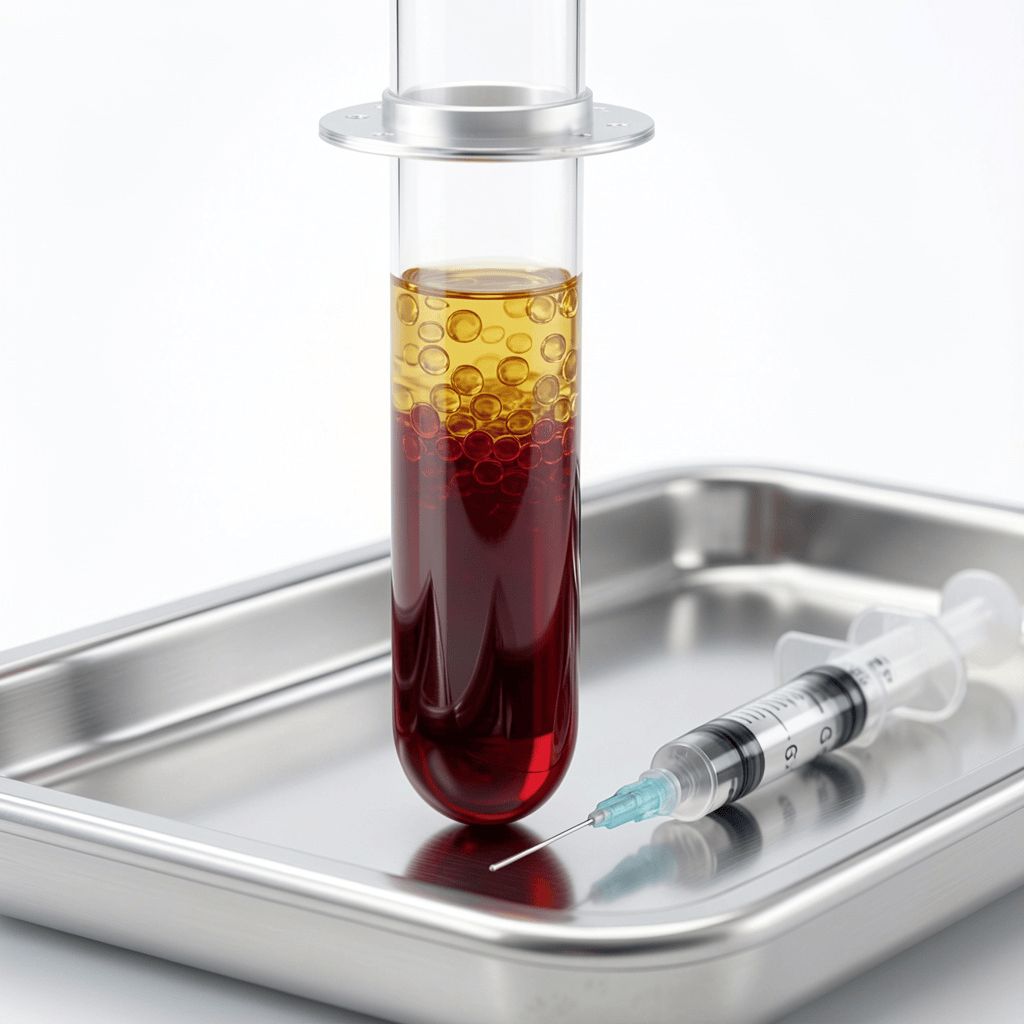
A clinician draws a small volume of the patient’s blood — typically 20–30 ml — and places it in a centrifuge. This process separates the blood into its components, isolating the platelet-rich plasma. The clinician then injects the PRP into specific areas of the penis, including the corpus cavernosum and the glans.
The platelets in PRP contain a range of growth factors, including platelet-derived growth factor (PDGF), vascular endothelial growth factor (VEGF), and transforming growth factor beta (TGF-β). Crucially, these signalling proteins stimulate tissue repair, neovascularisation, and cellular regeneration — all of which occur gradually over several weeks.
What the P Shot Is Designed to Address
The P Shot treatment primarily targets:
• Erectile dysfunction (ED), including cases associated with Peyronie’s disease
• Reduced penile sensitivity
• General sexual performance concerns
• Penile rehabilitation following surgery or radiation therapy
The P Shot is often chosen by London patients to improve erection quality, increase sensitivity, and sometimes achieve small gains in size. However, results vary considerably between individuals, and clinicians must set realistic expectations during consultation.
Evidence Base for the Priapus Shot
Research into PRP penile treatment vs fillers shows that PRP therapy carries more published clinical data related to erectile function than it does for purely cosmetic enlargement. Specifically, a 2021 review published in Sexual Medicine Reviews found that intracavernous PRP injections showed promise in improving erectile function scores. Nevertheless, the authors called for larger randomised controlled trials before bodies such as NICE could recommend PRP as a first-line treatment.
Furthermore, a study in the International Journal of Impotence Research (Matz et al., 2018) reported significant improvement in International Index of Erectile Function (IIEF) scores in men who received PRP injections compared to controls. That said, the sample sizes were small and follow-up periods varied considerably.
Important: The MHRA does not currently approve the P Shot as a licensed treatment for erectile dysfunction. Clinicians who offer the Priapus Shot London must ensure patients receive a thorough consultation, and they must deliver treatment within an appropriate clinical governance framework.
What Are Hyaluronic Acid Penile Fillers?
Hyaluronic acid penile fillers are injectable dermal fillers — the same class of product used in facial aesthetics — adapted for penile girth enlargement. The procedure adds cross-linked hyaluronic acid beneath the penile skin to increase circumference.
How the Penis Filler Procedure Works
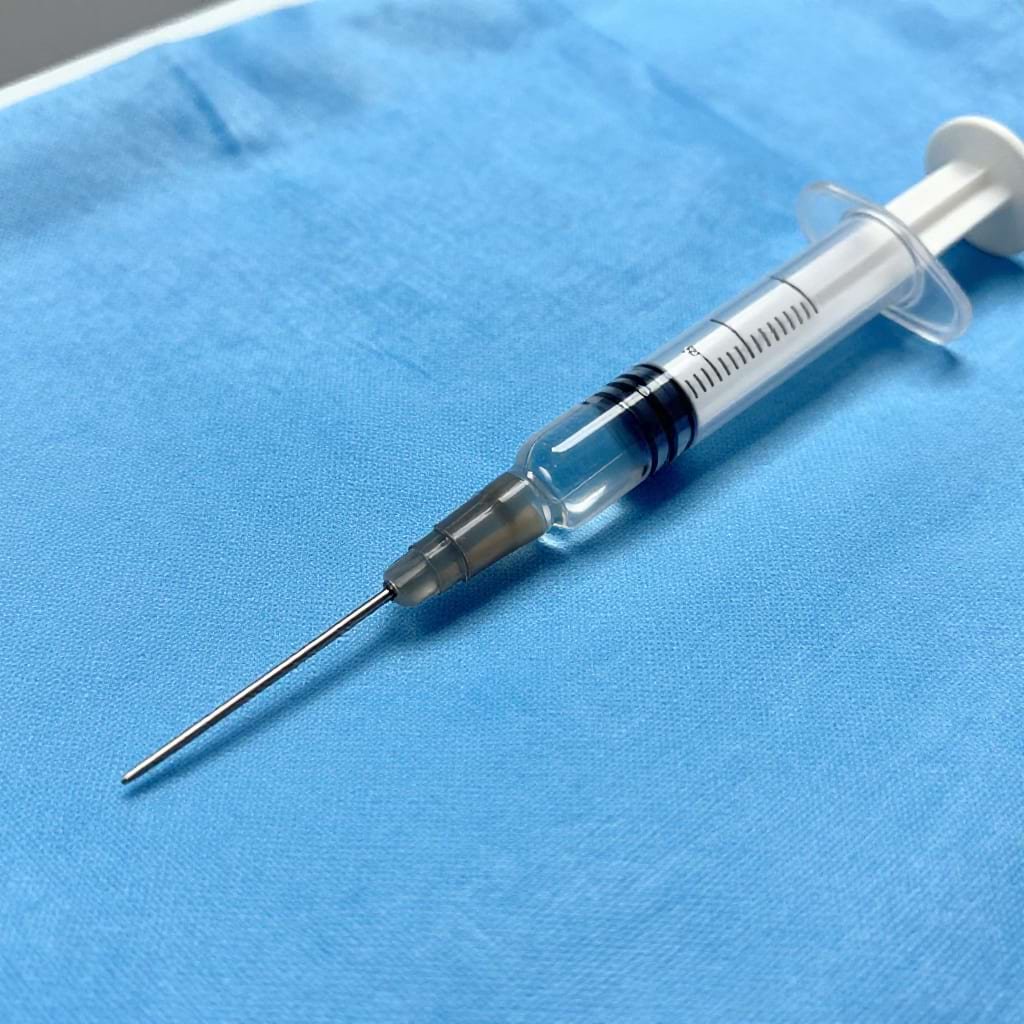
Clinicians perform the penis filler procedure under topical or local anaesthesia. They inject a cross-linked HA gel into the subcutaneous tissue of the penile shaft, typically using a cannula rather than a needle to reduce the risk of intravascular injection. The filler integrates with surrounding tissue and increases penile girth immediately.
Hyaluronic acid is a naturally occurring polysaccharide found in connective tissue. Cross-linked HA resists enzymatic degradation and consequently remains in tissue longer than non-cross-linked forms. Depending on the product and volume used, results last between 12 and 24 months before the filler gradually absorbs.
What HA Penile Fillers Are Designed to Address
Clinicians consider penile girth enhancement with HA fillers a cosmetic procedure. It primarily addresses:
• Penile girth enlargement (circumference, not length)
• Glans augmentation
• Penile dysmorphic concerns where surgical intervention is not warranted
Penis filler London and UK clinics offer this as a non-surgical alternative to penis enlargement surgery UK. Importantly, it does not replicate the functional outcomes of the P Shot — it does not improve erectile function, blood flow, or penile sensitivity.
Evidence Base for Hyaluronic Acid Penile Fillers
The evidence base for HA penile fillers UK continues to grow, though — like the P Shot — it lacks the large randomised controlled trials necessary for formal NICE endorsement. In 2019, a systematic review in the Journal of Sexual Medicine (Littara et al.) reported that HA penile fillers produced statistically significant increases in flaccid and erect penile circumference, with high patient satisfaction rates and a manageable adverse event profile when experienced practitioners performed the procedure.
Additionally, the British Association of Aesthetic Plastic Surgeons (BAAPS) does not formally endorse penile filler procedures as of 2024. BAAPS notes that they fall outside the scope of standard reconstructive urology. Consequently, patients considering penile girth enhancement options UK must ensure a medically qualified practitioner with specific training carries out the procedure.
P Shot vs Hyaluronic Acid Penile Fillers London: Side-by-Side Comparison
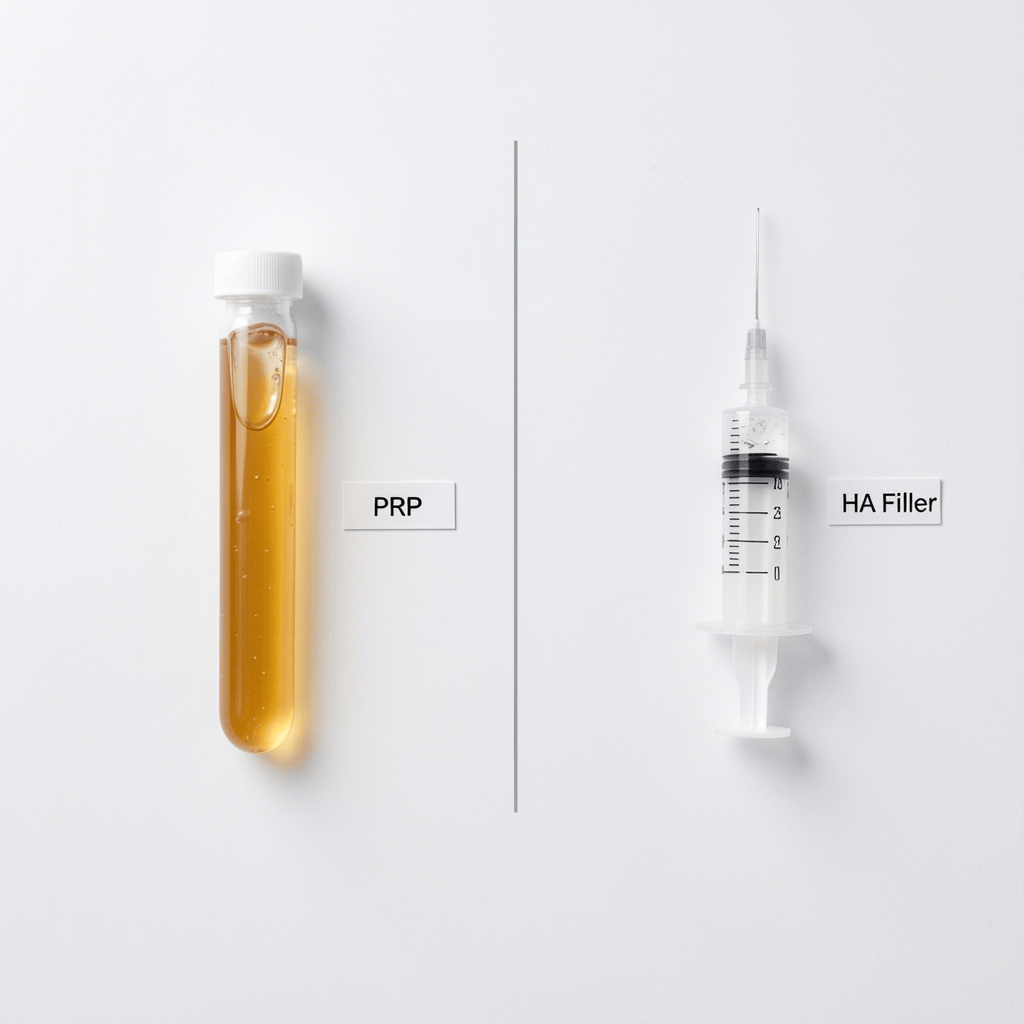
The table below summarises the key clinical and procedural differences between the P Shot and HA penile fillers.
| Feature | P Shot (Priapus Shot) | Hyalurnic Acid Penile Fillers |
| Primary mechanism | PRP growth factors stimulate tissue regeneration | HA gel increases subcutaneous tissue volume |
| Primary purpose | Erectile function, sensitivity, tissue repair | Penile girth enlargement (cosmetic) |
| Material used | Patient’s own blood (autologous) | Synthetic cross-linked hyaluronic acid |
| Immediate cosmetic change | Minimal to none | Immediate increase in girth |
| Functional improvement | Possible improvement in erectile quality | No direct effect on erectile function |
| Duration of results | Variable; may be long-lasting if regeneration occurs | 12–24 months (filler is reabsorbable) |
| Reversibility | Not reversible (biological process) | Partially reversible with hyaluronidase |
| Risk of allergic reaction | Very low (autologous) | Low, but possible |
| Evidence quality | Small RCTs; promising but limited | Observational studies; growing evidence |
| MHRA licensed? | No | HA fillers are CE/UKCA marked devices |
| Suitable for ED? | Yes (primary indication) | No |
| Suitable for girth enlargement? | Limited cosmetic effect | Yes (primary indication) |
| Downtime | Minimal (24–48 hours) | Minimal (24–72 hours) |
| Anaesthesia | Topical or local | Topical or local |
| Treatable by dissolution | No | Yes (hyaluronidase enzyme) |
Key Clinical Differences Explained
1. Biological Mechanism
The most fundamental difference in P Shot vs Hyaluronic Acid Penile Fillers London lies in the mechanism of action. The P Shot triggers the body’s own regenerative response. PRP growth factors activate stem cells, promote angiogenesis (new blood vessel formation), and stimulate collagen synthesis. As a result, this physiological process unfolds gradually over weeks to months rather than producing immediate visible change.
By contrast, HA fillers work through physical volume augmentation. The gel occupies space beneath the penile skin, producing an immediate increase in circumference. Unlike PRP, HA fillers carry no regenerative component.
2. Treatment Goals
These two procedures target distinctly different patient concerns. The P shot suits men experiencing erectile dysfunction, reduced penile sensitivity, or those who seek tissue-level improvement as part of a broader sexual health plan. However, it does not reliably deliver standalone cosmetic enlargement results.
In contrast, HA penile filler — also referred to as a penis shot for girth — suits men whose primary concern is penile circumference and cosmetic appearance. Because it does not address erectile function, men with ED should complete appropriate clinical assessment and treatment before pursuing a cosmetic penile procedure.
3. Longevity and Maintenance
P shot results vs fillers differ significantly in duration and maintenance requirements. PRP-induced tissue regeneration, when effective, may produce improvements that persist for 12–18 months or longer, since the structural changes occur at the cellular level. Nevertheless, the regenerative response varies between individuals and depends on age, baseline health, and PRP preparation quality.
In comparison, HA penile fillers require repeat treatment every 12–24 months as the hyaluronic acid gradually metabolises. Moreover, clinicians can dissolve HA with hyaluronidase — a significant safety advantage in cases of asymmetry, migration, or adverse outcomes.
4. Safety Profile
Both procedures carry risks, and clinicians must clearly inform patients before proceeding.
The autologous nature of PRP in the P-shot reduces immunological risk, though infection, bruising, and haematoma remain possible. In practice, the primary concern with PRP relates to variable clinical efficacy rather than severe adverse events.
For penis filler UK procedures, risks include bruising, swelling, nodule formation, filler migration, and — in rare cases — vascular occlusion when injection technique is suboptimal. Using a blunt cannula rather than a sharp needle significantly reduces vascular risk. Additionally, the British Journal of Dermatology and multiple aesthetic medicine guidelines recommend that clinicians keep hyaluronidase on-site during all HA filler procedures.
Patients researching penis enlargement surgery near me should note that both the P Shot and HA fillers carry lower risks than surgical alternatives such as ligament division or fat transfer. Nevertheless, ‘lower risk’ does not mean ‘no risk,’ and thorough clinical assessment remains essential.
Who Is Each Procedure Suitable For?
Suitable Candidates for the P Shot
The Priapus Shot is most clinically appropriate for:
• Men with mild to moderate erectile dysfunction who have not responded adequately to PDE5 inhibitors
• Men with Peyronie’s disease (penile fibrosis causing curvature and pain)
• Men who experience reduced sensation following surgery, diabetes, or age-related changes
• Men seeking penile rehabilitation following radical prostatectomy
What to Expect: P Shot Before and After
The P shot before and after experience involves gradual improvement over 6–12 weeks. Furthermore, some patients report continued progress up to six months post-treatment. Unlike HA fillers, the P Shot produces no immediate visible change — progress builds as PRP growth factors trigger tissue repair at a cellular level.
Suitable Candidates for HA Penile Fillers
HA penile fillers are most clinically appropriate for:
• Men in good sexual health who seek increased penile girth
• Men with penile dysmorphic concerns who wish to avoid surgery
• Men seeking a reversible, non-permanent enhancement
Length vs Girth: A Common Misconception
Penile injection growth through HA fillers increases circumference — not length. This distinction is clinically important and frequently misunderstood. Patients who hold unrealistic expectations about length gain or total penile transformation require thorough counselling before clinicians consider proceeding with treatment.
Cost Considerations
Male enlargement injection costs in UK vary considerably depending on the clinic, practitioner credentials, product volume, and procedural complexity.
P Shot Pricing
For P Shot treatment, London pricing typically ranges from £1500 to £2,500 per session. The Priapus shot price reflects centrifuge equipment, consumables, and clinical time — not the PRP material itself, which the clinician derives directly from the patient’s own blood.
HA Penile Filler Pricing
For HA penile fillers, UK costs generally range from £1,500 to £4,000 depending on the volume of filler required. Additionally, some providers offer staged treatment across multiple sessions, which affects the total cost.
In both cases, male enlargement injection costs should never drive the decision. Patients should instead prioritise practitioner qualifications, clinical governance standards, and the availability of structured aftercare.
What UK Patients Should Know Before Choosing

Both procedures are available at private medical clinics across the UK. The non-surgical penile enhancement London market has expanded significantly in recent years, and patient safety depends heavily on practitioner qualifications and experience.
Verify Practitioner Credentials
Patients should seek treatment from practitioners who hold medical degrees and have completed specific training in genital aesthetics or andrology. Moreover, clinics should offer a thorough consultation, full medical history assessment, and a documented informed consent process before any procedure takes place.
Dr Syed Nadeem Abbas at P shot clinic, a Harley Street-based clinic, offers both PRP penile treatment and HA penile filler procedures under full clinical assessment.
NHS Provision and ED Pathways
The NHS does not routinely fund either the P Shot or penile filler procedures for cosmetic indications. Men who experience erectile dysfunction should first consult their GP, as NHS pathways exist for the assessment and management of ED through urology and sexual health services. Therefore, men should exhaust NHS options before pursuing private non-surgical procedures.
Frequently Asked Questions
Q1: Can I have both the P Shot and hyaluronic acid penile fillers at the same time?
Combining both procedures in the same session is not standard practice. Some clinicians offer them as part of a staged treatment plan, with PRP first to optimise tissue health before filler augmentation. Nevertheless, this approach lacks a robust evidence base, and patients should discuss it fully during consultation.
Q2: How long does a P Shot or penis filler procedure take?
Both procedures typically take 45–90 minutes inclusive of preparation time. The injection itself takes 15–30 minutes.
Q3: Is the P Shot painful?
Clinicians apply topical anaesthetic cream before the procedure, and they may also use a local anaesthetic. Most patients report mild discomfort rather than significant pain during the injection.
Q4: Can hyaluronic acid penile fillers be dissolved if I am unhappy with the results?
Yes. A clinician can inject hyaluronidase enzyme to dissolve HA filler in cases of asymmetry, nodule formation, or patient dissatisfaction. However, dissolution is not always complete, and the process may require multiple treatment sessions.
Q5: Are penile enlargement injections safe?
Both P Shot and HA penile filler injections carry an acceptable safety profile when qualified medical practitioners perform them using sterile technique. Risk increases significantly when unqualified individuals perform procedures in non-clinical settings. Accordingly, patients must verify practitioner credentials before proceeding.
Q6: How soon can I resume sexual activity after these procedures?
Most clinicians advise patients to abstain from sexual activity for 4–7 days following either procedure. This allows initial healing and reduces the risk of filler migration or bruising.
Q7: Do penile fillers affect erection quality?
Clinicians place HA fillers in the subcutaneous tissue of the penile shaft, away from the internal erectile mechanism. Consequently, correctly placed fillers should not impair erection quality. However, overcorrection or filler placed in the wrong anatomical plane can, in rare cases, cause discomfort during erection.
Q8: What is the difference between P Shot results vs fillers in terms of appearance?
HA fillers produce an immediate, visible increase in penile girth. By contrast, the P Shot does not produce immediate visible changes. Any cosmetic improvement from PRP — such as increased firmness during erection — develops gradually and remains modest compared to the physical augmentation that HA fillers achieve.
Key takesaway
The comparison of P Shot vs Hyaluronic Acid Penile Fillers London reveals two procedures that differ fundamentally in mechanism, indication, and outcome. The P Shot is a biological, regenerative treatment with its strongest evidence in erectile dysfunction and tissue repair. In contrast, hyaluronic acid penile fillers are a cosmetic, volume-based procedure suited to men who seek increased penile girth without surgery.
Neither procedure warrants selection without a thorough medical consultation, a clear understanding of realistic outcomes, and an honest assessment of individual health status and expectations. Furthermore, both remain outside NHS provision for cosmetic purposes, and the growing evidence base has not yet reached the standard that formal NICE endorsement requires.
Patients should therefore consult a qualified medical practitioner, review peer-reviewed literature, and critically evaluate clinic credentials before proceeding with either treatment.
As the market for non-surgical penile enhancement in London continues to expand, the most important question any prospective patient can ask is not ‘which procedure works better?’ — but rather: Am I being assessed by someone with the clinical expertise to determine which procedure, if any, is appropriate for me?
Read more: P Shot London: How to Choose a Safe Clinic and What to Expect at Your Consultation
P Shot UK: What Impacts Price, What Should Be Included in a Quote, and Questions to Ask