Penile Sensitivity After Circumcision: What Does the Evidence Say?

✅Medically reviewed | Updated September 2026
Circumcision remains one of the most debated procedures in men’s health. Parents weigh it for newborn sons. Adult men consider it for medical or personal reasons. At the centre of the debate sits one persistent question: does circumcision change penile sensitivity, and if so, by how much? Claims travel quickly online, ranging from dramatic warnings of permanent numbness to confident reassurances that nothing changes at all. Neither extreme reflects the actual evidence. This article sets out what peer-reviewed research actually shows about penile sensitivity after circumcision, why studies disagree, and what men can realistically expect.
Circumcision removes the foreskin, a mobile fold of skin covering the glans. The foreskin carries specialised nerve endings. Removing it inevitably changes the penis physically. Whether that physical change translates into a meaningful loss of pleasure or function is a separate, more complicated question. Research on penile sensitivity after circumcision spans more than two decades, several countries, and thousands of participants. The findings are mixed, sometimes contradictory, and often shaped by how each study measured sensitivity in the first place.
Understanding Penile Sensitivity and the Role of the Foreskin
Nerve Supply of the Foreskin and Glans
The foreskin contains a dense concentration of nerve endings, including specialised receptors that detect light touch and fine texture. The glans, by contrast, contains fewer of these fine-touch receptors and relies more on pressure and temperature sensation. This anatomical difference forms the basis of the argument that circumcision reduces penile sensitivity, because it removes tissue with a distinct nerve profile rather than simply exposing more of the glans.
Keratinisation of the Glans After Circumcision
After circumcision, the glans is no longer covered and protected by the foreskin. Continuous exposure to clothing and friction causes the outer skin layer to thicken slightly, a process called keratinisation. Some researchers argue this thickening blunts fine sensation over time. Others argue the change is minor and does not meaningfully affect sexual pleasure. This disagreement runs through much of the published literature on penile sensitivity after circumcision.
What the Evidence Shows About Penile Sensitivity After Circumcision
Studies Reporting Reduced Sensitivity
A widely cited 2013 study published in BJU International by Bronselaer and colleagues surveyed a large cohort of men and asked them to rate sensitivity across different penile regions. The study concluded that the foreskin is more sensitive than the exposed glans in circumcised men, and it framed this finding as evidence of reduced penile sensitivity after circumcision. The authors argued that men considering circumcision without a medical indication should be informed of the foreskin’s role in sexual sensation before proceeding.
This study attracted significant criticism. Reviewers pointed to its reliance on self-reported, retrospective recall rather than objective sensory testing. Men circumcised in infancy have no memory of an uncircumcised state to compare against, which limits the reliability of their self-assessment.
Studies Finding No Significant Change
A large systematic review by Morris and Krieger, published in 2013, analysed 36 studies covering more than 40,000 men. The review concluded that circumcision showed no overall adverse effect on penile sensitivity, sexual arousal, erectile function, or sexual satisfaction. This remains one of the most frequently referenced reviews on penile sensitivity after circumcision because of its scale and its inclusion of both circumcised and uncircumcised comparison groups.
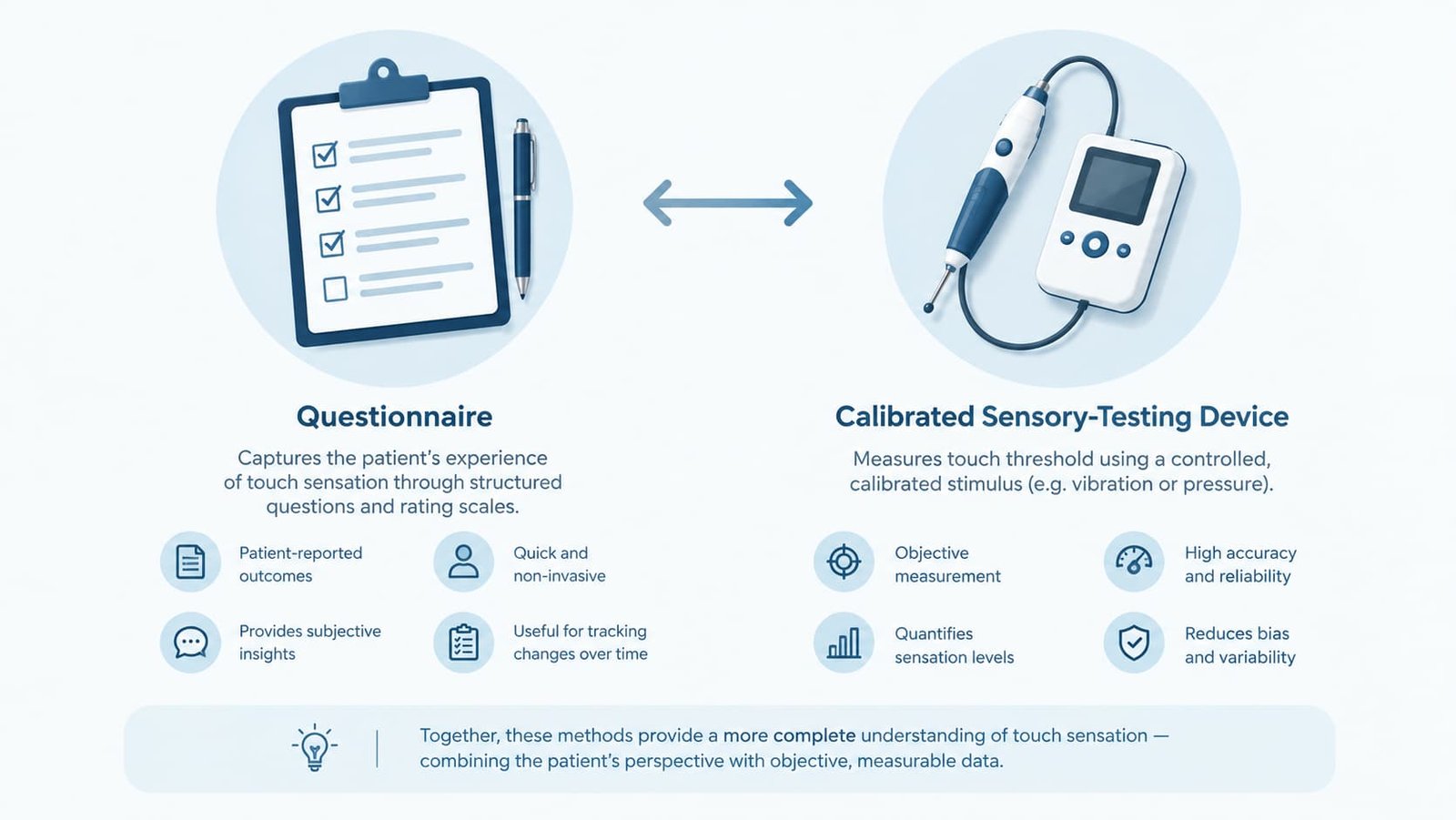
A separate 2016 study by Bossio and colleagues, published in the Journal of Urology, used quantitative sensory testing rather than self-report. Researchers applied calibrated touch and warmth stimuli to specific penile sites in circumcised and intact men. The results showed no significant differences in sensory thresholds between the two groups at most sites tested. This study is considered methodologically stronger than survey-based research because it removes recall bias from the equation.
Randomised Controlled Trial Data
Large randomised controlled trials conducted in Kenya and Uganda, originally designed to study HIV prevention, also gathered data on sexual function. Follow-up data from the Kenyan trial found that most circumcised men reported unchanged or increased penile sensitivity at 24 months, with only a small minority reporting reduced sensitivity. These trials carry particular weight because participants were randomised rather than self-selected, reducing bias linked to why a man chooses circumcision in the first place.
A British probability survey, Natsal-3, examined circumcision status against a validated measure of sexual function in a nationally representative sample. The survey found no significant association between circumcision and sexual dysfunction among British men. This is one of the few large-scale UK-specific data sources addressing the topic directly.
How Researchers Measure Sensitivity
Self-Report Questionnaires
Most early research relied on questionnaires asking men to rate sensation, pleasure, or satisfaction on a numerical scale. This approach is simple to administer and allows large sample sizes. It also carries clear weaknesses. Memory of pre-circumcision sensation fades over time, particularly for men circumcised decades earlier. Cultural attitudes toward circumcision can also shape how a man rates his own experience, independent of any actual physical change.
Quantitative Sensory Testing
Quantitative sensory testing (QST) applies calibrated stimuli, such as light touch, vibration, or warmth, to specific points on the penis and records the threshold at which a man detects each stimulus. This method removes much of the subjectivity found in questionnaire-based research. QST studies generally find smaller differences between circumcised and intact men than survey-based studies suggest, which has led some researchers to argue that self-report data overstates the true sensory impact of circumcision.
Why Methodology Matters for the Debate
The gap between questionnaire findings and QST findings explains much of the ongoing disagreement in this field. A study built on retrospective recall and one built on calibrated physical testing can reach different conclusions about the same underlying anatomy. Readers assessing claims about reduced penile sensitivity should note which method a given study used before drawing firm conclusions from it.
Penile Numbness After Circumcision: Temporary or Permanent?
Post-Surgical Healing and Nerve Adaptation
Some degree of penile numbness after circumcision is common in the early weeks following surgery. Surgical trauma, swelling, and the healing of cut nerve fibres at the incision site all contribute to temporary altered sensation. NHS post-operative guidance for adult circumcision confirms that the glans typically feels highly sensitive immediately after surgery, then gradually settles as tissue heals and keratinisation stabilises.
When Numbness Persists
For most men, altered sensation resolves within weeks to a few months. Persistent numbness beyond this window is less common and warrants clinical assessment. Possible contributing factors include surgical technique, scar tissue formation, or nerve injury during the procedure. Men experiencing ongoing numbness should seek a formal urological review rather than assuming the change is permanent or untreatable.
Factors That Influence Sensitivity Outcomes
Age at Circumcision
Evidence suggests men circumcised in adulthood report different outcomes compared with those circumcised in infancy. Adult men have a pre-circumcision baseline to compare against, which shapes how they interpret any change. Some adult cohort studies report modest decreases in reported sensitivity alongside improved satisfaction and hygiene, illustrating that sensitivity and satisfaction do not always move in the same direction.
Surgical Technique
The amount of tissue removed, the surgical method used, and the skill of the surgeon all influence healing and long-term sensation. A carefully performed procedure with appropriate tissue preservation is associated with better functional outcomes than a rushed or poorly executed one.
Individual Nerve Distribution
Nerve density varies between individuals. This natural variation means two men undergoing an identical procedure can report different sensory experiences afterwards. This variability partly explains why studies on reduced penile sensitivity produce inconsistent results across different populations.
Underlying Medical Indication
Men circumcised for a medical condition, such as phimosis, recurrent infection, or lichen sclerosus, often experienced pain or restricted function before surgery. For this group, any post-operative change in sensation sits alongside a broader improvement in comfort and hygiene, which can shift how satisfaction is reported regardless of sensory testing results.
UK Clinical Guidance and Context
NHS guidance typically reserves circumcision for specific medical indications in the UK, including phimosis unresponsive to conservative treatment, recurrent balanitis, and certain congenital conditions. NHS resources on post-operative recovery note that heightened glans sensitivity commonly follows surgery and settles with time. Neither NHS nor NICE guidance frames penile sensitivity after circumcision as a guaranteed or predictable outcome, reflecting the same uncertainty found in the wider academic literature. UK clinicians should counsel patients using balanced, evidence-based information rather than definitive promises about sensory outcomes.
Sexual Function and Satisfaction After Circumcision
Erectile Function
Most large reviews find no consistent link between circumcision and erectile dysfunction. A small number of adult circumcision cohort studies report a statistically modest change in erectile function scores, though findings vary and are not replicated consistently across the wider literature.
Ejaculatory Latency
Several studies report that circumcision is associated with longer time to ejaculation in some men. Researchers have proposed this may relate to reduced fine-touch sensitivity at the glans, though the evidence for this mechanism remains preliminary.
Partner-Reported Outcomes
Some studies include partner-reported satisfaction alongside male self-report. These generally show no significant difference in partner-rated sexual satisfaction between circumcised and uncircumcised men, adding further weight to the argument that any sensory change does not necessarily translate into reduced sexual satisfaction for either partner.
Psychological and Contextual Factors
Sexual satisfaction depends on more than nerve signalling alone. Confidence, hygiene, relationship context, and expectations all shape how a man experiences intimacy after surgery. Some cohort studies report improved satisfaction following circumcision performed for medical reasons, driven largely by resolution of pain, infection, or restricted retraction rather than any change in raw sensory threshold. Separating the psychological contribution from the physical one remains a persistent challenge for researchers in this field, and it is one reason single-measure studies rarely tell the full story.
Limitations of Current Research
Research into penile sensitivity after circumcision faces several consistent limitations. Most studies rely on self-reported outcomes rather than objective, standardised sensory measurement. Recall bias affects men circumcised in infancy, who have no personal baseline for comparison. Study populations vary widely by age, circumcision indication, and cultural context, which limits how well findings generalise across different groups. Few studies use consistent, validated sensory testing tools, making direct comparison between studies difficult. These limitations mean the current evidence base, while extensive, does not provide a single definitive answer applicable to every man.
Publication bias adds a further complication. Studies reporting a significant change, in either direction, are more likely to attract attention and citation than studies reporting no difference. This can create a misleading impression of how strong or consistent the evidence actually is when individual papers are read in isolation rather than as part of a wider systematic review.
Practical Considerations for Men Weighing Circumcision
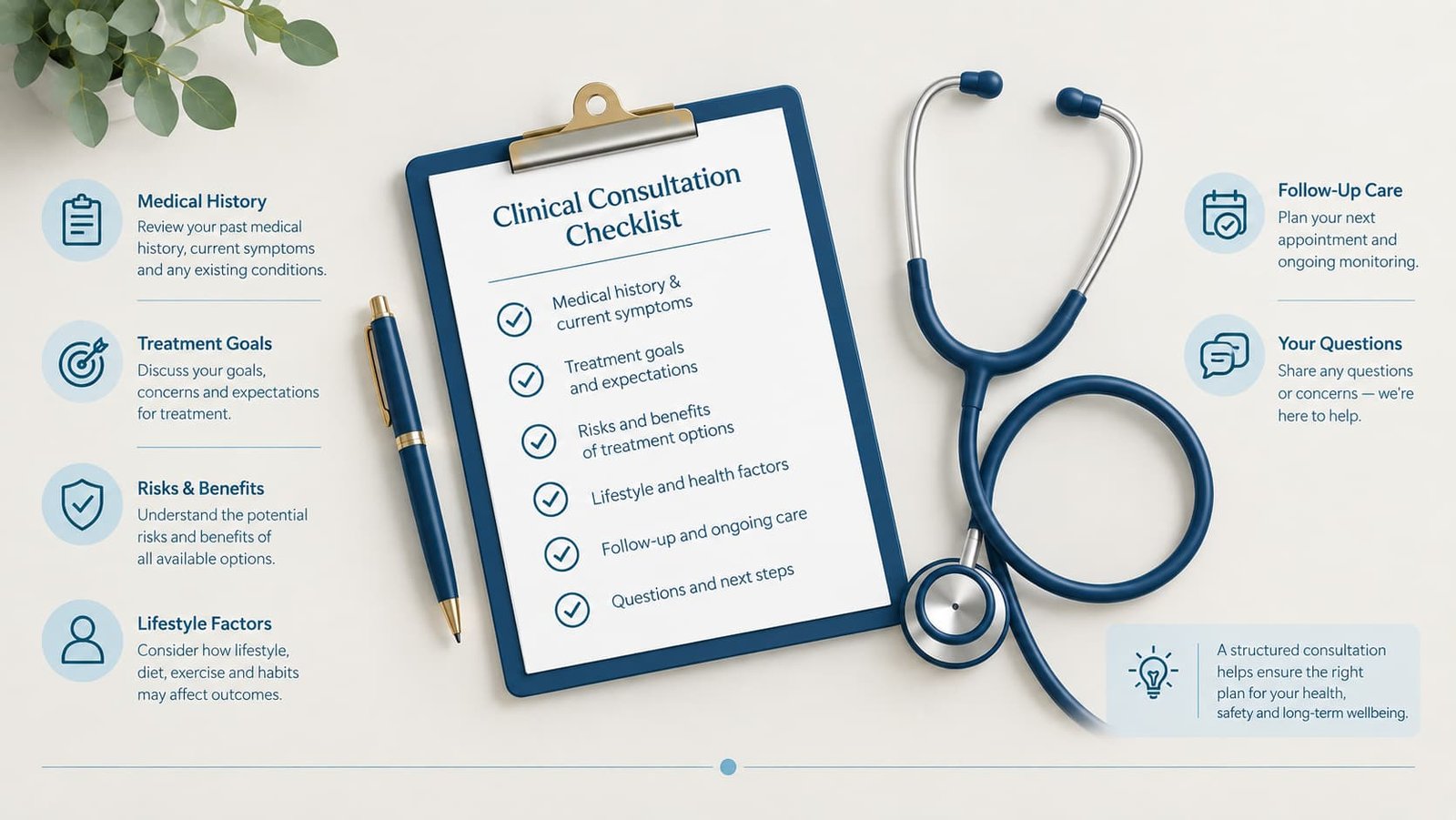
Men considering circumcision, whether for medical indications or personal reasons, benefit from a balanced view of the evidence rather than anecdote alone. Discussing individual risk factors, surgical technique, and realistic expectations with a qualified clinician supports informed decision-making. Pshots Clinic UK, a private clinic on Harley Street in London led by Dr Syed Nadeem Abbas, is one example of a setting where men can access individualised clinical assessment before undergoing urological or sexual health procedures. This mention is factual and not an endorsement of any specific outcome.
Outcomes depend on individual anatomy, surgical technique, and the reason for the procedure. No clinician can guarantee a specific sensory result, and men should treat any such guarantee with caution.
Frequently Asked Questions
Does circumcision permanently reduce penile sensitivity?
Evidence is mixed. Some studies report reduced sensitivity at the glans after circumcision. Larger systematic reviews and controlled trials generally report no significant long-term difference in sexual function or satisfaction.
What causes penile numbness after circumcision?
Early numbness usually results from surgical trauma, swelling, and nerve healing. It typically improves within weeks to months as tissue recovers and keratinisation of the glans stabilises.
Can reduced penile sensitivity improve over time?
Yes, in most cases. Initial heightened or reduced sensitivity tends to settle as healing completes. Some cohort data even show increased reported sensitivity at 24-month follow-up.
Does circumcision affect erectile function?
Most large reviews find no consistent link between circumcision and erectile dysfunction. Findings from smaller adult cohort studies vary and are not uniformly replicated.
Is there an objective way to measure penile sensitivity?
Quantitative sensory testing, using calibrated touch and temperature stimuli, offers a more objective measure than self-report. Studies using this method generally find fewer differences between circumcised and intact men than survey-based research suggests.
Should penile sensitivity concerns influence the decision to have circumcision?
For men without a medical indication, sensitivity outcomes are one factor among several worth discussing with a clinician, alongside hygiene, personal preference, and any underlying condition prompting consideration of the procedure.
Do all men experience the same change in sensitivity?
No. Individual nerve distribution, surgical technique, age at circumcision, and the underlying reason for surgery all shape outcomes. This variation is a key reason population-level studies produce averages that do not predict any single man’s individual result.
How soon after circumcision does sensation typically stabilise?
Most men notice sensation settling within six to twelve weeks as swelling resolves and the glans adjusts to being uncovered. Full stabilisation of surface keratinisation can take several months longer in some cases.
Key Takeaways
The evidence on penile sensitivity after circumcision does not point to one simple conclusion. Some studies report reduced sensation at the glans. Larger reviews and controlled trials generally report no significant long-term impact on sexual function or satisfaction. Both patterns appear across a genuinely mixed and evolving body of research. What stands out is the importance of objective measurement over anecdote, and of individualised clinical assessment over generalised online claims. Men weighing circumcision, or seeking to understand changes after having already undergone it, benefit most from evidence-based information rather than fear or reassurance alone. Given how much individual anatomy and technique shape outcomes, what would a genuinely personalised, evidence-based conversation about circumcision and its sensory effects look like for each man, rather than a one-size-fits-all answer?
Read more:
P Shot London for Reduced Sensitivity – Restoring What Age Takes Away
Can the P Shot London Treat Premature Ejaculation?
Dr Syed Nadeem Abbas, MBBS, MRCSEd, MSc Aesthetic Plastic Surgery (Distinction) Medical Director, Pshot Clinic | CQC Regulated | Monday to Saturday 10:00–18:00 +44 7955 836986