
In the UK, the private aesthetics and regenerative medicine sector remains largely unregulated at the point of entry. Unlike NHS employment, NHS roles require formal credentialling at every level. By contrast, private clinics can legally employ a wide range of practitioners to perform injectable procedures. This regulatory gap creates a direct patient safety concern. It matters most for intimate procedures such as the P shot, where anatomical precision, sterile technique, and medical risk assessment are all essential.
This article sets out the specific qualifications, regulatory registrations, and clinical competencies that a clinician offering P shot London treatments should hold. It draws on guidance from the General Medical Council (GMC), the Care Quality Commission (CQC), and peer-reviewed literature on platelet-rich plasma (PRP) therapy in male sexual health.
Understanding the P Shot and Why Clinician Competence Matters
What Is the P Shot?
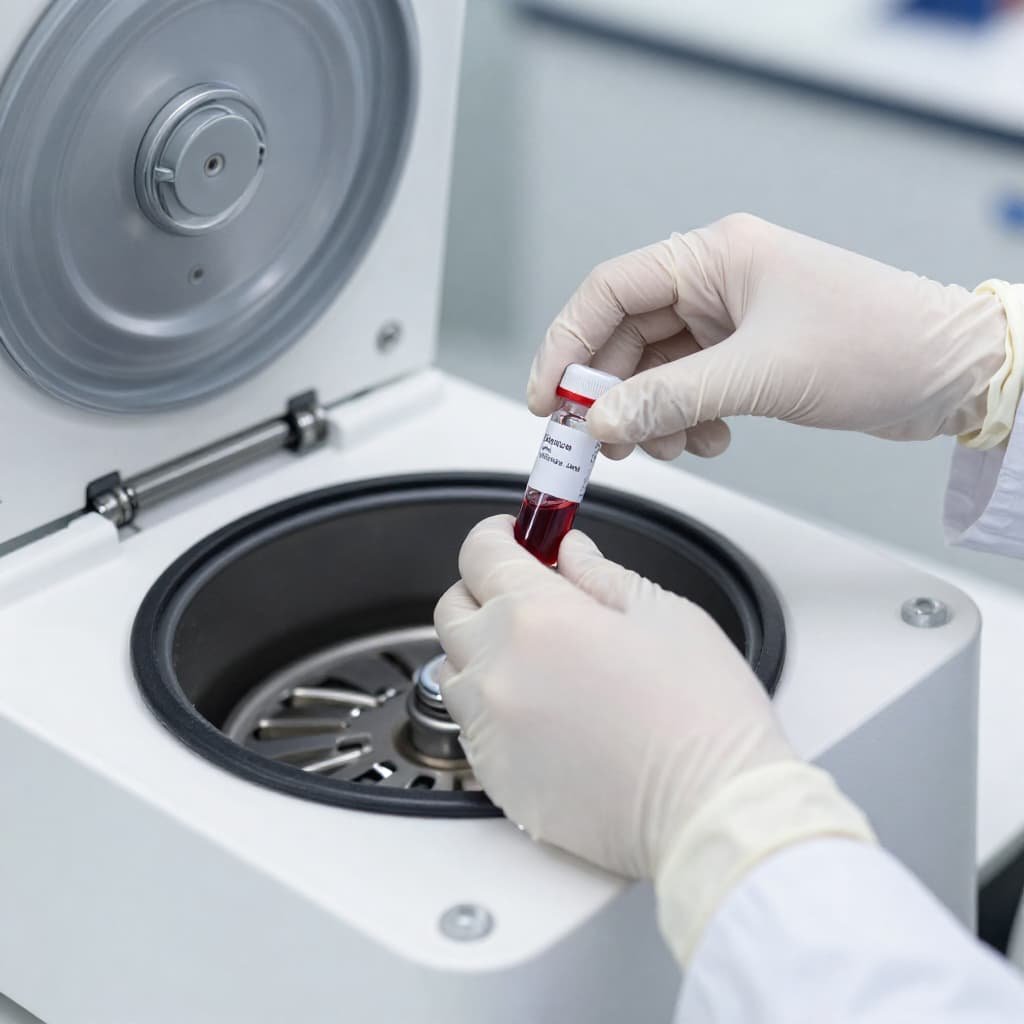
The P shot — also referred to as the Priapus shot, P-shot, or p injection — is a PRP-based regenerative treatment for men. A clinician draws a small blood sample from the patient. The clinician then spins the sample in a centrifuge to isolate platelet-rich plasma. Finally, they inject that concentrated plasma into specific anatomical regions of the penis using fine-gauge needles.
The biological rationale is well established in the regenerative medicine literature. Platelets carry growth factors including platelet-derived growth factor (PDGF) and vascular endothelial growth factor (VEGF). These proteins stimulate angiogenesis, nerve repair, and tissue remodelling. Specifically, research published in Sexual Medicine Reviews (2021) examined PRP-based regenerative therapy for ED. Researchers reported measurable improvements in haemodynamic parameters across several patient groups.
Clinicians most commonly offer the P-shot treatment as a non-surgical treatment for erectile dysfunction in London. Additionally, they use it in the management of Peyronie’s disease, reduced penile sensitivity, and as part of broader men’s intimate health treatment protocols.
Why the Procedure Demands Medical-Level Competence
The penis contains a dense network of arterial, venous, and neural structures within a confined anatomical space. These include the dorsal artery and nerve, the corpus cavernosum, and the corpus spongiosum. Incorrect injection depth, faulty technique, or inadequate patient assessment can cause haematoma, fibrosis, infection, vascular injury, or an inadequate therapeutic response.
Furthermore, these are not theoretical risks. A 2019 systematic review in the Journal of Sexual Medicine found that PRP injection outcomes vary significantly across providers. Researchers attributed part of this variance to differences in technique consistency and patient selection methodology. In short, the clinician’s qualifications directly affect both clinical safety and treatment efficacy.
The Regulatory Framework for P Shot London Providers

GMC Registration — A Non-Negotiable Baseline
Any clinician performing the P shot in London must hold full registration with the General Medical Council. GMC registration confirms that the clinician holds a recognised medical degree, has completed required foundation training, and faces ongoing fitness-to-practise oversight.
Patients can verify any doctor’s status through the publicly searchable GMC register at gmc-uk.org. This check takes under two minutes. It confirms registration status, licence to practise, and any conditions, warnings, or undertakings on the clinician’s record.
Moreover, the GMC’s Good Medical Practice framework (2024) requires registered doctors to work within their competence, obtain valid consent, and maintain up-to-date clinical knowledge. All of these obligations apply directly to PRP therapy for men’s performance issues. Therefore, GMC registration is not optional — it is the baseline standard.
CQC Registration for Clinical Premises
In England, clinics performing certain medical procedures must register with the Care Quality Commission under the Health and Social Care Act 2008. The regulated activity of “treatment of disease, disorder or injury” covers the administration of injectable treatments in a clinical setting.
Consequently, patients seeking P shot London treatment should confirm that the clinic holds current CQC registration. The CQC register is publicly searchable at cqc.org.uk. A CQC-registered clinic operates under regulated standards covering infection prevention, clinical governance, record-keeping, staff competence, and patient safety. In contrast, a clinic that lacks CQC registration and yet offers injectable medical procedures presents a significant governance concern.
The Cellular Medicine Association — Procedural Certification
The Priapus Shot® is a trademarked procedure. Dr Charles Runels developed it, and the Cellular Medicine Association (CMA) administers its training programmes. CMA certification confirms familiarity with the specific injection protocol, blood preparation technique, and consent framework the Priapus shot requires.
However, CMA certification is a procedural overlay — not a substitute for medical qualification. A clinician who holds only CMA certification, without an underlying medical licence, is not an appropriate P shot provider in the UK. In every case, the GMC and CQC frameworks take precedence over procedural certification in terms of patient protection.
Core Medical Qualifications a P Shot London Clinician Should Hold
Primary Medical Degree (MBBS or Equivalent)
A recognised primary medical degree forms the foundational requirement. In the UK context, this typically means MBBS, MBChB, or an equivalent degree the GMC recognises. This training gives the clinician the anatomical knowledge, pharmacological understanding, and clinical reasoning skills that safe procedural practice demands.
Postgraduate Medical Training
A primary degree alone does not confirm clinical competence for advanced injectable procedures. Instead, relevant postgraduate qualifications strengthen a clinician’s suitability to offer PRP-based regenerative therapy for ED and related conditions. The following qualifications are directly relevant.
Surgical or Procedural Fellowships
Membership of the Royal College of Surgeons (MRCS) indicates training in surgical anatomy, sterile technique, wound management, and procedural risk assessment. Clinicians who hold MRCS or an equivalent surgical qualification have formal exposure to the anatomical structures relevant to penile injection therapy. As a result, they approach the procedure with greater technical precision.
General Practice Registration (MRCGP)
Membership of the Royal College of General Practitioners confirms competence in holistic patient assessment and chronic disease management. It also confirms the ability to recognise systemic conditions that may underlie erectile dysfunction. This qualification is clinically important because erectile dysfunction treatment in London requires proper exclusion of cardiovascular disease, diabetes, hypogonadism, and medication-induced causes before any PRP-based approach begins.
According to NICE guidelines on erectile dysfunction (NG226, 2023), ED is a recognised marker for cardiovascular disease and metabolic syndrome. Therefore, a clinician without the training to identify these associations should not serve as a patient’s first point of contact for erectile dysfunction management.
Postgraduate Training in Aesthetic or Regenerative Medicine
An MSc or comparable postgraduate qualification in aesthetic medicine or plastic surgery from a recognised UK university confirms academic-level understanding of tissue science, wound healing, injectable biomaterials, and regenerative mechanisms. This is the scientific foundation from which PRP therapy derives its rationale. Specifically, a qualification achieved with distinction demonstrates that the clinician met the highest academic standards in this field.
Demonstrated Experience in Male Sexual Health
Formal qualifications establish a clinician’s foundation. Nevertheless, direct clinical experience in treating men’s intimate health concerns also matters considerably. A clinician who has assessed large numbers of men with erectile dysfunction, Peyronie’s disease, or other male sexual health conditions develops strong pattern recognition, risk assessment skill, and procedural fluency over time.
Patients asking about P shot before and after outcomes should also ask about the range of cases the clinician has managed. This is a legitimate clinical question. It helps patients assess whether the clinician’s experience matches the complexity of their individual case.
What a Proper Pre-Treatment Assessment Should Include
Qualifications alone do not ensure safe treatment. A qualified clinician must also conduct a structured pre-treatment assessment. Patients considering P shot treatment should expect the following steps before any procedure takes place.
Full Medical History and Symptom Review
The clinician should take a detailed account of the presenting symptoms. This includes onset, duration, severity, and any associated conditions. Relevant comorbidities include hypertension, type 2 diabetes, hyperlipidaemia, cardiovascular disease, hypogonadism, depression, and neurological conditions. Equally, the clinician should ask about lifestyle factors such as smoking, alcohol use, and physical activity levels.
Medication Review
Several common medications impair erectile function. These include antihypertensives, SSRIs, antipsychotics, and androgen deprivation agents. A qualified clinician reviews current medications before offering advanced PRP solution for erectile dysfunction. Failure to do so risks treating a drug-induced problem as if it were a tissue-level deficiency — and that leads to avoidable treatment failure.
Discussion of Evidence-Based Alternatives
NICE guidelines recommend that first-line management of erectile dysfunction includes lifestyle modification, phosphodiesterase-5 inhibitors (PDE5i), and treatment of any underlying conditions. Therefore, a clinician who does not discuss these options — or who positions the P shot as the first and only logical step — is not following recognised UK clinical guidance. Patients deserve a full picture of their options before they decide.
Informed Consent
Informed consent for the P shot must cover the evidence base and its current limitations. It must also cover the procedural steps, associated discomfort, and realistic outcomes. Furthermore, it must cover the risk of adverse events, the variability of P-shot before and after results, and the absence of NHS reimbursement. The clinician must document and sign this consent before any blood draw or injection takes place.
Red Flags When Evaluating a P Shot London Provider

Non-Medically Qualified Practitioners
Some providers offering penile injection growth therapy or consultations on male enlargement injections cost UK are not medically qualified. Aesthetic nurses, beauty therapists, and non-clinical health coaches do not hold the medical training that a proper P shot consultation requires. Specifically, they cannot conduct adequate systemic assessments or manage procedural complications safely.
Absence of a Clinical Consultation
Any clinic that offers the Priapus shot London without a pre-procedure consultation is not operating within safe clinical practice. The consultation is not a formality. Instead, it is the step at which the clinician establishes candidate suitability, excludes contraindications, and obtains consent. Without it, the risk of harm rises significantly.
Guaranteed or Exaggerated Outcome Claims
No PRP-based therapy produces guaranteed or uniform results. A clinician who promises specific P-shot before and after outcomes — such as a defined increase in length, girth, or erection frequency — makes claims that the current evidence does not support. Additionally, NICE’s framework for interventional procedures requires that patients receive balanced information about known limitations. Guarantees directly contradict this requirement.
Opaque Pricing Without Clinical Justification
The priapus shot price and male enlargement injections cost UK figures vary between providers. Cost variation alone is not a warning sign. However, clinics that advertise unusually low prices without explaining what the fee covers — number of sessions, PRP preparation protocol, aftercare — may reduce clinical quality to lower their costs. Transparent fee structures, by contrast, reflect sound clinical governance.
The Current Evidence Base for the P Shot in Erectile Dysfunction

The evidence base for P shot UK treatment continues to develop. It has not yet reached the stage of large-scale, double-blinded randomised controlled trials. Currently, the available literature consists primarily of smaller prospective studies and case series.
For example, a 2020 study in Translational Andrology and Urology examined PRP therapy for men’s performance issues in patients with post-prostatectomy ED. Researchers found improvements in erectile function scores (IIEF) in a subset of patients. Similarly, a 2021 review in Sexual Medicine Reviews reported favourable vascular and sensory outcomes across several PRP protocols for male sexual health.
At present, the NHS does not fund the P shot as part of standard erectile dysfunction treatment in London pathways. Moreover, NICE has not issued procedural guidance specific to penile PRP injection at the time of writing. This reflects the current state of trial data. It does not mean the treatment is ineffective or unsafe when a qualified clinician properly administers it.
Men considering this treatment should receive this context directly from their clinician. A provider who dismisses the evidence gap does not give balanced information. Equally, a provider who refuses all discussion of the treatment because of the gap may be applying excessive caution given the emerging literature.
About This Clinic
pshots.co.uk is a Harley Street, Marylebone clinic led by Dr Syed Nadeem Abbas (MBBS, MRCS RCS Edinburgh, MRCGP, MSc Aesthetic Plastic Surgery with Distinction — Queen Mary University London), who trained at Cambridge, Oxford, and the Royal London Hospital.
Frequently Asked Questions

What is the minimum qualification a P shot London clinician should hold?
The clinician must hold a primary medical degree the GMC recognises, hold full GMC registration with a licence to practise, and have relevant postgraduate experience in surgical, general practice, or aesthetic medicine. Furthermore, the clinical premises must hold CQC registration for regulated clinical activity in England.
Can a nurse or aesthetician perform the P shot in the UK?
UK law does not expressly prohibit non-medically qualified practitioners from performing PRP injections in non-regulated settings. However, the clinical complexity of penile injection, the need for systemic medical assessment, and the management of potential complications all require a medically qualified clinician to lead the procedure. Patients should ask directly whether the person performing their treatment holds GMC registration.
How do I verify a clinician’s qualifications before my P shot treatment?
First, use the GMC public register at gmc-uk.org to confirm registration and licence status. Next, confirm CQC registration of the clinic at cqc.org.uk. Additionally, ask the clinician directly about their postgraduate training, their specific experience with PRP therapy for men’s performance issues, and the number of P shot treatments they have personally administered.
Does the NHS offer the P shot?
No. The Priapus shot is a private procedure. The NHS offers evidence-based first-line treatments for erectile dysfunction, including PDE5 inhibitors, lifestyle counselling, and vacuum devices. Men with ED should seek NHS assessment before pursuing private options. This step ensures that any underlying medical cause receives identification and appropriate management.
What is a realistic P shot before and after outcome?
Clinical outcomes vary between patients. Some men report improved erection quality, increased sensitivity, and greater confidence within four to six weeks. Others notice less pronounced change. P-shot before and after results depend on age, baseline erectile function, the presence of comorbidities, the PRP preparation technique, and injection accuracy. Clinicians should not promise specific outcomes to any patient.
Is priapus shot price an indicator of quality?
Not directly. Priapus shot price reflects the clinic’s location, the clinician’s experience, the PRP preparation method, and the number of sessions included. A higher price does not guarantee superior clinical care. Equally, a lower price may reflect reduced clinical standards. Patients should therefore evaluate qualifications and governance standards rather than price alone.
What is the difference between the P shot and other male enlargement injections?
The P shot uses PRP from the patient’s own blood. It does not involve synthetic fillers or chemical compounds. By contrast, other male enlargement injections cost UK comparisons often include hyaluronic acid penile filler injections, which use synthetic gel. These are distinct procedures with different risk profiles, mechanisms, and evidence bases. Patients should not treat them as equivalent options.
Key Takeaways
The regulatory framework governing P shot London providers contains genuine gaps. GMC registration and CQC registration provide important safeguards. However, neither framework automatically enforces standards at the point of clinical contact. Consequently, the patient carries responsibility for verifying credentials — and that places a real burden on men seeking private treatment for sensitive conditions.
The qualifications a clinician should hold are not arbitrary criteria. Instead, they reflect the medical complexity of male sexual health assessment, the anatomical demands of penile injection therapy, and the clinical governance requirements of a responsible UK practice. Together, a primary medical degree, GMC registration, relevant postgraduate training, CMA procedural certification, and CQC-regulated premises form a credible qualification framework for any clinician offering natural ED treatment using PRP therapy in London.
The evidence base for the P-shot continues to develop. It has not yet reached the level NICE requires for NHS commissioning. That is a meaningful distinction. It means that men pursuing this treatment do so in an evidence-informed but evidence-incomplete landscape. As a result, the quality of the clinician making shared decisions with them matters considerably more than it would in a well-trialled, protocol-driven pathway.
Men considering PRP-based regenerative therapy for ED deserve factual information, balanced expectations, and a qualified clinician with genuine medical training. The question worth considering before booking is not only whether a clinic offers this treatment — but whether the clinician behind it is truly qualified to decide if you need it at all.
Read more: P Shot London: How to Choose a Safe Clinic and What to Expect at Your Consultation
P Shot UK: What Impacts Price, What Should Be Included in a Quote, and Questions to Ask


