
An orgasm that feels duller than it once did can unsettle even the most confident man. Many men notice a quieter climax, a shorter peak or a muted sense of pleasure. Most delay the conversation for months. Silence rarely helps. Weaker orgasms in men have identifiable causes, and clinicians can investigate most of them with simple checks.
Confusion adds to the delay. Online articles often treat weak ejaculation and weak orgasm as one problem. Medicine separates them. Ejaculation describes the release of semen. Orgasm describes the brain’s experience of peak pleasure. A man can have one without the other, and each follows a different pathway.
This guide explains the physiology, lists the main causes and outlines the NHS and NICE approach to assessment. It then compares treatment options, from lifestyle change to specialist therapy. A dedicated section places the P Shot within the evidence base. Every section states limitations plainly, because realistic expectations support better decisions.
What Are Weaker Orgasms in Men?
Orgasm and Ejaculation Are Separate Events
Orgasm happens in the brain. Ejaculation happens in the pelvis. The two usually occur together, which explains the common confusion.
Ejaculation has two phases. Emission moves sperm and seminal fluid into the urethra. Expulsion then contracts the pelvic floor muscles and pushes semen out. Sympathetic nerves drive emission. Somatic nerves drive expulsion.
Orgasm relies on a different chain. Sensory nerves in the penis send signals to the spinal cord. The brain then processes those signals and releases a surge of reward chemicals. Pleasure intensity depends on every link in that chain working together. A fault at any point can dull the experience.
Why the Distinction Matters
Ejaculation has measurable features. The World Health Organization sets a lower reference limit of 1.4 mL for semen volume. Orgasm has no such measure. Only the patient can describe it, so clinicians rely on careful questions and validated questionnaires.
How Men Describe the Problem
Clinicians classify weaker orgasms in men as a symptom, not a diagnosis. Men describe the change in several ways:
- Lower intensity of pleasure at climax
- A shorter peak or fewer pelvic contractions
- Reduced semen volume or force
- Delayed climax, or no climax (anorgasmia)
- Flat sensation despite normal ejaculation (orgasmic anhedonia)
Each pattern points towards different causes. Careful history therefore matters more than any single test.
How Common Are Orgasm Difficulties?
No UK figure exists for weaker orgasms alone. Wider data still help. Natsal-3, the British national sexual attitudes survey, found that sexual difficulties lasting three months or longer affect a meaningful minority of men. Difficulty reaching climax rises with age and with chronic illness. The NHS lists ejaculation problems among common male sexual concerns and advises a GP visit when the problem persists.
Main Causes of Weaker Orgasms
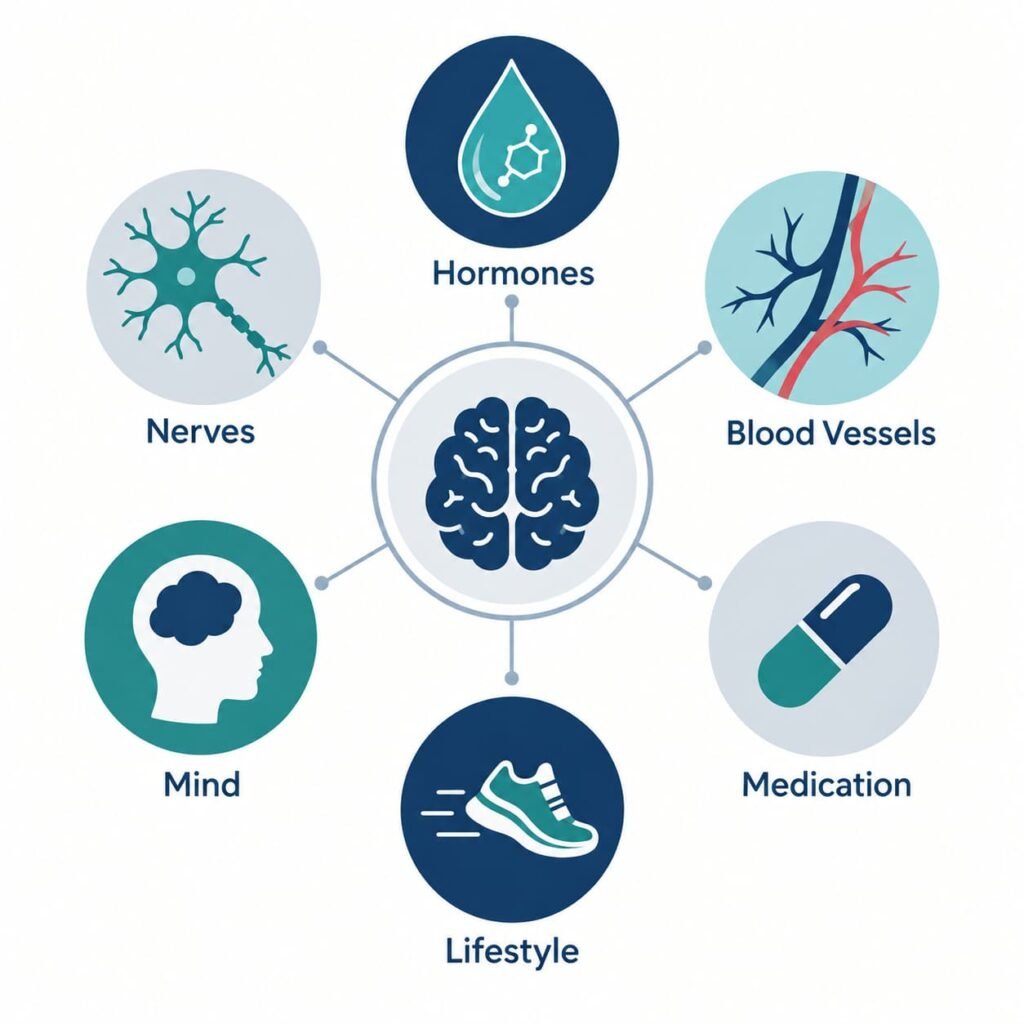
Several overlapping factors can explain weaker orgasms in men. Most men have more than one contributor.
Ageing
Ageing changes every part of the orgasm pathway. Penile sensitivity falls. Nerve conduction slows. Semen volume tends to decline after the early thirties. The refractory period also lengthens. These shifts are normal. A sudden or severe change is not.
Hormonal Causes
Testosterone supports desire, erections and orgasm intensity. The European Male Ageing Study showed that testosterone falls slowly with age. Free testosterone falls faster than total testosterone. Obesity, type 2 diabetes and chronic illness lower levels further.
Other hormones also matter. High prolactin suppresses testosterone and reduces drive. Underactive and overactive thyroid conditions both alter sexual response. UK clinical guidance advises a morning blood test when symptoms suggest deficiency. Clinicians repeat abnormal results before confirming a diagnosis.
Vascular and Erectile Factors
Erectile dysfunction often travels with weaker orgasms. Blood flow engorges the penis and sharpens sensation. Narrowed vessels reduce both. NICE CKS notes that erectile dysfunction can signal cardiovascular disease, so a new sensory change deserves a vascular check. Hypertension, high cholesterol, smoking and diabetes all damage penile blood vessels.
Nerve and Pelvic Floor Factors
Diabetes, multiple sclerosis, Parkinson’s disease and spinal cord injury can damage the nerves that carry sexual signals. Pelvic floor weakness reduces contraction strength at climax. Pelvic surgery can injure the nerves directly.
Prostate treatment deserves special mention. Radical prostatectomy removes the prostate and seminal vesicles, so orgasm becomes dry. Pleasure often continues, but intensity may change. Radiotherapy can reduce semen volume and alter sensation. NICE guideline NG131 advises clinicians to discuss sexual function before prostate cancer treatment begins.
Medication Effects
Medicines cause many cases. Common culprits include:
- SSRI and SNRI antidepressants
- Antipsychotics
- Alpha-blockers such as tamsulosin
- 5-alpha-reductase inhibitors, including finasteride and dutasteride
- Beta-blockers and thiazide diuretics
- Opioid painkillers
A patient should never stop a prescribed medicine without medical advice. A GP can adjust the dose, change the timing or switch to an alternative.
Psychological and Relationship Factors
The brain acts as the main sexual organ. Stress, anxiety and depression all dull orgasmic response. Performance anxiety pulls attention away from sensation. Relationship strain and unresolved trauma add further barriers. The NHS recognises psychological causes as a major driver of ejaculation and orgasm problems.
Masturbation habits also matter. A very firm grip or rapid technique can condition the body to respond less during partnered sex. Clinicians term this idiosyncratic masturbatory style.
Lifestyle Factors
Heavy alcohol use depresses the central nervous system. Smoking damages blood vessels. Obesity lowers testosterone. Poor sleep disrupts hormone rhythms. Anabolic steroids and recreational drugs, including cocaine and cannabis, can blunt sexual response. These factors combine, and each one is modifiable.
When to See a GP
Seek medical advice when the change lasts longer than a few weeks or causes distress. Book an earlier appointment for any of these signs:
- Sudden loss of orgasm or ejaculation
- Pain during or after climax
- Blood in semen
- Cloudy urine after orgasm
- New numbness, weakness or bladder changes
- Erectile difficulty, low mood or reduced desire
- Recent pelvic or prostate surgery
Fertility plans add urgency. Reduced semen volume can affect conception, and a semen analysis provides clear answers.
How Clinicians Assess Orgasm Changes
History and Questionnaires
The consultation starts with a detailed history. The clinician asks about onset, timing and context. Does the change occur with a partner, alone or both? The answer helps separate psychological from physical causes. A review of medicines, surgery, alcohol use and mood follows. Many clinics use the International Index of Erectile Function, which includes an orgasmic function domain, to track change over time.
Examination and Tests
Examination covers blood pressure, body mass index, genitals and neurological signs. Blood tests commonly include:
- Morning total testosterone, repeated when low
- Prolactin and thyroid function when indicated
- HbA1c or fasting glucose
- Cholesterol profile
A post-orgasm urine sample can detect retrograde ejaculation. Semen analysis applies when fertility matters.
Referral Pathways
Persistent cases may need a urologist, endocrinologist or psychosexual therapist. The AUA and SMSNA 2022 guideline on ejaculatory disorders supports individualised assessment because causes overlap.
Treatment Options for Weaker Orgasms in Men
Treatment depends on cause. No single therapy suits every patient, and combination plans are common.
Treat the Underlying Condition
Better diabetes control, blood pressure management and thyroid correction often improve sensation. Treating the cause first prevents wasted effort on symptom-only options.
Lifestyle Measures
UK Chief Medical Officers advise 150 minutes of moderate activity weekly. Alcohol intake should stay within 14 units a week. NHS stop-smoking services improve quit rates. Weight loss raises testosterone in men with obesity. Seven hours of sleep supports hormone balance. Lifestyle change is the lowest-risk step and benefits every other treatment.
Pelvic Floor Muscle Training
Strong pelvic floor muscles contract harder at climax. A specialist pelvic health physiotherapist can teach correct technique. Trials show that training improves erectile function. Evidence for orgasm intensity specifically remains limited. Patients should therefore treat the method as supportive, not as a guaranteed fix.
Medication Review
A GP or prescribing specialist can reduce doses, change timing or switch agents. Some antidepressants carry fewer sexual side effects than others. Patients must discuss every change with the prescriber first.
Hormone Treatment
Testosterone therapy suits only men with confirmed deficiency and symptoms. Treatment needs monitoring of haematocrit, PSA and cardiovascular risk. Testosterone also suppresses sperm production, so men planning children need specialist advice. Specialists may prescribe cabergoline for raised prolactin.
PDE5 Inhibitors
Sildenafil and tadalafil improve erection quality. A firmer erection often restores sensation and confidence. These drugs do not directly strengthen orgasm, and evidence for that effect remains limited. NICE CKS lists them as first-line treatment for erectile dysfunction.
Psychosexual Therapy
Cognitive behavioural therapy, sensate focus and mindfulness-based approaches address anxiety and attention. NHS sexual health clinics offer psychosexual services in many areas. Couples therapy helps when relationship factors contribute.
Specialist Options for Ejaculatory Disorders
Retrograde ejaculation and anejaculation need urological assessment. Specialists sometimes use off-label medicines, such as pseudoephedrine or imipramine. Assisted sperm retrieval applies when fertility is the goal. The AUA and SMSNA guideline describes these options in detail.
Where the P Shot Fits Within Sexual Rejuvenation
What the P Shot Involves
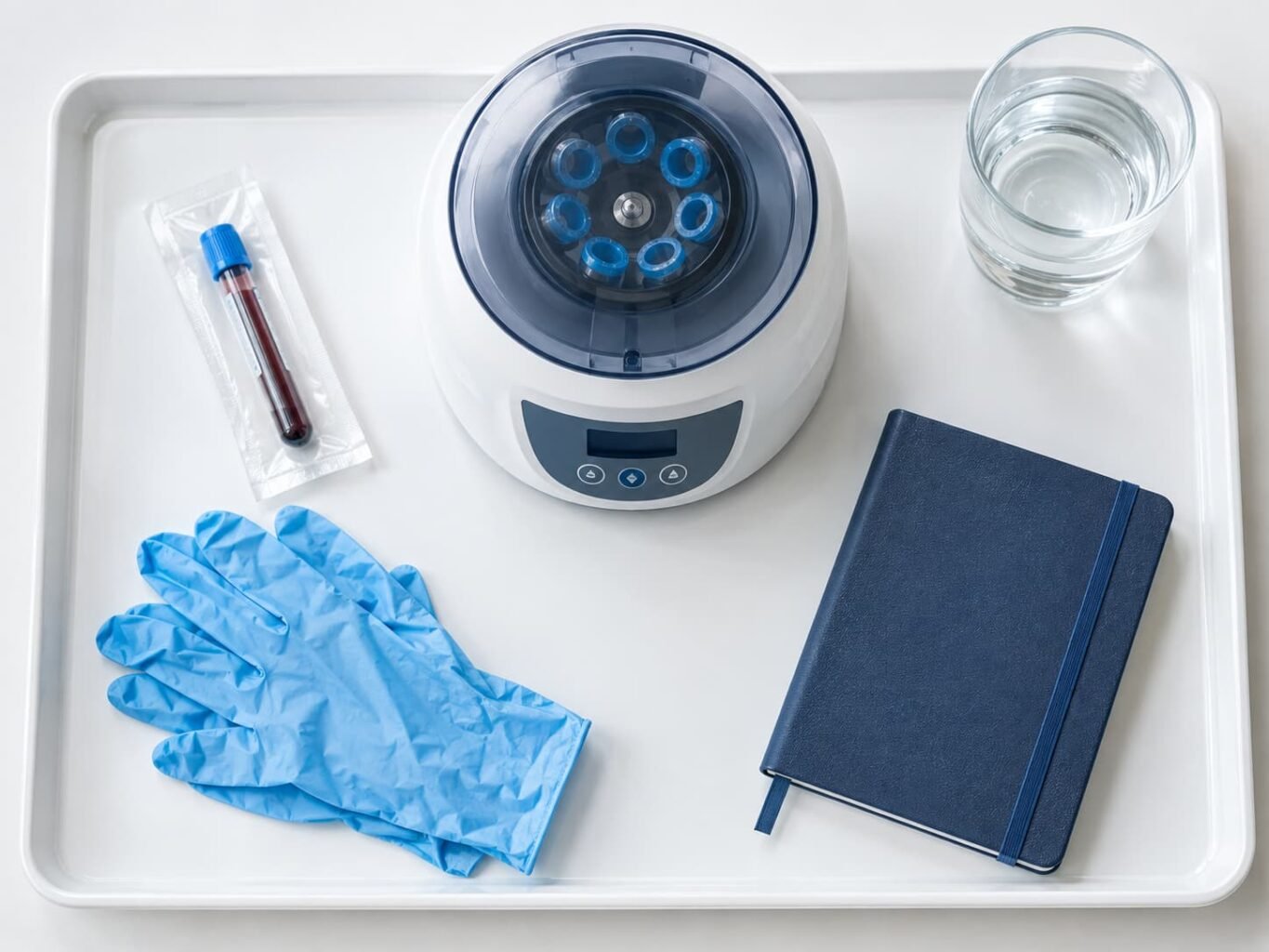
The P Shot uses platelet-rich plasma, or PRP. A clinician draws a small blood sample and spins it in a centrifuge. The process concentrates platelets, which release growth factors. The clinician then injects the plasma into penile tissue after local anaesthetic. Clinics also use the name Priapus Shot. Sessions usually take under an hour.
The proposed mechanism involves tissue repair, new blood vessel growth and nerve support. Researchers still debate how much of this effect occurs in human penile tissue.
What the Evidence Shows
No trial has tested the P Shot specifically for weaker orgasms in men. Existing research examined erectile function. A 2021 Journal of Sexual Medicine randomised trial reported improved erectile function scores after PRP. A 2023 European Urology randomised trial found less consistent results. NICE CKS does not list PRP among standard treatments for erectile dysfunction. European Association of Urology guidance treats PRP as investigational.
The P Shot for male sexual health therefore remains an emerging option. Any change in orgasm sensation would likely follow improved erectile tissue health. Clinicians cannot promise that outcome.
Who May Consider It
Men usually try standard routes first. Hormonal, medication-related and psychological causes need exclusion before any procedure. Contraindications include blood disorders, active infection, penile cancer and certain anticoagulant use. Men with Peyronie’s disease need specialist advice before treatment.
Access, Regulation and Cost in London
Interest in sexual rejuvenation London services has grown. Searches for P Shot treatment London return many providers, and quality varies. P Shot London clinics differ in training, PRP preparation method and aftercare. Priapus Shot London procedures follow similar steps, but protocols differ between practices.
Patients can verify a doctor on the General Medical Council register. Clinics providing regulated medical activity in England register with the Care Quality Commission. The pshots clinic UK in Harley Street, led by Dr Syed Nadeem Abbas (MBBS, MRCS RCS Edinburgh, MRCGP, MSc Aesthetic Plastic Surgery), provides PRP treatment in Marylebone.
P Shot UK availability keeps expanding, yet no NHS pathway funds the procedure. Priapus Shot Price in London typically ranges from £900 to £1,500 per session. Price depends on clinician experience, PRP method and aftercare. Higher cost does not guarantee a better outcome.
Useful questions before any treatment include:
- Which qualifications and registrations does the practitioner hold?
- Which PRP preparation system does the clinic use?
- How does the clinic screen for contraindications?
- What aftercare and follow-up come with the fee?
- What does the evidence say about the specific goal?
Realistic Outcomes and Limitations
Effects, if any, appear gradually over weeks to about three months. Responses vary widely. Some men notice no change. Repeat sessions are common, and long-term data remain scarce. Placebo response is also high in sexual medicine trials, which complicates interpretation. Common side effects include bruising, swelling and temporary tenderness. Infection and altered sensation occur rarely.
Frequently Asked Questions
Are weaker orgasms in men a normal part of ageing?
Mild change is common with age. Sudden or marked change deserves assessment, because treatable conditions often contribute.
Can low testosterone cause weaker orgasms?
Yes. Testosterone supports sexual function. A repeated morning blood test confirms deficiency, and treatment follows only confirmed results.
Can antidepressants weaken orgasm?
Yes. SSRIs commonly delay or blunt orgasm. A GP or psychiatrist can adjust treatment safely.
Can pelvic floor exercises help?
They may help some men. Benefits for erections are documented, while evidence for orgasm intensity remains limited.
Does the P Shot treat weaker orgasms?
Trials have not tested that outcome. Research focuses on erectile function, and results differ between studies.
When should a man see a doctor?
A visit suits any persistent change lasting several weeks. Pain, blood in semen or neurological symptoms need earlier review.
Key Takeaways
Orgasm quality reflects the combined health of blood vessels, nerves, hormones and mind. Weaker orgasms in men rarely have a single cause. Careful assessment therefore matters more than a quick fix. Lifestyle change, medication review, hormone testing and psychosexual support form the evidence-based foundation. Newer options, including the P Shot, remain emerging and need cautious consideration.
Informed decisions rest on accurate information, qualified clinicians and realistic expectations. Patients gain most when a GP reviews the full picture before any specialist or procedural step. Early conversations also protect wider health, since sexual symptoms can reveal vascular, hormonal and neurological disease.
If a change in orgasm quality can signal wider health problems, what stops a man from asking the question sooner?
Read more:
How Do Doctors Measure P-Shot Success? Erections, Sensitivity and Other Outcomes
Men’s Sexual Health in 2026: Trends, Treatments and Taboos
Dr Syed Nadeem Abbas, MBBS, MRCSEd, MSc Aesthetic Plastic Surgery (Distinction) Medical Director, Pshot Clinic | CQC Regulated | Monday to Saturday 10:00–18:00 +44 7955 836986


