Who Is NOT a Good Candidate for the P-Shot? A Clinical Guide

✅Medically reviewed | Updated July 2026
Interest in the P-shot has grown sharply across London’s private medical sector. Men increasingly search for a non-surgical treatment for erectile dysfunction in London that avoids daily medication or invasive surgery. The treatment, also written as the Pshot or the priapus shot, uses a man’s own platelet-rich plasma to support tissue repair in the penis. Many clinics promote this option enthusiastically, listing benefits and glowing outcomes. Far fewer explain, in clear clinical terms, who should not have it. This article addresses that gap directly. It sets out the specific health conditions, expectations, and personal circumstances that make this treatment unsuitable, premature, or inadvisable. Anyone researching a P shot treatment in London should read this before booking any consultation.
What Is the P-Shot?
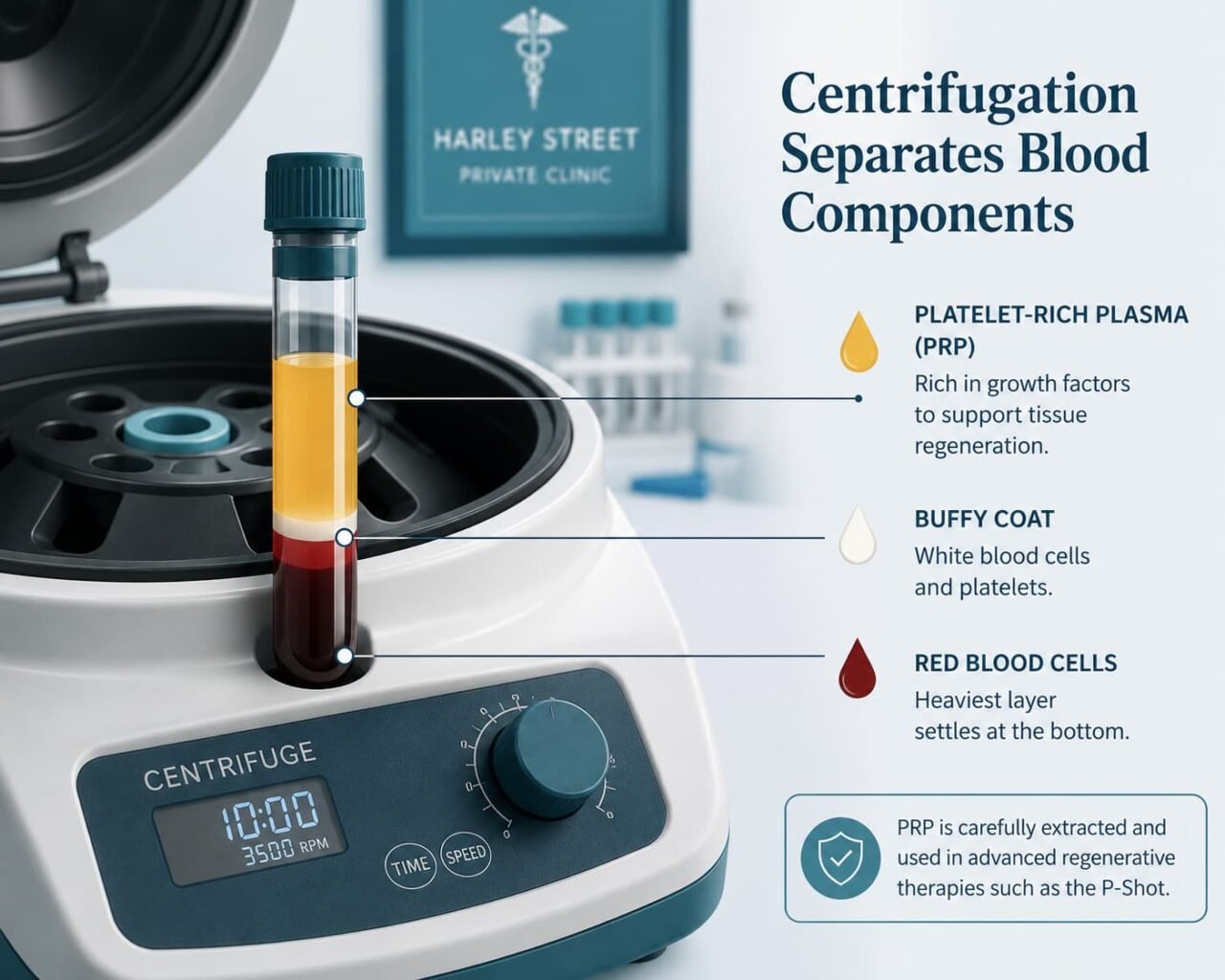
The P-shot is a non-surgical procedure built around platelet-rich plasma, commonly abbreviated to PRP. A clinician draws a small blood sample from the patient’s arm and processes it in a centrifuge. This separates the platelet-rich portion of the blood from red cells and plasma. The clinician then performs the p injection, delivering the concentrated platelets into specific areas of the penis. The stated aim is to stimulate tissue regeneration, support blood flow, and encourage nerve sensitivity.
This falls within a wider category of PRP-based regenerative therapy for ED that has gained attention as an alternative to daily tablets or invasive surgery. The procedure also sits alongside other male enlargement injections now offered across Harley Street and Marylebone clinics. Demand for the priapus shot has increased steadily, particularly among men who have already tried oral medication without success. Rising popularity, however, is not the same as universal suitability. Every patient requires individual assessment before any injection takes place.
Who Might Reasonably Consider Treatment?
Before addressing unsuitable candidates, it helps to outline who a clinician might reasonably consider for this procedure. Men with mild to moderate erectile dysfunction, particularly where reduced blood flow plays a central role, sometimes respond well to PRP injection. Men seeking a natural ED treatment using PRP therapy, rather than pharmaceutical options, often ask about this pathway during consultation. Reported P-shot before and after results vary between patients, and no responsible clinician should promise a specific outcome in advance. This variability is precisely why careful screening matters before any treatment is agreed.
Who Is Not a Good Candidate for This Treatment?

Not every man is medically or psychologically ready for a P shot. NHS and NICE guidance on erectile dysfunction consistently emphasises assessing underlying causes before any intervention proceeds. The sections below outline the main groups for whom treatment is inappropriate, premature, or requires further investigation first.
Men With Bleeding Disorders or on Blood-Thinning Medication
This treatment depends entirely on the patient’s own blood. Any condition affecting normal clotting changes the risk profile of the injection considerably. Men with haemophilia, thrombocytopenia, or other diagnosed bleeding disorders face a higher risk of prolonged bruising or bleeding at the injection site. Men taking anticoagulant medication, such as warfarin or clopidogrel, fall into a similar category. Regular high-dose aspirin can also reduce platelet function and affect PRP quality. A responsible clinician reviews current medication carefully before proceeding and may decline treatment until the underlying issue has been addressed with a GP or haematologist.
Men With Active Genital Infections or Skin Conditions
Any active infection, inflammation, or open skin lesion in the genital area represents a contraindication. Injecting concentrated platelets through infected or compromised tissue increases the risk of spreading that infection further. Men experiencing an active outbreak of genital herpes should wait until all symptoms have resolved fully. The same caution applies to men with untreated sexually transmitted infections or unexplained genital lesions of any kind. A clinical assessment, including relevant swabs or blood tests where appropriate, should always precede this type of penis shot.
Men With Unrealistic Expectations of Results
A significant number of men approach this treatment expecting dramatic, guaranteed change. This remains one of the most common reasons a clinician advises against proceeding immediately. A regenerative injection is not a substitute for surgical penile enlargement, and it should never be marketed as one. Reported outcomes from penile injection growth studies remain modest, variable, and far from guaranteed for any individual patient. Some men notice improved sensitivity or firmness within weeks. Others notice comparatively little change. Anyone who views a single injection as a certain route to significant, permanent size increase should reconsider carefully before proceeding. Honest counselling on realistic outcomes protects the patient far more effectively than an optimistic sales pitch ever could.
Men With Severe Vascular Disease or Major Nerve Damage
Erectile dysfunction has many possible underlying causes. Some are mild and largely circulation-related. Others involve significant vascular disease or nerve injury following pelvic surgery, such as prostatectomy. Men with severe, longstanding vascular disease or extensive nerve damage typically see limited benefit from PRP injection alone. In these cases, the underlying mechanism driving erectile dysfunction is often too advanced for a regenerative injection to meaningfully reverse. A responsible clinician should discuss alternative or combined treatment pathways, which may include specialist urological referral, rather than presenting this injection as a standalone solution.
Men With Active Cancer or Undergoing Cancer Treatment
Men with a current cancer diagnosis, particularly prostate or wider genitourinary cancer, require careful specialist input before considering any regenerative injection therapy. Chemotherapy and radiotherapy can also affect platelet counts and general tissue healing capacity. This does not mean regenerative treatment is permanently ruled out for every man with a cancer history. It does mean that timing, oncology clearance, and clear communication between treating teams are essential before any procedure is considered.
Men Who Have Not Investigated the Underlying Cause of ED
Erectile dysfunction can signal wider health issues, including cardiovascular disease, diabetes, or low testosterone. This treatment should never replace a proper diagnostic workup. Men presenting with new-onset erectile dysfunction, particularly under the age of 40, should first undergo standard NHS or GP assessment. This should include blood pressure, blood glucose, and cardiovascular risk review, in line with NICE guidance on erectile dysfunction. Booking treatment without this groundwork risks masking a more serious underlying condition that requires separate management.
Men in the Acute Inflammatory Phase of Peyronie’s Disease
Peyronie’s disease involves fibrous scar tissue that causes penile curvature, sometimes with associated pain. Some men seek this treatment hoping to address the condition directly. During the acute, actively inflamed phase, injecting PRP may aggravate inflammation rather than resolve it. Clinicians typically prefer to wait until the condition stabilises, usually after around twelve months, before considering regenerative injection as one part of a broader management plan involving other specialists.
Men Who Are Psychologically Unprepared or Under Significant Distress
Sexual health concerns often carry considerable emotional weight. Men experiencing significant anxiety, depression, or relationship distress connected to their sexual function may benefit more from psychological support or psychosexual counselling first. A physical injection cannot resolve a primarily psychological cause of erectile difficulty. Proceeding with treatment in these circumstances risks disappointment and delays more appropriate care being sought elsewhere.
Men Under 18 or Without Capacity to Consent
This is an elective treatment intended for adult men who can give full, informed consent. It is not appropriate for minors or for any individual unable to understand and weigh the relevant information about risks, costs, and realistic outcomes before agreeing to proceed.
Why Careful Screening Matters
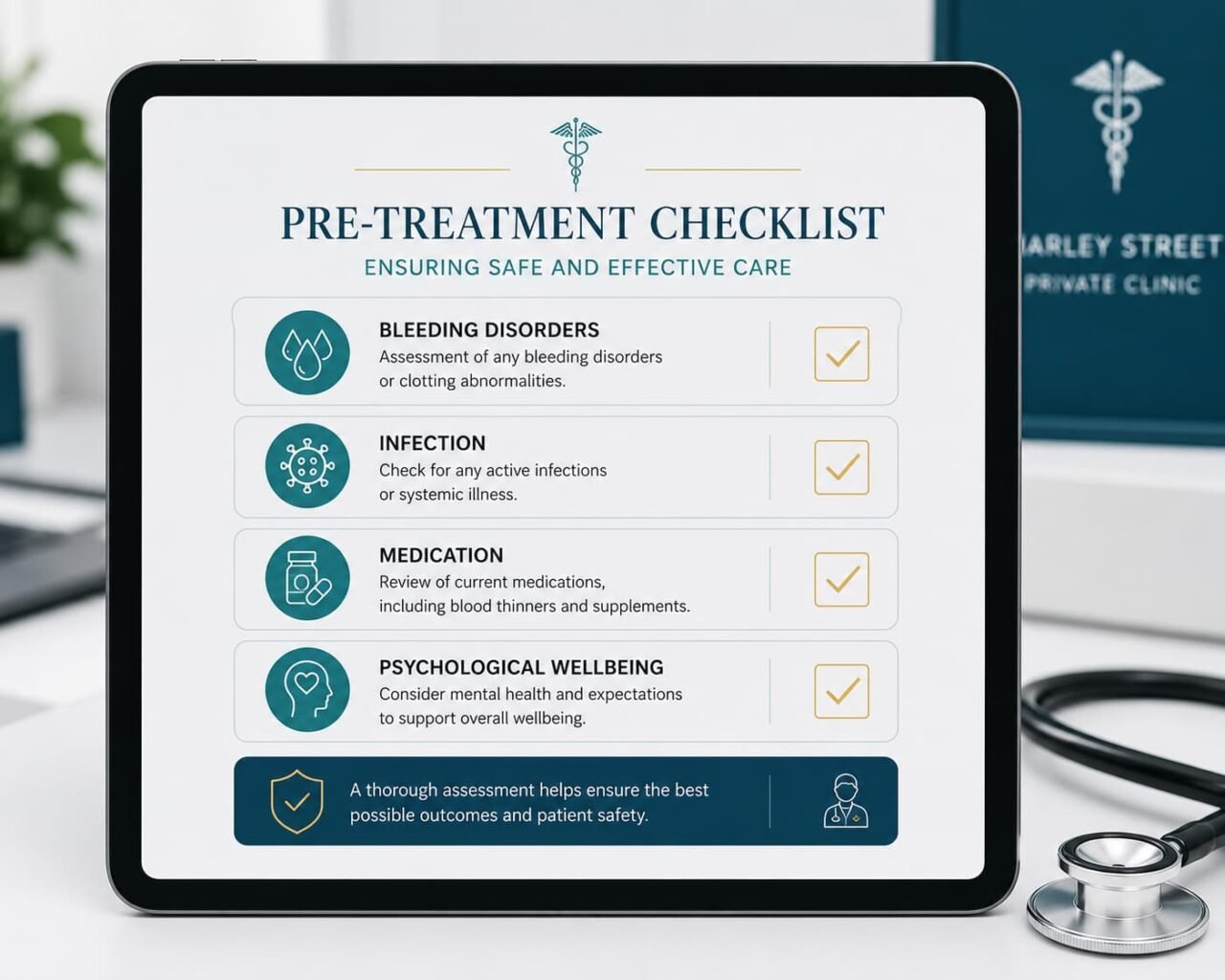
A thorough consultation is not a formality; it is the safeguard that separates responsible clinical practice from opportunistic marketing. Screening protects patients from unnecessary risk and protects against wasted expenditure on a treatment unlikely to help their specific circumstances. It also ensures that more serious underlying conditions are not overlooked while attention remains fixed on a single injectable treatment.
A responsible provider asks about medical history, current medication, previous surgery, and psychological wellbeing before agreeing to treat any patient. Blood tests may be requested where indicated. Questions about expectations should be raised directly and answered honestly, without exaggeration. Any clinic offering an injection of this kind without a structured screening process warrants real caution from prospective patients.
What Happens During a Consultation

A proper consultation begins with a detailed medical history. The clinician reviews any bleeding disorders, current medication, previous pelvic surgery, and existing diagnoses relevant to sexual function. A physical examination follows, checking for active infection, skin conditions, or signs of Peyronie’s disease. The clinician then explains the mechanism of PRP therapy, realistic outcomes, and the current evidence base honestly and without embellishment. Only once suitability has been confirmed does discussion move toward scheduling and preparation. This structured approach reflects the standard expected across reputable Harley Street and Marylebone clinics offering regenerative treatments of this type.
What Does the Current Evidence Show?
The evidence base for PRP injection in sexual medicine is still developing. Small peer-reviewed studies suggest possible benefit for some men with mild to moderate erectile dysfunction, particularly regarding sensitivity and subjective satisfaction. Larger, well-controlled trials remain limited, and long-term outcome data are still comparatively sparse. NICE does not currently list PRP penile injection as a first-line treatment for erectile dysfunction within NHS pathways. This does not mean the treatment lacks value for carefully selected private patients. It does mean that any clinic should present the evidence honestly, rather than overstating certainty that peer-reviewed literature does not yet fully support. Patients deserve a balanced picture, including the limitations, before consenting to any injection.
The Role of Follow-Up Care
Suitability does not end once an injection has been given. Follow-up review allows a clinician to check healing, address any concerns, and record outcomes accurately. Men who experience unexpected swelling, pain, or signs of infection after treatment should contact their clinic promptly rather than waiting for a scheduled review. A clinic that offers structured follow-up, rather than a single appointment with no further contact, demonstrates a more complete standard of care. This matters as much as the initial screening process described above.
Cost Considerations for Treatment in the UK
Cost is a common question for men researching a P shot London provider. The priapus shot price varies between clinics, depending on location, clinician expertise, and the number of sessions recommended for a given case. Men researching male enlargement injections cost UK figures should treat any price significantly below the market average with caution. An unusually low fee may reflect reduced clinical oversight, rushed screening, or inadequate follow-up care. A transparent provider discusses pricing openly during consultation, alongside a clear explanation of what is and is not included, such as review appointments.
Men researching a Priapus shot London clinic should prioritise thorough screening over speed of appointment or discounted pricing. A clinic that declines to treat an unsuitable candidate is demonstrating sound clinical judgement, not poor customer service. This principle applies equally to any wider erectile dysfunction treatment London search, where the range of available options can feel overwhelming without clear, independent guidance.
Alternatives Worth Discussing First
For men who are found unsuitable for this injection, several alternative or complementary pathways exist. Oral medication remains the first-line NHS option for many men with erectile dysfunction. Vacuum erection devices, lifestyle changes, and management of cardiovascular risk factors all form part of standard care. Psychosexual therapy can help where psychological factors dominate. For men with structural conditions such as advanced Peyronie’s disease, surgical referral may eventually be appropriate. A clinician should present these alternatives clearly, rather than steering every patient toward a single injectable product regardless of fit.
Frequently Asked Questions
Is the P-shot safe for every man?
No. It is not suitable for men with bleeding disorders, active genital infections, unrealistic expectations, or unresolved underlying medical causes of erectile dysfunction.
Can treatment proceed if a man takes blood-thinning medication?
This requires careful discussion with a prescribing doctor first. Many clinicians will decline or postpone treatment until the medication question has been reviewed properly.
Does this injection work for severe erectile dysfunction?
Evidence for meaningful benefit in severe, longstanding vascular or nerve-related erectile dysfunction remains limited. A clinician may recommend alternative or combined approaches instead.
Will treatment guarantee a visible size increase?
No responsible clinician can guarantee this outcome. Reported before and after results vary considerably between individual patients.
Should a GP be consulted before booking treatment?
Yes, particularly for new-onset erectile dysfunction. A GP assessment helps rule out underlying cardiovascular, hormonal, or metabolic causes first.
How is candidacy assessed at consultation?
Candidacy is assessed through medical history, current medication review, physical examination, and an honest discussion of expectations and realistic outcomes.
Is follow-up care included after treatment?
Reputable clinics build follow-up review into the treatment plan, allowing any concerns to be checked and outcomes recorded properly.
Conclusion
A P-shot is not a treatment for every man, and no responsible clinic should present it as one. Bleeding disorders, active infection, unrealistic expectations, advanced vascular or nerve damage, unresolved diagnostic questions, acute Peyronie’s disease, and significant psychological distress all represent valid reasons to pause before proceeding. At pshots clinic uk in Marylebone, Dr Syed Nadeem Abbas emphasises thorough clinical assessment before any regenerative injection is considered for a patient. Sound decision-making begins with honest information, not persuasive marketing.
Before booking any P-shot treatment, one question deserves careful thought: has the underlying cause of the difficulty actually been identified, or is a single injection being asked to treat a problem it was never designed to solve?
Read more: Psychosexual Counselling for Erectile Dysfunction: Supporting P-Shot Treatment Outcomes