
Men considering the P shot for erectile dysfunction often take regular medication for heart disease, stroke prevention or clotting disorders. A common question follows quickly: Can blood thinners and a penile injection be combined safely? This article sets out the clinical facts behind the P-shot, the role of anticoagulant and antiplatelet medication, and the precautions clinicians apply before treatment. The explanation draws on published evidence and standard UK clinical practice, without exaggeration or promotional claims.
Understanding Priapus Shot Treatment and How It Works
What Is the P Shot?
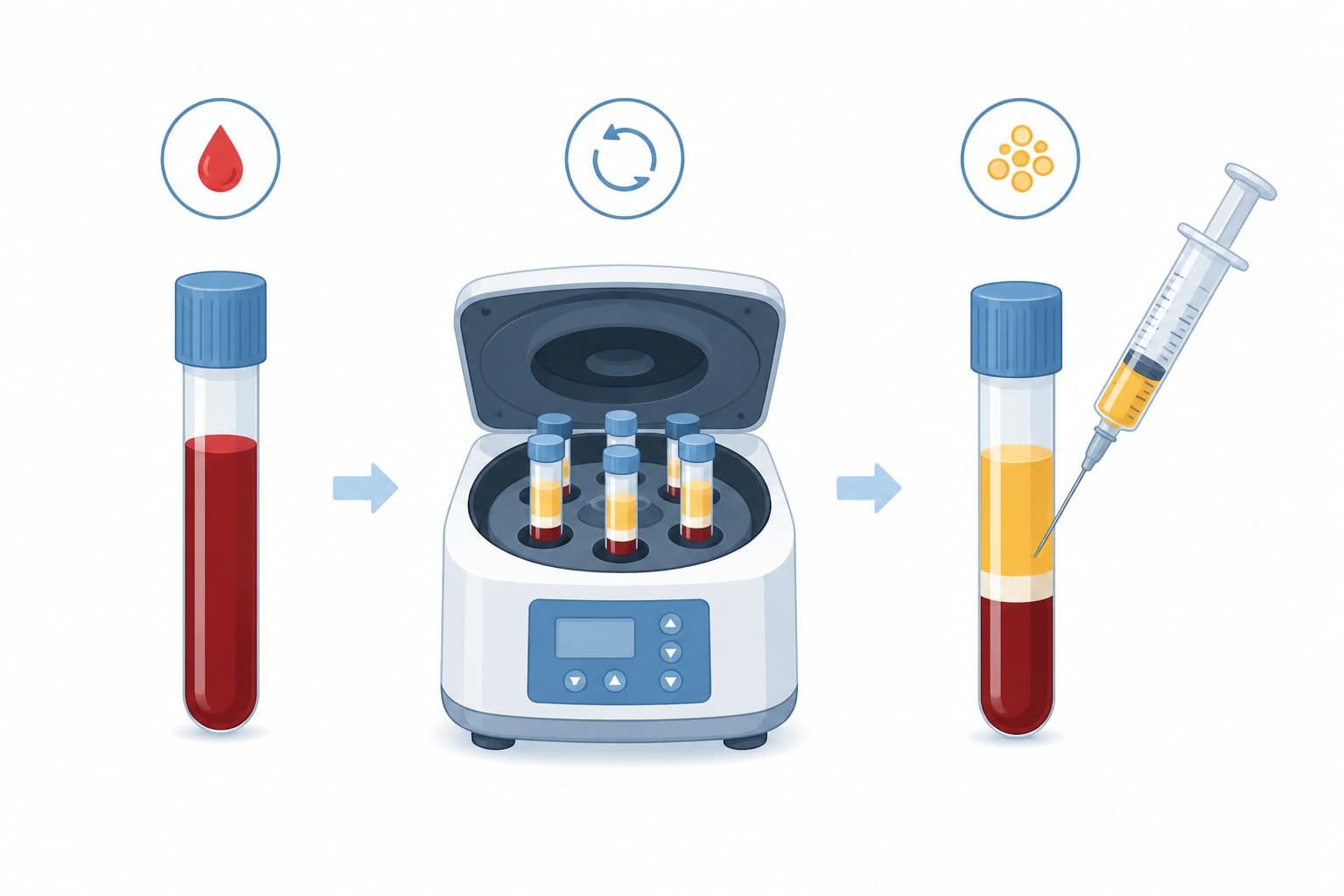
The Priapus shot, also called a penis shot, is made from a patient’s own blood. Clinicians draw a small blood sample and spin it in a centrifuge. This process separates platelet-rich plasma from red blood cells. The resulting concentrate contains growth factors that support tissue repair. Practitioners then inject this plasma into specific areas of the penis using a fine needle.
The treatment falls under regenerative medicine. It does not involve surgery, general anaesthetic or synthetic implants. P shot treatment sessions typically last under an hour, including numbing time and blood processing.
The Science Behind PRP-Based Regenerative Therapy for ED
Platelet-rich plasma contains growth factors including PDGF, VEGF and TGF-beta. Researchers link these proteins to new blood vessel formation and tissue regeneration. This mechanism underpins PRP-based regenerative therapy for ED across several specialities, including orthopaedics and dermatology.
Natural ED treatment using PRP therapy appeals to patients seeking an alternative to daily tablets or invasive surgery. Peer-reviewed studies on PRP for erectile dysfunction remain limited in scale. Most published trials involve small patient groups and short follow-up periods. NICE has not issued a specific technology appraisal for this treatment, and it sits outside standard NHS urology pathways. Patients should
treat it as an emerging option rather than a first-line, guideline-backed therapy.
Step-by-Step: What Happens During Priapus Shot Treatment
A standard P shot treatment appointment follows a consistent sequence. Clinicians first draw a small venous blood sample, similar in volume to a routine blood test. A centrifuge then spins the sample for several minutes, separating platelet-rich plasma from red blood cells and other components.
Numbing cream applied to the treatment area takes effect over roughly twenty to thirty minutes. Clinicians then inject the concentrated plasma into predetermined sites, adjusting technique based on anatomy and treatment goals. The full appointment, from arrival to discharge, generally takes forty-five minutes to an hour.
Patients receive aftercare guidance covering activity restriction, signs of infection and expected bruising timelines before leaving the clinic. Follow-up review appointments allow clinicians to assess healing and discuss further sessions where clinically appropriate.
Evidence Base: What Research Says About PRP and Erectile Dysfunction
Published research on platelet-rich plasma for erectile dysfunction remains at an early stage. Several small studies report improvement in erectile function scores among treated patients, though sample sizes rarely exceed a few dozen participants. Control groups, blinding and long-term follow-up appear inconsistently across the existing literature.
Systematic reviews published in urology journals note methodological limitations, including variation in PRP preparation methods, injection protocols and outcome measures between studies. This variation makes direct comparison between trials difficult. NICE has not published a specific guideline covering PRP injection for erectile dysfunction, and the treatment does not currently form part of standard NHS urology pathways.
Patients should weigh this evidence gap carefully. This treatment shows biological plausibility and an acceptable safety profile in most published case series, but large randomised controlled trials with long-term follow-up remain limited. Clinics offering this treatment should communicate this evidence gap clearly, rather than presenting outcomes as guaranteed.
Why Blood Thinners Raise Questions Before Priapus Shot Treatment
How Anticoagulants and Antiplatelet Drugs Affect Injections
Blood thinners fall into two broad categories. Anticoagulants, such as warfarin, apixaban and rivaroxaban, slow the clotting cascade. Antiplatelet drugs, including aspirin and clopidogrel, stop platelets from clumping together. Both groups reduce the blood’s ability to form a stable clot after a needle puncture.
Any injection carries a bleeding risk, and this treatment is no exception. Patients on blood thinners face a higher chance of bruising, prolonged oozing at injection sites, or small haematomas beneath the skin. The penis contains a dense network of small blood vessels, which increases visible bruising compared with injections into thicker tissue.
Common Blood Thinners Patients Take
Patients attending a priapus shot consultation commonly report use of the following:
● Warfarin, prescribed for atrial fibrillation or mechanical heart valves
● Direct oral anticoagulants, including apixaban, rivaroxaban and dabigatran
● Low-dose aspirin, taken for cardiovascular protection
● Clopidogrel or ticagrelor, often prescribed after a cardiac stent
● Low-molecular-weight heparin injections, used in some clotting disorders
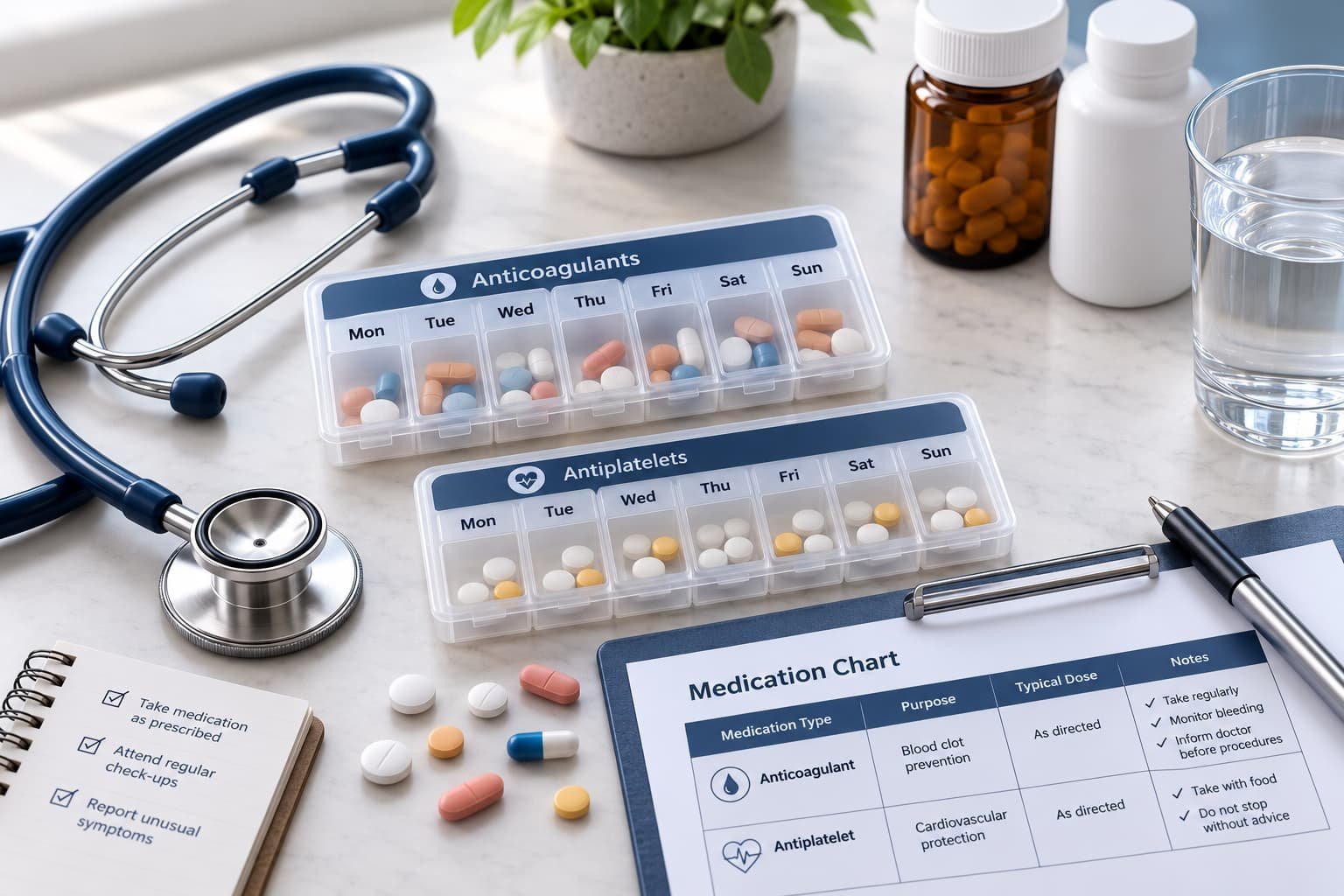
Each drug carries a different bleeding profile. Clinicians assess the specific medication, dose and underlying reason for treatment before deciding on next steps.
Can Blood Thinners and Priapus Shot Treatment Combine Safely?
Clinical Considerations Before Treatment
A qualified clinician reviews full medical history before booking a P injection appointment. This review covers the reason for anticoagulation, any history of clotting events, and the risk of stopping medication temporarily. Stopping warfarin or a DOAC without specialist input can raise stroke or clot risk substantially, particularly in patients with mechanical heart valves or a recent history of deep vein thrombosis.

Clinicians never advise patients to stop prescribed blood thinners without consulting the prescribing doctor first. The decision belongs to the cardiologist, haematologist or GP managing the underlying condition, not to the aesthetic or urology clinic performing the injection.
Some patients on low-dose aspirin for primary prevention may discuss a short pause with their GP, weighing modest bleeding reduction against personal cardiovascular risk. Patients on warfarin, DOACs or dual antiplatelet therapy after a stent generally continue their medication, and the clinic adjusts technique instead.
Bruising, Bleeding and Realistic Expectations
Patients taking blood thinners should expect a higher likelihood of bruising after a priapus shot London appointment. Bruising typically resolves within one to two weeks. Firm pressure applied directly after each injection reduces swelling and haematoma formation. Ice application in short intervals during the first 24 hours limits further bruising.
Realistic expectations matter more than reassurance. Patients on anticoagulation should plan for a longer visible bruising period and should avoid vigorous sexual activity or exercise for several days longer than patients not taking these medications.

Who Should Avoid Priapus Shot Treatment?
Certain groups face a higher risk profile and require careful discussion before proceeding:
● Patients with an active bleeding disorder, such as haemophilia
● Patients with an unstable INR on warfarin, outside the therapeutic range
● Patients recently started on dual antiplatelet therapy after a cardiac event
● Patients with a platelet count below normal range, identified through blood tests
● Patients with an active penile infection or untreated Peyronie’s disease with acute inflammation
A penis shot remains unsuitable for anyone in an unstable medical state. Clinicians postpone treatment until the underlying condition stabilises, and coordinate timing with the relevant specialist.
Additional caution applies to patients with severe cardiovascular disease, uncontrolled diabetes affecting wound healing, or active malignancy. Smokers and patients with poorly controlled blood pressure may also experience slower healing and increased bruising risk. A thorough pre-treatment assessment identifies these factors before any needle touches the skin.
Alternatives Worth Discussing First
Patients concerned about combining blood thinners with an injection-based treatment may wish to discuss non-injection options first. Oral PDE5 inhibitors, vacuum erection devices and lifestyle modification carry a different risk profile and often serve as an appropriate starting point. A GP or urologist can advise on which pathway suits a specific medical history, before considering this option later.
What Happens During a Consultation for P Shot London Clinics Offer
A thorough consultation precedes every priapus shot London appointment. Clinicians take a full medical history, including current medication, allergies and previous surgery. Blood tests may confirm platelet count and clotting function where clinically indicated. Patients bring a full medication list, including over-the-counter supplements such as fish oil or high-dose vitamin E, both of which affect platelet function.
Clinicians explain the procedure, expected recovery and realistic outcomes before obtaining informed consent. Patients receive written aftercare instructions covering activity restrictions, signs of excessive bleeding, and follow-up arrangements.
Priapus Shot Price and Cost Considerations in the UK
Priapus shot price varies between clinics, depending on the practitioner’s qualifications, equipment used and included follow-up care. Male enlargement injections cost UK clinics charge typically reflects single-session pricing, though some clinics offer package pricing across multiple sessions. Patients should confirm whether the quoted price includes blood testing, numbing cream, aftercare products and a follow-up review appointment.
Cost alone should never guide the choice of clinic. Patients benefit from checking practitioner qualifications, hygiene standards and whether a registered medical professional performs the injection personally.
P Shot Before and After: Realistic Outcomes
P shot before and after photographs circulate widely online, though results vary between individuals. Reported outcomes include modest improvements in girth, sensitivity and erection firmness in some patients. P-shot before and after comparisons depend heavily on baseline anatomy, photography angle and lighting, which limits their value as objective evidence.
Penile injection growth claims require careful interpretation. Peer-reviewed evidence does not support significant permanent enlargement from a single PRP session. Temporary swelling immediately after treatment can create a misleading before-and-after impression. Patients should treat marketing photographs with appropriate scepticism and focus on peer-reviewed data instead.
Comparing Priapus Shot Treatment With Other ED Options
Erectile dysfunction treatment London clinics offer spans oral medication, vacuum devices, injections and surgical implants. The priapus shot sits alongside these as a non-surgical treatment for erectile dysfunction in London patients may consider after discussing standard options with a GP or urologist first.
NHS guidance recommends phosphodiesterase type 5 inhibitors, such as sildenafil or tadalafil, as first-line treatment for most men with erectile dysfunction. NICE Clinical Knowledge Summaries outline this stepped approach, alongside lifestyle modification and cardiovascular risk assessment. A priapus shot does not replace this stepped pathway. It may suit patients seeking an additional or alternative option after standard treatments prove unsuitable or insufficient.
Frequently Asked Questions
Can patients on aspirin have the P shot?
Low-dose aspirin increases bruising risk after any injection. Clinicians discuss the specific cardiovascular reason for aspirin use before deciding whether a short pause is appropriate, always in consultation with the prescribing doctor.
Does treatment effectiveness drop if blood thinners continue?
Blood thinners do not appear to block the biological action of platelet-rich plasma once injected. The main concern relates to bruising and bleeding at the injection site, not treatment effectiveness.
Is the priapus shot safe for patients with a heart stent?
Patients with a recent stent typically take dual antiplatelet therapy, which cannot be paused without cardiology input. Treatment planning around a priapus shot appointment requires close coordination with the cardiology team managing the stent.
How long does bruising last after this treatment for patients on blood thinners?
Bruising can persist for one to two weeks in patients on anticoagulant or antiplatelet medication, longer than the typical few days seen in patients not taking these drugs.
Does the NHS fund the Priapus shot?
This treatment is not available on the NHS. Patients access it through private clinics offering P shot UK services, and costs are paid privately.
Conclusion
Blood thinners do not automatically rule out this treatment, but they change how a clinician plans and delivers care. Anticoagulant type, dose, underlying condition and stability all shape the final decision. Stopping prescribed medication without specialist advice carries genuine risk and falls outside the remit of any aesthetic or urology clinic offering this injection. Patients taking blood thinners should raise the topic openly during consultation, bring a full medication list, and expect a longer bruising period as a realistic trade-off rather than a reason for alarm.
Pshots clinic UK, a Harley Street clinic led by Dr Syed Nadeem Abbas, is among the private providers offering consultation-led assessment for men exploring PRP-based options for erectile dysfunction. Informed decision-making rests on full disclosure of medication history and realistic expectations set before treatment begins.
Should a man taking blood thinners weigh the modest, evidence-limited benefits of the Priapus shot against the practical realities of prolonged bruising and careful medical coordination?
Read more:
How to Prepare for a P-Shot: Full Pre-Treatment Checklist


