
✅Medically reviewed
Erections depend on blood flow, nerve signals, hormones and sleep. Sleep apnoea can disturb all four. Research now connects sleep apnoea and erectile dysfunction more closely than many clinicians once expected.
Loud snoring often looks like a harmless habit. Medical evidence shows a different picture in some men. Repeated breathing pauses lower blood oxygen, fragment sleep and strain the heart and blood vessels. The same vessels supply the penis.
A full night in bed does not guarantee restorative sleep. Large numbers of men with sleep apnoea never receive a diagnosis. Others with erectile dysfunction never undergo a sleep assessment. The two conditions overlap far more often than chance alone would predict.
This article addresses men who have had a vasectomy and now consider P Shot treatment for erection problems. The NHS confirms that vasectomy does not cause erectile dysfunction. Another cause therefore deserves attention. Sleep apnoea remains a frequently overlooked candidate.
The sections below explain how sleep apnoea and erectile dysfunction relate through breathing, hormones and mood. Further sections cover sleep apnoea symptoms in men, the UK diagnosis pathway and the evidence behind PRP injections. The aim is an informed decision, not a sales pitch.
What Is Obstructive Sleep Apnoea?
Obstructive sleep apnoea (OSA) occurs when the upper airway narrows or closes during sleep. Throat muscles relax, and airflow drops or stops. NICE guideline NG202 uses the term obstructive sleep apnoea/hypopnoea syndrome (OSAHS) for this condition. Breathing pauses of ten seconds or more count as apnoeas. Partial reductions in airflow count as hypopnoeas.
Clinicians grade severity with the apnoea-hypopnoea index (AHI), which counts breathing events per hour of sleep. A reading below 5 is normal. Mild OSA scores 5 to 15, moderate OSA scores 15 to 30, and severe OSA scores above 30.
How Common Is Sleep Apnoea in the UK?
NICE describes OSAHS as common yet frequently unrecognised. Scoping work for NG202 estimated that around 5% of UK adults live with undiagnosed disease. Men, older adults and people with obesity carry higher risk. Evening alcohol, smoking and nasal obstruction add further risk.
Sleep Apnoea Symptoms in Men
Sleep apnoea symptoms in men often reach attention through a bed partner. Night-time and daytime features both matter.
Common night-time features include:
- Loud, habitual snoring
- Witnessed pauses in breathing
- Choking or gasping during sleep
- Frequent waking to pass urine
Common daytime features include:
- Unrefreshing sleep despite adequate hours in bed
- Excessive daytime sleepiness
- Morning headaches
- Poor concentration and memory lapses
- Low mood or irritability
- Reduced sex drive and weaker erections
Primary care guidance based on NICE NG202 suggests assessment when two or more of these features appear together. Snoring alone does not confirm sleep apnoea. Many men who snore have normal breathing during sleep.
What Research Shows About Sleep Apnoea and Erectile Dysfunction
Researchers have studied sleep apnoea and erectile dysfunction for more than two decades. Early studies relied on small samples. Recent systematic reviews pool larger datasets.
Prevalence Figures
A 2026 meta-analysis in the International Journal of Impotence Research examined obstructive sleep apnoea and ED. Eight studies met its criteria. Erectile dysfunction affected 59% to 69% of men with OSA across the studied populations.
A prospective cross-sectional study of 133 men with suspected OSA reached a similar conclusion. Among 80 men with confirmed OSA, 60% reported erectile dysfunction. The authors recommended that clinicians investigate ED in all men with OSA. Healthy Male, the Andrology Australia resource, states that ED is twice as likely in men with sleep apnoea.
Severity Matters
Worse breathing at night tracks with worse erections. The 2026 meta-analysis pooled seven studies covering 594 patients. Analysis found a moderate inverse correlation between AHI and International Index of Erectile Function (IIEF) scores. Higher AHI therefore coincided with lower erectile scores.
A Urologia Internationalis systematic review by NHS urology teams examined the same link. The review also assessed possible mechanisms and treatment options.
Limits of the Evidence
Association does not prove causation. Age, obesity, diabetes, high blood pressure, smoking and alcohol drive both conditions. The meta-analysis authors flagged age as a significant confounder. High variation between studies and between erectile-function questionnaires further limits the pooled estimates.
Healthy Male notes that the reason for the higher ED rate remains poorly understood. Shared risk factors may explain part of the link. Direct effects of disrupted breathing may explain the rest.
How Sleep Apnoea May Affect Erections
Researchers propose several overlapping mechanisms. None operates alone in every man.
Low Oxygen and Erectile Function
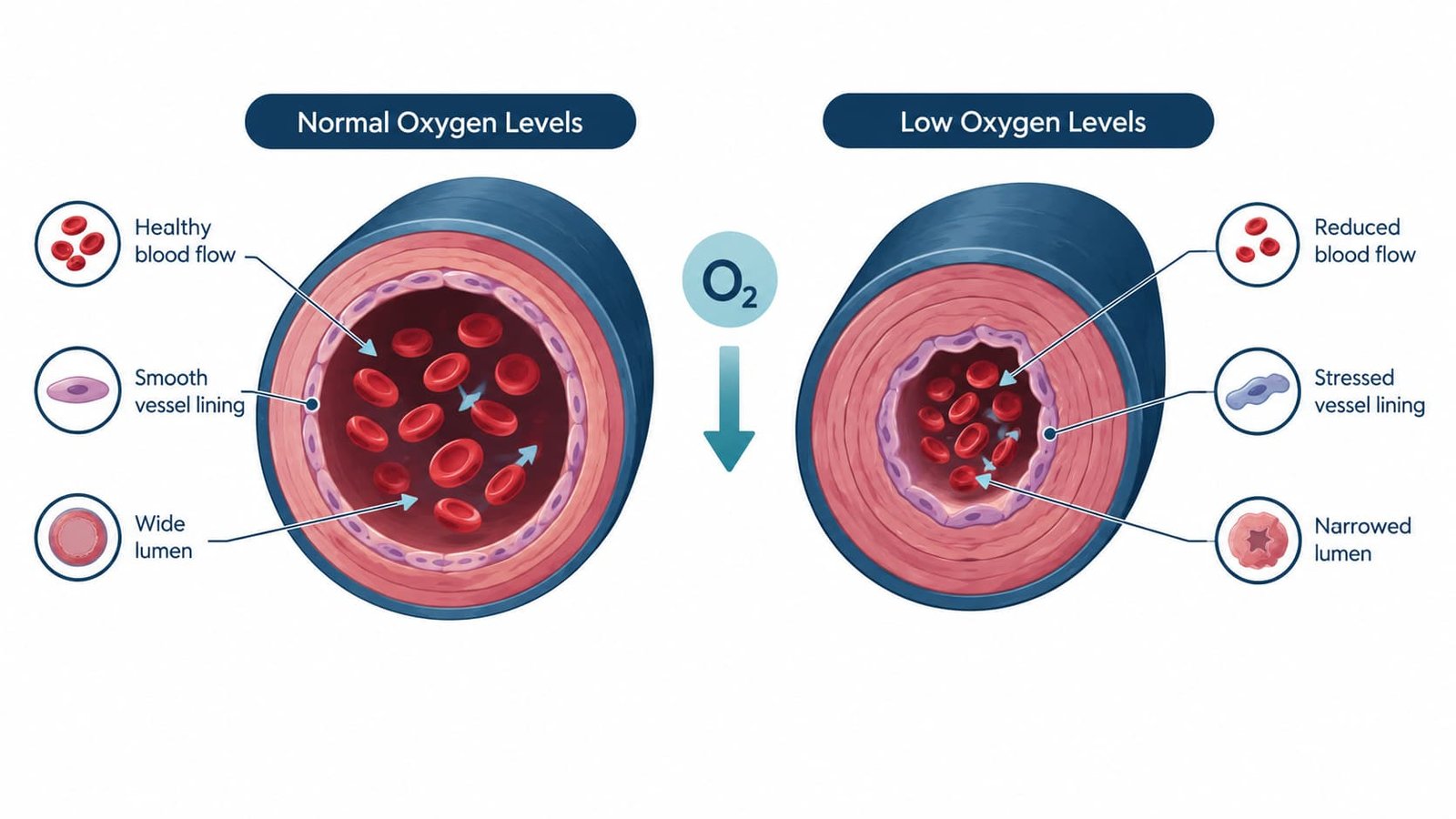
Each apnoea causes oxygen levels to fall, then rise sharply when breathing restarts. Doctors call this pattern intermittent hypoxia. The pattern stresses blood vessel linings.
Healthy erections need the vessel lining to release nitric oxide. Nitric oxide relaxes smooth muscle in the corpus cavernosum, and blood then fills the penis. Intermittent hypoxia reduces nitric oxide availability and promotes inflammation. Reviews also describe increased collagen deposition, which reduces penile elasticity.
Low oxygen and erectile function connect through the same vessels that supply the heart. Erectile dysfunction can signal early vascular disease. NHS guidance lists heart disease, high blood pressure and diabetes among common causes.
Sleep Apnoea and Testosterone
Testosterone release rises during sleep, and sleep fragmentation disrupts that rhythm. Luboshitzky and colleagues reported reduced pituitary-gonadal hormone secretion in men with OSA in 2002. Later studies found lower testosterone in some men with severe disease.
Obesity complicates the picture. Excess abdominal fat lowers testosterone and raises OSA risk simultaneously. Sleep apnoea and testosterone therefore interact in both directions.
Evidence on CPAP and testosterone remains mixed. Some trials report modest rises, while others report no change. Clinicians usually measure morning testosterone before making any diagnosis of deficiency.
Poor Sleep and Erectile Dysfunction
Sleep restores the systems that erections rely on. Poor sleep and erectile dysfunction also connect through stress hormones, blood pressure and mood. Fragmented sleep raises cortisol and sympathetic nervous system activity. Both changes reduce the relaxation that erections require.
Healthy men normally have several nocturnal erections during REM sleep. Some researchers propose that these erections help oxygenate penile tissue. Budweiser and colleagues reported in 2009 that sleep apnoea independently correlated with erectile and sexual dysfunction.
Daytime fatigue adds a further barrier. Tired men report lower desire, less energy and more anxiety around sex. Performance anxiety then compounds a physical problem.
Snoring and Erectile Dysfunction
Loud, habitual snoring can signal sleep apnoea. Snoring and erectile dysfunction therefore deserve joint attention when snoring comes with pauses, gasping or heavy tiredness. Simple snoring without those features carries less concern.
Lifestyle Factors That Affect Both Conditions
Several modifiable factors worsen sleep apnoea and erectile function together. Addressing these factors can help both conditions.
- Excess weight narrows the airway and lowers testosterone.
- Evening alcohol relaxes throat muscles and impairs erections.
- Smoking damages blood vessels and irritates the airway.
- Sedentary habits raise blood pressure and blood sugar.
NHS advice on erectile dysfunction recommends regular exercise, a balanced diet and limited alcohol. Those steps carry low risk and support cardiovascular health generally.
Sleep Apnoea and Sexual Dysfunction Beyond Erections
Sleep apnoea and sexual dysfunction extend beyond erection quality. Studies report reduced desire and lower sexual satisfaction in affected men.
Mood plays a major role. Depression and anxiety occur more often in men with untreated sleep apnoea. Several antidepressants can worsen erectile function and desire. A full medicine review therefore forms part of any sound assessment.
Sleep Apnoea Diagnosis UK: What the Pathway Involves
Who Should Seek Assessment
Men should contact a GP when snoring comes with witnessed pauses, choking or marked daytime sleepiness. Excessive sleepiness also raises driving risk, and DVLA rules apply to affected drivers.
Tests Used in the NHS
GPs typically begin with questionnaires. The Epworth Sleepiness Scale rates daytime sleepiness, and a score of 10 or above indicates excessive sleepiness. STOP-BANG estimates OSA risk, and a score of 5 or above signals high risk.
Specialist services then arrange home respiratory polygraphy or a full sleep study. NICE NG202 states that diagnosis rests on monitoring breathing during sleep. Private sleep clinics also offer home studies. Waiting times for NHS sleep services vary by region.
Treatment Options
Treatment depends on severity and symptoms. NICE recommends continuous positive airway pressure (CPAP) for moderate to severe OSAHS. Mild disease also qualifies for CPAP when symptoms affect daily life. Supporting measures include:
- Weight loss in men with excess weight
- Less alcohol in the evening
- Stopping smoking
- Positional therapy when sleep apnoea worsens on the back
- Oral appliances for some men with mild to moderate disease or CPAP intolerance
Does CPAP Improve Erections?
Studies in the 2026 meta-analysis linked CPAP with reported improvements in erectile function. The size of benefit varied by questionnaire. Pooled estimates carried high variation between studies. Some men still need further ED treatment after CPAP.
Vasectomy, Sleep Apnoea and Erectile Function
The NHS states that vasectomy does not affect erections, sex drive or ejaculation. Surgeons cut or seal the vas deferens, which carries sperm. Nerves and blood vessels that control erections stay outside the surgical field.
Erectile changes after vasectomy therefore usually reflect another cause. Sleep apnoea and erectile dysfunction often emerge in the same decade of life, so timing can mislead. Many men have a vasectomy in mid-life, when sleep apnoea risk, weight, blood pressure and stress often rise together.
A new erection problem after vasectomy still needs a full medical work-up. Clinicians should check vascular risk, hormones, mental health, medicines and sleep before blaming the procedure.
Why Sleep Apnoea Matters Before P Shot Treatment
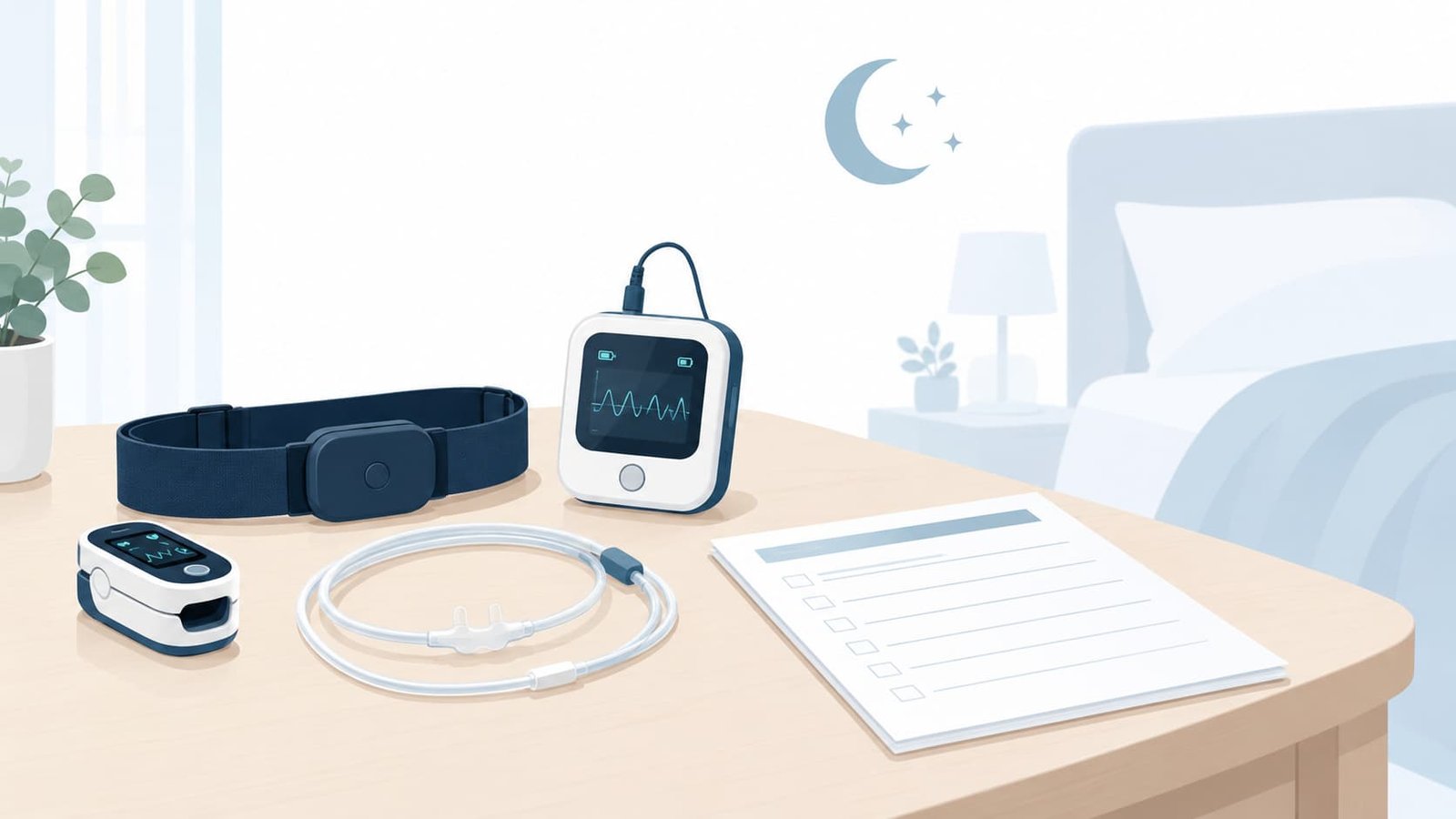
Sleep apnoea and erectile dysfunction matter to P Shot candidates for a practical reason. Untreated breathing problems can blur the picture of what an injection achieves.
What P Shot Treatment Involves
P Shot treatment uses platelet-rich plasma (PRP) prepared from the patient’s own blood. A clinician draws blood, concentrates platelets in a centrifuge and injects the preparation into penile tissue. Clinicians also call the procedure the Priapus Shot. Private clinics offer it, and the NHS does not list PRP among standard ED treatments.
What the Evidence Shows
Evidence for P Shot for erectile dysfunction remains limited. Poulios and colleagues ran a 2021 randomised trial in the Journal of Sexual Medicine. Men receiving PRP reported higher erectile function scores than men receiving placebo. The trial enrolled few participants and followed up briefly.
Systematic reviews describe small samples, short follow-up and varied protocols. European Association of Urology guidelines classify intracavernosal PRP as investigational.
No treatment guarantees restored erections. Responses vary, and some men need repeat sessions or other therapies.
Why Untreated Sleep Apnoea May Limit Results
No trial has tested P Shot outcomes in men with untreated sleep apnoea. The points below rest on clinical reasoning, not direct evidence.
- Ongoing low oxygen and vascular inflammation may keep damaging the tissue that PRP aims to support.
- Hormonal and mood contributors to sexual dysfunction persist, and an injection leaves those factors unchanged.
- Low testosterone, if present, needs separate assessment and treatment.
- Untreated sleep apnoea carries cardiovascular and safety risks that outweigh any single ED treatment.
Sequencing therefore deserves thought. Treating the breathing disorder first may clarify how much erectile dysfunction remains.
Questions to Settle Before Booking
- Has a doctor assessed snoring, witnessed pauses and daytime sleepiness?
- Have blood tests checked testosterone, glucose or HbA1c, lipids and thyroid function?
- Does blood pressure sit within target range?
- Which medicines, alcohol habits and smoking history apply?
- Which outcome measure, such as the IIEF-5 questionnaire, will track change?
Specialist Assessment in London
Men who want a doctor-led ED assessment can consult pshots clinic UK on Harley Street. Dr Syed Nadeem Abbas (MBBS, MRCS, MRCGP, MSc Aesthetic Plastic Surgery) leads the clinic. Any P shot London provider should explain evidence limits, risks and alternatives. Comparing Priapus Shot London services means asking about qualifications, indications and written consent.
Practical Steps Before Any Procedure
A structured approach keeps decisions sensible and evidence-based. Men can follow a simple sequence.
- Ask a bed partner to note snoring, pauses and gasping.
- Complete the Epworth Sleepiness Scale and the IIEF-5 questionnaire.
- Book a GP appointment to discuss sleep, erections, medicines and blood tests.
- Complete any sleep study and start treatment when advised.
- Revisit erectile function after three to six months of treatment.
Frequently Asked Questions
Is there a link between sleep apnoea and erectile dysfunction?
Yes. Studies consistently find a higher rate of ED in men with OSA. Shared risk factors explain part of the link, and low oxygen, hormonal change and poor sleep may explain more.
Does sleep apnoea lower testosterone?
Some men with severe OSA show lower testosterone. Obesity contributes to both problems. A morning blood test gives the clearest answer.
Can snoring alone cause erectile dysfunction?
Snoring alone does not cause ED. Loud snoring with pauses and daytime sleepiness points towards sleep apnoea, and that condition links with ED.
Does CPAP treatment improve erections?
Some studies report improved erectile function with CPAP. Results vary, and not every man regains full function.
Does vasectomy cause erectile dysfunction?
No. The NHS states that vasectomy leaves erections, sex drive and ejaculation unchanged. New ED after vasectomy needs a separate medical explanation.
Can a P Shot work if sleep apnoea stays untreated?
No direct evidence answers this question. Clinical reasoning suggests that untreated sleep apnoea may limit any benefit. Assessment and treatment of sleep apnoea first seems sensible.
How does a GP diagnose sleep apnoea?
A GP reviews symptoms and uses the Epworth Sleepiness Scale and STOP-BANG questionnaire. Referral for a home sleep study or specialist test follows when risk looks significant.
Key Takeaways
Sleep and erections share the same biology. The evidence links sleep apnoea and erectile dysfunction through low oxygen, vascular strain, hormonal change and fatigue. Association does not equal causation, but the overlap justifies screening.
Men with a vasectomy and new erection problems should not assume the procedure caused the change. A structured review of sleep, hormones, blood vessels, medicines and mood comes first. P Shot treatment remains an option with limited evidence, not a proven cure.
Informed decisions begin with accurate diagnosis. A sleep study, a blood test and an honest discussion of evidence cost little compared with an ineffective treatment. Could a night-time breathing test reveal the real cause of an erection problem before any injection begins?
Read more:
P Shot UK After Vasectomy: Does It Affect Results?
Tests to Take Before a P Shot: HbA1c, Testosterone, Lipids and Blood Pressure
Dr Syed Nadeem Abbas, MBBS, MRCSEd, MSc Aesthetic Plastic Surgery (Distinction) Medical Director, Pshot Clinic | CQC Regulated | Monday to Saturday 10:00–18:00 +44 7955 836986


