
Men researching erectile dysfunction options in London frequently ask a practical question before booking a consultation: does P-Shot treatment require a GP referral first? The question matters because UK healthcare runs on two separate systems: NHS-commissioned care, which depends on GP gatekeeping, and private medical services, which operate under different access rules entirely. Confusion between these two systems leads many men to delay treatment unnecessarily, wrongly assuming a GP appointment must happen before any injection procedure can begin.
Search results and forum discussions add further confusion, mixing NHS terminology with private clinic marketing language until the underlying rules become genuinely difficult to identify. Clear, source-backed information matters here, since erectile dysfunction already carries enough uncertainty for many men without added confusion about basic access logistics.
This article separates fact from assumption. It examines how NHS referral pathways work, explains where private regenerative treatments such as the P-Shot sit within UK healthcare regulation, and clarifies exactly what role, if any, a GP referral for P-Shot treatment plays in the process. The explanation draws on published NHS guidance, NICE clinical frameworks, and peer-reviewed research on platelet-rich plasma (PRP) therapy for erectile dysfunction, rather than generic claims repeated across competing clinic websites.
What Is P-Shot Treatment?
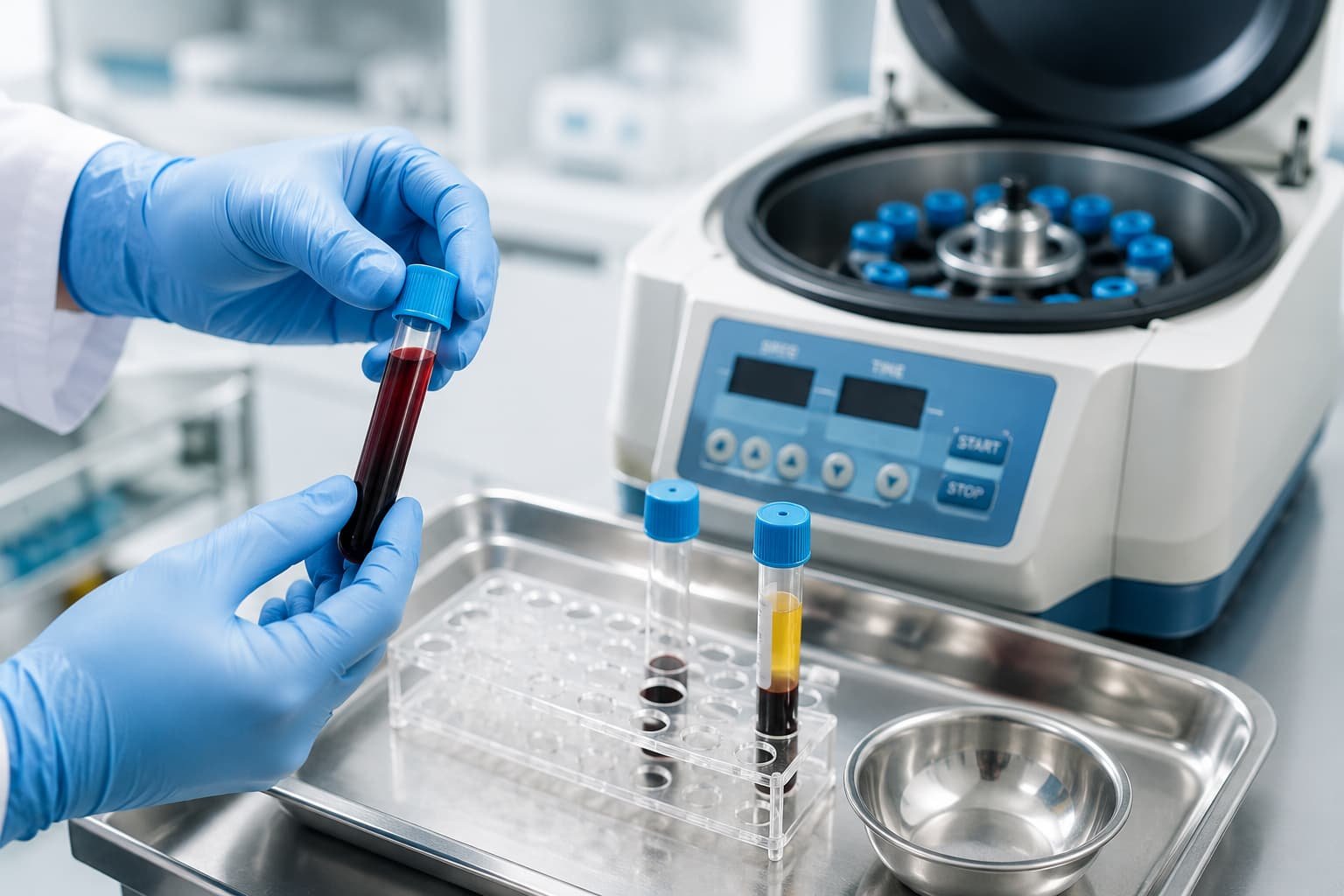
The P-Shot, also known as the Priapus Shot, is a PRP-based regenerative therapy for ED that uses a patient’s own blood plasma. Clinicians draw a small blood sample, process it in a centrifuge to concentrate platelets and growth factors, then deliver a p injection directly into penile tissue. Growth factors within the concentrated plasma aim to support new blood vessel formation, nerve tissue repair, and general tissue regeneration.
Men explore this P shot treatment for mild to moderate erectile dysfunction, reduced sensitivity, or as supportive care following prostate surgery. Because the procedure uses autologous material rather than a licensed pharmaceutical drug, UK regulators classify it as a private regenerative medicine service rather than a standard NHS intervention.
The treatment differs from oral medication and vacuum devices in mechanism rather than purpose. PDE5 inhibitors work pharmacologically, increasing blood flow at the point of use, while PRP aims to support longer-term tissue repair through concentrated growth factors. This mechanistic distinction explains why regulators and clinicians categorise the two approaches differently, even though both address the same underlying symptom.
How NHS Referral Pathways Work in the UK
The GP Gatekeeping Model
NHS specialist care across England, Scotland, Wales and Northern Ireland generally requires a GP referral before a hospital consultant sees a patient. NHS guidance confirms that patients cannot usually self-refer to a hospital specialist, with limited exceptions such as sexual health clinics and emergency departments. A referral letter communicates medical history, current symptoms, and clinical reasoning to the receiving specialist, allowing NHS resources to prioritise cases fairly.
This gatekeeping model exists to manage limited NHS capacity, not to restrict access to private treatment options.
Why NHS Rules Differ from Private Healthcare Rules
Private healthcare in the UK does not follow the same gatekeeping structure. Patients funding treatment privately can generally arrange a consultation directly with a private clinic or consultant. NHS guidance itself acknowledges that a private specialist can be approached with or without a GP referral, though a referral remains advisable for complex medical presentations.
This distinction sits at the centre of the referral question facing men researching P-Shot treatment, since the procedure falls entirely within the private healthcare category rather than NHS-commissioned services. Recognising this structural difference early prevents wasted appointments and unrealistic expectations about how access actually works.

Does P-Shot Treatment Require a GP Referral?
No GP Referral for P-Shot Is Required to Book a Consultation
A GP referral for P-Shot treatment is not a legal or clinical requirement in the UK. Private clinics offering P shot London services generally accept direct self-referral, meaning a patient can contact a clinic, arrange a consultation, and proceed toward treatment without visiting a GP first. This reflects standard private healthcare practice across most elective and regenerative procedures, not a shortcut specific to PRP injections. Clinics carry out independent clinical assessment during consultation, reviewing medical history, current medication, and suitability for PRP therapy before any injection takes place.
Why NHS Pathways Do Not Cover the P-Shot
NHS commissioning decisions rest on large-scale, peer-reviewed clinical evidence assessed by NICE. Current NICE guidance on erectile dysfunction management centres on established options: oral PDE5 inhibitors such as sildenafil, vacuum erection devices, and investigation of underlying causes including cardiovascular disease, diabetes, and hormonal imbalance. PRP injections for erectile dysfunction do not currently appear within NICE-approved treatment pathways.
Because no NHS commissioning framework exists for this procedure, GPs cannot arrange NHS-funded referral for P-Shot treatment, regardless of clinical presentation. This absence of an NHS pathway explains why formal GP involvement carries no functional role within NHS systems for this specific procedure, even though it remains an option worth considering within private care.
Some men mistakenly assume that persistence with a GP, or requesting a second opinion, might eventually unlock NHS-funded PRP treatment. NICE guidance makes clear this is not the case: commissioning decisions apply nationally and consistently, so no individual GP practice can independently fund or approve treatment that sits outside approved NHS pathways.
When a GP Referral for P-Shot Treatment Still Adds Value
Although not compulsory, a GP referral for P-Shot treatment can still provide genuine clinical value in specific circumstances. Erectile dysfunction sometimes signals an underlying medical condition rather than an isolated symptom. A GP consultation before private treatment allows blood pressure checks, blood glucose testing, and cardiovascular risk assessment, since vascular disease frequently underlies erectile difficulty in men over 40.
Men taking prescribed medication, particularly anticoagulants or blood thinners, benefit from GP input before considering any penile injection growth procedure. A referral letter also gives the treating clinician written context on relevant health history, supporting safer clinical decision-making even outside NHS-funded pathways.
What Role Does a GP Play in Erectile Dysfunction Assessment?
Ruling Out Underlying Causes
Erectile dysfunction has multiple possible causes, spanning vascular, hormonal, neurological, and psychological factors. NHS guidance recommends investigating these causes before assuming a purely local or mechanical explanation. A GP can order blood tests to check testosterone, fasting glucose, and cholesterol levels, review current medication for contributing side effects, and assess mental health factors such as anxiety or low mood.
Identifying a treatable underlying cause sometimes resolves erectile dysfunction without requiring any injectable intervention at all. Diabetes management, blood pressure control, or adjustment of a medication known to contribute to erectile difficulty can, in some cases, improve symptoms substantially before any consideration of PRP therapy becomes necessary.
NICE Guidance on Erectile Dysfunction Management
NICE clinical knowledge summaries frame erectile dysfunction assessment around cardiovascular risk stratification, since erectile dysfunction can precede diagnosed heart disease by several years. First-line management under NICE guidance typically includes lifestyle modification and oral PDE5 inhibitor therapy where appropriate. Second-line and specialist options include intracavernosal injections of licensed vasoactive drugs, vacuum devices, and, in select cases, surgical referral.
PRP-based injections currently sit outside this NICE-recognised treatment hierarchy, classified instead as an emerging regenerative therapy still under clinical investigation.
The Private P-Shot Consultation Process
Initial Assessment Without a GP Referral
A typical private consultation for P shot UK treatment begins with a detailed medical history review, current medication check, and physical assessment. Clinicians assess suitability for PRP injection, discuss realistic expectations, and screen for contraindications such as active infection, bleeding disorders, or current anticoagulant use.
This structured private assessment functions independently of any formal referral letter, though patients remain free to bring existing GP correspondence or test results to support the consultation. Bringing recent blood pressure readings, cholesterol figures, or testosterone results, where available, allows the treating clinician to build a fuller clinical picture without requiring a separate GP appointment beforehand.
Priapus Shot Price and Treatment Structure
Priapus shot price varies across UK providers depending on PRP processing technology, practitioner qualifications, and included aftercare. Treatment packages commonly include an initial consultation, blood draw and centrifuge processing, the injection procedure itself, and structured follow-up appointments.
Dual-spin centrifuge processing, which concentrates platelets to a higher degree than basic single-spin methods, typically commands a higher Priapus shot price than budget alternatives. Clinics offering genuinely transparent pricing publish costs openly rather than requiring an in-person consultation before disclosing figures. Providers of non-surgical treatment for erectile dysfunction in London should present pricing, included follow-up, and realistic outcome expectations clearly at the point of enquiry.
Evidence Base for PRP-Based Regenerative Therapy for ED
What Clinical Research Currently Shows
Evidence on natural ED treatment using PRP therapy remains mixed and still developing. A 2023 randomised, double-blind, placebo-controlled trial published in the Journal of Urology found that men with mild to moderate erectile dysfunction receiving PRP injections reported measurable improvement in erectile function scores compared with placebo shortly after treatment, though differences narrowed at later follow-up points.
A 2024 meta-analysis combining twelve controlled trials and close to one thousand patients reported measurable improvement in International Index of Erectile Function scores among PRP recipients, alongside acknowledgement that study quality and sample sizes remain limited across the existing literature. A subsequent systematic review published in Sexual Medicine Reviews concluded that PRP represents a promising but still-experimental option, calling for larger, standardised, multi-centre trials before firmer conclusions can be drawn.

Limitations and Realistic Outcomes
Earlier PRP research produced more cautious findings. A widely cited critical review found insufficient evidence to support PRP as standard erectile dysfunction care, highlighting inconsistent injection protocols and limited placebo-controlled data across published studies at that time.
This evolving evidence picture means providers of erectile dysfunction treatment London patients consult should present PRP therapy honestly, as a regenerative option with encouraging but not conclusive research support, rather than a guaranteed outcome. Individual results vary based on age, underlying vascular health, severity of erectile dysfunction, and lifestyle factors including smoking status and cardiovascular fitness.
P Shot Before and After: Setting Realistic Expectations
Growth factors act biologically rather than instantly, so P shot before and after changes tend to develop gradually rather than appearing immediately after injection. Mild swelling and tenderness typically settle within 48 hours.
Early sensitivity changes sometimes appear within the first two weeks, with more noticeable functional changes reported by some patients between weeks four and twelve. Results duration varies considerably between individuals, and no clinic can ethically guarantee identical outcomes for every patient, given the current strength of published clinical evidence.
Photographic before-and-after comparisons circulating online should be interpreted cautiously. Lighting, positioning, and selective case reporting can distort perceived outcomes. A clinically useful assessment relies on validated symptom scoring, such as the International Index of Erectile Function questionnaire, rather than visual comparison alone.
Safety, Regulation, and Choosing a Private Provider
Because a GP referral for P-Shot treatment is optional rather than required, provider selection becomes the primary safeguard for patient safety. UK regulation requires clinics offering injectable medical procedures to register with the Care Quality Commission and ensure treating clinicians hold current General Medical Council registration.
Pshots clinic, a Harley Street, Marylebone practice led by Dr Syed Nadeem Abbas, operates as a CQC-regulated provider of Priapus shot London treatment, illustrating the regulatory structure patients should expect from any clinic offering this procedure.
Holding a referral letter is not a substitute for this due diligence, since referral status alone says nothing about a specific clinic’s safety standards or clinical governance. Patients considering treatment should verify CQC registration status, confirm the treating clinician’s GMC number, and ask directly about PRP processing methodology and published outcome data before booking.
Consultation questions worth raising include how many P-Shot procedures the clinician has personally performed, what proportion of patients report meaningful improvement, and what happens if symptoms fail to improve after treatment. A transparent, GMC-registered provider answers these questions directly rather than deflecting toward marketing testimonials.
Frequently Asked Questions
Is a GP referral for P-Shot treatment legally required in the UK?
No. Private clinics generally accept direct self-referral for P-Shot consultations, since the procedure sits outside NHS commissioning frameworks entirely.
Can a GP refer patients for P-Shot treatment on the NHS?
No NHS pathway currently funds PRP injections for erectile dysfunction, so GPs cannot arrange NHS-funded referral for this specific procedure.
Should men see a GP before booking private P-Shot treatment anyway?
A GP consultation beforehand can rule out underlying causes such as cardiovascular disease, diabetes, or hormonal imbalance, adding clinical value even without a formal referral requirement.
Does private medical insurance cover P-Shot treatment?
Most UK private medical insurance policies exclude elective PRP-based sexual health treatments, applying similar necessity criteria to NHS commissioning standards.
What determines Priapus shot price at UK clinics?
Pricing depends on PRP processing technology, practitioner qualifications, included follow-up appointments, and whether treatment combines with adjunct therapies such as shockwave therapy.
How soon do results appear after P-Shot treatment?
Published patient reports suggest early changes within two to four weeks, with more noticeable improvement described by some patients between weeks eight and twelve, though individual timelines vary.
Is PRP therapy scientifically proven for erectile dysfunction?
Evidence remains mixed. Several controlled trials report measurable improvement, while systematic reviews continue calling for larger, more standardised research before PRP becomes established standard care.
Key Takeaway
Understanding UK referral rules removes unnecessary uncertainty around private regenerative treatment. A GP referral for P-Shot treatment offers genuine clinical value for identifying underlying health conditions, yet current NHS and private healthcare rules confirm it remains optional rather than mandatory for accessing private PRP therapy.
NHS and NICE guidance make clear why no NHS-funded pathway exists for this specific procedure, while published clinical research continues to build a cautiously promising, though still incomplete, evidence base. Men considering P shot treatment benefit most from combining thorough GP-led health screening with careful, evidence-based private provider selection.
Given how much individual health history influences both safety and outcome, does bypassing a GP conversation before treatment genuinely serve long-term interests, or does informed, cautious preparation deliver better results in the end?
Read more: P Shot London – What You Need to Know Before Treatment
Does Private Insurance Cover the P Shot UK? What Patients Need to Know


