How Long Does a P-Shot Appointment Take?

✅Medically reviewed | Updated August 2026
Men researching regenerative sexual health options in London often ask a practical question before booking: how long does a P-shot appointment take? Time matters when a busy professional schedules treatment around work commitments on Harley Street. This guide sets out the full treatment timeline, stage by stage, using current UK clinical standards rather than marketing estimates. The Priapus Shot, widely known as the P-shot, applies platelet-rich plasma (PRP) technology already established in sports medicine and dermatology to penile health. Understanding treatment length helps men plan the clinic visit accurately, prepare properly, and set realistic expectations about the process, the evidence base, and the associated cost.
This article covers every stage of a typical clinic visit, the factors that extend or shorten treatment time, realistic recovery expectations, current pricing in the UK, and the wider evidence position for PRP as a non-surgical treatment for erectile dysfunction in London. Anyone comparing providers for a P shot in London booking will find this breakdown useful when planning a first visit.
What Is a P-Shot?
The P-shot is a non-surgical treatment that uses platelet-rich plasma extracted from a patient’s own blood. A trained practitioner injects this PRP-based regenerative therapy for ED into specific areas of the penis. The name “Priapus Shot” derives from Priapus, the Greek fertility god, and patients search for this treatment under several terms, including P shot treatment, priapus shot, Pshot, and simply penis shot. The procedure sits within the wider category of PRP medicine, a field already applied to joints, tendons, and skin rejuvenation across NHS and private practice settings in the UK.
How PRP Works in This Context
Platelets contain growth factors that support tissue repair and stimulate new blood vessel formation. A centrifuge concentrates these platelets from a standard blood draw. The concentrated plasma, once injected, aims to encourage a localised tissue response at the injection site. Peer-reviewed literature confirms this general mechanism for other body areas, such as tendons and joints, though evidence specific to penile tissue remains considerably less developed and requires further controlled research.
How Common Is Erectile Dysfunction?
NHS information estimates that erectile dysfunction affects a large proportion of men at some point, with prevalence rising with age. This context explains growing patient interest in regenerative options such as the P-shot, alongside established first-line therapies. Rising demand has increased the number of London clinics offering this treatment, which makes appointment transparency increasingly important for prospective patients.
Conditions Practitioners Commonly Discuss Alongside the P-Shot
Clinics offering the P shot treatment often discuss erectile difficulty, reduced sensation, and Peyronie’s disease during consultation. Each condition carries a distinct evidence base, and a responsible practitioner separates established medical fact from anecdotal patient report during this discussion.
Preparing for a P-Shot Appointment
Before the Visit
Clinics generally ask patients to avoid alcohol and anti-inflammatory medication for 48 hours before treatment. Staying well hydrated supports an easier blood draw on the day. Loose, comfortable clothing helps during the preparation and injection stages of the visit.
Medical Suitability Screening
Practitioners assess suitability before confirming a booking. Screening covers current medication, bleeding disorders, active infection, and any previous penile surgery. This screening step protects patient safety and directly shapes how smoothly the appointment proceeds on the day of treatment.
What to Bring
Patients should bring a list of current medication and any relevant previous medical letters. Arriving slightly early allows time to complete consent paperwork without rushing the clinical stages that follow.
Understanding the P-Shot Appointment Structure
The visit follows a defined clinical sequence. Clinics structure the appointment into five stages: consultation, blood draw, centrifugation, numbing, and injection. Each stage adds measurable time to the overall visit, and total duration depends on clinic protocol and individual patient needs.
Initial Consultation
The practitioner reviews medical history and treatment goals before beginning. This stage covers current medication, previous procedures, and realistic expectations for the treatment. A thorough consultation typically takes 10 to 15 minutes for returning patients and up to 30 minutes for a first attendance.
Blood Draw and Centrifugation
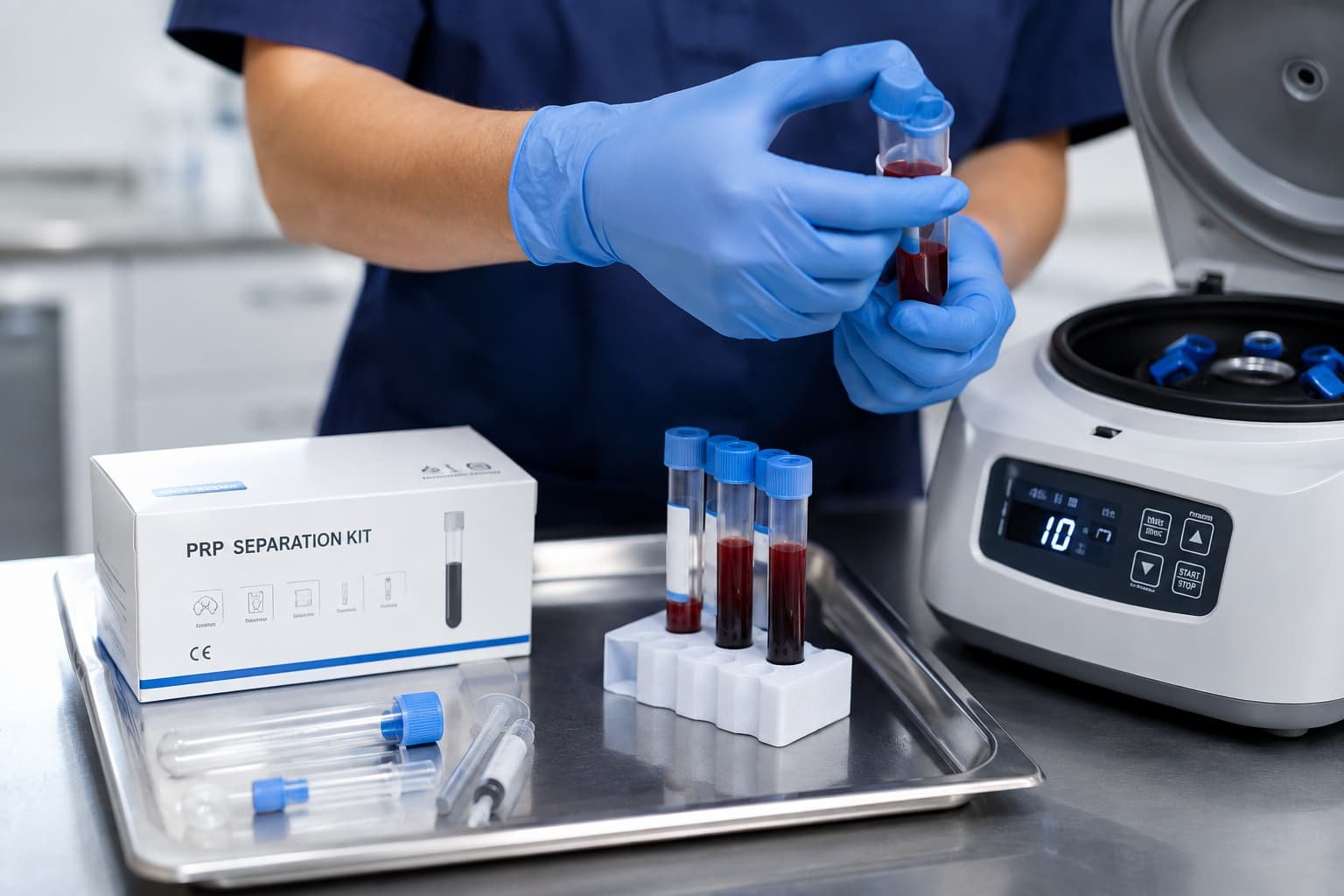
The practitioner draws a small blood sample from the arm, similar to a routine blood test. A centrifuge then separates platelet-rich plasma from the remaining blood components. Centrifugation usually runs for 8 to 15 minutes, depending on the equipment and spin protocol used at the clinic.
Numbing Phase
Topical anaesthetic cream or a local nerve block reduces discomfort during injection. Numbing cream needs roughly 15 to 20 minutes to take full effect before the practitioner proceeds to the next stage.
Injection Phase
The practitioner injects the prepared PRP into targeted areas of the penis using a fine needle. Patients often refer to this stage informally as the “p injection” phase. This part of the visit generally lasts 5 to 10 minutes.
Aftercare Discussion
The practitioner explains aftercare instructions, expected sensations, and follow-up scheduling. This final stage typically takes 5 to 10 minutes and closes out the P-shot appointment.
Total Duration of a P-Shot Appointment
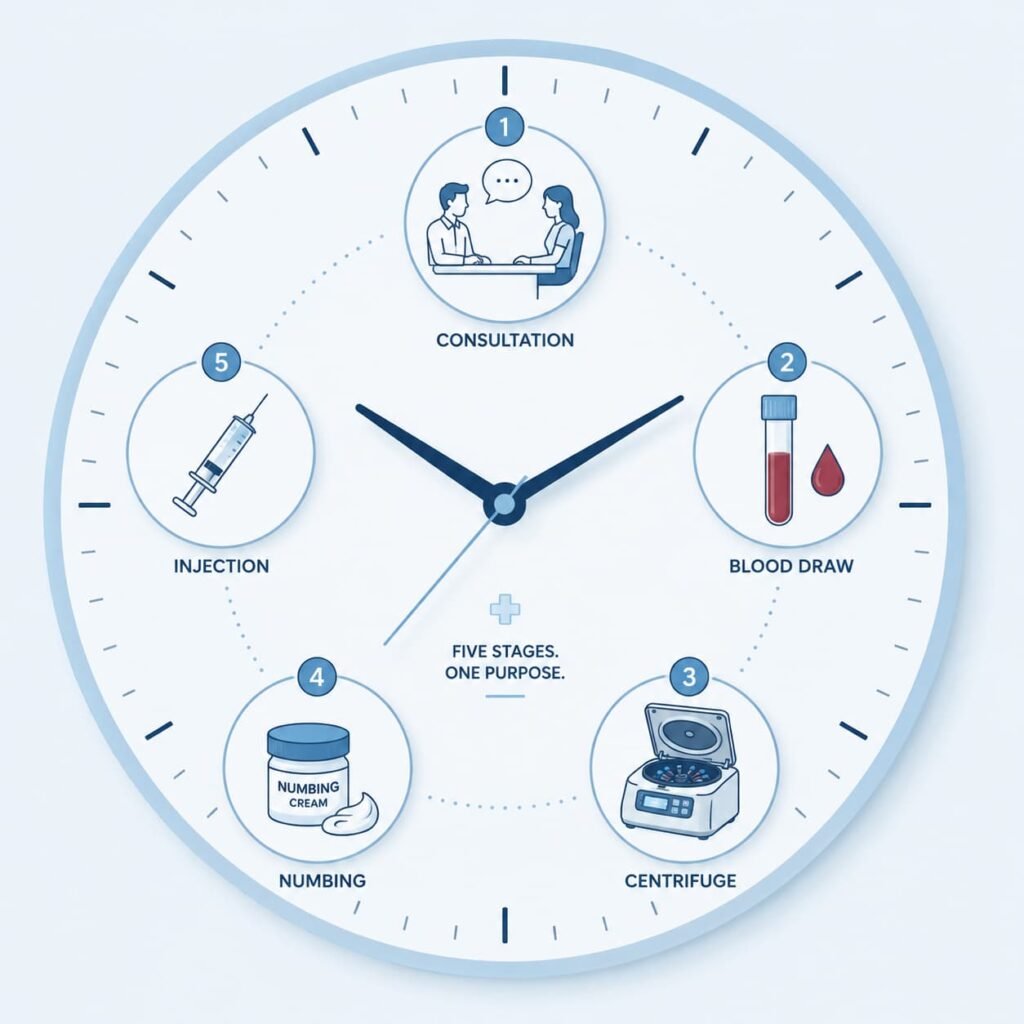
Combining every stage, the full visit usually lasts between 45 and 90 minutes. First-time patients should expect the longer end of this range, due to consultation and consent requirements. Returning patients booked for a repeat P shot London session often complete treatment closer to 45 minutes.
Most clinics recommend allowing a full hour for the visit, even when the clinical steps run faster than expected. This buffer accounts for administrative paperwork, photography for before-and-after records, and any questions raised during the visit.
Factors That Influence P-Shot Appointment Length
Several variables affect how long the treatment session takes in practice.
First-Time Versus Follow-Up Visits
Initial appointments require full medical screening, informed consent, and baseline photography. Follow-up visits move faster, since the practitioner already holds relevant patient information on file.
Practitioner Experience and Technique
Experienced clinicians complete the injection phase efficiently while maintaining precision and patient comfort throughout. Training and case volume influence how smoothly each stage of the p injection process proceeds.
Combination Treatments
Some patients combine the Priapus shot with adjunct therapies, such as shockwave treatment. Combination protocols extend total appointment time, sometimes to 90 minutes or beyond the standard slot.
Centrifuge Technology
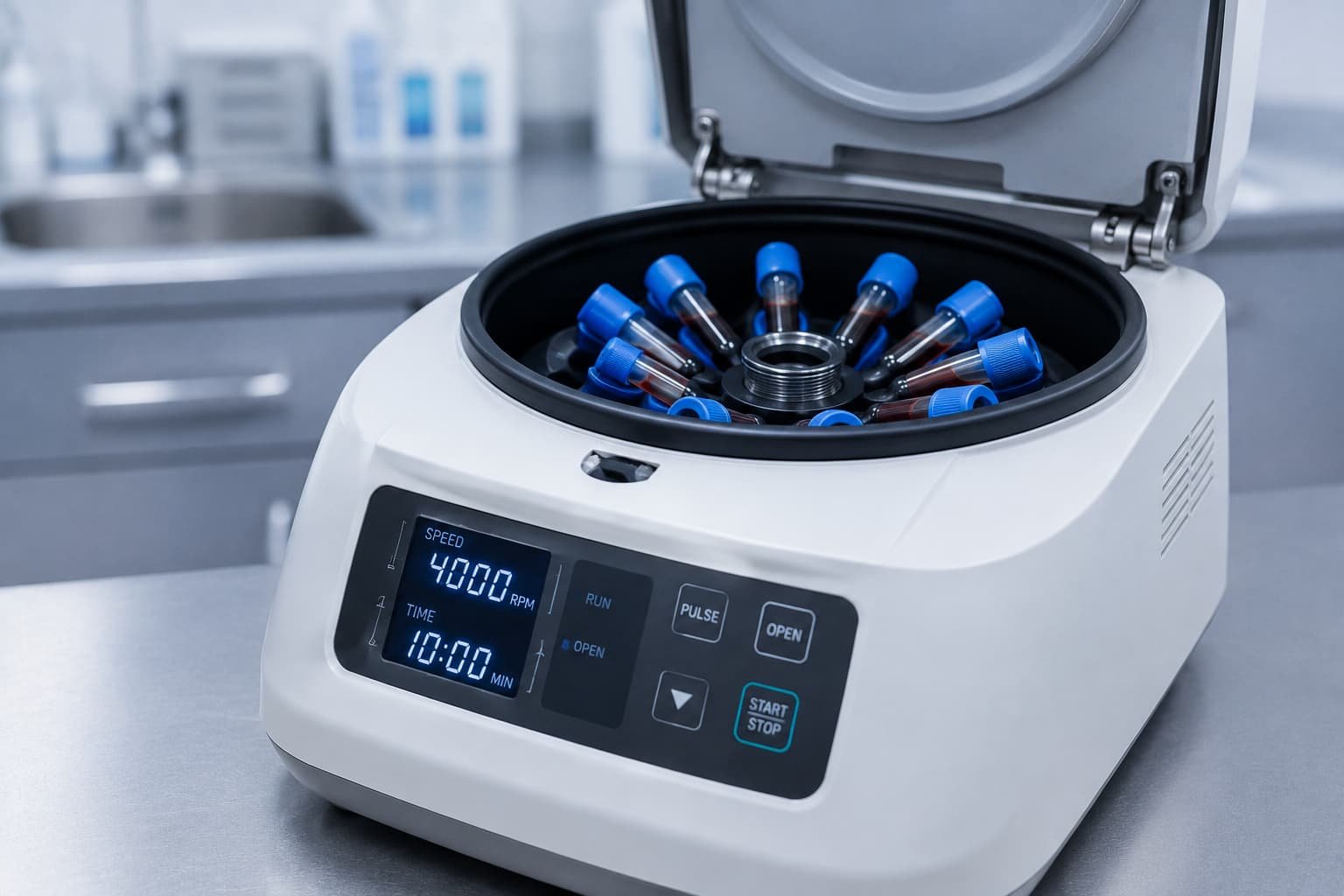
Clinics using dual-spin centrifugation systems may add processing time to improve platelet concentration. This additional step directly affects overall appointment duration and should factor into scheduling expectations.
Individual Anatomy and Anxiety Levels
Needle anxiety can extend the numbing and injection stages, since practitioners work at a pace that keeps the patient comfortable. Building in extra time for a calmer, unhurried visit supports both safety and patient experience.
Comparing Appointment Times Across ED Treatment Options
Men weighing several treatment routes often compare visit length alongside evidence and cost. A standard oral medication consultation with a GP or private clinician typically takes 10 to 20 minutes, since no procedural steps follow the discussion. Shockwave therapy sessions usually run 20 to 30 minutes per visit but require a course of several appointments across weeks. Vacuum erection device fitting and instruction generally takes 20 to 30 minutes on a single occasion. Set against these options, the P-shot treatment sits in the middle of the time spectrum, reflecting its procedural, injection-based nature.
What Happens After the P-Shot Appointment?
Immediate Recovery
Most patients resume normal daily activity within hours of treatment. Mild swelling, bruising, or tenderness may develop at the injection site. Minor bruising after a fine-needle procedure is a recognised and generally self-limiting reaction, consistent with NHS guidance on injectable treatments generally.
Activity Restrictions
Clinics commonly advise avoiding sexual activity and strenuous exercise for a short period after injection. Specific timeframes vary between providers, so patients should confirm exact guidance during the aftercare discussion.
Follow-Up Scheduling
Clinics typically schedule a follow-up review several weeks after treatment. This appointment assesses response and determines whether additional sessions suit the individual. No fixed treatment number applies universally, and current NICE guidance does not specify a standard PRP protocol for penile conditions.
P-Shot Before and After: Realistic Expectations
Marketing materials frequently reference P-shot before and after photographs to illustrate outcomes. Photographic comparisons carry inherent limitations, since lighting, positioning, and arousal state all affect appearance significantly. Peer-reviewed literature addressing penile injection growth remains limited in scale and quality. Published reviews in regenerative medicine journals note that PRP-based approaches to erectile dysfunction require further controlled trials before firm conclusions on efficacy become possible.
Claims of substantial penile injection growth currently lack support from robust randomised controlled trial data. Patients should treat such claims with appropriate caution and raise the question directly during consultation, rather than relying on promotional imagery. A responsible P shot UK provider presents before and after material as illustrative, not guaranteed, outcomes.
Priapus Shot Price and Appointment Value in the UK
Priapus Shot Price Ranges
Priapus shot price in London typically ranges from £900 to £1,500 per session, depending on clinic protocol and centrifuge technology used. This positions treatment within the broader landscape of male enlargement injections cost UK comparisons, alongside other regenerative aesthetic procedures offered privately across the country.
What the Fee Covers
A Priapus shot London fee generally includes the consultation, blood draw, PRP preparation, numbing, injection, and a follow-up review appointment. Reputable clinics provide a written cost breakdown before treatment begins, consistent with standard consumer protection expectations for private healthcare in the UK.
Why Prices Vary Between Clinics
Centrifuge technology, practitioner qualification, and included aftercare all influence Priapus shot price. Clinics using validated dual-spin systems and doctor-led injection technique often charge more than lower-cost alternatives, reflecting the additional clinical governance involved.
Assessing Value Beyond the Headline Price
A lower quoted fee does not automatically represent better value. Patients should confirm whether the price includes the follow-up review appointment, or whether this incurs a separate charge. Checking practitioner qualifications against GMC or equivalent registers remains a sensible step before comparing male enlargement injections cost UK quotes across multiple clinics.
Non-Surgical Treatment for Erectile Dysfunction in London: Where the P-Shot Fits
Men searching for a non-surgical treatment for erectile dysfunction in London frequently encounter the P-shot alongside oral medication, vacuum erection devices, and shockwave therapy. NHS guidance identifies oral phosphodiesterase type 5 inhibitors as first-line treatment for most cases of erectile dysfunction. Natural ED treatment using PRP therapy remains an emerging option rather than a first-line recommended pathway within current UK clinical guidance.
Current NICE Clinical Knowledge Summaries on erectile dysfunction do not list PRP injections among standard recommended interventions. Patients considering an erectile dysfunction treatment London option involving PRP should discuss this evidence position directly with the treating clinician before booking treatment.
Pshots Clinic, a Harley Street practice led by Dr Syed Nadeem Abbas, structures each P-shot appointment around this consultation-led model, giving patients a documented explanation of current evidence before any injection takes place.
Safety Considerations During a P-Shot Appointment
PRP-based regenerative therapy for ED carries a generally favourable safety profile, since the injected material originates from the patient’s own blood. This autologous origin reduces the risk of allergic reaction or disease transmission compared with donor-derived products. Reported side effects include bruising, temporary swelling, and localised discomfort at the injection site. Serious complications remain rare but can include infection if aseptic technique falls short during preparation or injection.
Patients on blood-thinning medication or with an active infection require careful medical assessment before scheduling treatment. Full disclosure of health history during consultation reduces this risk considerably and shapes a safer, better-planned treatment session.
Who Should Avoid Treatment
Men with active penile infection, untreated bleeding disorders, or platelet dysfunction should avoid the procedure until the underlying issue resolves. Pregnancy does not apply to this treatment, but partners trying to conceive should raise timing questions during consultation. A qualified clinician makes the final suitability decision after reviewing full medical history.
Frequently Asked Questions
How long does a P-shot appointment take?
The standard visit takes between 45 and 90 minutes, covering consultation, blood draw, PRP preparation, numbing, and injection.
Is the P-shot painful?
Topical anaesthetic and local numbing reduce discomfort significantly. Most patients report pressure rather than sharp pain during the p injection phase.
What is the Priapus shot price in the UK?
Priapus shot price typically ranges from £900 to £1,500 per session in London clinics, though costs vary by provider and centrifuge technology used.
How many P-shot appointments does treatment require?
No fixed number applies to every patient. Some clinics recommend a single annual session; others suggest a short course guided by individual response.
Does the P-shot increase penis size permanently?
Current evidence does not confirm permanent size increase from PRP injections. Claims regarding penile injection growth require further peer-reviewed research before firm conclusions apply.
Is the P-shot available through the NHS?
The P-shot is not currently available through NHS erectile dysfunction pathways and remains a private clinic treatment only.
Can driving happen straight after a P-shot appointment?
Local anaesthetic rather than sedation is standard, so most patients can drive home after treatment. Confirming this directly with the clinic remains sensible practice.
Key takeaways
Booking a P-shot appointment requires realistic time planning and, more importantly, realistic expectations about outcomes. The procedure itself takes under two hours in most cases, but the decision to proceed deserves considerably more consideration than the appointment length suggests. Evidence supporting PRP-based regenerative therapy for ED continues to develop, and current NHS and NICE guidance still positions oral treatments as first-line care for erectile dysfunction. Men considering a P shot UK provider should request a transparent breakdown of appointment structure, pricing, and evidence limitations before committing to treatment.
Given the current gap between promotional claims and peer-reviewed data, what standard of clinical evidence should patients reasonably expect before choosing a regenerative treatment for sexual health?
Read more: How to Find the Best P-Shot Clinic in the UK: 8 Questions to Ask