
Search interest in the P shot has grown steadily across UK aesthetic and men’s health clinics over recent years. Queries for “P shot London” and “priapus shot London” continue to rise as men look beyond oral tablets for erectile difficulties. Some search platforms record rising volume for related terms such as “penis shot” and “P shot UK“, reflecting broader curiosity about injectable sexual health treatments. Marketing pages often show dramatic P-shot before and after photographs, yet safety rarely receives the same attention as the imagery. This article sets aside promotional claims and asks a direct clinical question: does current evidence support the P-shot as a safe procedure? The answer draws on peer-reviewed research, UK regulatory standards, and recognised urological guidance rather than testimonials. Men considering a P injection deserve a balanced account of the science, the risks, and the realistic limits of PRP-based regenerative therapy for ED.
Clinical interest in regenerative sexual health treatment has expanded across private practice in the United Kingdom, driven partly by growing dissatisfaction with oral medication among some patients. A treatment once confined to niche American clinics now appears on the treatment menus of numerous London providers. This shift raises a fair and necessary question for any UK-based patient: has the clinical evidence kept pace with the marketing? The sections below examine mechanism, safety data, realistic outcomes, and regulatory context in turn, without recourse to persuasive or promotional language.
What Is the P-Shot?
The P-shot, also known as the Priapus shot, refers to a penile injection technique using platelet-rich plasma. A clinician draws a small blood sample from the patient, then processes it in a centrifuge to concentrate the platelets. The resulting PRP contains growth factors, including platelet-derived growth factor, vascular endothelial growth factor, and transforming growth factor-beta. The clinician then injects this concentrate into specific areas of the penis, most commonly the corpus cavernosum and the glans. Online searches often shorten the term to “Pshot”, though the correct clinical description remains platelet-rich plasma injection therapy.
How the P Shot Treatment Works
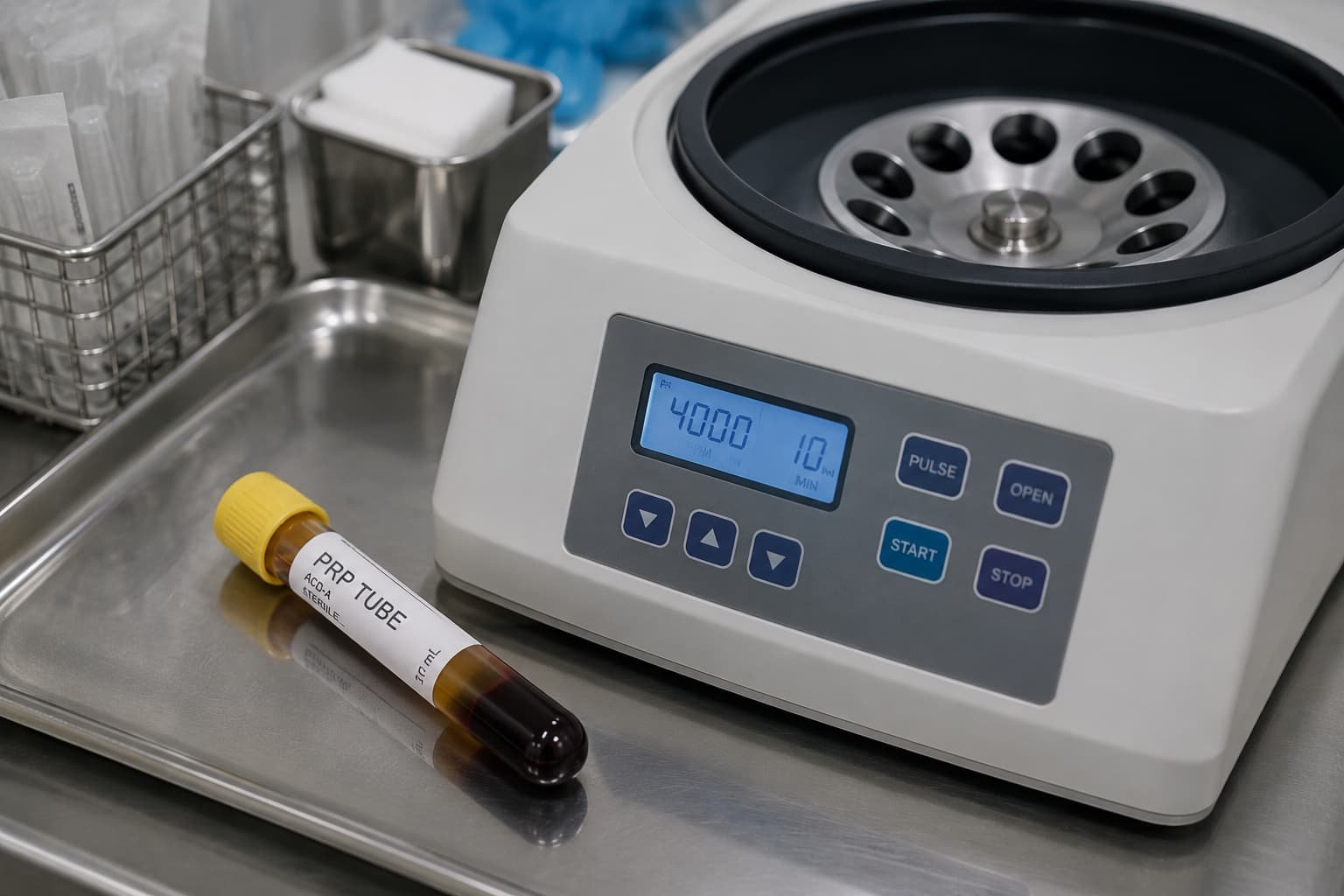
The P shot treatment relies on the regenerative properties of platelets rather than any pharmaceutical drug. Growth factors released from platelets aim to stimulate new blood vessel formation, a process known as angiogenesis. Some researchers propose that PRP also supports nerve tissue repair within penile tissue. This mechanism differs from oral ED medications, which act through the nitric oxide pathway to widen blood vessels. A typical P shot treatment session takes between 30 and 45 minutes and uses topical or local anaesthesia to limit discomfort.
Is the P-Shot Safe? Examining the Clinical Evidence
Safety data for the P-shot centres on autologous PRP, meaning the injected material originates from the patient’s own blood. This autologous origin lowers the risk of allergic reaction or disease transmission compared with donor-derived treatments. A 2024 systematic review of PRP therapy in andrology examined 17 studies covering more than 1,000 patients treated for erectile dysfunction or Peyronie’s disease. The review found small to moderate functional benefits alongside mild, transient side effects, and it recorded no major adverse events across the pooled patient group.
A separate meta-analysis of randomised controlled trials reached a more cautious conclusion. Researchers noted an encouraging safety profile but found the evidence base too limited in size and methodology to confirm consistent efficacy. This distinction matters for anyone researching the P shot: current studies broadly support the procedure’s safety, while questions about the strength of its effectiveness remain open.
A further pooled analysis, combining twelve controlled trials and eleven single-arm studies across almost 1,400 patients, reported measurable improvement in erectile function scores among men receiving PRP compared with control groups. The same analysis noted considerable variation between individual studies in PRP preparation method, injection protocol, and follow-up duration. Variation of this kind makes broad claims about the P-shot difficult to defend, even where individual trial results appear positive. A cautious clinician reads pooled results as a signal for further investigation rather than as definitive proof of benefit.
What the Research Shows
Clinical trial data on the P injection remains an active area of study. A prospective, randomised, double-blind, placebo-controlled trial involving men with mild to moderate erectile dysfunction concluded that two PRP injections spaced one month apart carried an acceptable safety profile. Larger and more standardised trials are still needed before firm conclusions about long-term outcomes can be drawn. Neither the European Association of Urology nor the American Urological Association currently lists PRP injection therapy as a first-line or routinely recommended ED treatment; both bodies describe the approach as experimental pending further trial data.
Reported Side Effects and Risk Profile
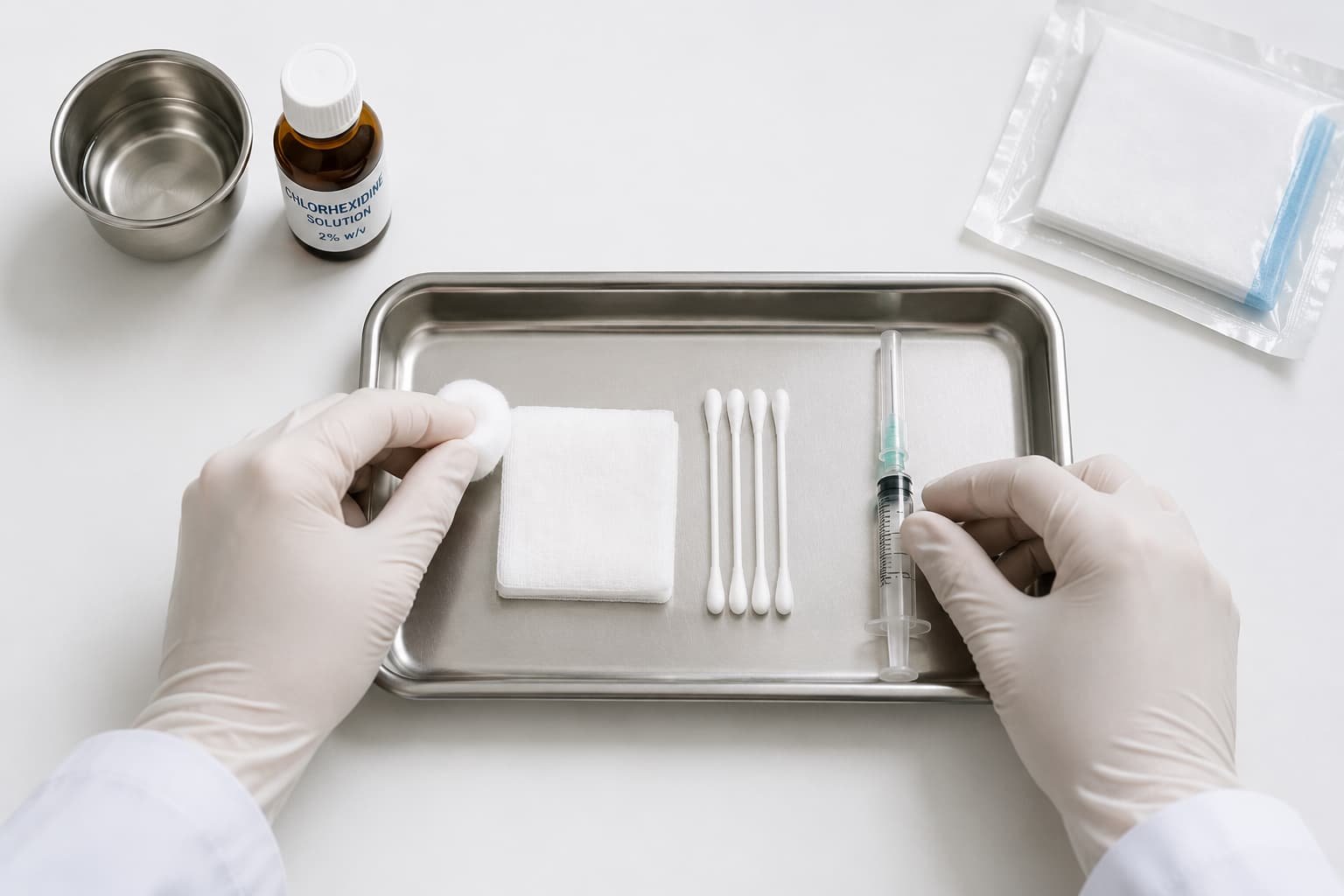
Documented side effects from the P-shot tend to be localised and short-lived. Reported effects include:
- Temporary bruising or swelling may occur at the injection site.
- Some men experience mild discomfort during the procedure and for a short time afterwards.
- Although uncommon, there is a small risk of infection at the injection point.
- In rare cases, temporary changes in penile sensation have been reported.
Serious complications appear infrequently in published case series, largely because the procedure uses the patient’s own blood rather than a synthetic filler or donor tissue. A qualified practitioner remains the single most important safety factor, since correct injection technique, sterile procedure, and accurate anatomical knowledge reduce the likelihood of complications. Men should always confirm that a treating clinician holds relevant medical qualifications and follows recognised UK clinical governance standards.
A Non-Surgical Treatment for Erectile Dysfunction in London
The P-shot sits within a broader category of non-surgical treatment for erectile dysfunction in London clinics, alongside shockwave therapy and oral medication. Unlike penile implant surgery, the procedure requires no incision, no general anaesthetic, and no extended recovery period. Most patients resume normal activity within a day. This non-surgical profile explains much of the current demand for erectile dysfunction treatment London clinics now offer, though a lower-risk procedure does not automatically mean a proven one.
Natural ED Treatment Using PRP Therapy
Clinics frequently describe the P-shot as a natural ED treatment using PRP therapy, since the injected material derives entirely from the patient’s own bloodstream. This autologous approach avoids the synthetic compounds found in some injectable treatments. NICE guidance on erectile dysfunction management continues to prioritise lifestyle modification, cardiovascular risk assessment, and licensed oral medication as first-line care. PRP-based regenerative therapy for ED currently sits outside NICE’s standard treatment pathway and should be viewed as a complementary or second-line option rather than a replacement for established care.
Priapus Shot Price and What Influences Cost
The Priapus shot price varies across UK clinics depending on practitioner experience, PRP preparation method, and the number of sessions included in a treatment plan. Male enlargement injections cost UK providers charge typically reflects consultation time, blood processing equipment, and aftercare provision rather than the injection alone. Patients researching the priapus shot price should request a written breakdown of what a quoted fee includes, such as follow-up appointments or repeat sessions. Clinics that publish costs transparently, without pressure tactics or time-limited offers, generally reflect better clinical governance.
P-Shot Before and After: Realistic Expectations

P-shot before and after images circulate widely on clinic websites and social media, though photographic evidence carries clear limitations. Lighting, angle, and state of arousal all influence how “before and after” comparisons appear, regardless of any underlying physiological change. Peer-reviewed studies measure outcomes using validated tools such as the International Index of Erectile Function score, not photographs. Patients should treat P shot before and after imagery as illustrative rather than as clinical proof of penile injection growth. Genuine physiological change, where it occurs, tends to be modest and gradual rather than dramatic.
Who Should Consider the P Shot Treatment
A qualified clinician typically considers the P shot treatment for men with mild to moderate erectile dysfunction, particularly those who have not achieved adequate results from oral medication alone. Some men pursue the treatment following pelvic surgery or as part of a broader regenerative approach to sexual health. A thorough medical history and physical examination should always precede treatment, since erectile dysfunction frequently signals an underlying cardiovascular or metabolic condition requiring separate assessment.
Who Should Avoid the Procedure
Certain groups face higher risk from PRP-based injection therapy and should avoid the procedure. This includes men with active infection at the injection site, untreated bleeding disorders, or platelet dysfunction. Men taking blood-thinning medication require specialist review before proceeding, since anticoagulants raise the risk of bruising and bleeding. Men with a known blood-clotting disorder, active malignancy, or an unresolved penile deformity should discuss alternative options with a specialist before considering a P injection. A responsible clinic screens for these factors during consultation rather than proceeding directly to treatment.
A thorough pre-treatment consultation should also address expectations directly. Erectile dysfunction frequently coexists with anxiety, relationship strain, or low confidence, and a single injectable treatment cannot resolve every contributing factor. A clinician who promises guaranteed results without first reviewing medical history is not practising evidence-based medicine. Patients benefit from asking direct questions about training, PRP preparation method, and expected outcome ranges before agreeing to proceed with any P shot treatment.
How the P-Shot Compares with Other ED Treatments
Oral medications such as PDE5 inhibitors remain the most extensively studied ED treatment, supported by decades of randomised trial data and NICE-recognised prescribing guidance. Shockwave therapy, another non-surgical option, has a growing evidence base specifically for vasculogenic erectile dysfunction. The P-shot occupies an earlier stage of the evidence pathway compared with these established options. Choosing between treatments should follow a clinical consultation, not a marketing comparison chart, since suitability depends on the underlying cause of erectile dysfunction, current medication, and overall vascular health.
Regulatory Standing of the Priapus Shot in the UK

The Priapus shot London clinics offer falls under general medical practice regulation rather than a specific licensed medicine pathway, since PRP preparation uses a patient’s own blood rather than a manufactured drug. The Human Tissue Authority and the Care Quality Commission set standards relevant to blood handling and clinical premises. The General Medical Council additionally holds individual practitioners accountable for maintaining accurate records, gaining informed consent, and practising within the limits of their training. Prospective patients should verify that a clinic operates within appropriate regulatory frameworks and that injecting practitioners hold recognised medical qualifications. Pshots clinic UK, a Harley Street clinic led by Dr Syed Nadeem Abbas, is one example of a UK provider offering PRP-based penile injection treatment within a regulated medical setting.
Regulatory oversight in this field continues to develop as demand for PRP-based sexual health treatment grows. Patients hold a right to ask any UK clinic for evidence of practitioner qualifications, indemnity insurance, and CQC registration before booking a P shot treatment. A transparent clinic answers these questions directly rather than deflecting toward marketing material or discount pricing.
Frequently Asked Questions
Is the P-shot painful?
Most clinics apply topical or local anaesthesia before injection, which limits discomfort. Mild soreness can follow for a day or two.
How long do P-shot results last?
Published follow-up data remains limited, though some studies report benefits persisting for several months. Long-term durability requires further research.
Is the P injection suitable for severe erectile dysfunction?
Current evidence supports use mainly in mild to moderate cases. Severe erectile dysfunction usually requires broader medical assessment and alternative treatment.
Does the NHS offer the P-shot?
The procedure sits outside standard NHS erectile dysfunction pathways and is generally available through private clinics only.
How many sessions does P-shot treatment usually involve?
Treatment plans vary, though many protocols involve an initial session followed by a review appointment to assess response.
Can the P-shot be combined with other ED treatments?
Some clinicians combine PRP injection with shockwave therapy or oral medication. Combination approaches require individual assessment and lack large-scale trial data.
What should a consultation before a P-shot treatment include?
A thorough consultation should review medical history, medications, cardiovascular risk factors, and realistic expectations before the P-Shot procedure.
Key Takeaway
Current evidence suggests the P-Shot is generally safe in the short term because it uses the patient’s own blood. Efficacy evidence remains less settled, with researchers consistently calling for larger, better-controlled trials before firm conclusions can be drawn. Safety and benefits are not the same question, and current data answers the first more convincingly than the second. Men considering the P-Shot should consult a qualified clinician and rely on realistic, evidence-based expectations rather than marketing claims. Further high-quality, long-term research is needed before the P-Shot becomes an established, guideline-supported treatment.
Read more:
How to Prepare for a P-Shot: Full Pre-Treatment Checklist
How Many P-Shot Sessions Do You Need? One vs a Series of Treatments


