
A single injection rarely tells the full story of any regenerative treatment. The real measure of success often emerges weeks after the needle leaves the skin. For men considering platelet-rich plasma therapy for sexual health, understanding the structured review process matters as much as understanding the procedure itself. Scheduled reviews form the backbone of safe, monitored, and medically accountable care after a P shot treatment. These reviews track healing, measure progress, and flag complications early. This article sets out, in clear and factual terms, what patients can expect from P Shot follow-up appointments, why these visits matter clinically, and how the schedule fits into a realistic treatment timeline.
What Is the P Shot Treatment?
The P Shot, also called the Priapus Shot, uses platelet-rich plasma (PRP) drawn from a patient’s own blood. Clinicians process the blood in a centrifuge to concentrate growth factors. Practitioners then inject this concentrate into specific areas of the penis using a fine needle. The stated aim is to support tissue repair, stimulate blood vessel growth, and improve sensitivity.
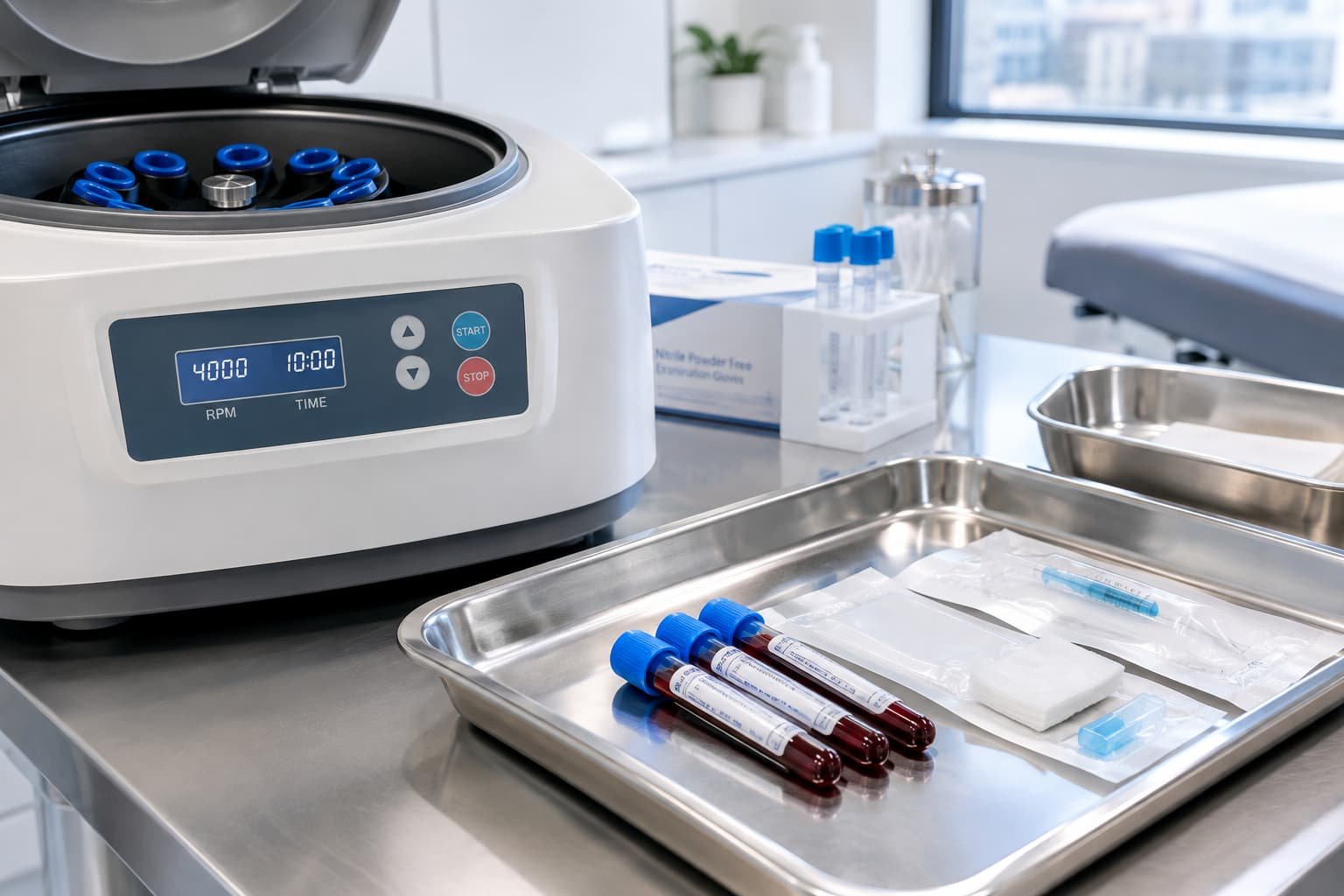
P shot treatment sits within a wider category of non-surgical treatment for erectile dysfunction in London. It differs from oral medication because it targets tissue directly rather than working through the vascular system alone. It differs from surgery because it involves no incisions and requires no general anaesthetic. Recovery time is generally short, though individual experience varies.
None of this removes the need for structured monitoring afterwards. Every PRP-based intervention carries individual variation in response. This variation is precisely why P Shot follow-up appointments exist as a defined part of the treatment pathway, not an optional extra.
Why P Shot Follow-Up Appointments Matter
Follow-up care serves several clinical functions. Clinicians check for swelling, bruising, or unusual sensation. Clinicians assess whether early tissue response matches expected healing patterns. Clinicians also use these appointments to document changes for accurate before-and-after comparison.
The National Institute for Health and Care Excellence (NICE) has reviewed platelet-rich plasma injections for erectile dysfunction and noted that current evidence on long-term efficacy remains limited. NICE guidance recommends that clinicians offering this treatment maintain careful patient selection, clear consent processes, and structured outcome recording. Regular follow-up visits directly support this recommendation. These reviews create a documented record rather than relying on memory or assumption.
The NHS also advises that men experiencing persistent erectile difficulties should discuss symptoms with a GP before pursuing private treatment, since some underlying causes require separate medical investigation. Follow-up appointments give clinicians a chance to revisit this history if new symptoms appear during recovery.
Preparing for a Follow-Up Appointment
Preparation improves the value of each review. Patients benefit from keeping brief notes on symptoms, sensation changes, and timing of any improvement. Photographs taken under consistent lighting and angle, where appropriate, support objective comparison during a P shot before and after assessment.
A short list of questions helps structure the conversation:
- Has healing progressed within the expected timeframe?
- Are current symptoms normal for this stage of recovery?
- Does the current pattern suggest a need for a further growth p injection?
- Are there lifestyle changes that might support better results?
Bringing these points to a P Shot follow-up appointment allows clinicians to give focused, relevant guidance rather than generic advice.
The First Follow-Up Appointment: Timing and Purpose
Most clinics schedule the first review within one to two weeks of the initial injection. This early appointment focuses on immediate recovery rather than long-term results, since tissue regeneration takes considerably longer to become measurable.
What Happens During the First Review
Clinicians examine the injection site for signs of infection, excessive bruising, or lumps. Patients answer questions about pain levels, sensation changes, and any effect on urination. Patients also describe the first days after treatment, including when normal daily activity resumed.
This early check exists to catch problems before escalation, not to judge final results. Drawing conclusions about outcomes at this stage would be premature and clinically inaccurate. The first review instead confirms that healing is progressing as expected.
Monitoring Recovery After Penile Injection Therapy

Recovery after any penile injection follows a broadly predictable pattern, though individual timelines vary. Mild swelling and tenderness commonly appear within the first 48 hours. Bruising can last up to two weeks in some patients.
Common Physical Changes to Expect
- Localised swelling that reduces gradually over several days
- Mild bruising around the injection site
- Temporary tenderness during erections
- Gradual changes in sensitivity over subsequent weeks
Clinicians use scheduled reviews to distinguish expected healing from complications requiring intervention. Distinguishing normal recovery from a genuine problem requires clinical judgement, not guesswork.
When to Contact the Clinic
Patients should contact the clinic promptly if increasing pain, spreading redness, fever, or discharge develops. These signs fall outside expected recovery and require assessment sooner than the next scheduled visit. Clinics typically provide direct contact details for this purpose at the time of treatment.
Follow-Up Schedule for P Shot London Patients
Clinics offering P shot London treatment generally structure reviews around known tissue-repair timelines. While exact protocols vary between providers, a typical schedule includes several defined checkpoints.
Short-Term Reviews (Week One to Four)
The initial phase focuses on wound healing and comfort. Clinicians confirm that swelling has resolved and that sensation is returning to baseline. This period also allows discussion of any anxiety or unexpected symptoms arising after treatment.
Medium-Term Reviews (Six to Twelve Weeks)
By this stage, growth factor activity has had time to influence tissue. Clinicians assess early functional changes, including erection quality and sensitivity. This window often provides the clearest early indication of whether treatment is progressing as intended. Results remain, however, still early relative to the fuller regenerative timeline some patients experience.
Ongoing P Shot follow-up appointments beyond twelve weeks are common for patients pursuing multiple sessions or monitoring longer-term change. Some clinics schedule a final review around the six-month mark to close out the initial treatment cycle.
Assessing Results: P Shot Before and After Evaluation

Clinics often use standardised photography and patient-reported outcome questionnaires, such as validated erectile function scoring tools, to build a P- shot before and after record. This method reduces reliance on subjective memory, which can be unreliable when comparing gradual change over several months.
Peer-reviewed literature on PRP for sexual dysfunction remains an evolving field. Several small studies report improvements in erectile function scores, while researchers consistently call for larger, controlled trials with longer follow-up periods. Clinics committed to evidence-based practice communicate this uncertainty rather than overstating outcomes. Structured reviews provide the data that allows honest, individualised conversations about progress.
Photographic and questionnaire-based assessment during these appointments also protects against a common source of bias: patients naturally focus on desired change and may overlook plateau periods or minor setbacks. A clinician reviewing objective records offers a more balanced picture than memory alone can provide.
Repeat Sessions and Additional Growth P Injection Considerations
Not every patient requires a single session. Some men, particularly those with more significant baseline dysfunction, benefit from a second growth p injection several months after the first. Decisions about repeat treatment rely heavily on findings from P Shot follow-up appointments rather than a fixed protocol applied to every patient.
Clinicians weigh several factors before recommending a further session:
- Degree of improvement recorded so far
- Time elapsed since the previous injection
- Patient goals and realistic expectations
- Any recurring or unresolved symptoms
Repeat treatment decisions should always follow clinical assessment, never a preset sales target. This approach keeps care proportionate to genuine need rather than driven by routine upselling.
Lifestyle Factors That Influence Follow-Up Outcomes
Several modifiable factors affect how tissue responds between appointments. Smoking reduces blood flow and can slow regeneration. Poorly controlled diabetes and cardiovascular disease also influence healing capacity, since both conditions affect small blood vessels relevant to erectile function.
Clinicians typically raise these factors during a P Shot follow-up appointment if recovery appears slower than expected. Practical adjustments discussed may include:
- Reducing or stopping smoking
- Improving control of blood glucose levels
- Increasing regular physical activity
- Reviewing medications that affect circulation with a GP
Addressing these factors does not replace clinical treatment, but it can support the biological processes that PRP therapy aims to stimulate.
Realistic Outcomes and Limitations
Regenerative treatments for sexual health do not guarantee specific results. Response varies according to age, underlying vascular health, smoking status, and other medical conditions. Some patients notice modest improvement. Others notice more pronounced change. A minority report limited benefit despite completing the full follow-up schedule.
Setting realistic expectations from the outset reduces disappointment and supports informed consent. NICE guidance specifically flags the need for clear patient information given the current evidence base. Clinics should explain, before treatment begins, that PRP therapy is not currently supported by the same volume of large-scale trial data as established ED treatments such as PDE5 inhibitors.
Follow-up appointments give patients a structured opportunity to voice concerns if results fall short of expectations. Clinicians can then discuss alternative or complementary options, including standard NHS-recognised treatments where appropriate.
Cost Considerations: Priapus Shot Price and Follow-Up Care
Priapus shot price varies between P shot UK clinics and often depends on the number of sessions included, the technology used to process plasma, and whether follow-up appointments form part of the package. Patients should clarify, before committing to treatment, how many review appointments the price covers and what additional reviews might cost.
Transparent pricing that includes defined follow-up care reflects better clinical governance. A price that covers only the injection, with no built-in review structure, may leave gaps in monitoring at the precise stage when close review matters most.
Non-Surgical Treatment for Erectile Dysfunction in London: Where Follow-Up Fits In

London hosts a growing number of clinics offering non-surgical treatment for erectile dysfunction, ranging from shockwave therapy to PRP-based injections such as the Priapus shot London. Across these options, structured aftercare consistently distinguishes higher-standard providers from less rigorous ones.
Harley Street clinic pshots clinic uk, led by Dr Syed Nadeem Abbas, operates as one private provider within London’s regenerative men’s health sector. Regardless of which clinic a patient selects, the presence of clearly defined P Shot follow-up appointments should factor into that choice. Follow-up structure indicates whether a provider prioritises monitored, accountable care over a single transactional visit.
Who Conducts P Shot Follow-Up Appointments
Clinical governance depends on continuity of care. Ideally, the same practitioner who performed the initial injection also conducts subsequent reviews, since this practitioner already holds a baseline understanding of anatomy and initial response. Where a different clinician conducts a review, thorough case notes and photographic records become even more important.
Regulatory bodies in the UK expect private clinics offering injectable procedures to maintain clear clinical records, informed consent documentation, and a defined complications pathway. A clinic without a transparent follow-up structure raises a legitimate question about its wider clinical governance. Patients researching P shot London providers can reasonably ask how many reviews a package includes and which clinician performs each one.
Documentation and Ongoing Clinical Records
Every P Shot follow-up appointment should generate a written record. This record typically includes examination findings, patient-reported symptoms, any photographs taken with consent, and a plan for the next review. Good documentation protects patients by creating an accurate account of recovery, and it protects clinics by demonstrating that care followed a considered, evidence-led process.
Consistent record-keeping also supports continuity if a patient later switches clinics or seeks a second opinion. A complete history of appointments, symptoms, and outcomes gives any new clinician a clearer starting point than a single verbal summary could provide.
Data protection principles apply equally to intimate medical photography and written notes. Clinics should explain, before any image is taken, how records are stored, who can access the records, and how long retention lasts. Patients considering a P Shot follow-up appointment involving photographic comparison should feel able to ask these questions directly and receive a clear, specific answer rather than a vague reassurance.
Frequently Asked Questions
How many P Shot follow-up appointments should patients expect?
Most clinics schedule at least two reviews: one within the first two weeks and another between six and twelve weeks. Additional appointments depend on individual healing and whether repeat treatment is being considered.
Are follow-up appointments included in the treatment price?
This varies by clinic. Some providers include a set number of reviews within the initial Priapus shot price, while others charge separately. Confirming this detail before booking avoids confusion later.
What if no improvement appears by the first follow-up?
Early appointments assess healing, not final results. Tissue regeneration typically takes several weeks longer to become apparent, so limited change at the first review does not necessarily indicate treatment failure.
Can follow-up appointments be conducted remotely?
Some clinics offer a remote check-in for straightforward recoveries, particularly for patients travelling from outside London. In-person assessment remains preferable when physical examination is needed.
Can the P Shot be combined with other ED treatments during follow-up?
Some clinicians discuss combining PRP therapy with shockwave therapy or continuing existing PDE5 inhibitor use, depending on individual response noted during follow-up. Any combination should follow clinical advice rather than patient self-direction.
Is the P Shot suitable for everyone considering non-surgical ED treatment?
No single treatment suits every patient. Suitability depends on medical history, current medication, and the underlying cause of erectile dysfunction. A qualified clinician should assess this during initial consultation, before treatment or follow-up scheduling begins.
Key Takeaways
Structured aftercare separates responsible regenerative medicine from treatment offered without clinical oversight. P Shot follow-up appointments give patients and clinicians a shared, evidence-based way to track healing, measure realistic progress, and adjust plans where necessary. Anyone considering P shot treatment should ask, before booking, exactly what follow-up schedule accompanies the procedure, and what happens if that schedule reveals limited progress. Given the evidence gaps that NICE has acknowledged around PRP for erectile dysfunction, how much weight should follow-up data carry in deciding whether to pursue further sessions?
read more: P-Shot Aftercare: The Complete Pre and Post Treatment Guide
When Should You Book a P-Shot Booster? Signs It’s Time
Dr Syed Nadeem Abbas, MBBS, MRCSEd, MSc Aesthetic Plastic Surgery (Distinction) Medical Director, Pshot Clinic | CQC Regulated | Monday to Saturday 10:00–18:00 +44 7955 836986


