
Interest in regenerative treatments for male sexual health has grown steadily across the UK. The P-Shot Booster sits at the centre of that conversation. Men who completed an initial Priapus Shot treatment often ask a practical question. Does the effect last forever, or does the body eventually need a top-up? This article answers that question with evidence. It explains the biological reasoning behind booster timing. It also sets out specific signs that indicate a booster session may be worth discussing with a clinician. The aim stays factual rather than promotional. Informed decisions about any injectable treatment depend on realistic expectations, not marketing claims.
What Is a P-Shot Booster?
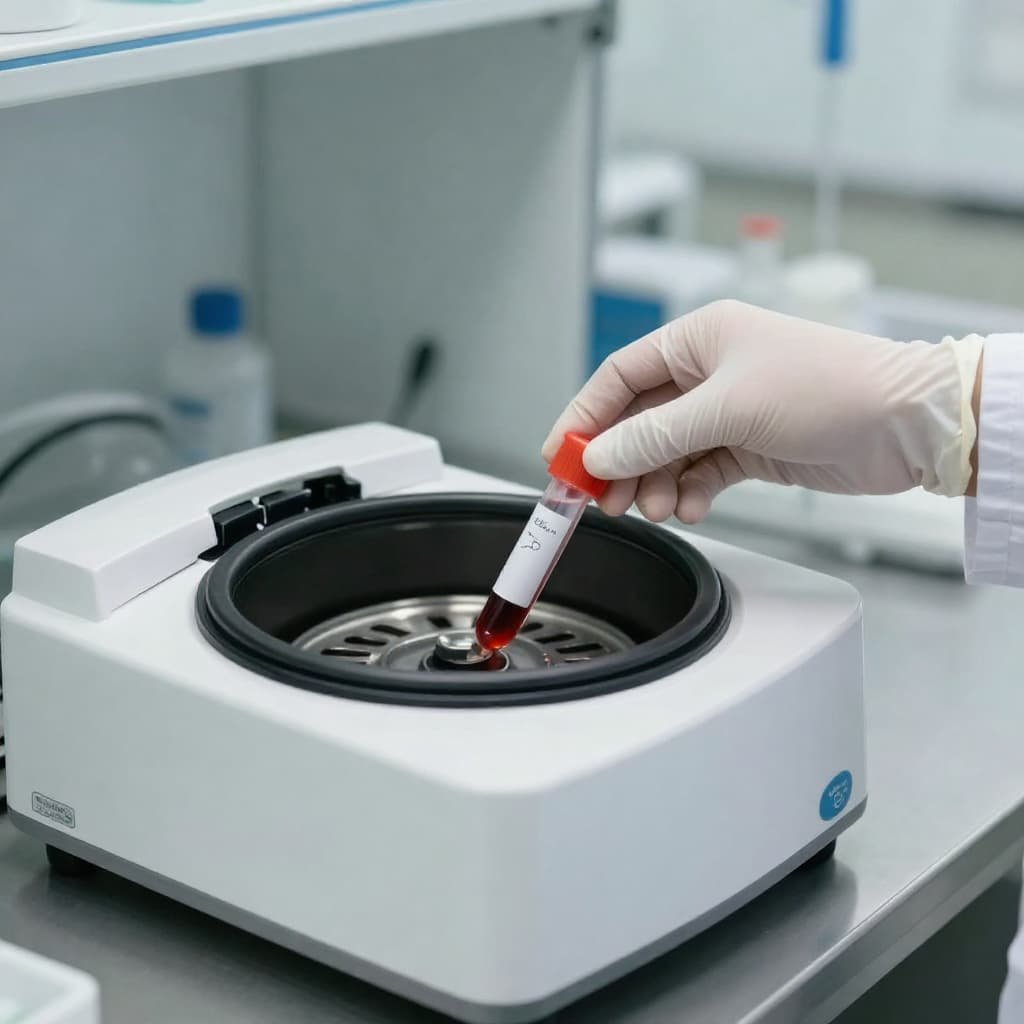
A P-Shot Booster is a repeat session of the Priapus Shot procedure. Clinics sometimes call it a penis shot informally. Clinicians give it after an initial course of treatment has run its course. The original P shot treatment uses platelet-rich plasma (PRP). PRP is a concentrate drawn from a person’s own blood. The clinician injects it into specific areas of the penis. Platelets contain growth factors that support tissue repair. These growth factors may also encourage new blood vessel formation, a process called angiogenesis. A booster follows the same clinical steps as the first session. The clinician draws blood, spins it in a centrifuge to separate the platelet-rich layer, and injects it into the shaft, glans, or base.
A booster is not a separate treatment. It continues the same regenerative process, timed to sustain results as natural biological turnover reduces platelet activity in the tissue. Clinics use the term “booster” to distinguish a follow-up appointment from a completely new patient’s first course. The clinical approach, aftercare, and expectations differ slightly between the two.
How the Original P-Shot Treatment Works
NHS and NICE guidance on erectile dysfunction (ED) outlines several recognised treatment pathways. These include oral PDE5 inhibitors, vacuum devices, and in some cases surgical options. PRP-based regenerative therapy for ED, including the P-Shot treatment, sits outside these standard NHS pathways. Clinics offer it privately. The rationale for the P shot rests on a specific theory. Growth factors within platelets may stimulate tissue regeneration, improve blood flow, and support nerve function in penile tissue.
The procedure itself takes under an hour in most private clinics. Many clinics offer P shot London appointments on this timescale. A clinician draws a small blood sample and processes it in a centrifuge to isolate the PRP. The clinician then applies a topical or local anaesthetic and delivers the injections. Recovery is quick. Most patients resume normal activity within a day, though mild bruising or swelling can occur.
It is worth stating clearly: clinical trial evidence for the P-Shot remains limited. Professional bodies note that researchers need more robust, controlled studies before drawing firm conclusions about effectiveness. Patients considering this booster option should weigh this evidence gap against personal goals. A qualified clinician can help discuss realistic outcomes before proceeding.
Why Booster Sessions Matter
Platelet-rich plasma does not create a permanent structural change. Growth factors act over a defined biological window. This window generally lasts several weeks to a few months. During this time, cell signalling encourages collagen remodelling and vascular support. Once that window closes, the tissue effect gradually fades. Other regenerative injectable treatments, used elsewhere in orthopaedic and dermatological medicine, show the same pattern. They also require repeat sessions for maintenance.
A booster session restarts this biological signalling. Repeat sessions do not simply repeat the same result. Timing, spacing, and individual healing response all affect the outcome. Clinics generally recommend an initial course of one to three sessions. Booster appointments then follow, spaced months or years apart. The right interval depends on individual response, age, and underlying health conditions. Diabetes and cardiovascular disease, for example, can affect healing.
Key Signs It Might Be Time for a P-Shot Booster
Recognising when a booster becomes appropriate depends on tracking specific, measurable signs. Vague dissatisfaction is not a reliable guide. Private clinics commonly discuss the following indicators, though individual response always varies.
Reduced Firmness or Sensation Returning to Baseline
Some men notice firmer erections or increased sensitivity after an initial P-Shot treatment. Over time, these benefits sometimes fade back toward the pre-treatment baseline. This fading is usually gradual, not sudden. A gradual return to baseline typically signals that the regenerative effect has run its natural course. It does not usually indicate treatment failure.
Fading Results From the First P-Shot Treatment
Documented case series and clinician-reported outcomes offer a general guide. Many place the effect duration of the original P shot injection between three and twelve months. This range still varies between individuals. Once initial improvements plateau or reverse toward the original baseline, a booster becomes a reasonable next step to discuss. Comparing current function against a personal baseline gives a clearer picture than comparing against general expectations. Record that baseline before the first session for the clearest comparison later.
A Defined Interval Has Passed Since the Last Session
Clinics typically advise a minimum interval of several months between P-Shot sessions. This interval allows full tissue response before repeating the injection. A calendar interval alone should not drive the decision. Booking a booster purely because time has passed, without any symptom change, is not evidence-based. The decision should rest on functional signs, not a fixed schedule.
Age-Related or Health-Related Changes
Natural ageing reduces baseline vascular function and platelet regenerative capacity. Some men received a first P shot treatment several years earlier. If broader changes in erectile function now appear, a fresh course may suit better than a single booster. Health conditions can also alter tissue response. High blood pressure, diabetes, or recent surgery all fall into this category. Raise any change in general health status with a clinician before booking a repeat session.
New or Changing Treatment Goals
Some men initially sought the P injection for mild ED support. Later, a different concern may take priority, such as Peyronie’s-related scar tissue or general sensitivity. A shift in treatment goals can justify scheduling a booster sooner than the standard interval. A fresh clinical assessment should still guide that decision.
What Happens During a Booster Session
A booster session follows broadly the same clinical protocol as the first course. The clinician takes a venous blood sample and spins it in a centrifuge to concentrate the platelets. A topical numbing agent or local anaesthetic block reduces discomfort. The clinician then injects the PRP into the shaft, glans, or base of the penis. The injection pattern adjusts according to the areas that showed the most reduction in effect.
Follow-up appointments let the clinician compare current function against notes from the original treatment. This comparison supports a more accurate assessment of whether the booster achieved its purpose. Most clinics recommend a follow-up review several weeks after a booster. This review records any change and helps the clinician plan any further sessions.
P-Shot Before and After: Realistic Expectations
Photographic or descriptive P-Shot before and after comparisons appear widely across the industry. These comparisons carry limitations that deserve direct explanation. Lighting, positioning, and natural variability in arousal state can all influence how a P shot before and after image appears. These factors operate independently of any real biological change. Genuine outcome data relies far more on functional measures than on visual comparison alone. Erection firmness scores and patient-reported symptom questionnaires offer more reliable evidence.
Claims describing dramatic penile injection growth after a single session lack support from controlled clinical evidence. Reputable clinics describe realistic outcomes differently. Some patients see modest improvements in firmness, sensitivity, or blood flow. Results vary considerably, and some patients see no measurable change at all. A booster session does not guarantee a different outcome for a first-time non-responder. Clinicians sometimes adjust the injection technique or platelet concentration between sessions, which may shift the response in some cases.
Priapus Shot Price and Booster Costs in the UK

The Priapus shot price in the UK varies by clinic and practitioner experience. It also depends on whether the session forms part of an initial course or a single booster. Booster sessions sometimes cost less than a first-time full course. Returning patients typically need a shorter clinical assessment stage. Costs for male enlargement injections cost UK searches frequently return a wide range. Figures often run from several hundred to over a thousand pounds per session. Prices change over time and vary between London clinics and those elsewhere in the country. UK health insurance does not typically cover this type of private aesthetic and regenerative treatment, so patients fund P shot UK sessions directly.
Comparing quotes across clinics offering P shot London and Priapus Shot London appointments is reasonable practice. Price alone should not guide the decision, though. Practitioner qualifications, hygiene standards, and clinical honesty about expected outcomes matter far more than finding the lowest quoted fee.
Who Should Consider a Non-Surgical Treatment for Erectile Dysfunction in London
Men exploring a non-surgical treatment for erectile dysfunction in London typically fall into a few broad categories. Some have tried oral medication with limited success. Others prefer to avoid systemic medication altogether. A third group wants a natural ED treatment using PRP therapy rather than pharmaceutical options. This booster option may suit men in these categories who already had a positive initial response and want to sustain it. It suits sustaining a result more than starting treatment for the first time. NHS-recommended treatments generally take priority as an evidence-based starting point.
Erectile dysfunction treatment London clinics offering PRP-based options should always begin with a full medical history. Where appropriate, they should also discuss standard NHS pathways before recommending private regenerative injections. A responsible clinical assessment screens for underlying cardiovascular, hormonal, or psychological contributors to ED. These factors often need separate management alongside or instead of a booster session.
Safety, Evidence and Limitations
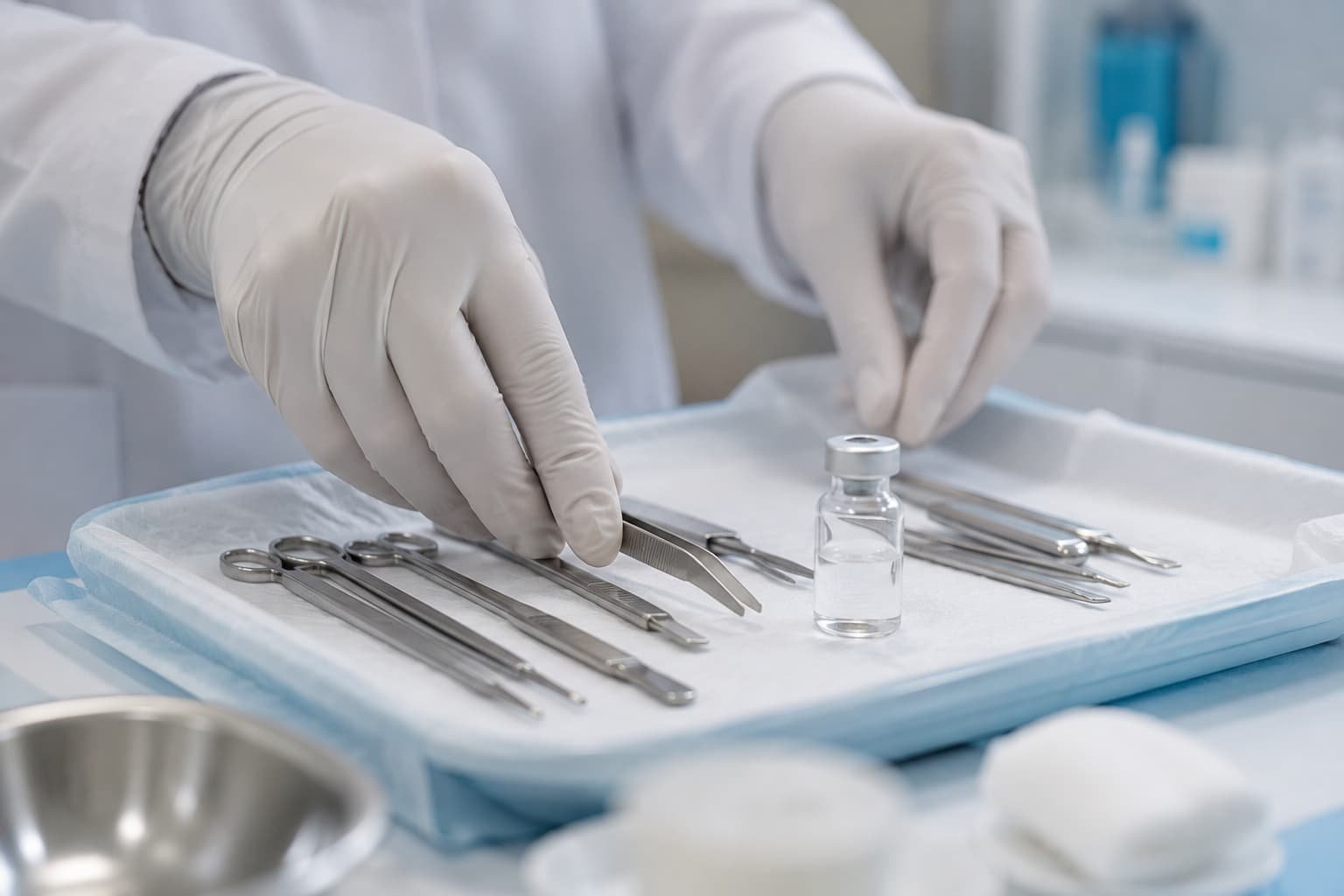
Regulatory bodies note a reasonably favourable safety profile for PRP-based regenerative therapy for ED, including the Priapus Shot. The injected material comes from the patient’s own blood, which reduces rejection risk. Reported side effects include bruising, swelling, and temporary discomfort. Infection at the injection site can occur, though rarely.
The evidence base remains an important limitation, however. Peer-reviewed literature shows limited numbers of large, controlled clinical trials on the P shot for erectile dysfunction. Existing studies often involve small patient groups without long-term follow-up. NICE guidance on erectile dysfunction management does not currently list PRP injection therapy as a recommended first-line or standard pathway. Patients should treat the booster as a private, elective option with an evolving evidence base. It is not a substitute for medically established ED treatments where those apply.
Booking a Consultation Before a P-Shot Booster

Any decision about a repeat P-shot treatment benefits from a proper clinical consultation. Marketing material and online comparisons alone are not a reliable basis for that decision. A qualified practitioner can review medical history and assess current erectile function using validated questionnaires. The practitioner can then determine whether a booster, a fresh course, or a different treatment pathway suits the individual case. Dr Syed Nadeem Abbas at Pshots Clinic UK, a Harley Street practice, offers this type of consultation-led approach to PRP treatment planning.
Frequently Asked Questions
How soon after the first P-Shot can a booster be given?
Most clinics recommend waiting a minimum of several months after the initial course. This wait allows the full regenerative window to complete before scheduling a booster. Booking too early may not add meaningful benefit. Platelet-driven tissue changes take time to develop and stabilise. A clinician usually confirms the appropriate interval based on how the first course responded.
Does a P-Shot Booster hurt more or less than the first treatment?
Discomfort levels stay generally similar between an initial P shot and a booster session. Both use the same injection technique and numbing protocol. Some patients report slightly less anxiety during a booster because the process feels familiar. The physical sensation itself does not typically change.
Can a booster help if the first P shot showed no result?
A booster does not guarantee a different outcome for a non-responder. Clinics should stay transparent about this limitation. Some practitioners adjust the injection sites, platelet concentration, or technique for a second attempt. This adjustment may change the response in certain cases. The outcome remains individual and unpredictable rather than a guaranteed fix.
Is a P-Shot Booster suitable for men with diabetes or cardiovascular disease?
Underlying vascular and metabolic conditions can affect tissue healing and blood flow. Both factors influence how a booster performs. A full medical assessment before booking is essential for these patients. In some cases, addressing the underlying condition through standard NHS-recommended pathways takes clinical priority over private PRP treatment.
How does this booster treatment compare with other ED treatments available in London?
Standard erectile dysfunction treatment London options include oral PDE5 inhibitors, vacuum erection devices, and in specific cases, surgical implants. These options carry a larger and longer-established evidence base than PRP injection therapy. Clinicians generally consider a booster session a supplementary or elective option rather than a replacement for these established treatments. Any combined approach should only happen under clinical guidance.
Conclusion
Deciding when to book a P-Shot Booster comes down to one thing. It means tracking genuine functional change rather than following a fixed calendar or comparing against promotional imagery. Fading firmness, reduced sensation, a defined interval since the last session, and shifting health circumstances all provide reliable signals. Assumption alone does not. The evidence base for PRP-based regenerative therapy for ED continues to develop. Any decision to proceed with a booster should follow a full clinical assessment rather than marketing claims. Given the current limitations in long-term trial data, how much weight should personal experience carry against the broader uncertainty still surrounding this treatment?
Read more:
How Many P-Shot Sessions Do You Need? One vs a Series of Treatments


