P Shot Local Anaesthetic: What Patients in London Should Know Before Treatment

✅Medically reviewed | Updated August 2026
Many men researching P Shot treatment focus on results and pricing first. Few ask a more practical question: what actually happens with the needle. Local anaesthetic sits at the centre of every P Shot procedure, yet clinics rarely explain it in detail. This gap leaves patients guessing about pain levels, numbing methods, and whether anaesthetic choice affects the platelet-rich plasma itself. P Shot local anaesthetic deserves as much scrutiny as the injection technique itself. This article examines the anaesthetic methods used during Priapus Shot London treatments. It reviews published evidence on how local anaesthesia interacts with PRP potency. It also sets out realistic expectations for comfort, safety, and recovery. The goal is clinical clarity, not marketing reassurance.
What Is a P Shot Procedure?
The P Shot procedure involves drawing a small blood sample from the patient. A centrifuge separates platelet-rich plasma, known as PRP, from the remaining blood components. Clinicians inject this concentrated plasma into specific areas of penile tissue. The underlying theory rests on growth factors within platelets, which may support tissue repair and blood vessel formation. Doctors commonly offer P shot treatment to men with mild to moderate erectile dysfunction. Some men also explore penile injection growth options for reduced sensitivity following earlier medical treatment. No UK regulator classifies the P Shot as a guaranteed cosmetic or functional outcome. Setting this expectation early prevents confusion later in the consultation process. Clinics offering the treatment should present it as a regenerative option, not a certainty.
Who Typically Considers This Treatment?
Men explore P shot treatment for several documented reasons. Common motivations include mild erectile difficulty, reduced sensation, and interest in a non-surgical alternative. Some patients seek this option after limited response to oral ED medication. Others prefer to avoid the invasiveness associated with penile implant surgery. Interest in penile injection growth and firmer erections also drives many initial enquiries. A proper consultation separates realistic candidates from those seeking outcomes the treatment cannot reliably deliver.
Regulatory Position in the UK
PRP injection sits within the category of autologous, regenerative treatment rather than a licensed medicine. Clinics offering P shot UK treatment must still meet standard medical safety and hygiene requirements. Practitioners should hold appropriate medical registration and operate from a properly regulated clinical setting. This regulatory context applies equally to the anaesthetic component of treatment, not only the PRP injection itself.
Why P Shot Local Anaesthetic Matters
Every injection into penile tissue carries a genuine risk of discomfort. Nerve density in this region ranks among the highest in the human body. Effective local anaesthesia for P Shot treatment directly shapes the patient experience. Poor anaesthetic technique increases pain, anxiety, and reluctance to return for follow-up sessions. Skilled anaesthetic administration allows clinicians to work with precision and reduces involuntary movement during injection. Precision matters because uneven PRP placement can affect distribution and increase bruising risk. For this reason, P Shot local anaesthetic protocols form a core part of procedure planning, not an afterthought added at the last minute.
Nerve Supply and Sensitivity
The penis receives dense innervation from the dorsal nerve and surrounding branches. This density explains why unanaesthetised injection causes significant discomfort for most men. Clinicians account for this anatomy when selecting an anaesthetic approach for each patient. Individual pain thresholds also vary, which is why consultation-based planning matters.
Types of Local Anaesthesia Used in P Shot Treatment
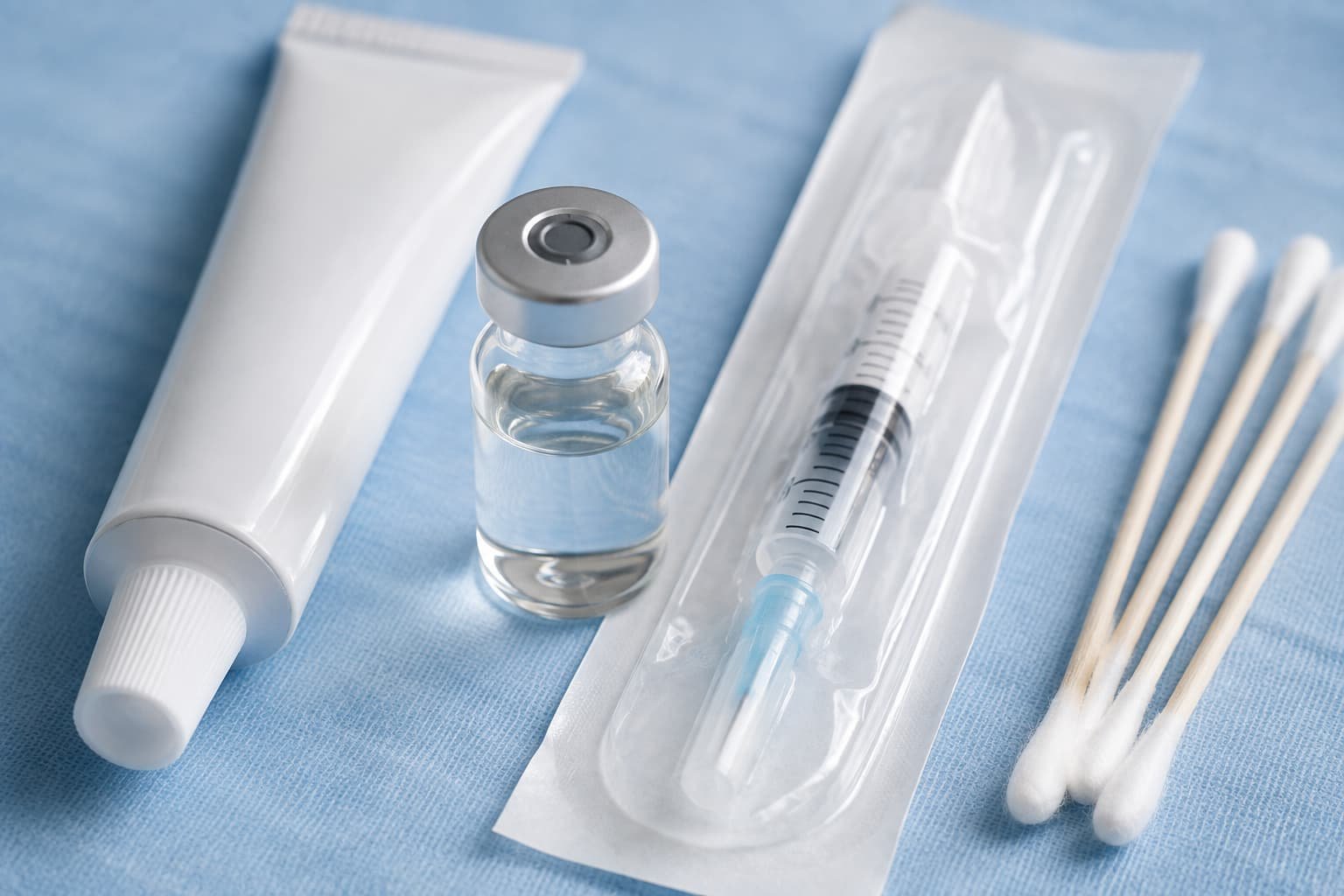
Clinics use several accepted methods to manage pain during penile PRP injection. Method choice depends on practitioner preference, patient anxiety levels, and established clinic protocol.
Topical Anaesthetic Cream
Many providers apply a topical cream before starting the P Shot procedure. A common formulation combines lidocaine and prilocaine in an equal ratio, marketed as EMLA cream. Clinicians apply this cream to the treatment area and allow twenty to thirty minutes for absorption. Published clinical research on penile PRP injection has used this exact formulation in trial settings. This method reduces surface sensitivity without requiring an additional needle beforehand.
Injected Local Anaesthetic
Some clinicians supplement topical cream with a small injected dose of local anaesthetic. Lidocaine remains the most widely used agent for this purpose across UK clinics. Injection provides deeper numbing than cream alone and suits patients with lower pain tolerance. Clinicians typically administer this injection several minutes before starting the PRP procedure.
Dorsal Penile Nerve Block
A dorsal penile nerve block targets the main sensory nerves directly at their source. This technique numbs a larger treatment area and suits longer or more extensive procedures. Not every P shot treatment requires this approach. Clinicians reserve it for specific cases based on individual assessment and reported pain sensitivity.
Tourniquet Support
Some protocols include a temporary tourniquet placed at the base of the penis. This step slows local blood flow and can prolong anaesthetic effect during the procedure. Clinicians remove the tourniquet promptly once the injection process finishes, restoring normal circulation quickly.
Does P Shot Local Anaesthetic Affect PRP Potency?
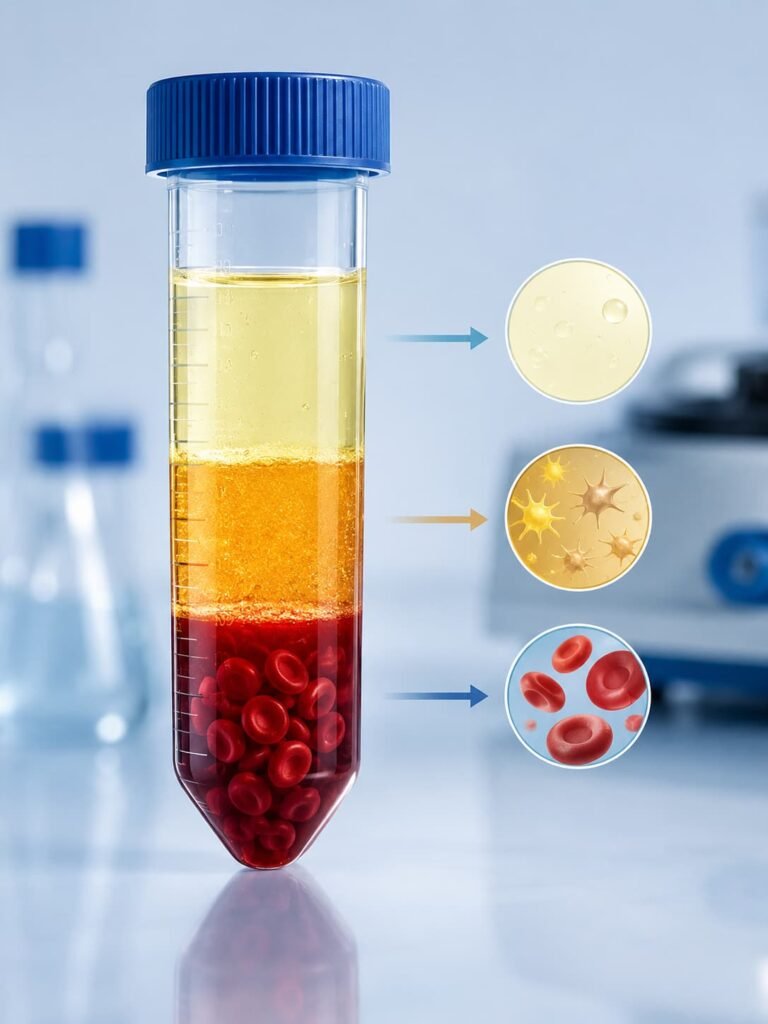
This question receives little attention on most competitor websites. Laboratory research offers a more detailed and useful picture. A published study examined how local anaesthetics interact with platelet-rich plasma function. Researchers found that combining certain anaesthetics with PRP reduced platelet aggregation capacity. Importantly, the same research found no measurable reduction in growth factor release from platelets. Separate laboratory work compared lidocaine, ropivacaine, and bupivacaine directly against one another. That research found lidocaine and ropivacaine caused minimal harm to platelet viability and function. Bupivacaine, by contrast, showed clearer negative effects on platelet health in the same testing. This evidence explains why anaesthetic selection forms part of a properly designed P Shot local anaesthetic protocol.
Many experienced clinicians address this concern through sequencing rather than avoidance. Injecting local anaesthetic into surrounding tissue, kept separate from the PRP itself, limits direct contact between the two substances. This approach preserves numbing benefit while protecting platelet function throughout the P Shot procedure. Patients considering treatment should ask providers directly how anaesthetic and PRP remain separated during administration. A clinic unable to answer this question clearly may lack detailed protocol knowledge.
Why the Distinction Matters Clinically
Reduced platelet aggregation does not necessarily equal reduced treatment benefit. Growth factor release, the mechanism most linked to tissue repair, appears largely unaffected by anaesthetic exposure in current research. This distinction offers reassurance without overstating the certainty of long-term outcomes.
Clinical Evidence Supporting Local Anaesthetic Protocols
Peer-reviewed literature on penile PRP injection consistently documents structured anaesthetic protocols. One randomised controlled study of PRP for erectile dysfunction applied a topical anaesthetic cream containing lidocaine and prilocaine before injection. Researchers also used a temporary penile tourniquet during the procedure itself. Patients remained under observation for twenty to thirty minutes following treatment to monitor for complications. This structured approach reflects standard practice across reputable clinics offering P shot treatment. It also demonstrates that this anaesthetic protocol is not an improvised addition but a documented, repeatable clinical step.
Findings from this trial showed measurable improvement in erectile function scores among PRP recipients. However, differences between the PRP group and the placebo group did not reach statistical significance at one and three months. This result does not dismiss PRP as ineffective. It does highlight the need for realistic expectations rather than confident promises. Reviewing published outcomes matters more than reviewing testimonials or unverified photographs. Clinicians offering P shot treatment should discuss this evidence base openly during consultation, including its current limitations.
What to Expect During the Numbing and Injection Process
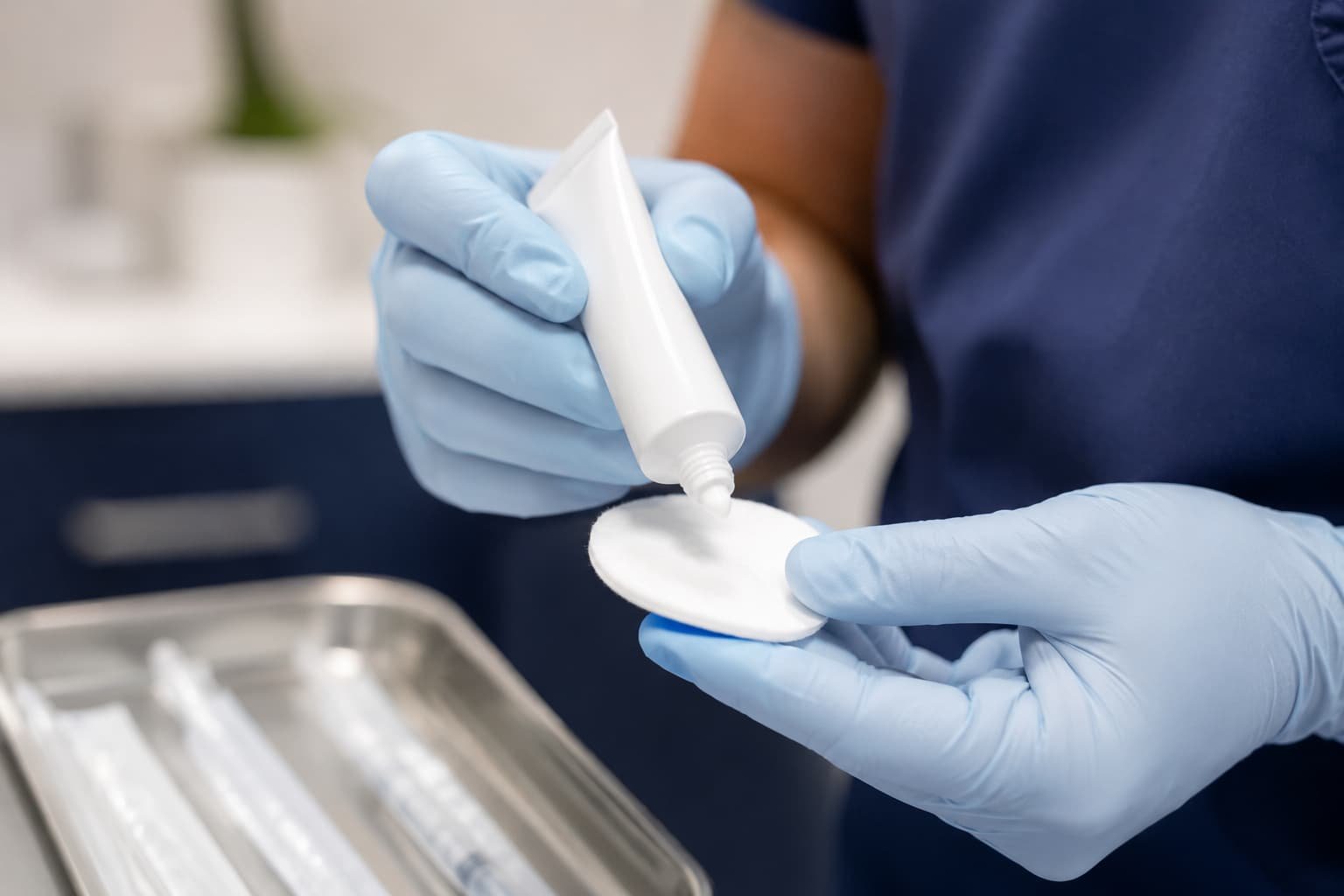
A structured process helps set realistic expectations before appointment day arrives.
Before the Injection
Clinicians review medical history and confirm suitability during an initial consultation. Blood tests may screen for conditions affecting clotting or platelet function beforehand. Staff explain the anaesthetic plan and answer questions about expected sensation during treatment.
During Numbing
Topical cream application typically takes twenty to thirty minutes to reach full effect. Clinicians may add injected anaesthetic afterward for additional patient comfort. Most patients describe this stage as manageable, involving mild stinging rather than significant pain.
During the P Shot Procedure
Once numbing takes effect, clinicians draw and process the blood sample. The PRP injection follows, targeting specific areas within penile tissue carefully. Most appointments, including preparation and anaesthetic time, take between sixty and ninety minutes total.
After Treatment
Mild soreness commonly persists for twenty-four to forty-eight hours after treatment concludes. Bruising and swelling represent normal, temporary responses to any injection procedure. Clinicians provide aftercare guidance covering activity restrictions and warning signs to monitor closely.
Managing Anxiety Before Treatment
Anticipatory anxiety often exceeds the actual discomfort men experience during treatment. Clear explanation of each anaesthetic step tends to reduce this anxiety significantly. Clinicians who describe sensations honestly, rather than minimising them, generally build greater patient trust. Breathing techniques and a calm treatment environment also support a more comfortable experience overall.
Pain Levels and Patient Experience
Reported pain levels vary between individuals and depend heavily on anaesthetic quality. Most published accounts describe P Shot local anaesthetic as effective for reducing procedural discomfort significantly. Complete numbness rarely occurs, and some pressure sensation typically remains during injection itself. Patients with higher anxiety levels sometimes benefit from combining topical cream with injected anaesthetic. Open communication with clinical staff during the procedure allows real-time adjustment where genuinely needed.
Risks and Precautions of Local Anaesthesia
No anaesthetic technique carries zero risk, and honest disclosure matters more than blanket reassurance.
Allergic Reactions
True allergy to lidocaine-based anaesthetics remains rare but appears in clinical literature. Clinics should ask about previous anaesthetic reactions during the initial consultation process without exception.
Excessive Numbing or Delayed Sensation
Overuse of topical anaesthetic can occasionally cause prolonged numbness beyond the expected treatment window. Clinicians follow measured dosing protocols specifically to reduce this documented risk.
Interaction With Existing Medical Conditions
Men with certain cardiac conditions or clotting disorders require careful anaesthetic selection beforehand. A thorough medical history review remains essential before any P Shot local anaesthetic is administered. NHS guidance on local anaesthetic agents recommends caution in patients with hepatic impairment, since these agents undergo liver metabolism.
Priapus Shot Price and Anaesthetic Considerations in London
Priapus shot price varies across London clinics based on practitioner experience and included aftercare. Anaesthetic quality forms one part of that overall cost, alongside PRP processing technique and follow-up support. Clinics using properly sourced anaesthetic agents and trained staff typically reflect this investment in pricing. Choosing a provider based on price alone risks compromising both comfort and safety standards. A transparent consultation should outline exactly which anaesthetic method applies before treatment begins, with no hidden steps.
Choosing a Provider for P Shot London Treatment

Selecting a qualified clinic for P shot UK treatment involves several practical checks beforehand. Confirm the practitioner holds recognised medical registration and relevant aesthetic medicine training. Ask which anaesthetic method the clinic uses routinely and why that method was chosen. Request information on how the clinic separates anaesthetic administration from PRP preparation steps. Review genuine P shot before and after documentation rather than relying on marketing images alone. A clinic offering full consultation before payment demonstrates a genuinely patient-focused approach to care.
Pshots clinic UK, a Harley Street clinic based in Marylebone and led by Dr Syed Nadeem Abbas, provides consultation-based assessment before any P injection procedure, in line with these standards.
P Shot as Part of Broader ED Treatment Options
The P Shot represents one option among several types of non-surgical treatment for erectile dysfunction in London. Some men pursue this option as a natural ED treatment using PRP therapy rather than relying solely on daily medication. Clinicians increasingly discuss PRP-based regenerative therapy for ED alongside established options such as PDE5 inhibitors. Any erectile dysfunction treatment London provider should present these options honestly, without overstating comparative evidence between them. Current research supports PRP as a reasonable adjunct for carefully selected patients, not a universal replacement for existing, proven therapies. NICE has not issued specific guidance approving PRP for erectile dysfunction, and clinicians should communicate this clearly during consultation.
Frequently Asked Questions
Is P Shot local anaesthetic painful?
Most patients describe manageable discomfort rather than significant pain when clinicians apply anaesthetic correctly and allow sufficient time for it to take effect.
Does local anaesthetic reduce PRP effectiveness?
Laboratory research shows some anaesthetics affect platelet aggregation but not growth factor release. Careful technique limits direct contact between anaesthetic and PRP during preparation.
How long does numbing last during a P Shot procedure?
Topical anaesthetic typically provides effective numbing for thirty to sixty minutes, covering the full injection period comfortably.
Can every patient receive local anaesthetic before a P Shot?
Most patients qualify for standard local anaesthetic, though clinicians review allergy history and existing medical conditions beforehand without exception.
Does the anaesthetic affect P shot before and after results?
Current evidence does not link properly administered local anaesthetic to reduced treatment outcomes over time.
Key Takeaways
Local anaesthetic plays a central, often underexplained, role in P Shot treatment. Patients deserve a clear explanation of numbing methods, not vague reassurance. Evidence shows that anaesthetic choice can influence platelet function, making technique and sequencing genuinely important to outcomes. A well-run P Shot local anaesthetic protocol balances patient comfort with PRP integrity through careful, deliberate clinical practice. Choosing a qualified provider who explains this process honestly supports better decision-making overall. Before booking treatment, what questions remain unanswered about the numbing process used at a chosen clinic?
Read more: P Shot Treatment: Procedure Steps, Recovery, Aftercare, and Results Timeline