✅Medically reviewed
Millions of men take a statin every day, and millions more live with erection difficulties. These two groups overlap far more than most people realise. Cholesterol and erectile dysfunction share a biological root in the arteries, so the topic matters to both. Doctors now treat changes in erections as an early signal of vascular trouble. Meanwhile, headlines ask whether tablets that protect the heart might harm sexual function. A 2026 genetic study fuelled that concern. Older randomised trials point in the opposite direction. The truth sits between these claims, and the details matter.
This guide explains how blood fats affect penile blood flow. The sections below review what research says about statins and erectile function. Practical advice on tests, lifestyle and GP appointments follows. The goal is clear evidence rather than alarm. Nobody should stop a prescribed statin without medical advice.
How Cholesterol and Erectile Dysfunction Connect
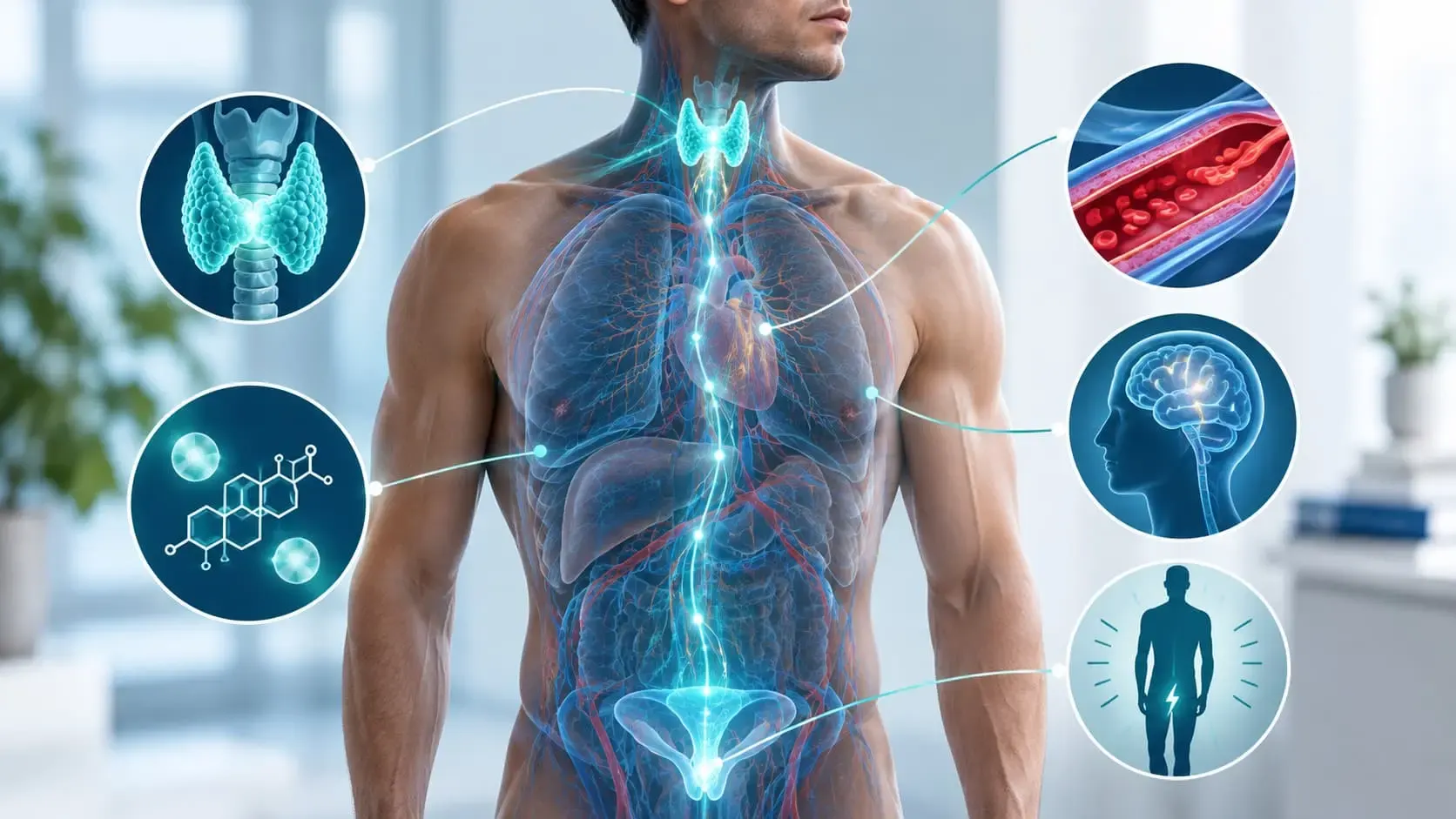
An erection depends on rapid, generous blood flow. Penile arteries must widen and fill the spongy erectile tissue within seconds. Healthy vessel walls make this possible. High cholesterol and ED often coexist because one process damages arteries throughout the body.
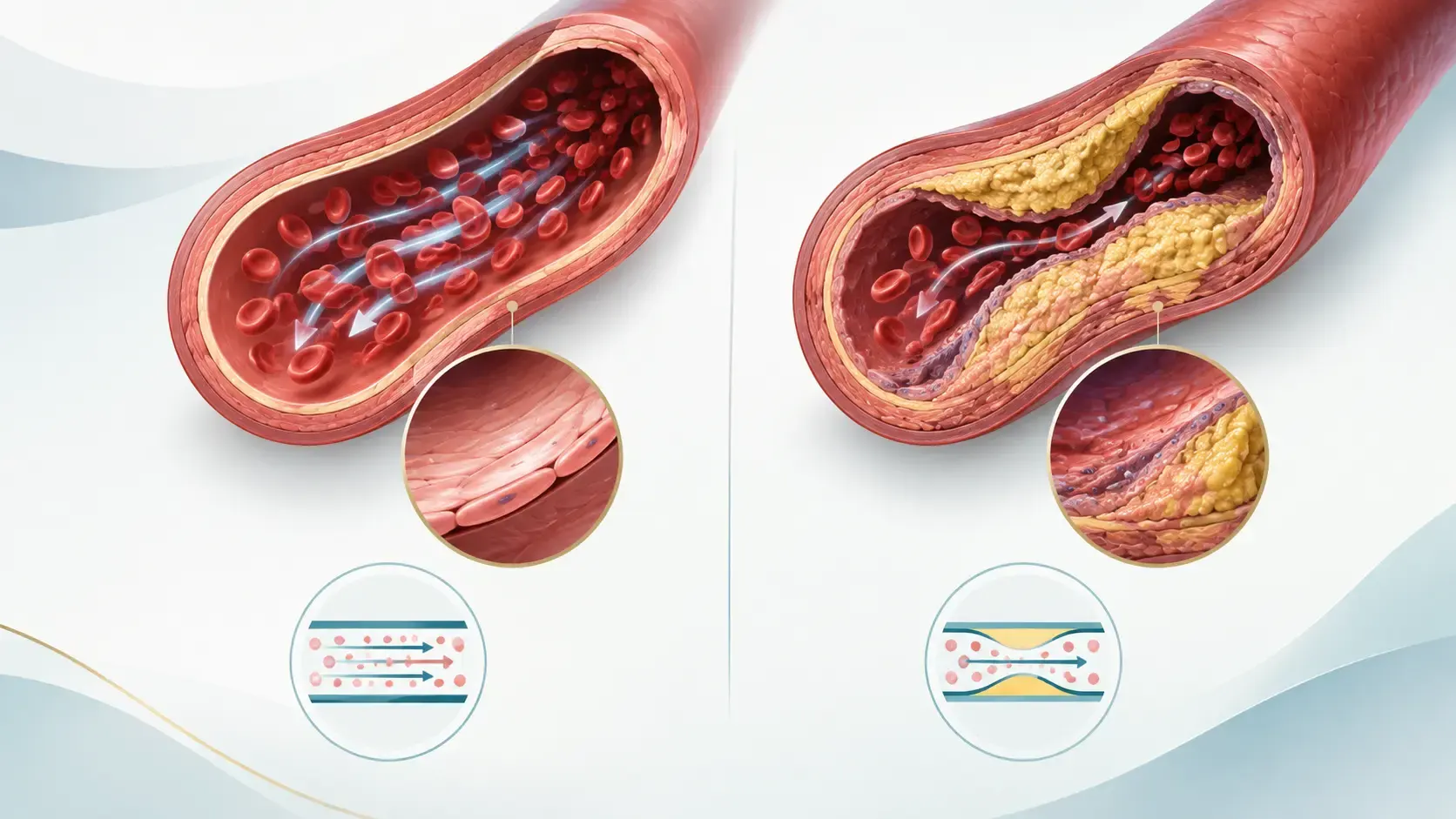
Atherosclerosis and Penile Blood Flow
Excess LDL cholesterol deposits in artery walls and forms plaques. Doctors call this process atherosclerosis. Plaques narrow vessels and stiffen the walls. Penile arteries measure roughly 1 to 2 mm acroFss. Coronary arteries measure roughly 3 to 4 mm. Smaller vessels show restricted flow earlier. Erections can therefore weaken years before chest symptoms appear. The Princeton III consensus describes erectile dysfunction preceding cardiovascular events by around two to five years in many men. Erectile dysfunction and blood flow problems thus offer a window onto heart health.
Endothelial Function and Nitric Oxide
The endothelium lines every blood vessel. This thin layer releases nitric oxide, the main chemical trigger for penile erection. Raised LDL cholesterol and oxidative stress damage the endothelium. Nitric oxide release then falls, and erections lose firmness or fade sooner. The NHS lists high cholesterol among the physical causes of erectile dysfunction, alongside high blood pressure, diabetes and smoking. Cardiovascular health and erectile dysfunction therefore share the same risk factors. A 2018 editorial in The World Journal of Men’s Health cites erectile dysfunction of any degree in about 40% of men at age 40. The figure reaches nearly 70% at age 70.
Can Statins Cause Erectile Dysfunction?
Statins lower LDL cholesterol and cut heart attack risk. Some men nevertheless worry about statins and erectile function. The evidence conflicts, and study design explains much of the disagreement.
What the 2026 Genetic Study Found
Researchers at The Sixth Hospital of Wuhan published a Mendelian randomisation study in Sexual Medicine in 2026. The method uses inherited gene variants to mimic a randomised trial. The team analysed UK Biobank and FinnGen data. Genetically predicted overall statin use showed a higher erectile dysfunction risk. Atorvastatin and simvastatin drove that signal. Rosuvastatin showed no causal association.
The authors proposed a chemical explanation. Lipophilic statins, such as atorvastatin and simvastatin, cross tissue barriers more easily. Such drugs may interfere with local testosterone production. Rosuvastatin dissolves in water and acts mainly in the liver. Experiments have not yet confirmed this mechanism.
Why the Genetic Finding Needs Careful Reading
The authors urge caution. Mendelian randomisation models lifelong exposure to lower cholesterol synthesis. Real patients take statins for limited periods at set doses. The atorvastatin estimate therefore overstates short-term clinical risk. Subgroup analysis by age, diabetes, hypertension or metabolic syndrome proved impossible. Participants had European ancestry only. The study supports a biological link, not a change in prescribing. Research on cholesterol and erectile dysfunction in this area therefore generates hypotheses rather than prescribing rules.
Do Statins Improve Erectile Dysfunction? Randomised Trial Evidence

Randomised trials show a different picture. Kostis and Dobrzynski pooled 11 trials in a 2014 Journal of Sexual Medicine meta-analysis. The 713 patients gained an average 3.4 points on the International Index of Erectile Function (IIEF). Follow-up lasted about four months. The HOPE-3 trial later tested rosuvastatin in 2,153 participants over 5.8 years. An updated meta-analysis including HOPE-3 showed a smaller yet statistically significant benefit. The authors concluded that randomised data indicate a small improvement in erectile function with statins.
Genetic studies measure lifelong exposure, while trials measure months or years of real treatment. Neither design settles the question alone. Observational studies add confounding, because men prescribed statins already carry vascular risk.
Statins and Sexual Health: Possible Mechanisms
Several biological routes could explain the mixed results.
Potential Benefits for Blood Vessels
Statins may improve endothelial function and raise nitric oxide availability. Reduced oxidative stress may add further benefit. Healthier vessels support firmer erections.
Potential Hormonal Effects
Cholesterol serves as the raw material for testosterone. Statins reduce cholesterol synthesis. Some researchers therefore suspect lower testosterone and reduced desire. Clinical data remain mixed, and measured changes appear small.
The Role of Expectation
The SAMSON trial tested statin-intolerant patients with statin, placebo and no tablets. Participants reported muscle symptoms of similar intensity on placebo and on statin. Expectation therefore drives a large share of reported muscle side effects. No equivalent trial has tested erectile symptoms. Men who notice erection changes after starting a statin should still report them. Coincidence, age, stress and underlying vascular disease can all contribute.
Statins Side Effects in Men: What UK Guidance Says
The NHS lists headaches, digestive upset and muscle aches among common statin side effects. Some product leaflets also list sexual difficulties as rare effects or effects of unknown frequency. Patients can raise erectile symptoms during any statin review.
NICE guideline NG238 sets the UK approach. It recommends offering atorvastatin 20 mg for primary prevention when 10-year QRISK3 risk reaches 10% or more. For established cardiovascular disease, NICE recommends atorvastatin 80 mg. If side effects occur, NICE advises discussing options, including a lower dose or a different statin.
Statins cut major vascular events by roughly one fifth for every 1 mmol/L fall in LDL cholesterol. Pooled data from the Cholesterol Treatment Trialists’ Collaboration support this figure. Stopping a statin abruptly removes that protection.
Doctors can try alternatives when erectile symptoms follow a statin start. Options include dose reduction, a different statin, or non-statin agents such as ezetimibe. Rosuvastatin appeals to some clinicians, yet no head-to-head trial confirms an erectile advantage. Prescribers weigh cardiovascular risk against symptoms case by case.
Which Men Face the Highest Risk?
Erectile dysfunction rarely has a single cause. Age raises risk steadily. Diabetes, high blood pressure, obesity and smoking add further risk. Sedentary habits and depression contribute too. The 2018 editorial lists these factors alongside hyperlipidaemia and pelvic surgery or injury.
Medicines also matter. Some blood pressure tablets and antidepressants affect erections. A statin may therefore take the blame for a problem that another cause drives. Careful review of all risk factors prevents wrong conclusions and unnecessary changes.
Tests That Clarify the Picture
Several simple tests help doctors understand the cause of erection changes. NICE CKS lists the main ones in its erectile dysfunction guidance.
Lipid Profile
A lipid profile reports total cholesterol, LDL, HDL, non-HDL and triglycerides. The NHS Health Check offers testing to adults aged 40 to 74 in England every five years. GP surgeries and private clinics also run the test. A raised result gives cholesterol and erectile dysfunction concerns a measurable starting point. Tracking cholesterol levels and erection quality over time helps clinicians spot patterns.
Blood Pressure and Blood Glucose
High blood pressure damages arteries and independently raises erectile dysfunction risk. NICE advises confirming clinic readings of 140/90 mmHg or above with home or ambulatory monitoring. Diabetes damages vessels and nerves. An HbA1c of 48 mmol/mol or above indicates diabetes under NHS criteria. Values from 42 to 47 mmol/mol indicate prediabetes.
Morning Testosterone
Low testosterone reduces desire and can contribute to erectile dysfunction. NICE CKS suggests measuring morning testosterone when symptoms or signs suggest deficiency. Morning samples matter because levels peak early in the day. Many factors lower testosterone, including obesity, diabetes, sleep apnoea, alcohol and opioid medicines. A low result in a man taking a statin therefore needs full review rather than a quick conclusion.
Lifestyle Changes That Support Cholesterol and Erectile Dysfunction Outcomes

Lifestyle change improves both vascular risk and erection quality. A randomised trial in JAMA (2004) enrolled 110 obese men aged 35 to 55. Two years of diet and exercise advice raised the average IIEF score from 13.9 to 17.0. Small, sustained habits often matter more than dramatic short-term efforts. Evidence-based steps include:
- Eating a Mediterranean-style diet rich in vegetables, pulses, fish and oats.
- Replacing saturated fat with unsaturated fat.
- Completing 150 minutes of moderate activity weekly, as the NHS advises.
- Stopping smoking, which damages the endothelium directly.
- Limiting alcohol to 14 units weekly, as UK guidance advises.
- Losing excess weight gradually.
Where P Shot Treatment Fits
Some men with vascular erectile dysfunction explore P Shot treatment. The procedure injects platelet-rich plasma (PRP), prepared from the patient’s own blood, into penile tissue. Clinics also call it a Priapus shot. Several providers offer a Priapus shot London men can access, and P Shot UK availability continues to widen.
PRP does not lower cholesterol and does not replace a statin. Men with cholesterol and erectile dysfunction together should treat the vascular cause first. NICE CKS positions PDE5 inhibitors as first-line treatment for erectile dysfunction. PRP remains an emerging option. A 2021 Journal of Sexual Medicine randomised trial reported improved erectile scores. A 2023 European Urology randomised trial reported less consistent findings. Large, long-term trials remain scarce.
Typical UK prices run from £900 to £1,500, and outcomes vary between men. Blocked arteries and uncontrolled diabetes limit any benefit. P Shots Clinic UK (pshots.co.uk), a private clinic on Harley Street, Marylebone, where Dr Syed Nadeem Abbas (MBBS, MRCS, MRCGP, MSc Aesthetic Plastic Surgery) practises, offers PRP for erectile dysfunction. Any treatment decision should follow a cardiovascular and medication review.
When to See a GP About Erections and Cholesterol Medication
Persistent erection difficulty deserves assessment, even when a clear trigger seems present. Chest pain, breathlessness or leg pain on walking alongside erectile dysfunction needs prompt medical attention. Patients should never stop a statin without advice. Men taking nitrates must not use PDE5 inhibitors, because blood pressure can fall sharply.
Useful Questions for the Appointment
- Could the current statin or dose contribute to erection changes?
- Would a different statin or lower dose suit the cardiovascular risk?
- Do blood tests need repeating, including glucose and morning testosterone?
- Could other medicines, such as blood pressure tablets or antidepressants, play a role?
- Does a PDE5 inhibitor suit the current medication list?
Frequently Asked Questions
Can statins cause erectile dysfunction?
Evidence conflicts. A 2026 genetic study associated atorvastatin and simvastatin with higher risk, while randomised trials show a small improvement overall. Individual responses vary, so any concern deserves a medical review.
Do statins affect erections?
Most men notice no change. Statins may help vessel function, yet a possible effect on testosterone remains debated. New symptoms after starting a statin warrant a conversation with the prescriber.
Can cholesterol medication affect erections?
Several medicines can. Blood pressure tablets and antidepressants, among others, have documented effects. A medication review identifies the likely contributors.
Should a man stop statins if erections change?
No. Stopping removes protection against heart attack and stroke. A GP can adjust the dose, switch the drug or investigate other causes.
Is there a link between cholesterol and erectile dysfunction?
Yes. High cholesterol damages artery walls and endothelial function, which reduces penile blood flow. Cholesterol and erectile dysfunction therefore often develop together, and a lipid profile helps assess risk.
Do cholesterol levels affect erection quality?
Higher LDL cholesterol relates to poorer vessel function, which can reduce erection firmness. Cholesterol levels alone do not predict erection quality, because diabetes, blood pressure, hormones and stress also contribute.
Which statin carries the lowest erectile risk?
No head-to-head trial answers this. The 2026 genetic study found no signal for rosuvastatin, but the authors urge caution. Prescribers choose by cardiovascular risk, kidney function, interactions and tolerance.
Conclusion
Cholesterol and erectile dysfunction share a root in artery health, and statins sit at the centre of the debate. The 2026 genetic study raises a genuine question about atorvastatin and simvastatin. Randomised trials, however, show a small benefit overall, and statins prevent heart attacks and strokes. Current evidence does not support stopping a prescribed statin because of headlines. Informed decisions rest on individual risk, tested blood markers, current evidence and an open conversation with a clinician. Erection changes can serve as an early message from the arteries. If that message arrives, what would a timely cholesterol check change about the decade ahead?
Read more:
Penile Doppler Ultrasound: Does a P Shot Candidate Need a Scan First?
Vaping, Nicotine Pouches and Erectile Dysfunction: What Does the Evidence Show?
Dr Syed Nadeem Abbas, MBBS, MRCSEd, MSc Aesthetic Plastic Surgery (Distinction) Medical Director, Pshot Clinic | CQC Regulated | Monday to Saturday 10:00–18:00 +44 7955 836986