✅Medically reviewed
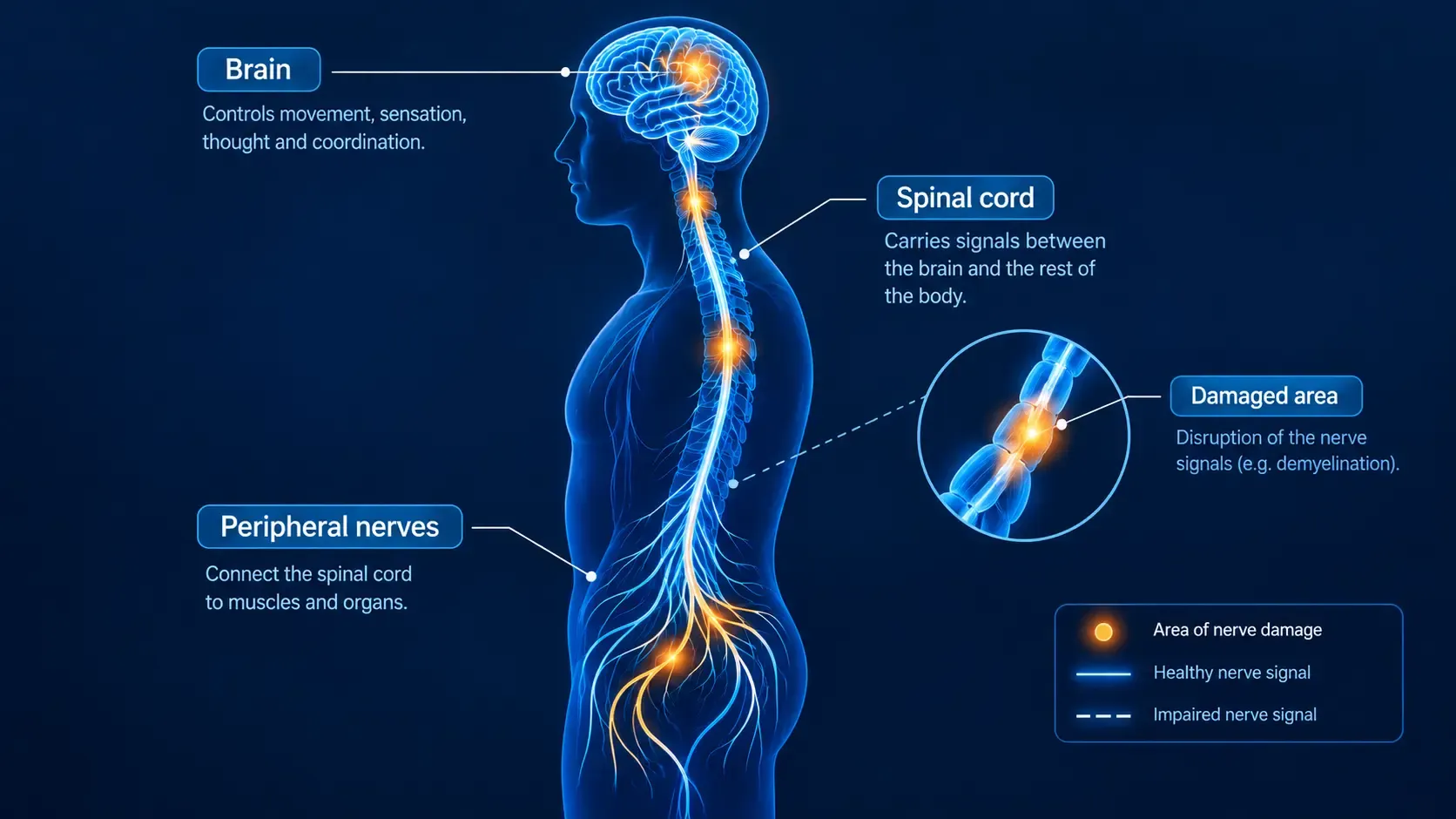
An erection looks effortless, yet it depends on a precise chain of nerve signals. The brain starts the message. Next, the spinal cord relays it. Pelvic nerves then widen the blood vessels of the penis. Multiple sclerosis (MS) can break that chain at several points.
Many men with MS never raise this problem with a clinician. Embarrassment silences some. Short appointments silence others. The result is a common symptom that often goes untreated.
Multiple sclerosis and erectile dysfunction occur together far more often than most men expect. Published estimates vary, yet a large share of men with MS report erection problems at some stage. Effective treatment exists for many men.
This guide answers one direct question: can multiple sclerosis cause erectile dysfunction? The sections below explain the nerve pathways involved and the other MS symptoms that interfere with erections. UK treatment options follow, together with the evidence for newer approaches such as the P-shot.
How Common Are Multiple Sclerosis and Erectile Dysfunction in UK Men?
The MS Society estimates that more than 150,000 people in the UK live with MS. MS usually appears between the ages of 20 and 40. Women receive the diagnosis about three times as often as men.
Reported rates of erectile dysfunction in men with MS vary widely. Most studies place the figure between 50% and 80%. Differences in study design, age, and disease severity explain much of the range. Even the lower estimates exceed rates in men of similar age without MS.
Risk rises with longer disease duration and greater disability. Spinal cord involvement and bladder problems also mark higher risk. Erectile difficulty occasionally appears during a relapse and then improves as the relapse settles.
Why Many Men Never Discuss It
Surveys point to silence on both sides of the consulting room. Patients often feel embarrassed or assume that sex has no place alongside a disability. Clinicians cite limited time, limited training, and uncertainty over whose role it is. This shared silence leaves a treatable symptom unaddressed. Untreated multiple sclerosis and erectile dysfunction can strain relationships and lower mood. Raising the subject early gives the care team a chance to act sooner.
Can Multiple Sclerosis Cause Erectile Dysfunction? Understanding the Causes
Yes. MS can cause erectile dysfunction directly, through nerve damage, and indirectly, through other symptoms and treatments. The link between multiple sclerosis and erectile dysfunction rarely has a single cause. Specialist literature groups the contributing factors into three tiers: primary, secondary, and tertiary.
Primary Causes: Neurogenic Erectile Dysfunction
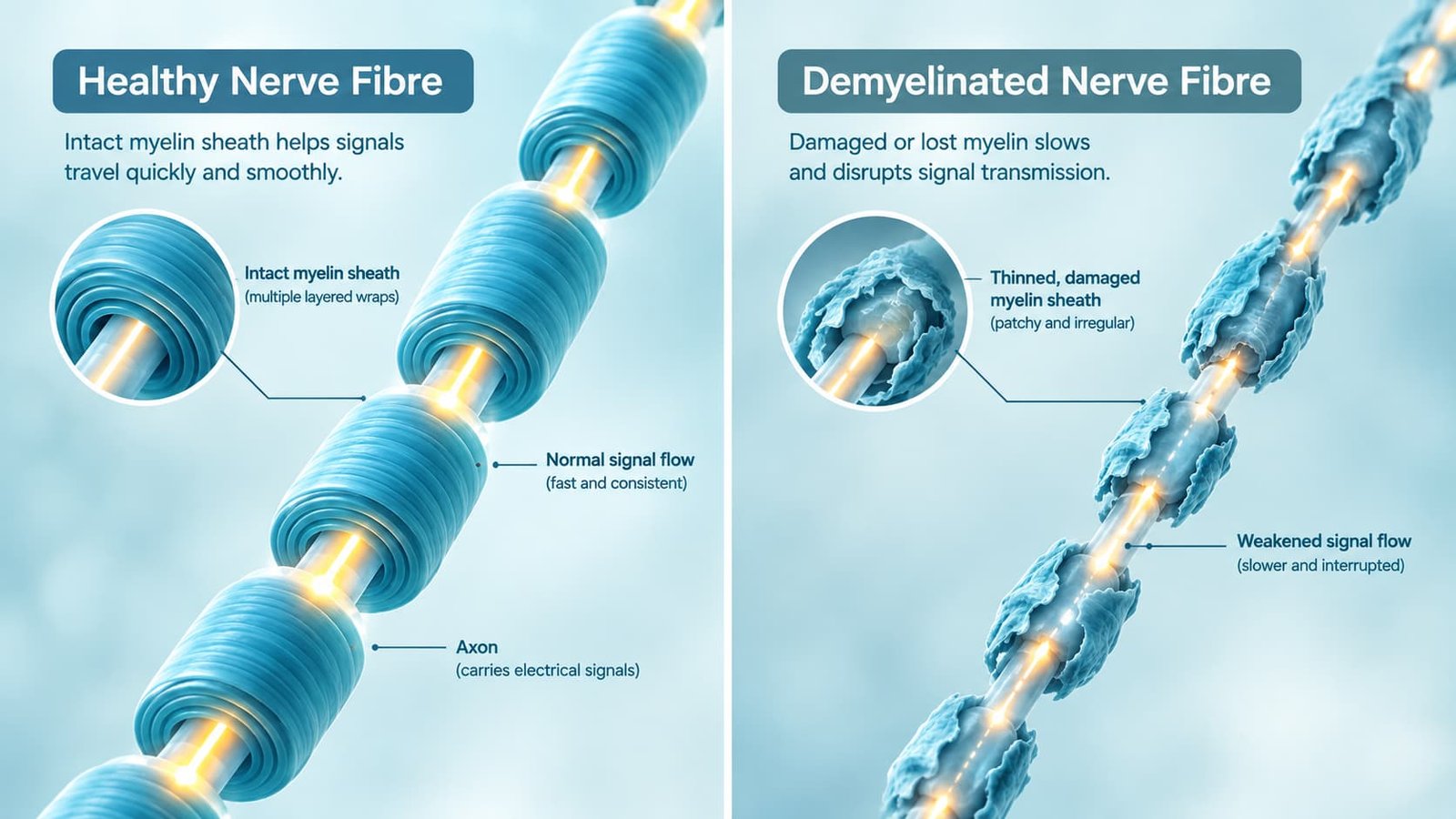
MS is an immune-mediated condition that strips myelin from nerve fibres in the brain and spinal cord. Myelin works like insulation around an electrical cable. Without it, signals slow down or stop. The NHS describes this process as the immune system attacking the coating around nerves.
Erections follow two nerve routes. The psychogenic route starts in the brain after erotic thoughts or visual cues. Signals then travel down the spinal cord to the lower back. The reflexogenic route responds to touch. It runs through the sacral spinal cord, at segments S2 to S4.
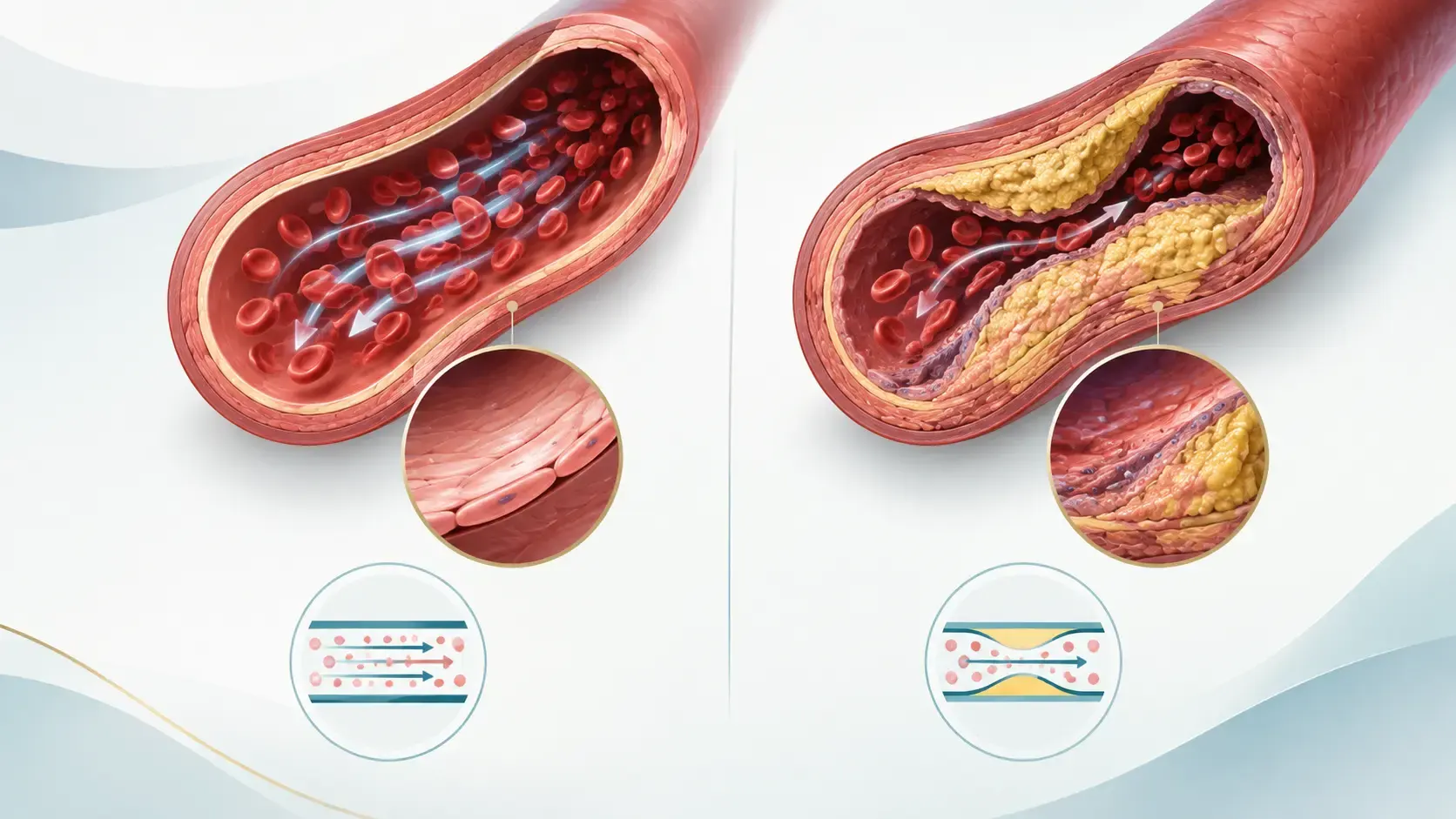
MS lesions can disrupt either route, or both. The resulting problem is neurogenic erectile dysfunction. It differs from vascular erectile dysfunction, where narrowed arteries restrict blood flow.
Lesion location shapes the pattern. One man may keep spontaneous erections but lose touch-related ones. Another man may show the reverse.
Nerve damage and erectile dysfunction often appear alongside other sensory changes. Lesions can reduce genital sensation or cause tingling and burning. Damage in brain regions that process desire can also lower libido.
Hormones and autonomic function add further complexity. The autonomic nervous system regulates blood vessel tone, and MS can disturb it. Some studies also report lower testosterone in men with MS, although findings differ.
Secondary Causes: MS Symptoms in Men That Disrupt Intimacy
MS symptoms in men reach well beyond the erectile nerves. Several everyday problems interfere with sexual activity:
- Fatigue: Severe tiredness lowers both energy and desire.
- Spasticity and pain: Muscle stiffness and spasms make some positions uncomfortable.
- Bladder and bowel problems: Fear of leakage undermines confidence.
- Weakness and balance difficulties: Physical effort during sex can feel unsafe or exhausting.
- Cognitive changes: Poor concentration disrupts arousal.
Medication adds another layer. Several drugs used in MS care can affect erections. Antidepressants, particularly SSRIs, are the best-known example. Baclofen and some nerve-pain medicines may also contribute.
A medication review with the GP or MS team can identify likely culprits. Patients should never stop prescribed MS medicines without medical advice.
Tertiary Causes: Psychological and Relationship Factors
Depression affects an estimated 30% to 50% of people with MS. Research identifies depression as an independent predictor of sexual dysfunction. Anxiety, low self-esteem, and altered body image compound the problem.
A cycle often develops. One failed attempt raises performance anxiety. Anxiety then makes the next attempt harder. Role changes add pressure when a partner becomes a carer. Psychological factors rarely act alone, yet can turn a temporary physical problem into a lasting one.
Multiple Sclerosis and Sexual Dysfunction Beyond Erections
Multiple sclerosis and sexual dysfunction extend beyond erectile difficulty. Ejaculation problems affect an estimated 35% to 50% of men with MS. Delayed ejaculation, absent ejaculation, and weaker orgasms all occur. Reduced libido and numb or painful genital sensation also feature. No medicine reliably treats delayed ejaculation or absent orgasm in MS. Clinicians instead focus on stimulation techniques, sensory aids, and therapy.
A treatment plan that restores erections but ignores these problems may still leave a man dissatisfied. Full assessment therefore covers desire, arousal, ejaculation, orgasm, and sensation.
Getting Assessed: What UK Men Should Expect

What the Assessment Includes
The GP, MS nurse, or neurologist can start the assessment. NICE guideline NG220 on MS in adults covers sexual dysfunction as part of routine MS care. Clinical Knowledge Summaries from NICE on erectile dysfunction guide the wider work-up in primary care.
A typical assessment includes:
- History of onset, including sudden or gradual change and the presence of morning erections
- Review of all current medicines
- Checks of blood pressure, weight, and cardiovascular risk
- Blood tests for glucose or HbA1c, cholesterol, and morning testosterone
- Mood screening and validated questionnaires, such as the IIEF-5 or the MSISQ-19
Erectile dysfunction can also signal cardiovascular disease. MS offers no protection against heart or vascular conditions. Assessment of multiple sclerosis and erectile dysfunction should therefore never assume that MS explains every case.
When to Seek Urgent Medical Advice
Sudden erectile loss alongside new back pain, leg weakness, or numbness around the saddle area needs same-day assessment. Loss of bladder or bowel control raises the urgency. NHS 111 or an emergency department can arrange rapid review. These features may signal a relapse or another spinal problem.
MS Erectile Dysfunction Treatment: Evidence-Based Options
Treatment of multiple sclerosis and erectile dysfunction follows a stepwise approach. Clinicians address reversible factors first. Medicines come next, followed by devices, then surgery. Psychosexual support runs alongside every step.
Lifestyle Changes and Medication Review
Vascular health supports erections. Regular activity as tolerated, stopping smoking, moderating alcohol, and weight control all help. A medicine review may also reveal a simple change that improves function. Exercise also helps fatigue and mood in MS, which supports sexual wellbeing. Pelvic floor exercises from a specialist physiotherapist may improve erectile rigidity and ejaculatory control. Research on pelvic floor training in men with MS remains limited.
First-Line Treatment: Oral PDE5 Inhibitors
NHS prescribing rules list multiple sclerosis among the conditions that qualify for NHS-funded erectile dysfunction medicines. GPs can therefore prescribe sildenafil or tadalafil on an NHS prescription.
A placebo-controlled trial in men with MS reported improved erections with sildenafil. Response often falls below that seen in men without neurological disease. Damaged nerve pathways limit the effect of tablets, which rely on intact arousal signals.
Safety Points for PDE5 Inhibitors
Nitrate medicines make PDE5 inhibitors unsafe. Low blood pressure and some heart conditions also need caution. A prescriber must review the full medical history first. Doses need individual adjustment. Tadalafil has a longer duration of action than sildenafil, which offers more flexibility in timing. Prescribers weigh that benefit against side effects such as headache and indigestion.
Second-Line Treatment: Injections, Urethral Therapy, and Vacuum Devices
Alprostadil acts directly on penile tissue. It bypasses damaged nerve signals. Men inject it into the side of the penis or insert a small pellet into the urethra. Risks include pain, bruising, and prolonged erection. Specialist urology services usually supervise initial training.
Vacuum erection devices draw blood into the penis using negative pressure. A constriction ring then holds the blood in place. Vacuum devices and tablets both count as non-surgical treatment for erectile dysfunction.
Third-Line Treatment: Penile Prosthesis
A penile implant suits severe, persistent erectile dysfunction after other options fail. Surgery carries infection and mechanical failure risks. Specialist urologists perform the procedure.
Psychosexual Therapy and Couple Support
Cognitive behavioural therapy challenges unhelpful thoughts about performance and body image. Couples counselling improves communication. Sensate focus exercises shift attention from intercourse to touch and pleasure. GPs can refer to NHS psychosexual services, and Relate offers couples support.
Treatment Comparison
| Option | How it works | Evidence in MS |
| PDE5 inhibitors | Enhance the natural blood-flow response | Trial evidence; lower response than in the general population |
| Alprostadil | Acts directly on penile tissue | Established second-line use; limited MS-specific data |
| Vacuum device | Draws blood into the penis mechanically | Established use; limited MS-specific data |
| Penile prosthesis | Surgical implant | Reserved for refractory cases |
| Psychosexual therapy | Addresses anxiety and relationship factors | Recommended alongside medical care |
| PRP (P-shot) | Injects platelet-rich plasma into penile tissue | Investigational; no MS-specific trials |
P Shot for Erectile Dysfunction: Where Does It Fit in MS?
What the P Shot Involves
P Shot for erectile dysfunction involves injecting platelet-rich plasma (PRP) into penile tissue. Clinicians prepare the PRP from the patient’s own blood. Trade names such as Priapus Shot describe the same concept. Interest in P Shot London and P Shot UK services has grown among men who respond poorly to tablets.
The procedure follows a set sequence. A clinician draws a small blood sample. Next, a centrifuge concentrates the platelets. Topical anaesthetic numbs the skin, and the PRP is then injected into penile tissue. Appointments commonly last under an hour. Reported side effects include bruising, soreness, and, rarely, infection. Platelets release growth factors, which prompted research into tissue repair.
What the Evidence Shows
The evidence remains limited. Existing PRP studies in erectile dysfunction are small and short. Protocols differ, and results are mixed. European Association of Urology guidance classes PRP for erectile dysfunction as investigational. NHS and NICE do not list it among standard treatments.
Why MS Limits the Expected Benefit
No high-quality trial has tested the P shot in men with multiple sclerosis and erectile dysfunction. The rationale for PRP centres on local tissue repair and blood vessel health. MS lesions sit in the brain and spinal cord. A penile injection cannot repair those central lesions. Benefit in purely neurogenic cases therefore remains unproven.
Gains may seem more plausible where vascular factors also contribute. That idea still lacks MS-specific data.
MS-Specific Safety Considerations
Several MS-related points deserve attention before any injection:
- Reduced genital sensation may mask pain or complications after injection.
- Immunosuppressive disease-modifying therapies may raise infection concerns after any injection procedure.
- Neurologist input should precede any decision during or soon after a relapse.
Choosing a Provider Safely
Men considering erectile dysfunction treatment London service should verify practitioner registration on the General Medical Council register. Care Quality Commission registration of the clinic adds a second check. Anyone comparing Priapus Shot London providers should request published evidence, written risk information, and realistic outcome estimates.
Pshots clinic UK is a private clinic on Harley Street, Marylebone. Dr Syed Nadeem Abbas leads the clinic. Qualifications include MBBS, MRCS (RCS Edinburgh), and MRCGP. An MSc in Aesthetic Plastic Surgery with Distinction came from Queen Mary University of London. Training took place at Cambridge, Oxford, and the Royal London Hospital. The clinic follows that principle: confirm the cause, then discuss established options before any PRP treatment.
Practical Steps for Multiple Sclerosis and Erectile Dysfunction
- Raise the topic with the GP, MS nurse, or neurologist.
- Request a full medication review.
- Ask about blood tests and a cardiovascular check.
- Discuss a supervised trial of first-line PDE5 inhibitors.
- Consider psychosexual therapy, alone or with a partner.
- Contact the MS Society for information and support.
- Involve a partner in the conversation where possible, because shared understanding reduces pressure.
Frequently Asked Questions
Does erectile dysfunction mean MS is progressing?
Not necessarily. Erectile problems can follow a relapse, a new medicine, low mood, or another health condition. Neurologist review helps separate these causes.
Can erectile dysfunction be the first sign of MS?
Erectile problems rarely appear as the only early symptom. Vision changes, numbness, and balance problems usually come first. Persistent unexplained erectile dysfunction still deserves medical review.
Do PDE5 inhibitors work in men with MS?
Many men respond. Response rates run lower than in men without neurological disease. Prescribers adjust the type and dose to individual needs.
Is there a proven link between multiple sclerosis and erectile dysfunction?
Yes. Research consistently links MS with erectile dysfunction, and rates exceed those in men without MS. Nerve damage, other symptoms, medicines, and mood all contribute.
Can sex make MS worse?
No evidence shows that sexual activity worsens MS. Fatigue and spasticity may still influence timing and position.
Is the P shot safe for men with MS?
Evidence on safety and benefit in MS remains absent. Neurologist advice, an infection-risk discussion, and realistic expectations should come before any decision.
Can the NHS treat MS-related erectile dysfunction?
Yes. GPs can prescribe first-line medicines, and referral to urology or psychosexual services is available. Waiting times vary by area.
Key Takeaways
MS and erectile dysfunction often coexist, yet the problem is medical and treatable. Nerve damage, other MS symptoms, medicines, and mood all contribute. PDE5 inhibitors, alprostadil, vacuum devices, and psychosexual therapy carry the strongest support. The P shot remains investigational, and no MS-specific trials exist.
Informed decisions rest on three steps. First, identify the cause. Second, start with established options. Third, weigh newer treatments against honest evidence and individual risk.
If erectile changes already affect intimacy, what would make today the right day to start that conversation?
Read more:
Penile Doppler Ultrasound: Does a P Shot Candidate Need a Scan First?
Sleep Apnoea and Erectile Dysfunction: Is There a Link to Consider Before a P Shot?
Dr Syed Nadeem Abbas, MBBS, MRCSEd, MSc Aesthetic Plastic Surgery (Distinction) Medical Director, Pshot Clinic | CQC Regulated | Monday to Saturday 10:00–18:00 +44 7955 836986