
Sleep occupies almost a third of adult life, yet clinics across the UK report growing numbers of men who treat it as optional. Late nights, screen exposure, shift work, and untreated sleep disorders have quietly become part of modern routine. Few men connect a poor night’s rest with what happens later in the bedroom. Yet a growing body of clinical evidence places poor sleep and erectile dysfunction firmly on the same physiological pathway. This article examines that link in detail, drawing on peer-reviewed research and UK health guidance, and sets out what men can realistically expect from assessment and treatment.
Modern life rarely protects sleep as a health priority. Long commutes, demanding jobs, and constant screen exposure push bedtimes later each year. Many men accept fatigue as a normal cost of a busy schedule. Fewer recognise that the same fatigue may be quietly undermining hormonal balance, blood vessel health, and sexual function. Understanding this connection allows men to make informed decisions about both sleep habits and any treatment under consideration.
Understanding the Sleep-Erection Relationship
Erections depend on a precise sequence of nerve signals, healthy blood vessels, and adequate testosterone. Sleep supports every part of that sequence. Disrupt sleep for long enough, and the system starts to falter. Researchers now describe poor sleep and erectile dysfunction as interconnected conditions rather than isolated complaints. One influences the other, often creating a cycle that worsens without intervention.
Men experiencing chronic sleep restriction show measurable changes in hormone levels within days. Vascular function also declines when sleep quality drops. These changes rarely occur in isolation, which explains why clinicians increasingly ask about sleep during erectile dysfunction consultations. A thorough medical history now routinely includes questions about snoring, night waking, and total sleep duration.
The Physiology Behind the Link
Three separate systems connect sleep and erectile function: the endocrine system, the vascular system, and the autonomic nervous system. Each system requires uninterrupted sleep cycles to reset and regulate normally. Damage or disruption to any single system can reduce erectile capacity, and disruption often affects more than one system at once.
How Sleep Regulates Testosterone Production
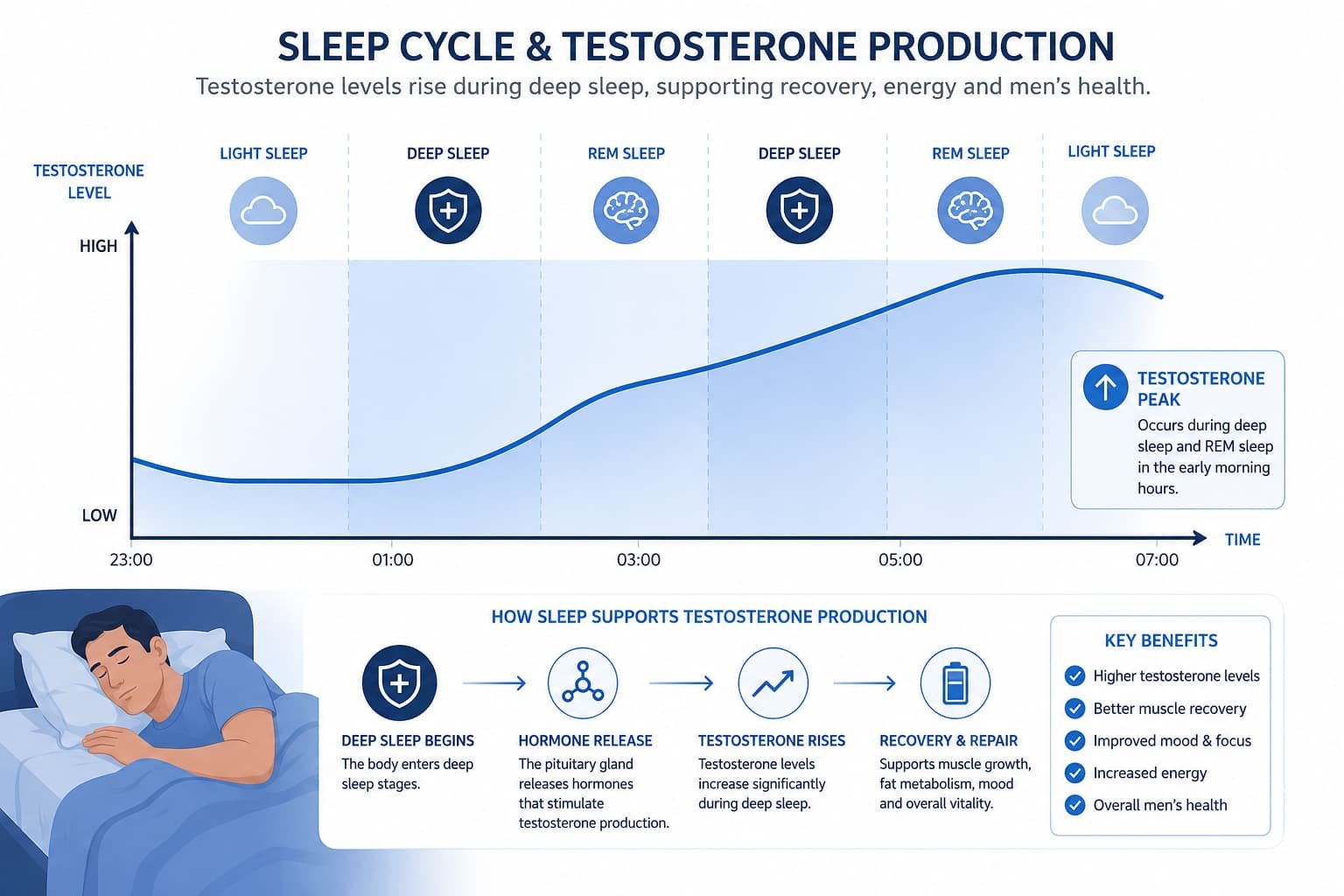
Testosterone follows a strict daily rhythm tied to the sleep cycle, and this rhythm underpins much of the discussion around poor sleep and erectile dysfunction in current research.
The Overnight Hormone Surge
Most testosterone release happens during deep and REM sleep stages. Levels rise through the night and peak around waking. Men who sleep fewer than six hours disrupt this rhythm before it completes. Shortened sleep cuts short the very phases responsible for peak hormone output.
Evidence from Sleep Restriction Studies
A widely cited study published in JAMA found that healthy young men who slept five hours a night for one week showed a marked drop in daytime testosterone levels. The reduction reached ten to fifteen per cent within days. Lower testosterone directly affects libido, arousal, and erectile rigidity. This finding remains one of the clearest experimental links between poor sleep and erectile dysfunction in the medical literature. Later studies using longer restriction periods reported similar hormonal declines, reinforcing the original findings.
Why Testosterone Matters for Erectile Function
Testosterone supports nitric oxide production within penile tissue, maintains libido, and preserves the sensitivity of nerve pathways involved in arousal. A sustained drop in testosterone reduces the strength and frequency of spontaneous erections, including those that normally occur during sleep.
Obstructive Sleep Apnoea and Vascular Damage
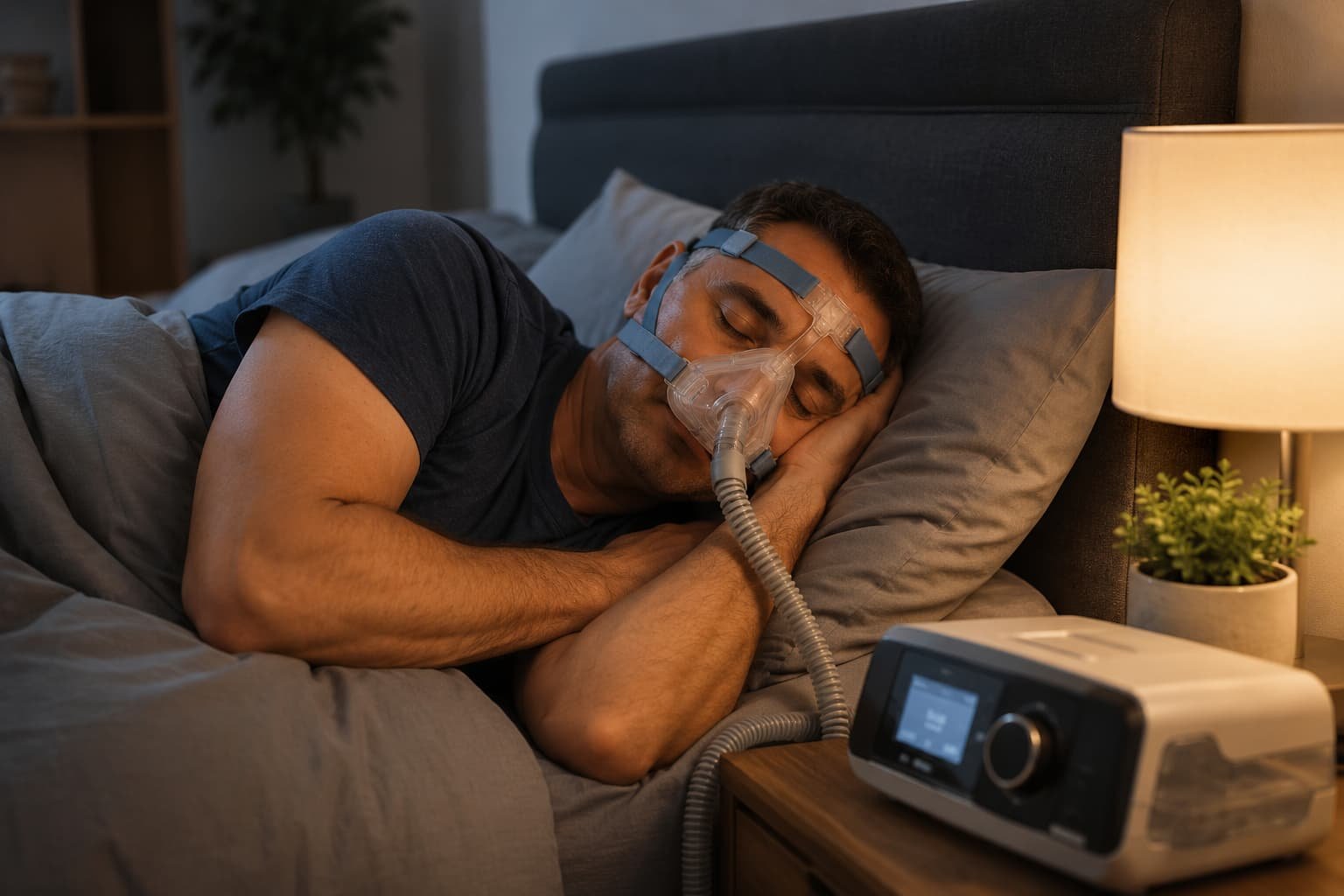
Obstructive sleep apnoea (OSA) causes repeated pauses in breathing throughout the night. Each pause drops blood oxygen levels and forces brief arousal from sleep, often dozens of times per hour in more severe cases.
Oxygen Deprivation and Blood Vessel Function
Erections rely on nitric oxide, a molecule that relaxes penile blood vessels and allows blood inflow. Repeated oxygen drops from OSA damage the endothelial lining of blood vessels. This damage reduces nitric oxide availability over time. Population studies report substantially higher rates of erectile dysfunction among men with untreated sleep apnoea compared with those who sleep normally, with some cohorts reporting an increased likelihood exceeding nine times that of unaffected men.
Snoring, Body Weight, and Risk Factors
Loud snoring, excess body weight, and a thick neck circumference all raise the likelihood of undiagnosed sleep apnoea. Many men live with the condition for years before a partner or family member raises concern. Screening earlier allows treatment before vascular damage becomes established.
The NHS recognises sleep apnoea as a treatable condition, typically managed with continuous positive airway pressure (CPAP) therapy, weight management, and lifestyle changes. Treating the underlying sleep disorder often improves erectile function without further intervention, according to NICE clinical guidance on sleep and cardiovascular risk.
Cortisol, Stress, and the Sleep Deprivation Cycle
Sleep loss raises cortisol, the body’s primary stress hormone. Elevated cortisol suppresses testosterone production and heightens anxiety. Anxiety itself is a recognised contributor to erectile difficulty, independent of any physical cause.
This creates a self-reinforcing loop. Poor sleep raises cortisol. Raised cortisol lowers testosterone and increases anxiety. Anxiety disrupts sleep further the following night. Breaking this cycle usually requires addressing sleep quality directly rather than treating erectile symptoms alone. Many men caught in this cycle focus entirely on sexual performance while overlooking the sleep disruption driving it.
The Role of Mental Health
Depression and chronic stress frequently accompany long-term sleep disruption. Both conditions independently reduce libido and erectile function. Treating sleep quality alongside mental health support tends to produce more durable improvement than addressing either factor alone.
What the Evidence Shows
Multiple large cohort studies support the connection between poor sleep and erectile dysfunction. A nationwide population-based study found that men diagnosed with sleep disorders faced a significantly higher subsequent risk of erectile dysfunction, even after adjusting for age and other health conditions. Separate research using overnight sleep laboratory testing found that men with erectile dysfunction showed altered sleep architecture, reduced oxygen saturation, and increased daytime sleepiness compared with men without the condition.
These findings show a bidirectional relationship rather than a simple one-way cause. Poor sleep contributes to erectile dysfunction, and erectile dysfunction itself may disrupt sleep through anxiety and reduced quality of life. Clinicians treating one condition increasingly consider the other during assessment. Peer-reviewed literature indexed on NHS-linked research databases continues to expand on these mechanisms, and consensus around the association has strengthened considerably over the past decade.
Limitations Within the Current Research
Most available studies rely on observational data rather than controlled trials, which limits firm conclusions about cause and effect. Confounding factors such as age, obesity, and cardiovascular disease often overlap with both sleep quality and erectile function, making it difficult to isolate sleep as an independent cause in every case. Clinicians therefore interpret findings cautiously and assess each patient individually rather than applying blanket conclusions.
Recognising the Signs Early
Men rarely notice the early stages of this connection. Reduced morning erections, lower sexual desire, and daytime fatigue often appear before erectile difficulty becomes consistent. Shift workers, men with untreated snoring, and those working long or irregular hours face higher risk.
A single poor night rarely causes lasting erectile difficulty. Occasional tiredness affects performance temporarily but resolves once normal sleep resumes. Chronic sleep restriction, lasting weeks or months, produces the hormonal and vascular changes linked to persistent erectile dysfunction. Recognising this distinction helps men avoid unnecessary worry over a single disrupted night while taking sustained sleep problems seriously.
Treatment Approaches for Poor Sleep and Erectile Dysfunction
Addressing poor sleep and erectile dysfunction together typically produces better outcomes than treating either condition in isolation. Treatment usually follows a staged approach, beginning with lifestyle measures before considering medical or procedural options.
Lifestyle and Sleep Hygiene Measures
Consistent bedtimes, reduced screen exposure before sleep, and limited late caffeine intake all support healthier sleep architecture. Regular exercise improves both sleep quality and vascular health, supporting erectile function indirectly. Reducing alcohol intake before bed also improves sleep continuity, since alcohol fragments later sleep stages despite an initial sedative effect.
Medical Management of Underlying Conditions
A general practitioner can assess for sleep apnoea, depression, diabetes, and cardiovascular disease, all of which affect both sleep and erectile function. NHS pathways typically begin with a GP consultation before referral to a sleep clinic or urology service where indicated. Blood tests can also identify low testosterone or other hormonal imbalances contributing to symptoms.
Non-Surgical and Regenerative Treatment Options
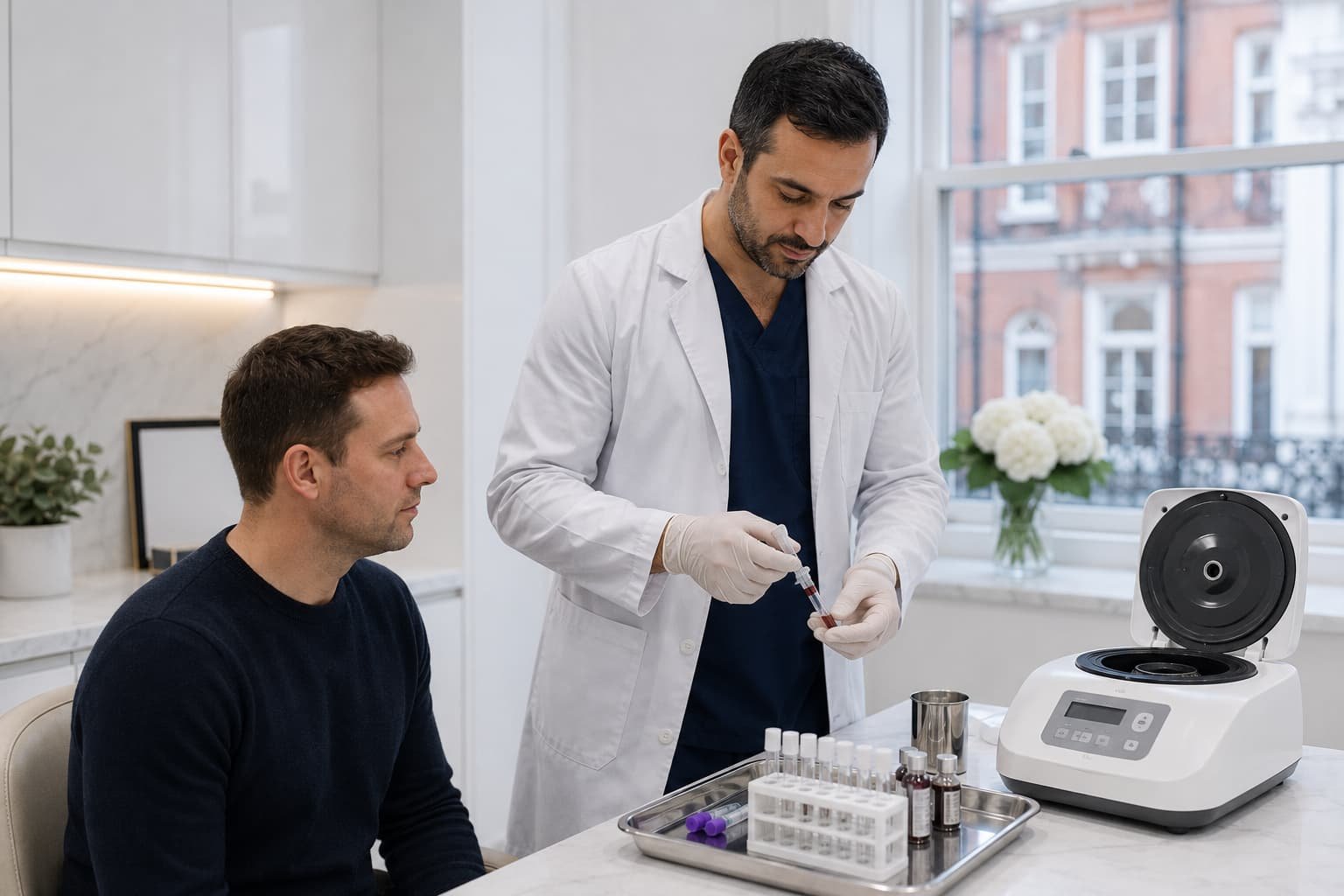
Alongside addressing sleep and lifestyle factors, some men explore non-surgical treatment for erectile dysfunction in London to support tissue health directly. Platelet-rich plasma (PRP) therapy has become one such option, using a concentration of the patient’s own platelets to stimulate tissue repair.
This approach, often referred to as the P-shot or Priapus shot, involves injecting PRP into specific areas of penile tissue. Clinics offering P shot treatment describe it as a natural ED treatment using PRP therapy, positioned as a regenerative option rather than a replacement for addressing underlying causes such as sleep disruption or vascular disease.
Men researching P shot London options often ask about penile injection growth claims, priapus shot price, and P-shot before and after comparisons. Evidence for PRP-based regenerative therapy for ED remains limited, and results vary between individuals. No clinic can guarantee specific outcomes from a penis shot or any p injection, and reputable providers explain this clearly before treatment. Cost for a Pshot or similar procedure varies by clinic and by the number of sessions required. Men should always confirm pricing directly with a registered practitioner rather than relying on online searches for male enlargement injections cost uk.
Men considering a P shot UK provider should seek a registered medical professional who explains realistic outcomes rather than promising specific results. A Priapus shot London consultation should include a full medical history, discussion of sleep quality, and an honest explanation of what the evidence does and does not support. Pshots clinic uk, a Harley Street clinic led by Dr Syed Nadeem Abbas, is one example of a UK provider offering PRP-based procedures alongside broader erectile dysfunction treatment London options, including assessment of contributing factors such as sleep quality.
Setting Realistic Expectations
Any procedure, including a P shot, works best as one part of a wider treatment plan. Men who address sleep quality, cardiovascular health, and psychological wellbeing alongside a procedure tend to report more consistent satisfaction than those relying on a single intervention. Reviewing published P-shot before and after data from clinical sources, rather than anecdotal claims, offers a more balanced picture of realistic outcomes. Clinics displaying P shot before and after images should present them alongside a clear explanation of individual variation, not as a guarantee of similar results.
When to Seek Medical Advice

Men experiencing persistent erectile difficulty, particularly alongside snoring, daytime fatigue, or low mood, should seek a GP assessment. Erectile dysfunction can also serve as an early warning sign of cardiovascular disease, making medical review important beyond sexual health alone. NICE guidance recommends assessing cardiovascular risk factors in men presenting with erectile dysfunction, given the shared vascular mechanisms involved. Early assessment also allows doctors to identify and treat sleep disorders such as apnoea before long-term vascular damage develops.
Frequently Asked Questions
Can poor sleep alone cause erectile dysfunction?
Chronic sleep restriction can contribute significantly to erectile dysfunction through hormonal and vascular changes. It rarely acts as the sole cause, and other factors such as stress, underlying health conditions, and lifestyle also play a role.
How much sleep does a man need for healthy testosterone levels?
Most adult men require seven to nine hours of sleep per night to maintain normal testosterone rhythms, according to sleep medicine research.
Does treating sleep apnoea improve erectile function?
Treating obstructive sleep apnoea, typically with CPAP therapy, often improves erectile function over time by restoring oxygen levels and reducing vascular strain.
Is the P-shot a cure for erectile dysfunction caused by poor sleep?
The P-shot is not a cure for erectile dysfunction linked to sleep disruption. It may support tissue health as part of a broader treatment plan that also addresses sleep quality and underlying medical conditions.
How long does it take to see the effects of improved sleep on erectile function?
Some hormonal changes reverse within days of improved sleep, though full erectile function recovery depends on the duration and severity of prior sleep disruption.
Should men try a P injection before addressing sleep quality?
Clinicians generally recommend assessing and improving sleep quality alongside any procedural option, rather than viewing a P injection as a standalone solution for poor sleep and erectile dysfunction.
Key takeaway
The relationship between poor sleep and erectile dysfunction reflects a broader truth about male health: sexual function rarely exists in isolation from overall physical wellbeing. Hormonal balance, vascular health, and mental wellbeing all depend on adequate rest, and disruption to any one of these systems can affect erectile performance. Addressing sleep quality offers a starting point that supports overall health, not only sexual function. Men experiencing persistent symptoms should seek assessment from a registered healthcare professional rather than relying on assumptions or online information alone. What would change if sleep received the same clinical attention as diet or exercise in the assessment of erectile health?
Read more: Does the P-Shot Increase Size? What the Clinical Evidence Actually Shows


