
✅Medically reviewed | Updated August 2026
Erectile dysfunction rarely develops overnight. Early changes often appear gradually, long before intercourse becomes noticeably difficult. A weaker morning erection, a slower response to stimulation, or reduced firmness during intercourse can each represent the first signs of erectile dysfunction. Recognising these changes early allows men to seek clinical assessment before an occasional difficulty becomes a persistent condition.
This article examines the recognised signs of erectile dysfunction, explains the physiological and psychological mechanisms behind them, and outlines evidence-based treatment pathways available across the UK. It also reviews non-surgical treatment for erectile dysfunction in London, including established injectable options used within private clinical practice.
What Is Erectile Dysfunction?
Erectile dysfunction describes a persistent inability to achieve or maintain an erection firm enough for satisfactory intercourse. Occasional difficulty is common and does not, alone, indicate a medical condition. NHS guidance treats erectile dysfunction as a diagnosis only when difficulty recurs regularly over several months. Distinguishing a single incident from a genuine pattern marks the first step in identifying real signs of erectile dysfunction.
How Common Is Erectile Dysfunction in the UK?
Erectile dysfunction affects men across all adult age groups. Prevalence rises steadily with age and becomes markedly more frequent after forty. Younger men remain affected too, with research indicating a meaningful proportion of men under forty experience some degree of difficulty. Underreporting remains widespread, driven by embarrassment and limited awareness of early symptoms. This underreporting likely means true prevalence figures exceed recorded estimates.
Facts and Figures Worth Noting
● Prevalence increases with age, rising sharply after forty and again after sixty.
● A meaningful proportion of men under forty also report some degree of erectile difficulty.
● Cardiovascular risk factors appear in a large share of men diagnosed with the condition.
● Embarrassment remains a leading reason men delay seeking medical assessment.
● Lifestyle factors, including smoking and inactivity, consistently correlate with earlier onset.
Early Signs of Erectile Dysfunction
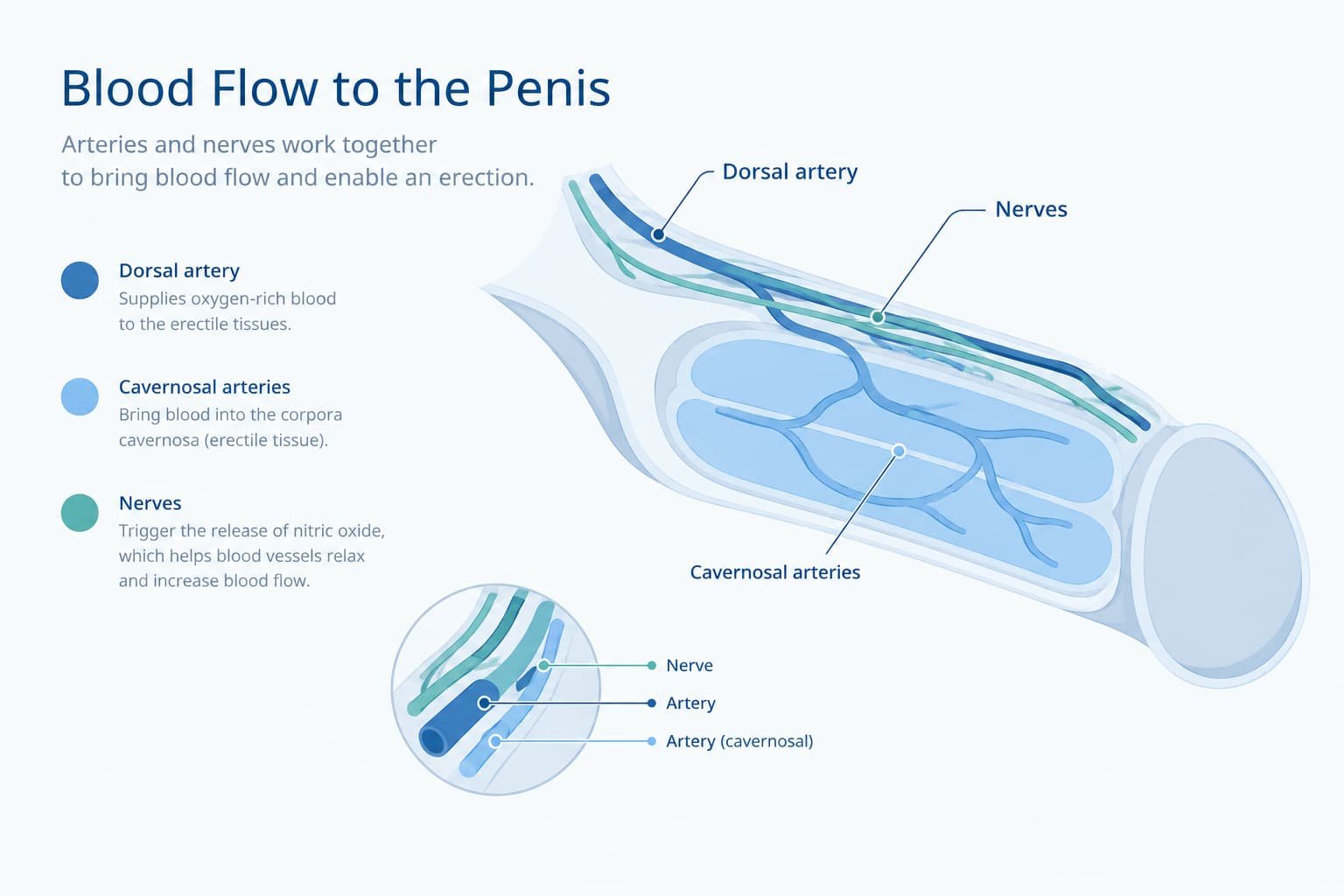
Several physical changes typically precede a full diagnosis of erectile dysfunction. Awareness of these patterns supports earlier medical review and better long-term outcomes. Each sign below can appear alone or alongside others, and severity often varies from week to week.
Reduced Frequency of Morning Erections
Spontaneous erections during sleep and on waking result from normal nocturnal physiology. A gradual decline in their frequency can signal reduced blood flow or weakened nerve signalling. A noticeable drop in morning erections often ranks among the earliest indicators men report. Tracking this pattern over several weeks provides useful information for a GP consultation.
Difficulty Achieving a Full Erection
Some men notice that arousal no longer produces a fully rigid erection. This difficulty can occur consistently or only in specific situations, such as with a new partner or during periods of stress. Situational difficulty often points toward a psychological contribution, while consistent difficulty points more strongly toward a physical cause.
Difficulty Maintaining an Erection During Intercourse
Losing firmness partway through intercourse, despite continued stimulation, represents a recognised early symptom. This particular pattern often points toward vascular rather than purely psychological causes. Men experiencing this symptom regularly should consider requesting a cardiovascular health check alongside standard erectile dysfunction assessment.
Reduced Firmness Compared With Previous Erections
A subtle decline in rigidity, rather than complete inability, frequently marks the earliest stage of the condition. Men often describe erections as softer or less reliable than in previous years. This change can develop slowly across months, making it easy to overlook until intercourse becomes noticeably affected.
Delayed or Reduced Response to Sexual Stimulation
A longer time to reach arousal, or reduced sensitivity to stimulation, can signal early nerve or hormonal changes. This symptom often develops alongside other physical changes rather than appearing first. Medication side effects and reduced testosterone levels both feature among recognised contributing factors.
Lower Sexual Desire Alongside Physical Symptoms
Reduced libido combined with physical erectile changes suggests a hormonal or psychological contribution. Testosterone levels, mood, and relationship stress can each affect desire independently of vascular health. A combination of low desire and physical difficulty warrants a broader hormonal assessment rather than treatment for erectile function alone.
Underlying Causes Behind Erectile Dysfunction
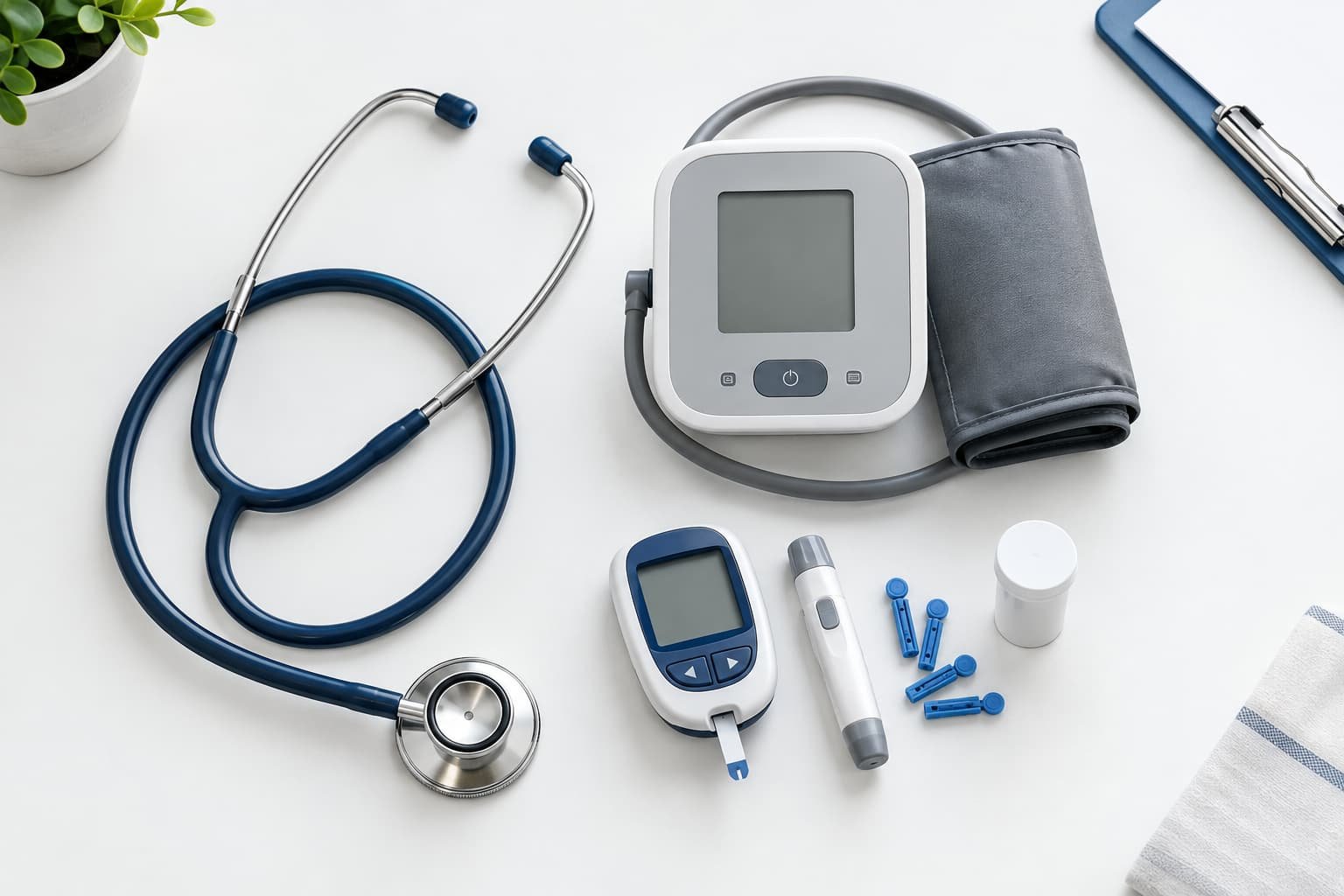
Erectile function depends on healthy blood vessels, intact nerve pathways, and balanced hormone levels. Damage to any of these systems can trigger the physical changes described above. Most cases involve more than one contributing factor rather than a single isolated cause.
Vascular and Cardiovascular Causes
Erections depend on adequate blood flow into penile tissue. Conditions that narrow or stiffen blood vessels, including high blood pressure and atherosclerosis, restrict this flow. Because arteries supplying the heart and the penis share a similar calibre, erectile difficulty frequently precedes a formal diagnosis of cardiovascular disease. NICE guidance recognises erectile dysfunction as a potential early marker of cardiovascular risk, making early assessment clinically important beyond sexual health alone.
Diabetes and Metabolic Causes
Diabetes damages blood vessels and peripheral nerves over time. Men with diabetes face a substantially higher likelihood of developing erectile dysfunction than men without the condition. Poor blood sugar control accelerates this nerve and vascular damage. Metabolic syndrome, characterised by raised blood pressure, elevated blood sugar, and excess abdominal fat, compounds this risk further.
Hormonal Causes
Testosterone supports libido and contributes to erectile physiology, though its role is not absolute. Low testosterone can reduce sexual desire and, in some men, contribute to weaker erections. Thyroid disorders and other hormonal imbalances can also play a contributing role. Hormonal causes become more relevant when reduced desire accompanies physical erectile changes.
Psychological Causes
Stress, anxiety, depression, and relationship difficulties can each interfere with the nervous system’s role in achieving an erection. Performance anxiety, in particular, can create a cycle where fear of difficulty causes further difficulty. Psychological and physical causes frequently coexist rather than acting alone, which is why clinical assessment considers both dimensions together.
Medication and Lifestyle-Related Causes
Certain medications, including some antidepressants and blood pressure treatments, list erectile dysfunction as a recognised side effect. Smoking, excessive alcohol consumption, and recreational drug use each restrict blood flow or interfere with nerve function. Reviewing current medication with a GP forms a standard part of assessing new-onset difficulty.
Occasional Difficulty Versus a Persistent Pattern
A single episode of erectile difficulty rarely indicates a medical problem. Fatigue, alcohol, stress, and unfamiliar circumstances can each cause temporary difficulty. Persistent signs of erectile dysfunction, however, are defined by repetition rather than a single incident. Clinical guidance generally considers a pattern lasting several months as warranting assessment, particularly alongside reduced morning erections or lower libido. Keeping a simple record of frequency and circumstances helps clinicians distinguish a temporary episode from an established pattern.
Why Early Recognition Matters
Early recognition of erectile changes offers more than reassurance about sexual function. Because erectile tissue relies on some of the smallest blood vessels in the body, difficulty here can surface years before symptoms appear in larger arteries supplying the heart or brain. Clinicians increasingly treat erectile dysfunction as a useful screening opportunity rather than an isolated complaint. Addressing contributing factors, such as blood pressure or blood sugar control, at this earlier stage can reduce long-term cardiovascular risk. Quality of life also benefits, since untreated difficulty often affects confidence, mood, and relationship satisfaction over time. Early conversation with a GP therefore carries value that extends well beyond restoring erectile function alone.
When to Seek Medical Assessment

Medical assessment becomes advisable when erectile difficulty grows frequent, worsens over time, or occurs alongside other symptoms. Sudden-onset erectile dysfunction with no clear psychological trigger warrants prompt review, since it can indicate an underlying vascular or neurological condition. Chest pain, breathlessness, or fatigue accompanying erectile difficulty require urgent medical attention, as these symptoms may point toward cardiovascular disease. Delaying assessment does not resolve an underlying medical cause and can allow a treatable condition to progress further.
Diagnostic Assessment in Clinical Practice
Clinical assessment typically begins with a detailed medical history, covering cardiovascular risk factors, medication use, and psychological wellbeing. Blood tests can measure testosterone, blood glucose, and cholesterol levels. Blood pressure measurement forms a standard part of assessment, given the vascular link with erectile dysfunction. A physical examination may also check for structural conditions affecting the penis, such as Peyronie’s disease. Clinicians may recommend further investigation where an underlying condition, such as diabetes or hypertension, appears likely.
Referral to Specialist Care
A GP may refer a patient to urology or a specialist men’s health service where initial assessment suggests a complex or unresponsive case. Specialist review allows access to further diagnostic tools, including vascular imaging in selected cases. Referral pathways vary slightly between NHS trusts and private providers. Private clinics can sometimes offer faster access to specialist review, though NHS pathways remain appropriate and effective for most patients.
Risk Factors Worth Monitoring
Certain risk factors raise the likelihood of developing erectile dysfunction earlier than average. Recognising these factors allows for targeted prevention rather than reactive treatment alone.
● Smoking, which damages blood vessel linings and reduces circulation.
● Obesity, which contributes to both vascular and hormonal risk factors.
● Sedentary lifestyle, which reduces cardiovascular fitness over time.
● Excessive alcohol consumption, which affects nerve function and hormone levels.
● Chronic stress, which raises cortisol and constricts blood vessels.
● Untreated high blood pressure or high cholesterol, both linked closely to vascular health.
Treatment Pathways for Erectile Dysfunction
Treatment depends on the underlying cause and typically starts with the least invasive options. A structured approach allows clinicians to monitor response and adjust the plan accordingly.
Lifestyle Modification
Regular exercise, weight management, reduced alcohol intake, and smoking cessation all support vascular health. NHS guidance identifies these lifestyle factors as directly relevant to erectile function. Improvement tends to be gradual and depends on consistent, long-term change rather than short-term adjustment. Sleep quality and stress management also contribute meaningfully to overall outcomes.
Oral Medication
PDE-5 inhibitors, including sildenafil and tadalafil, remain the first-line prescription treatment across the UK. These medications increase blood flow to the penis but require sexual stimulation to work. Nitrate medication use rules out this option for some patients. Side effects can include headache, flushing, and nasal congestion, and a GP should confirm suitability before prescribing.
Vacuum Erection Devices and Other Mechanical Options
Vacuum devices draw blood into the penis using controlled negative pressure, producing an erection maintained with a constriction ring. This option suits men who cannot take PDE-5 inhibitors due to other medication. Mechanical devices carry a lower cost than many alternative treatments but require correct technique for consistent results.
Psychological Support and Therapy
Counselling or structured therapy can address anxiety, depression, or relationship factors contributing to erectile dysfunction. Cognitive behavioural approaches show benefit for performance anxiety specifically. Combining psychological support with medical treatment often produces better outcomes than either approach used alone.
Non-Surgical Treatment for Erectile Dysfunction in London

Private clinics across London offer non-surgical treatment for erectile dysfunction in London for men who have not responded adequately to first-line options. Clinicians generally consider these treatments where lifestyle change and oral medication provide limited benefit. Availability and protocol vary between providers, and patients should verify practitioner qualifications before booking any procedure.
Priapus Shot (P-Shot) Treatment
The Priapus Shot, commonly known as the P Shot treatment, uses platelet-rich plasma prepared from a patient’s own blood. Clinicians administer the p injection directly into penile tissue, aiming to support tissue regeneration and blood flow. Clinics offering P Shot London and Priapus Shot London protocols position the treatment as a non-surgical alternative to oral medication or surgical implants. Priapus shot price varies between providers, depending on protocol and aftercare provision. Patients should confirm pricing directly with a registered clinic before booking treatment.
Evidence and Realistic Expectations
Evidence supporting platelet-rich plasma for erectile dysfunction remains an evolving area of research, with most available studies limited in size. Robust, large-scale clinical trials do not yet support penile injection growth claims associated with the treatment, and results vary between individuals. Any P Shot before and after comparison warrants cautious interpretation, since photographic results do not represent standardised clinical measures. Men considering a P shot UK provider should seek treatment only from a registered medical practitioner, following a full clinical assessment. Realistic expectations, supported by transparent clinical discussion, remain essential before proceeding with any injectable treatment.
Pshots clinic uk, a Harley Street clinic led by Dr Syed Nadeem Abbas, represents one example of a UK provider offering this category of treatment under medical supervision.
Frequently Asked Questions
What are the earliest physical changes linked to erectile dysfunction?
Reduced morning erections, softer erections, and difficulty maintaining firmness during intercourse often appear first.
At what age do signs of erectile dysfunction usually appear?
Signs of erectile dysfunction can appear at any adult age, though prevalence increases significantly after forty.
Can stress alone cause erectile difficulty?
Stress and anxiety can independently cause erectile difficulty, though clinicians should still assess and exclude physical causes.
Is erectile dysfunction always linked to a serious health condition?
Not always, though persistent erectile dysfunction can indicate cardiovascular disease, diabetes, or hormonal imbalance, and warrants assessment.
What is the first step after noticing possible symptoms?
A GP consultation forms the recommended first step, allowing for medical history review and basic testing.
Are lifestyle changes alone enough to reverse early symptoms?
Lifestyle changes can improve mild cases, particularly where smoking, inactivity, or excess weight contribute to the difficulty.
Can the P Shot treatment cure erectile dysfunction?
The P Shot treatment does not carry a classification as a cure. Evidence remains limited, and outcomes vary between patients.
Key Takeaways
The signs of erectile dysfunction rarely appear dramatic at first. A quieter erection, a slower response, or a subtle loss of firmness often arrive first, well before the condition becomes disruptive. Recognising these changes early supports timely diagnosis and allows underlying conditions, including cardiovascular disease and diabetes, to surface sooner. Treatment options range from lifestyle change and oral medication through to non-surgical treatment for erectile dysfunction in London, and each option carries its own evidence base and limitations. Given how closely erectile health reflects overall physical health, what might early changes be revealing about broader wellbeing?
Read more: Understanding the Causes of Erectile Dysfunction: Psychological vs Physical Factors
P Shot for ED: Is It Suitable for Mild or Moderate Erectile Dysfunction?
Dr Syed Nadeem Abbas, MBBS, MRCSEd, MSc Aesthetic Plastic Surgery (Distinction) Medical Director, Pshot Clinic | CQC Regulated | Monday to Saturday 10:00–18:00 +44 7955 836986


