Understanding the Causes of Erectile Dysfunction: Psychological vs Physical Factors

✅Medically reviewed | Updated August 2026
Erectile dysfunction affects a significant proportion of men in the United Kingdom, yet confusion still surrounds why it develops. Some cases stem from narrowed blood vessels or hormonal imbalance. Others begin in the mind, triggered by stress, anxiety, or relationship strain. Many cases involve both strands at once, woven together in ways that make diagnosis genuinely complex. Understanding the causes of erectile dysfunction is the first step toward effective, targeted treatment. This article sets out the physical and psychological causes of ED in clear clinical terms. It explains how doctors tell the two apart. It also outlines the treatment pathways currently available in the UK, including regenerative options such as PRP therapy.
What Is Erectile Dysfunction?
Erectile dysfunction (ED) is the persistent inability to achieve or maintain an erection firm enough for satisfactory sexual activity. The NHS defines it as a recurring problem lasting several weeks or months, rather than an isolated occurrence. Occasional difficulty is common and rarely signals an underlying condition. Persistent difficulty, however, warrants medical assessment. It can indicate cardiovascular, metabolic, neurological, or psychological issues that need proper review.
ED becomes more common with age, but it is not an inevitable part of ageing. NICE guidance notes that erectile difficulties often coexist with other health conditions, including type 2 diabetes and cardiovascular disease. Recognising the causes of erectile dysfunction early allows clinicians to address both the symptom and any underlying disease driving it.
Psychological vs Physical Causes of Erectile Dysfunction: An Overview
Clinicians traditionally separate the causes of erectile dysfunction into two broad categories: organic (physical) and psychogenic (psychological). Physical causes involve structural or physiological problems that limit blood flow, nerve signalling, or hormone production. Psychological causes involve the brain’s role in triggering and sustaining an erection. This role can be disrupted by anxiety, stress, or emotional conflict.
Most cases of erectile dysfunction involve a mixture of physical and psychological elements rather than a single isolated cause. A man with mild vascular disease, for example, may develop anxiety about performance once erections become less reliable. That anxiety then compounds the original physical problem, creating a cycle that is hard to break without support. This overlap explains why a thorough psychological vs physical causes of erectile dysfunction assessment matters. It forms the backbone of good clinical practice, in general and specialist clinics alike.
Physical Causes of ED
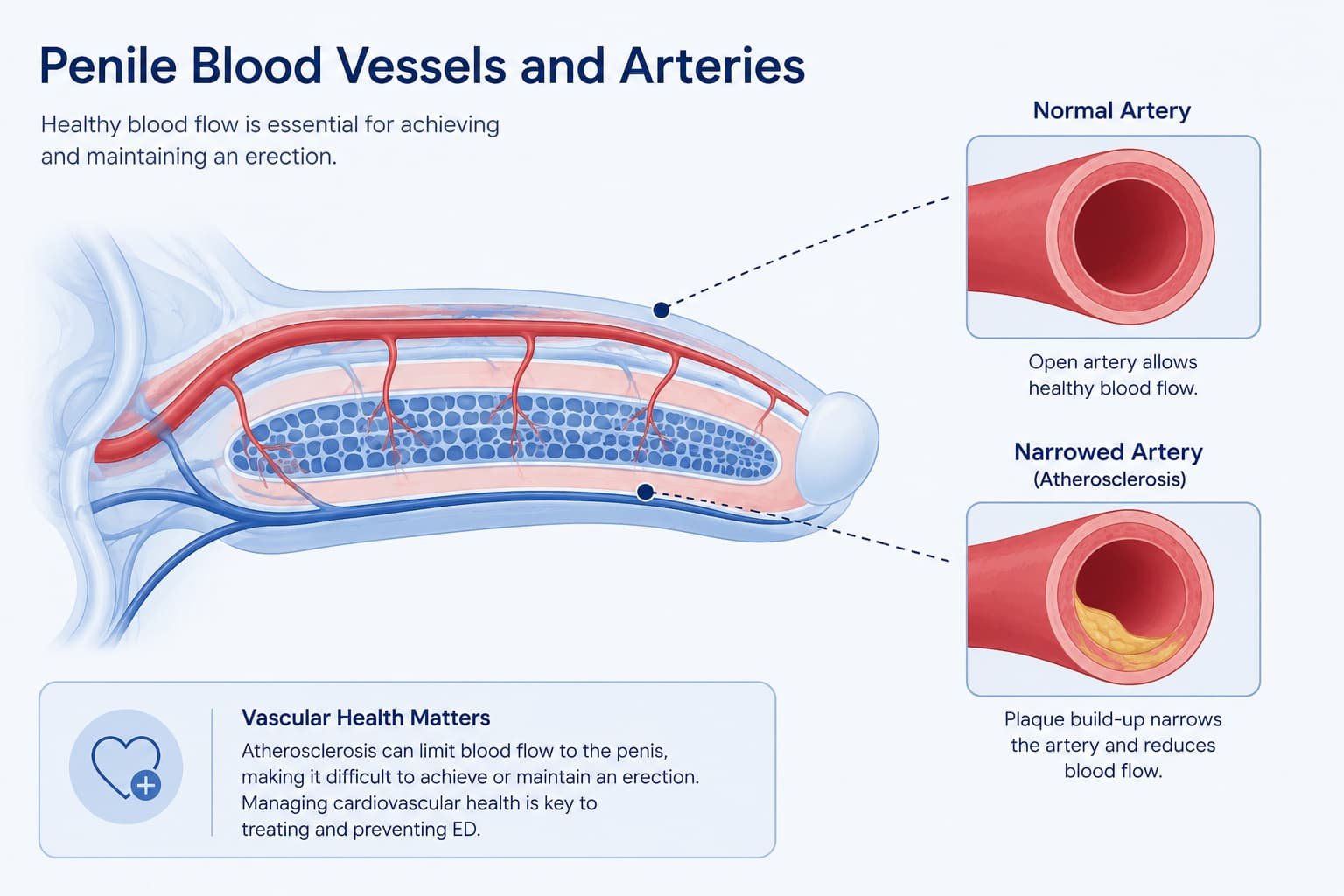
Physical causes of ED account for the majority of cases in men over 40. These causes typically interfere with blood flow, nerve function, or hormone levels needed for a firm erection. Identifying the specific mechanism guides which treatment is likely to help most.
Cardiovascular Disease
Erections depend on healthy blood flow into the penile arteries. Atherosclerosis narrows these vessels and reduces blood supply during arousal. Erectile dysfunction often appears years before a heart attack or stroke, acting as an early warning sign of cardiovascular disease. The British Heart Foundation and NHS both recommend cardiovascular assessment for men presenting with new-onset ED. This is particularly important for men under 60, where vascular disease may otherwise go unnoticed.
Diabetes
Diabetes damages both blood vessels and nerves over time. Men with poorly controlled diabetes face a substantially higher risk of ED than the general population. Nerve damage, known as diabetic neuropathy, disrupts the signals needed to trigger an erection. Vascular damage restricts blood flow further, compounding the problem over months and years.
Hormonal Imbalances
Testosterone plays a central role in libido and erectile function. Low testosterone, or hypogonadism, can reduce sexual desire and weaken erectile response. Thyroid disorders and elevated prolactin levels can also disrupt hormonal balance. Blood tests typically identify these imbalances during initial assessment, guiding whether hormone therapy is appropriate.
Neurological Conditions
Conditions affecting the nervous system interrupt the nerve pathways between the brain and the penis. Multiple sclerosis, Parkinson’s disease, and spinal cord injury are common examples. Pelvic surgery, particularly prostatectomy for prostate cancer, can also damage the nerves responsible for erectile function. Recovery in these cases often depends on the extent of nerve preservation during surgery.
Medication Side Effects
Several common medications list ED as a recognised side effect. These include certain antidepressants, antihypertensives, and antihistamines. Reviewing current medication forms a routine part of any ED assessment. A simple adjustment sometimes resolves the problem entirely, without further intervention needed.
Lifestyle Factors
Smoking, excessive alcohol consumption, obesity, and physical inactivity all raise the risk of ED. Smoking damages blood vessel lining directly. Obesity contributes to both diabetes and low testosterone, compounding vascular risk further. NICE lifestyle guidance recommends smoking cessation, weight management, and regular exercise. These measures form first-line treatment for men with mild to moderate ED.
Psychological Causes of ED
Psychological causes of ED are particularly common in younger men, though older men are also affected. Unlike physical causes, psychogenic erectile dysfunction often develops suddenly. It may fluctuate depending on circumstances or partner, rather than remaining constant.
Erectile Dysfunction and Anxiety

The link between erectile dysfunction and anxiety is well documented in clinical literature. Anxiety activates the sympathetic nervous system, which works against the physiological processes needed for an erection. Performance anxiety, in particular, creates a self-reinforcing cycle. One episode of difficulty triggers worry about the next encounter. That worry then increases the likelihood of further difficulty, deepening the pattern over time.
Depression
Depression reduces libido and interferes with brain chemistry involved in arousal. Many antidepressant medications, particularly SSRIs, independently contribute to ED. This makes it difficult to separate the underlying condition from its treatment. Clinicians assess both factors carefully before adjusting any medication regimen.
Relationship Difficulties
Unresolved conflict, poor communication, or a loss of emotional intimacy can all suppress sexual desire and erectile function. Stress originating outside the relationship, including financial or occupational pressure, often spills over into intimate situations as well. Addressing these wider stressors sometimes resolves ED without any medical intervention required.
Performance Pressure and Psychogenic Erectile Dysfunction
Psychogenic erectile dysfunction frequently presents with a specific pattern. Erections occur normally during masturbation or on waking, yet fail during partnered sexual activity. This pattern strongly suggests a psychological rather than physical origin. The physiological mechanism clearly remains intact in these cases. Recognising this pattern helps clinicians distinguish psychological causes of ED from physical causes of ED without unnecessary investigation.
How Doctors Distinguish Between Physical and Psychological Causes

Assessment begins with a detailed medical history, covering onset, duration, and pattern of erectile difficulty. Sudden onset, situational variation, and preserved nocturnal erections point toward a psychological cause. Gradual onset, consistent difficulty across all situations, and absent nocturnal erections point toward a physical cause instead.
Clinicians also review cardiovascular risk factors, current medications, and relevant blood tests. Testosterone, glucose, and lipid profile results all inform the wider clinical picture. Physical examination checks for signs of vascular disease, hormonal abnormality, or anatomical issues such as Peyronie’s disease. NICE recommends this structured approach to avoid overlooking treatable underlying conditions that might otherwise be missed.
Overlap Between Physical and Psychological Causes
Few cases fall neatly into a single category. A man recovering from prostate surgery may experience genuine nerve damage alongside understandable anxiety about future sexual performance. A man with diabetes may develop low mood related to the broader impact of chronic illness. Treating the causes of erectile dysfunction effectively often requires addressing physical and psychological factors together, rather than in isolation.
This overlap is one reason single-mechanism treatments, such as medication alone, sometimes fail to deliver a complete or lasting result. A combined approach, medical management alongside psychological support, tends to produce more consistent outcomes over the longer term.
Diagnostic Approach in the UK
Within the NHS, assessment for ED typically begins with a general practitioner. Initial consultation covers medical history, lifestyle factors, and a physical examination. Blood tests screen for diabetes, low testosterone, and cardiovascular risk markers. Where psychological causes appear likely, referral to psychosexual counselling or cognitive behavioural therapy may follow.
Private clinics, including Harley Street practices, often provide more detailed vascular and hormonal assessment. This can include a broader range of treatment options than typical NHS pathways allow. Such assessment can be particularly useful for men whose symptoms do not fit a straightforward physical or psychological pattern.
Treatment Options for Erectile Dysfunction
Treatment depends heavily on the underlying cause, or combination of causes, identified during assessment. No single treatment suits every man, which is why accurate diagnosis matters so much.
Lifestyle and Medical Management
For physical causes, initial management focuses on the underlying condition. This means improving diabetes control, adjusting medication, correcting hormonal imbalance, or addressing cardiovascular risk factors directly. PDE5 inhibitors, including sildenafil and tadalafil, remain the standard first-line pharmacological treatment. These medications increase blood flow to the penis during arousal.
Psychological Support
For psychological causes of ED, structured talking therapies show good evidence of benefit. Cognitive behavioural therapy addresses the anxious thought patterns that sustain performance anxiety. Couples counselling can help resolve relationship factors contributing to sexual difficulty. Combining psychological therapy with PDE5 inhibitors often produces better outcomes than either approach alone. This is particularly true where anxiety has become entrenched following earlier physical difficulty.
Non-Surgical Treatment for Erectile Dysfunction in London
Men seeking non-surgical treatment for erectile dysfunction in London increasingly explore regenerative options alongside conventional medication. These approaches aim to support the underlying tissue, rather than simply increasing blood flow at the point of use. Interest in erectile dysfunction treatment London has grown steadily. Clinics continue to expand their diagnostic and therapeutic offering beyond standard NHS pathways.
PRP-Based Regenerative Therapy for ED
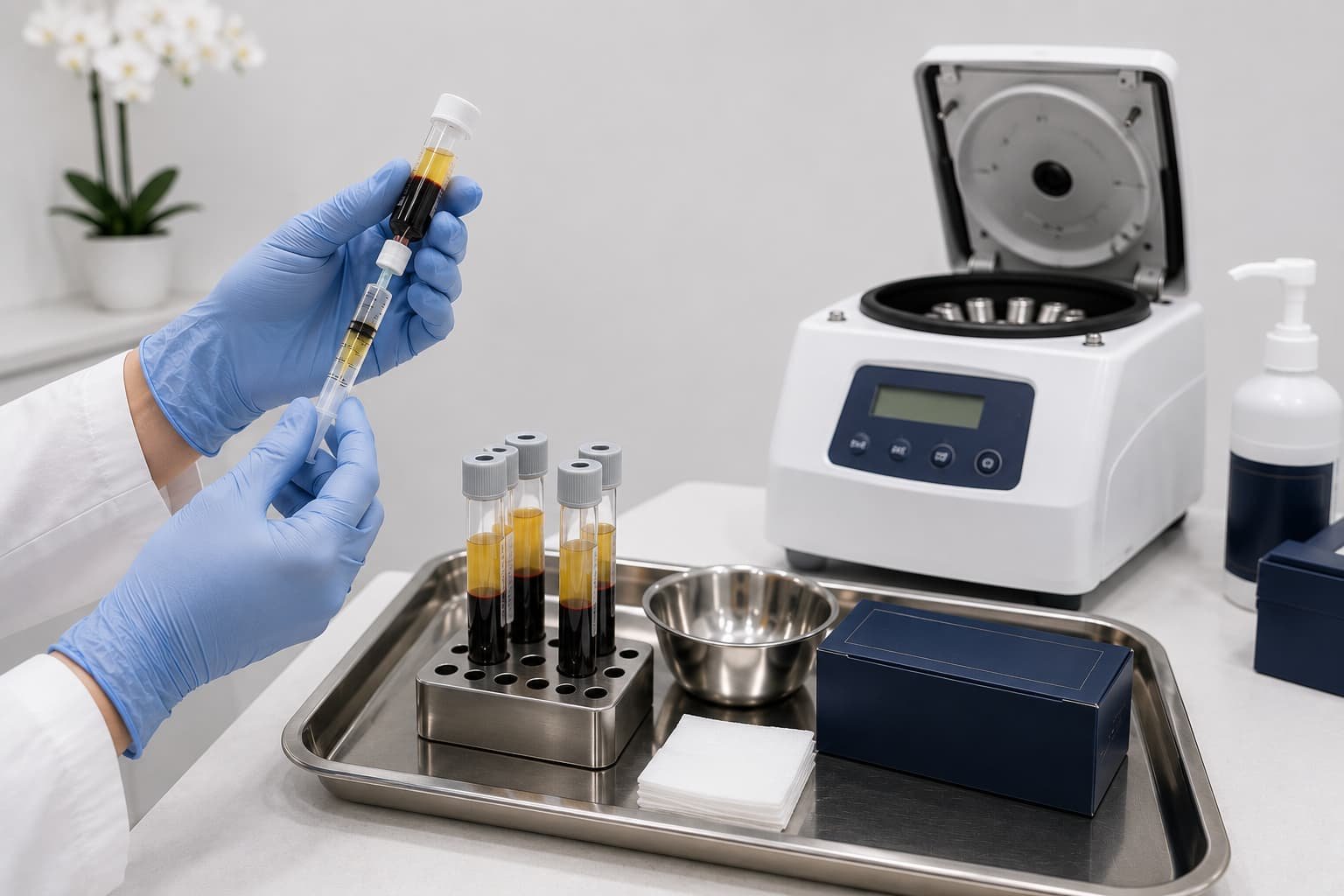
Platelet-rich plasma (PRP) therapy is commercially known in some clinics as the P shot treatment, or Priapus shot. It involves processing a small blood sample. This process concentrates growth factors found naturally within platelets. These growth factors are then injected into specific areas of penile tissue. The stated aim of this p injection is to encourage tissue repair. It is also intended to support natural blood vessel growth, sometimes described as penile injection growth, within the treated area.
Evidence for PRP-based regenerative therapy for ED remains at an early stage. Some small studies and case series report improvements in erectile function scores. Other trials, including recent placebo-controlled work, have found no statistically significant advantage over sham injection. Men considering natural ED treatment using PRP therapy should note this limitation. Current evidence does not yet support it as a guaranteed or first-line solution. It is generally considered alongside, rather than instead of, established medical management with proven efficacy.
Dr Syed Nadeem Abbas leads a Harley Street clinic linked to pshots.co.uk. His practice is among those offering PRP-based treatment for ED, alongside conventional medical assessment.
What to Expect from P Shot Treatment
A typical P shot treatment begins with blood collection. This is followed by processing in a centrifuge to separate platelet-rich plasma from other blood components. Local anaesthetic is applied before injection to minimise discomfort during the procedure. The full session generally takes under an hour from start to finish.
Priapus shot price varies between clinics, depending on protocol and the number of sessions recommended. Men researching P shot UK options should request a clear, itemised cost breakdown before proceeding. A realistic explanation of expected outcomes, based on current evidence, should accompany any pricing discussion.
Discussion of P shot before and after results should be approached cautiously. Individual response varies considerably between patients. Published evidence does not support uniform or guaranteed improvement following treatment. Reputable providers of the Priapus shot London and P shot London market present this variability honestly. Consistent results across all patients should never be implied.
FAQ
What are the main causes of erectile dysfunction?
The causes of erectile dysfunction fall broadly into physical categories, such as cardiovascular disease, diabetes, and hormonal imbalance. Psychological categories, including anxiety, depression, and relationship difficulty, also feature heavily. Many cases involve a combination of both, rather than a single factor.
How can psychological causes of ED be distinguished from physical causes of ED?
Sudden onset, situational variation, and normal erections during sleep or masturbation suggest a psychological cause. Gradual onset and consistent difficulty across all situations suggest a physical cause instead. A clinical assessment is needed to confirm the distinction accurately.
Is erectile dysfunction and anxiety a common combination?
Yes. Anxiety frequently accompanies erectile dysfunction, either as an original trigger or as a secondary reaction to physical difficulty. Addressing anxiety often improves overall treatment response, even where a physical cause is also present.
Does PRP therapy cure erectile dysfunction?
Current evidence does not confirm PRP therapy as a cure. Some studies report improvement, while others show no significant benefit over placebo. It is considered an adjunct option, rather than a guaranteed solution, within current UK practice.
When should a man seek medical advice for erectile dysfunction?
Persistent difficulty lasting several weeks, particularly with new onset, warrants a GP consultation. Early assessment can identify treatable physical causes and reduce cardiovascular risk. Delaying assessment can allow an underlying condition to progress unnoticed.
Key Takeaways
The causes of erectile dysfunction rarely fit into a single, simple explanation. Physical and psychological factors frequently intersect, each reinforcing the other in ways that demand careful, individualised assessment. Effective management starts with accurate diagnosis. It follows established medical evidence and considers both the body and the mind together. Emerging options, including PRP-based regenerative therapy, add to the range of treatments available. Current evidence, however, supports measured expectations rather than guaranteed outcomes for any single approach. Physical health and psychological wellbeing clearly intertwine in this condition. What might change if more men felt able to discuss erectile difficulty openly with a doctor?
Read more: Psychosexual Counselling for Erectile Dysfunction: Supporting P-Shot Treatment Outcomes