P Shot for ED: Is It Suitable for Mild or Moderate Erectile Dysfunction?

✅Medically reviewed | Updated August 2026
Erectile dysfunction affects a large proportion of men at some point in adult life. Mild or moderate cases often raise the widest range of treatment questions. Standard pathways include tablets, vacuum devices and lifestyle change. Meanwhile, interest in regenerative alternatives keeps growing across London clinics. The P Shot for ED has become one of the most searched treatments among men exploring options beyond medication. This article examines what the procedure involves. It also reviews what published research shows for mild and moderate erectile dysfunction. Finally, it sets out where realistic expectations should sit. Overall, evidence, not marketing language, forms the basis of every statement below.
What Is the P Shot for ED?
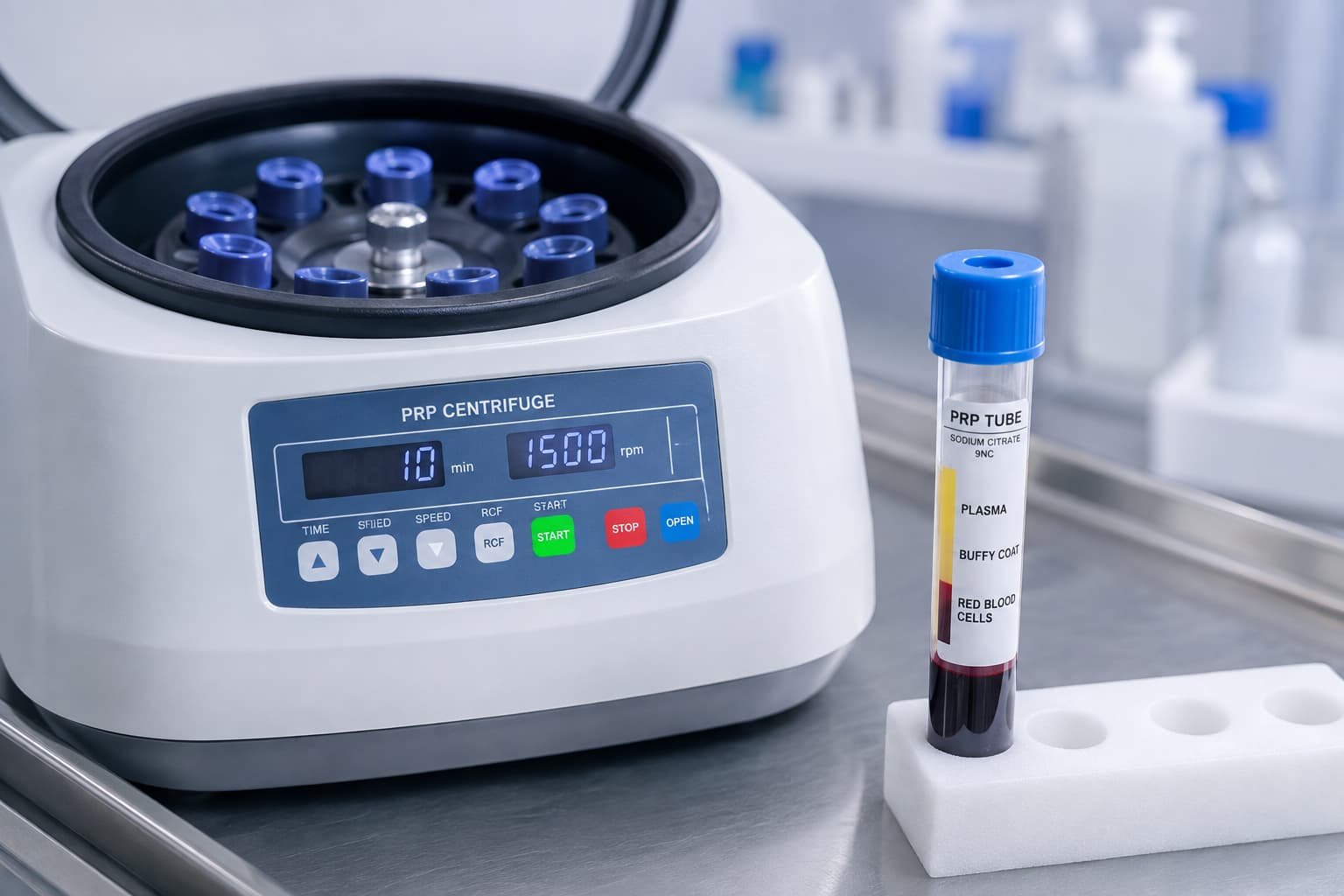
The P Shot, formally known as the Priapus Shot, uses platelet-rich plasma. Clinicians administer the injection directly into penile tissue. Platelet-rich plasma, or PRP, comes from a small sample of a patient’s own blood. First, a centrifuge separates platelets and growth factors from red blood cells and plasma. Next, the practitioner injects the concentrated platelet solution into specific areas of the penis using fine needles.
Clinics describe the P Shot for ED as a non-surgical treatment for erectile dysfunction in London and across the UK. Providers frame it as a natural ED treatment using PRP therapy. Notably, the injected material comes entirely from a patient’s own blood rather than a synthetic drug. Regenerative medicine specialists therefore classify it as PRP-based regenerative therapy for ED. This approach borrows principles from orthopaedic and dermatological PRP applications.
How the Injection Works
Growth factors within platelets appear to stimulate tissue repair, according to current theory. These factors may also encourage new blood vessel formation and support nerve regeneration. As a result, this process may improve blood flow to erectile tissue. In turn, it could strengthen the physical mechanisms behind an erection. Preclinical animal studies support parts of this theory. However, translation into consistent human results remains under active research.
Understanding Mild and Moderate Erectile Dysfunction
Clinicians measure erectile dysfunction severity using the International Index of Erectile Function, or IIEF-EF. This validated tool scores function from 6 to 30 points. Scores between 17 and 25 typically indicate mild to moderate dysfunction, while scores below 11 indicate severe dysfunction. Men in the mild-to-moderate category usually retain some spontaneous erectile function. Difficulty tends to appear as inconsistent firmness or trouble maintaining an erection during intercourse.
This distinction matters because most published research on this treatment has recruited men with mild or moderate scores. By contrast, researchers have not studied severe erectile dysfunction as thoroughly using penile PRP injection. This gap includes cases linked to nerve damage, advanced diabetes or post-surgical vascular injury. Severity level therefore directly shapes whether PRP therapy has any realistic role in an individual treatment plan.
Clinical Evidence: Does the P Shot for ED Work in Mild-to-Moderate Cases?
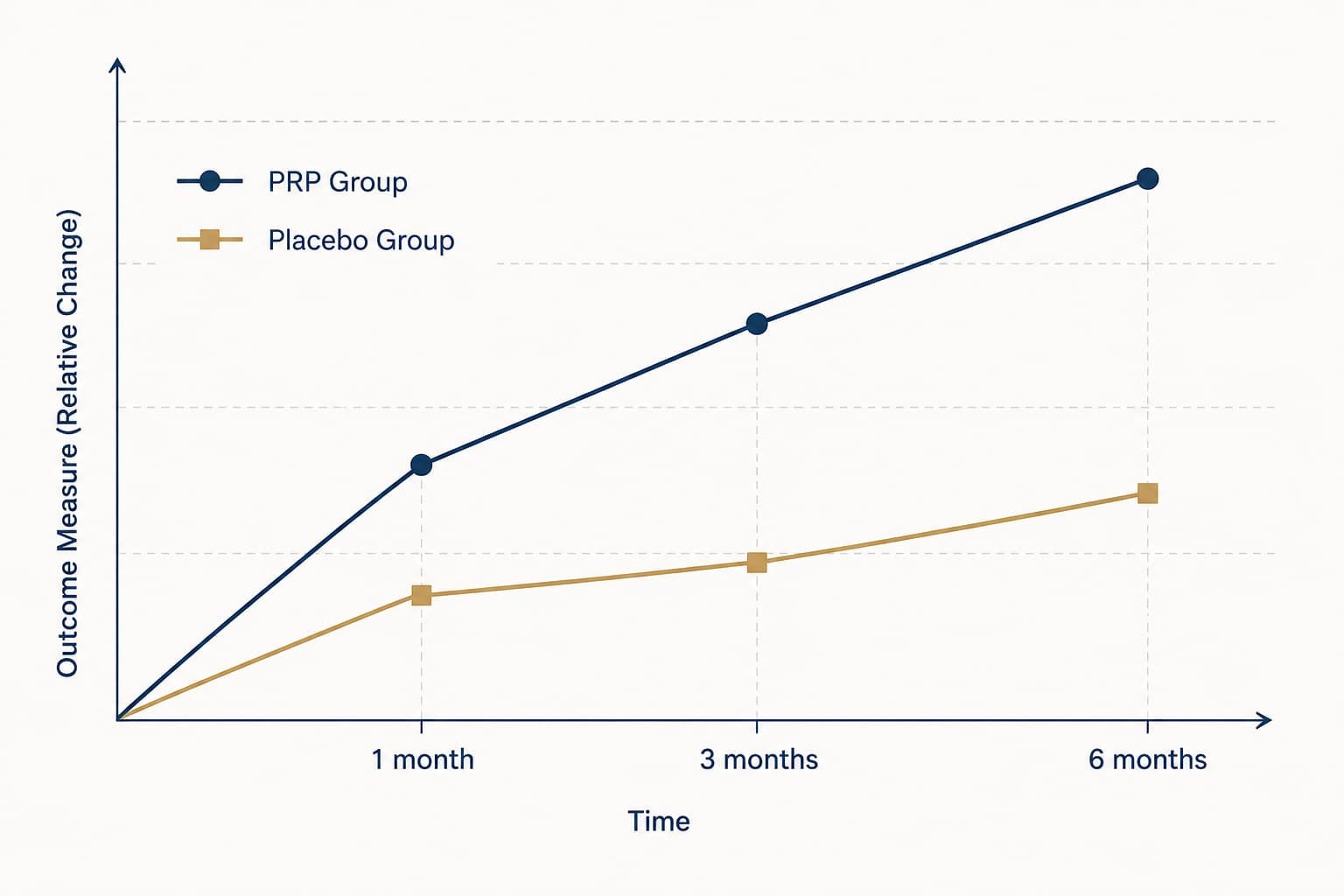
Published evidence on the P Shot for ED remains limited and mixed. For example, a frequently cited randomised, double-blind, placebo-controlled trial recruited sixty sexually active men with mild and moderate erectile dysfunction. Researchers ran the study at Aristotle University of Thessaloniki. Participants received two PRP injections, one month apart. At six months, 69% of the PRP group achieved a minimal clinically important difference in IIEF-EF score. Only 27% of the placebo group reached that same threshold.
Similarly, a separate randomised controlled trial in Urology reported comparable direction in 2023. Seventy-six per cent of the PRP group showed improvement at one month, against only 18% of the saline group. However, benefit only partially persisted at six months. These figures show a measurable early advantage over placebo, not a guaranteed or permanent cure.
Conflicting and Null Results
Not every trial agrees with these findings, however. A later randomised controlled study found no statistically significant difference in IIEF-EF scores. This null result applied to the PRP group and placebo group at both three and six months. Consequently, study authors concluded the data did not support PRP injections for mild-to-moderate erectile dysfunction. This contradiction between trials likely reflects small sample sizes. It also reflects differing PRP preparation methods and inconsistent injection protocols across research centres.
In addition, a 2023 systematic review in Sexual Medicine Reviews reached a cautious conclusion. Clinical data remain limited, and researchers still cannot fully explain the biological mechanism restoring erectile function. As a result, the review called for larger, standardised trials before researchers draw firm conclusions.
The 2025 Meta-Analysis
More recently, a 2025 meta-analysis pooled seven randomised controlled trials, covering 660 patients. Researchers found a statistically significant improvement in IIEF scores at twelve and twenty-four weeks compared with control groups. This represents the largest pooled evidence available for penile PRP therapy to date. It also offers a more favourable signal than several individual trials. That said, meta-analyses combining varied protocols still carry limitations, and longer-term durability beyond six months requires further confirmation.
Taken together, current literature suggests PRP injection may offer modest, time-limited benefit. This applies to some men with mild or moderate erectile dysfunction. Overall, no published trial demonstrates the P Shot reverses erectile dysfunction permanently or restores function to a healthy baseline level.
Regulatory and Professional Body Position
The American Urological Association and the Sexual Medicine Society of North America have both weighed in on this question. Both bodies classify PRP injection for erectile dysfunction as an investigational treatment. Joint guidance states that clinicians should offer patients proven treatment options first. Furthermore, providers should not routinely charge patients for investigational treatments outside a formal research setting. The European Association of Urology, meanwhile, has included low-intensity shockwave therapy in its sexual health guidelines. It has not, however, extended the same formal endorsement to PRP injection.
In the UK, the National Institute for Health and Care Excellence has issued no specific guidance on this treatment. NHS pathways for erectile dysfunction instead prioritise PDE5 inhibitor tablets and vacuum erection devices first. Intracavernosal alprostadil injections and, in selected cases, penile prosthesis surgery, follow next. A P shot treatment therefore sits outside these established NHS pathways. Currently, only private, self-funded clinics offer this treatment.
P Shot for ED Compared with Established Options
PDE5 inhibitor tablets, such as sildenafil and tadalafil, remain the first-line treatment for most men. Decades of large-scale trial data support this position. Vacuum erection devices and intracavernosal alprostadil injections, meanwhile, offer alternatives when tablets prove unsuitable. In addition, low-intensity shockwave therapy has gained formal guideline recognition for vasculogenic erectile dysfunction.
The Priapus Shot differs from these options because its evidence base remains smaller and less consistent. Men should therefore view PRP injection as a supplementary or exploratory option, not a replacement for first-line, guideline-backed treatments. A qualified clinician can explain where penile injection growth in confidence, rather than in physical function, might realistically occur. This distinction applies to any provider offering erectile dysfunction treatment London patients might consider. In every case, realistic sequencing of options matters more than the choice of any single procedure.
Who May Be Suitable for P Shot Treatment?
Suitable candidates for this treatment typically have mild or moderate erectile dysfunction. Clinical assessment should confirm this severity level first. Candidates should also have no untreated cardiovascular disease. Realistic expectations about modest, non-permanent improvement matter equally. Suitability assessment should therefore include a full medical history and relevant blood tests. Clinicians should also discuss previous ED treatments already tried. Beyond this, a clinician should rule out any reversible cause that remains unaddressed. Low testosterone and medication side effects offer two common examples worth ruling out before booking a P shot UK appointment.
Who Should Consider Other Options First
Some men are generally poor candidates for this treatment. For instance, this group includes those with severe erectile dysfunction, active bleeding disorders, or platelet dysfunction. Active penile infection and untreated vascular disease represent further exclusions. Similarly, erectile dysfunction caused mainly by psychological factors or hormonal imbalance usually needs a different pathway. In every case, a private consultation should rule out reversible causes first.
What Happens During P Shot Treatment
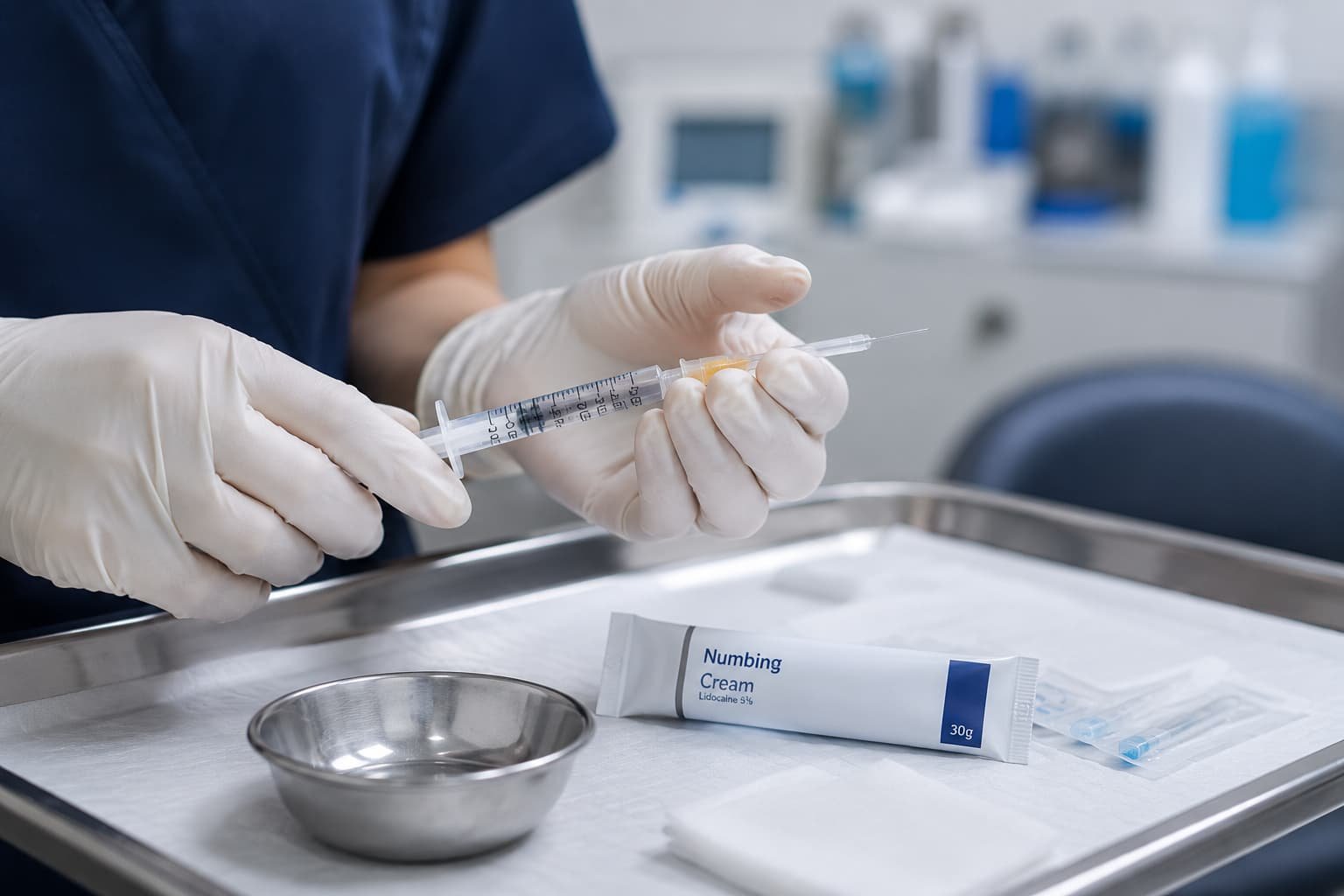
A P shot treatment session begins with a small blood draw, similar to a routine blood test. Next, a centrifuge concentrates the platelets into PRP. A topical or local anaesthetic then numbs the treatment area first. The practitioner then injects the PRP into set points along the shaft and base of the penis. The full appointment typically takes thirty to sixty minutes, and most men resume normal activity the same day.
Clinics offering P shot London appointments generally recommend an initial course of two to three sessions. Providers usually space sessions several weeks apart. Maintenance treatment may follow afterwards if the initial course shows benefit. Protocols vary between providers, reflecting the lack of one standardised injection technique in current research.
P Shot Before and After: Realistic Expectations
Interest in P shot before and after results runs high among prospective patients. However, photographic or subjective before-and-after comparisons cannot substitute for validated outcome measures such as IIEF-EF scores. Where genuine improvement occurs, trial data usually describe change in erection firmness and consistency rather than dramatic visual transformation. Men should therefore treat online before-and-after imagery with caution. Lighting, positioning and selective reporting can all distort perceived results.
Realistic outcomes, where present, tend to appear within four to six weeks of the final injection. Men may notice firmer spontaneous erections or an improved response to sexual stimulation. Some also report reduced reliance on medication dosage. Even so, response varies significantly between individuals. A proportion of men in every published trial show no measurable benefit at all.
Priapus Shot Price and Availability in London
Priapus shot price varies between London providers. Relevant factors include the number of sessions included, the PRP preparation system used, and the practitioner’s qualifications. Clinics typically quote costs per session or as a package covering an initial course. Since the NHS does not fund this treatment, patients meet all costs privately. Anyone researching a Priapus Shot London provider should therefore confirm the practitioner’s medical registration. In addition, ask which PRP system the clinic uses. Confirm whether follow-up review forms part of the package before booking.
Safety, Risks and Limitations
Reported side effects across published trials are generally mild. These include temporary bruising, swelling, and localised discomfort at injection sites. No trial has reported serious adverse events directly linked to the PRP injection itself. However, safety data remain limited by small trial sizes and short follow-up periods. As a result, rare risks may not yet appear fully characterised in current literature.
Even so, penile PRP injection carries some risk simply because it is an injection procedure, regardless of blood origin. Infection risk exists with any injection procedure. Outcomes therefore depend heavily on practitioner technique and sterile protocol. Choosing a registered medical practitioner with documented PRP training materially reduces procedural risk.
Lifestyle Factors and Adjunct Considerations
Erectile dysfunction rarely has a single cause. Consequently, PRP injection cannot correct underlying contributors such as smoking, uncontrolled diabetes or high blood pressure. NHS guidance consistently identifies cardiovascular risk factors as central to erectile dysfunction management. Blood vessel health directly affects erectile capacity. Weight management, smoking cessation, regular exercise and reduced alcohol intake remain evidence-based interventions. Indeed, these carry a far larger supporting trial base than PRP injection alone.
Some clinicians instead position a P Shot for ED as one part of a broader plan. It rarely works well as a standalone fix. Pelvic floor exercise and cardiovascular risk reduction may contribute to long-term erectile health. Psychological support for performance-related anxiety can help too, where relevant. Overall, any clinic presenting PRP injection as a complete substitute for these underlying factors is overstating current evidence.
Choosing a Provider for P Shot Treatment in London

London hosts a wide range of providers offering the Priapus Shot. Training, experience and clinical oversight vary considerably between clinics. Therefore, a registered medical practitioner should lead or directly supervise the procedure. The injection targets sensitive vascular and nerve-rich tissue. Verifying General Medical Council registration offers a reasonable minimum standard. Patients should also confirm documented PRP training before booking a P shot London consultation.
A thorough initial consultation should include a physical examination and a review of cardiovascular risk factors. Clinicians should also apply validated symptom scoring using the IIEF-EF questionnaire before and after treatment. Otherwise, clinics that skip structured baseline assessment make outcomes hard to judge. Reported improvement may reflect a genuine treatment effect, or simply natural symptom variation over time.
Frequently Asked Questions
Is the P Shot for ED clinically proven to work?
Evidence remains mixed. Several randomised trials show measurable short-term improvement over placebo, while at least one well-designed trial found no significant difference. However, a 2025 meta-analysis of 660 patients found significant improvement at twelve and twenty-four weeks, though long-term data remain limited.
How many sessions does P shot treatment typically need?
Most published protocols use two to three injections, spaced two to four weeks apart. Maintenance sessions every six months sometimes follow.
Is a P injection painful?
Clinicians apply local anaesthetic before injection. Most men describe the procedure as mildly uncomfortable rather than painful.
Can clinicians combine P Shot treatment with ED medication?
Some clinicians combine PRP injection with existing PDE5 inhibitor use. However, this decision should follow individual clinical assessment, not self-directed combination.
Is the P Shot suitable for severe erectile dysfunction?
Current trial evidence focuses almost entirely on mild-to-moderate cases. Researchers have not adequately studied severe erectile dysfunction using this treatment. Other pathways are usually more appropriate for that group.
Key Takeaways
The P Shot for ED occupies a genuinely uncertain position within erectile dysfunction treatment. Trial evidence shows a measurable, though inconsistent, short-term benefit for mild or moderate cases. Published studies also describe a broadly favourable safety profile. Even so, no trial has shown it can outperform or replace first-line, guideline-endorsed treatments such as PDE5 inhibitors. Regulatory bodies continue to classify it as investigational. The National Institute for Health and Care Excellence has issued no specific recommendation supporting its use.
Overall, men considering treatment for erectile dysfunction in London benefit most from a full clinical assessment first. This assessment should review underlying causes before anyone chooses a procedure, whether the case is mild, moderate or otherwise. Content on pshots clinic UK, led by Dr Syed Nadeem Abbas, a Harley Street practitioner, aims to support informed decision-making. Promoting any single treatment is not the goal. A gap still separates marketing claims from confirmed clinical evidence. So, what would a genuinely evidence-led approach to choosing an erectile dysfunction treatment look like for any individual man?
Read more: Understanding the Causes of Erectile Dysfunction: Psychological vs Physical Factors
P Shot Treatment: Procedure Steps, Recovery, Aftercare, and Results Timeline