Allergic Reactions to PRP: How Rare Are They with P Shot Treatment?

✅Medically reviewed | Updated August 2026
Fear of an allergic reaction stops many men from booking their first consultation, yet the biology behind P shot treatment makes that fear largely unfounded. Platelet-rich plasma comes from a patient’s own blood, not from a donor or a synthetic compound. This single fact reshapes the entire risk conversation. Search engines return plenty of vague reassurance on this subject but very few structured, evidence-based answers. This article sets out to close that gap. It examines what published clinical literature actually says about allergic reactions to PRP, explains the biological reason true rejection is so uncommon, reviews the side effects that do occur, and outlines what a properly regulated clinic does to keep the procedure safe. Men researching P shot London options deserve clear, structured information rather than marketing language, and that standard shapes every section below.
Understanding P Shot Treatment and Its Biological Basis
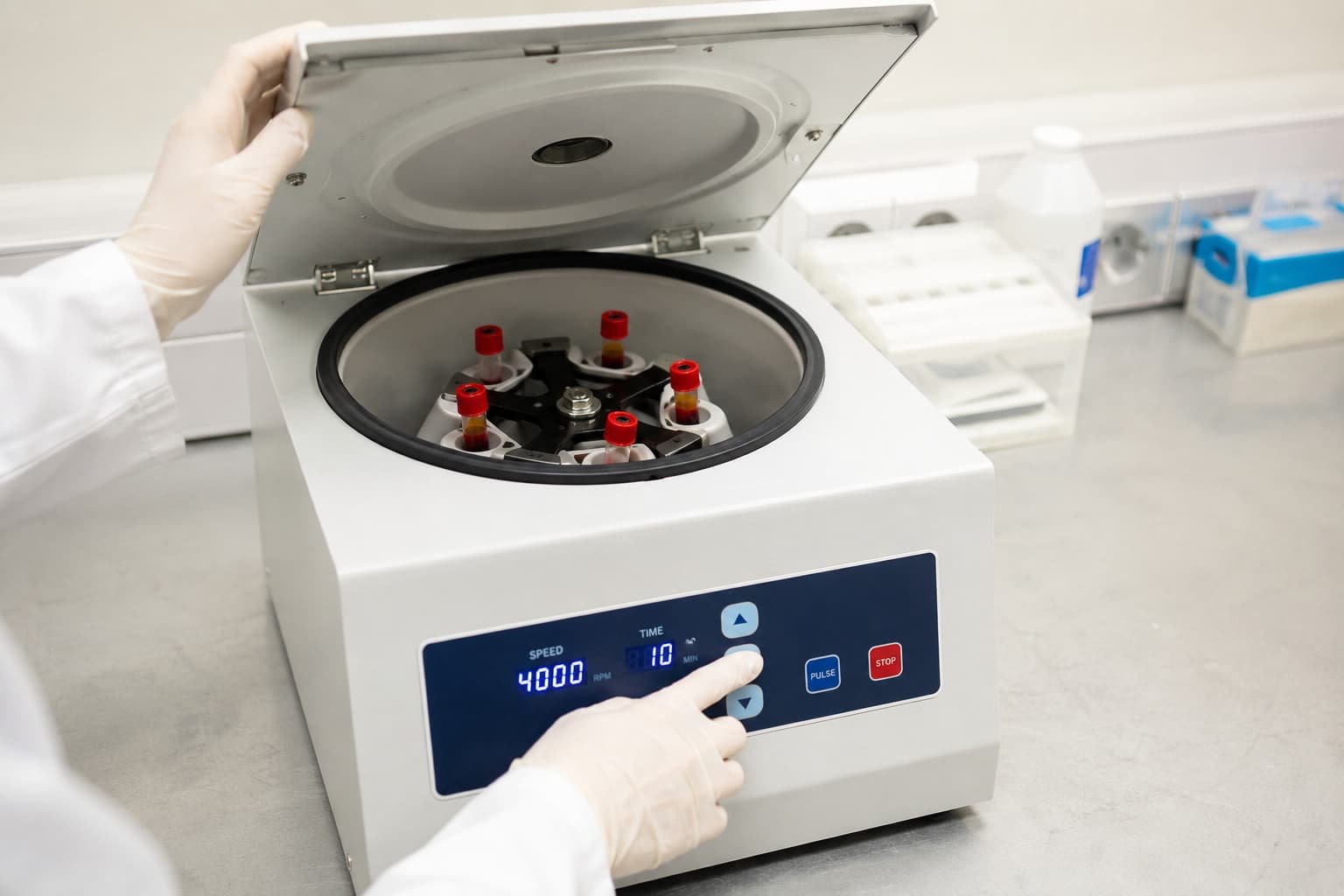
The Priapus shot, more formally known as PRP injection therapy for men’s sexual health, uses platelet-rich plasma drawn from a patient’s own arm. A trained clinician spins the blood sample in a medical-grade centrifuge to separate and concentrate platelets, growth factors, and healing proteins. The concentrated solution is then injected into specific areas of the penis using fine needles. This approach targets men experiencing erectile difficulty, reduced sensitivity, or seeking additional support alongside other options for erectile dysfunction treatment London clinics commonly provide.
What the Procedure Involves
A standard appointment lasts roughly 45 minutes from consultation to aftercare instructions. Numbing cream, or a local nerve block where appropriate, reduces discomfort during the penis shot injection itself. The procedure does not require general anaesthesia, sedation, or hospital admission. Most patients resume normal daily activity the same day, with only minor restrictions around exercise and sexual activity in the days that follow.
Why PRP Differs from Other Injectables
Dermal fillers, donor blood products, and many pharmaceutical injections introduce external material into the body. External material can trigger an immune response because the body has never encountered it before. Autologous PRP works differently. It reintroduces material the immune system already recognises as belonging to the patient. This distinction sits at the centre of the entire safety discussion around PRP-based procedures.
Can Allergic Reactions Occur After PRP Injection?
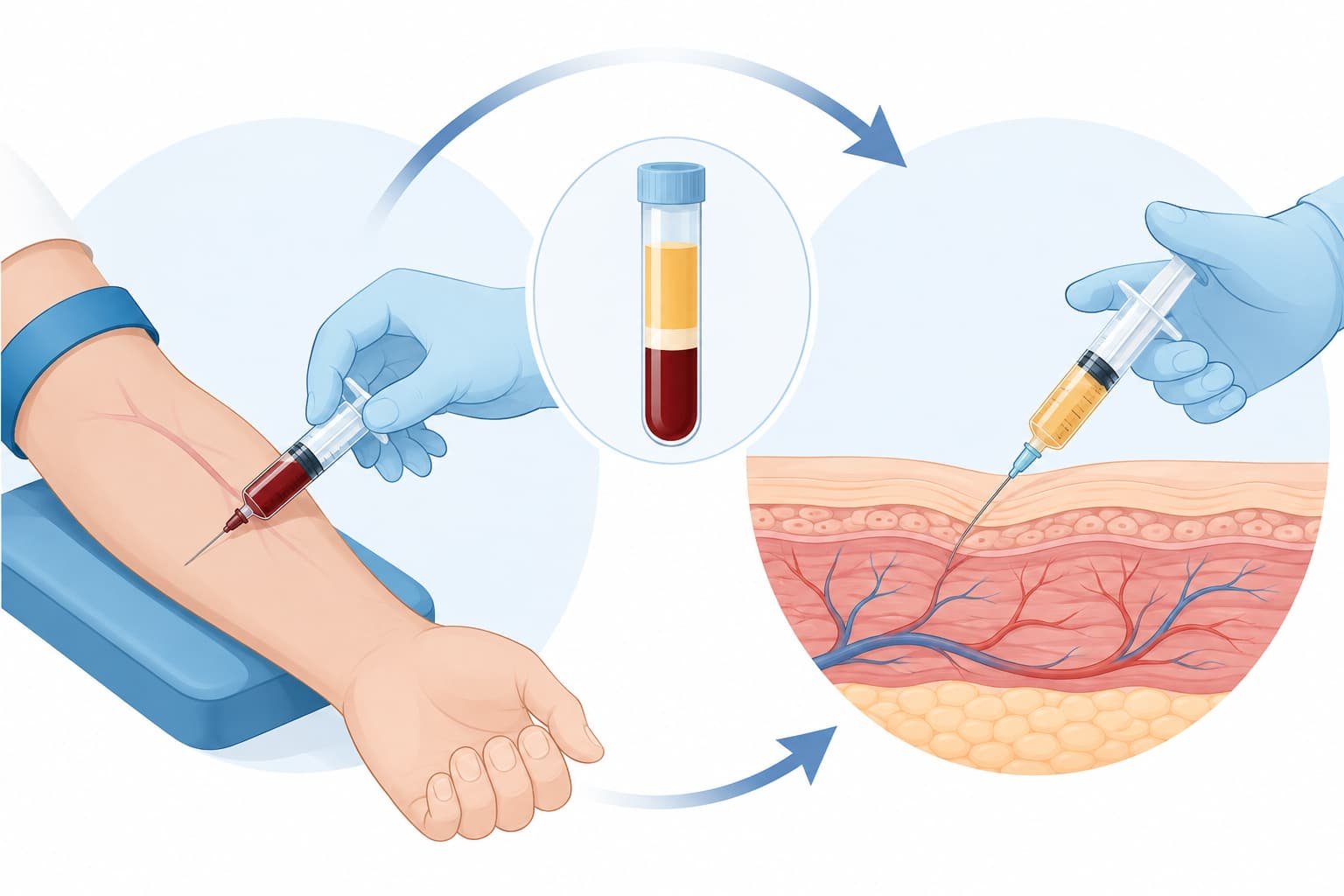
An allergic reaction happens when the immune system mistakenly identifies a substance as foreign and mounts a defensive response against it. Donor blood transfusions can trigger this response. Vaccines, certain medications, and synthetic dermal fillers can trigger it too. PRP rarely fits this pattern, because the plasma originates entirely from the same person receiving the injection.
The Autologous Nature of PRP
Doctors describe PRP as autologous, meaning it comes from the same individual who receives it. Autologous treatments carry a fundamentally lower allergy risk than donor-derived or synthetic alternatives. No foreign platelets, no donor plasma, and no external protein enter the bloodstream during a standard P shot treatment appointment. The immune system has no clinical reason to attack tissue it has recognised as its own for a lifetime.
Documented Reaction Rates in the Medical Literature
Systematic reviews examining PRP use in male sexual health consistently report low overall rates of adverse events. Allergic-type reactions attributed specifically to the platelet concentrate itself appear rarely, if at all, within published case series. Where reactions do occur, clinicians more often trace them to additives, local anaesthetic agents, or equipment-related factors rather than to the PRP solution itself. This pattern holds across the wider PRP literature, not only within studies focused on P shot treatment.
What the Evidence Actually Shows
Evaluating any regenerative procedure fairly means looking beyond marketing claims and toward recognised clinical sources rather than anecdotal reassurance.
NHS and NICE Positions on PRP Therapy
NHS guidance on blood-based procedures generally distinguishes between autologous and donor-derived products, noting that autologous techniques avoid the transmission and immune-related risks associated with donor material. NICE has reviewed platelet-rich plasma injections across several musculoskeletal applications through its interventional procedures programme, reporting a generally favourable safety profile with side effects that are typically mild and localised. Neither body currently issues condition-specific guidance for PRP use in erectile dysfunction. This means the treatment remains available through private clinics rather than routine NHS provision. The absence of NHS commissioning reflects the current evidence base and funding priorities, not a documented safety concern.
Peer-Reviewed Findings on Adverse Events
Peer-reviewed studies assessing PRP-based regenerative therapy for ED consistently report mild, localised side effects as the most common outcome. Researchers rarely list allergic reaction as a significant finding within these papers. Most published safety data instead focus on transient bruising, swelling, and mild discomfort at the injection site, findings that mirror the safety profile reported for PRP use in orthopaedic and dermatological applications.
Genuine Risks Associated with Priapus Shot Treatment
Every injectable procedure carries some risk, and PRP injection is no exception. Understanding the realistic risk profile matters more than chasing an unattainable zero-risk expectation that no medical procedure can genuinely offer.
Common, Mild Reactions
Bruising and Swelling
Needle insertion disrupts small blood vessels close to the skin surface. Mild bruising often follows and typically resolves within a few days without treatment. Swelling behaves similarly and usually settles on its own.
Injection Site Tenderness
Tenderness at the treated area is common within the first 24 to 48 hours following any penile injection procedure. Simple, medically appropriate pain relief generally manages this discomfort until it resolves.
Rare but Serious Considerations
Infection remains possible whenever a needle breaks the skin, though sterile single-use equipment and a clean clinical environment substantially reduce this risk. Reactions to local anaesthetic occur more frequently than reactions to PRP itself, since anaesthetic is the one component in the procedure not derived from the patient’s own blood. Persistent pain lasting beyond a few days, spreading redness, fever, or unusual discharge should prompt immediate contact with the treating clinic.
Vasovagal responses, such as light-headedness during the blood draw, occur occasionally and relate to the needle procedure rather than to any reaction against PRP itself. Clinics generally seat patients during the blood draw specifically to reduce this risk. Nerve irritation at the injection site is also possible, though published reports describe this as uncommon and typically temporary.
Factors That Influence Reaction Risk

Not every appointment carries an identical risk profile. Several variables shift the picture meaningfully.
Processing Method and Additives
Clinics that avoid unnecessary additives during PRP preparation reduce the number of variables capable of triggering sensitivity. Dual-spin centrifuge protocols separate platelets from red and white blood cells with greater precision, producing a cleaner plasma solution with fewer potential irritants.
Patient Medical History
Bleeding disorders, active infection, and certain autoimmune conditions increase procedural risk regardless of PRP’s autologous status. A thorough medical history review before treatment identifies these factors in advance and guides safe decision-making.
Clinic Standards and Practitioner Skill
Needle technique, injection depth, and sterile practice all influence outcomes independently of PRP biology. A regulated, doctor-led environment reduces the likelihood of complications that stem from technique rather than from the treatment itself.
Comparing P Shot Treatment with Other Penile Injection Options
Men researching male enlargement injections cost UK clinics offer often compare several approaches before deciding on a treatment path. Hyaluronic acid fillers, sometimes marketed under terms such as penile injection growth or simply p injection, introduce synthetic gel directly into penile tissue. These fillers carry a materially different risk profile from PRP because they involve foreign material rather than autologous plasma.
Priapus shot price and standard P shot UK pricing typically sit within a defined private-clinic range, reflecting the medical time, laboratory processing, and follow-up care involved rather than a purely cosmetic fee structure. Costs vary between providers depending on the number of sessions included, scheduled follow-up appointments, and whether shockwave therapy is combined with the injection. Prospective patients benefit from requesting itemised pricing before booking rather than relying on headline figures alone.
Compared with synthetic filler options, PRP avoids introducing any manufactured material into penile tissue. This does not make the procedure entirely risk-free, but it does place it in a distinctly different risk category from treatments using dermal filler compounds.
Demand for Priapus shot London appointments has grown steadily as awareness of regenerative medicine spreads beyond specialist clinics. This growth increases the importance of comparing clinics carefully rather than choosing based on price alone. A lower headline figure sometimes reflects fewer included follow-up appointments, a single-spin processing method, or delegation of the injection to staff other than the treating doctor. None of these factors relate to PRP biology, yet each one materially affects both safety and outcome.
Who Should Avoid This Treatment
Screening patients before treatment protects safety more than any single feature of the procedure itself. Clinicians generally advise against P shot treatment for men presenting with any of the following:
- An active genital infection or untreated sexually transmitted infection
- A diagnosed bleeding disorder or platelet dysfunction
- Current anticoagulant medication not yet cleared by a prescribing doctor
- Active cancer treatment involving the pelvic area
- A known allergy to local anaesthetic agents used during numbing
A careful, face-to-face consultation identifies these factors before a needle is ever picked up. This screening step protects patients far more than general reassurance about PRP’s biological origin alone.
What Results and Timelines Look Like Realistically
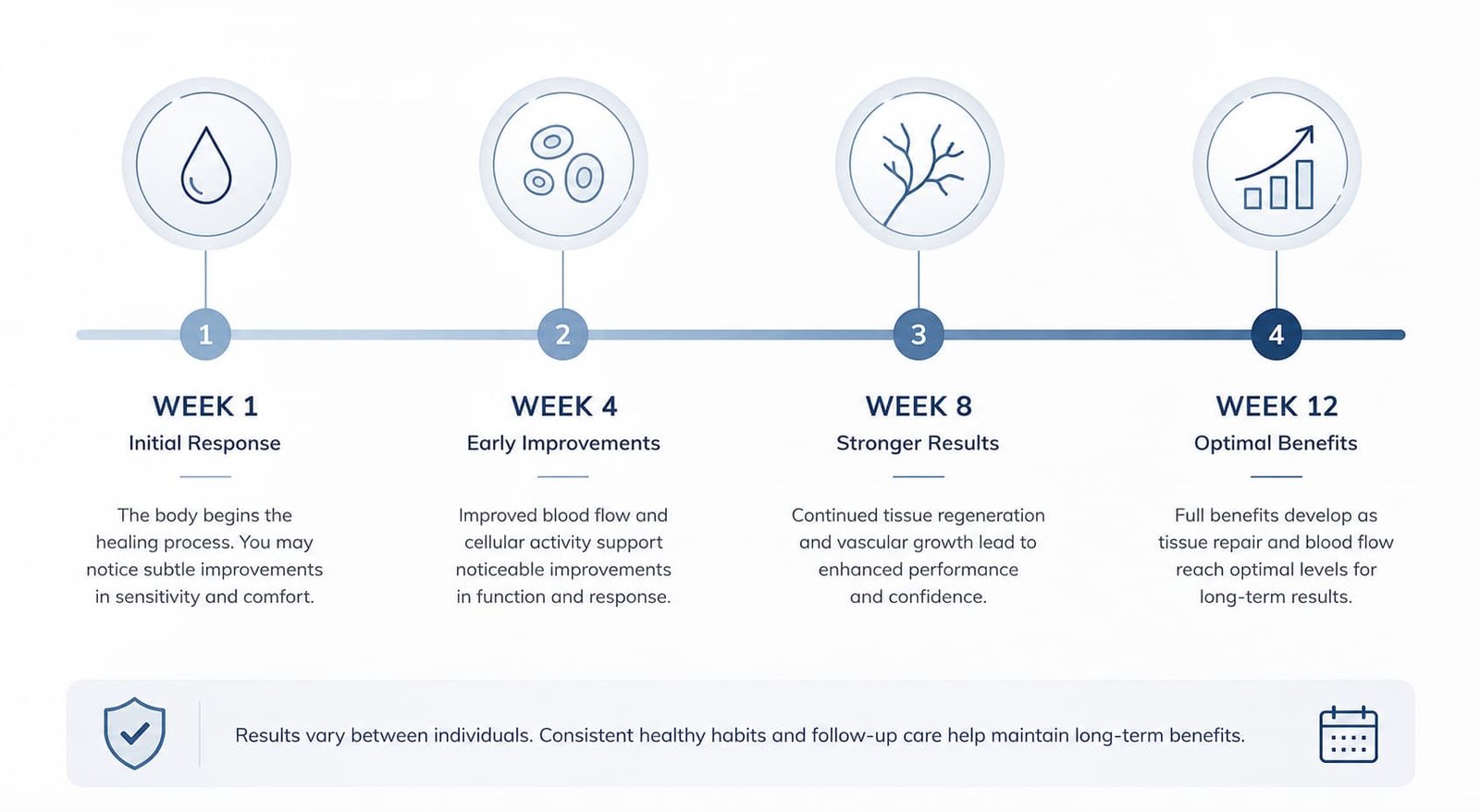
Expectations matter as much as safety when evaluating any regenerative procedure. Reviewing genuine P shot before and after cases, rather than heavily edited promotional images, gives a more accurate picture of likely outcomes. Published clinical reports describe gradual, cumulative change rather than immediate transformation. Some patients report early changes from around four weeks, with more noticeable improvement described between eight and twelve weeks following treatment.
Individual results vary, and P-shot before and after comparisons found online should be read as illustrative examples rather than guaranteed outcomes. PRP functions as a natural ED treatment using PRP therapy, supporting tissue repair and blood flow rather than replacing established medical treatments such as oral medication or vacuum erection devices where those remain clinically indicated. Framing PRP injection as one option within a broader non-surgical treatment for erectile dysfunction in London pathway, rather than a guaranteed cure, reflects the current evidence base accurately and avoids overpromising results.
Photographic comparisons circulating online also deserve scrutiny. Lighting, camera angle, and timing between images can exaggerate perceived change without any procedure taking place. A credible clinic presents timelines, consent details, and realistic caveats alongside any comparison image, rather than the image alone. Patients evaluating P shot before and after material should treat consistent lighting and a stated timeframe as minimum markers of credibility.
Choosing a Regulated Provider
Provider selection influences both safety and outcome more than any single biological property of PRP. A properly regulated clinic maintains sterile processing standards, screens patients thoroughly, and provides transparent, written aftercare instructions before a patient leaves the building. pshots clinic UK, a Harley Street clinic in Marylebone, London, led by Dr Syed Nadeem Abbas, is one example of a private provider offering this type of treatment within a doctor-led clinical setting, illustrating the standard of care recommended when researching P shot treatment more broadly. Verifying a practitioner’s medical registration, reviewing published pricing, and confirming who performs the injection personally are practical steps any prospective patient can take before booking a consultation.
Frequently Asked Questions
Can P shot treatment cause an allergic reaction?
Genuine allergic reactions to the PRP component are extremely rare, since the plasma originates from a patient’s own blood. Reactions to local anaesthetic are reported more commonly, though still uncommon overall.
Is this treatment safe for men with unrelated allergies?
Having unrelated allergies, such as food or seasonal allergies, does not automatically raise risk from PRP injection, because the procedure does not introduce donor or synthetic biological material. A full medical history review remains essential regardless of unrelated allergy status.
How does Priapus shot price compare across UK clinics?
Pricing varies by clinic, processing method, and included follow-up appointments. Requesting an itemised quote before booking allows a fair comparison between providers offering P shot UK treatment.
What is the difference between P shot treatment and other penile injections?
This treatment uses autologous PRP, while some alternative penile injections rely on synthetic filler material instead. This difference changes the underlying risk profile, since synthetic substances carry a higher theoretical allergy risk than a patient’s own plasma.
How soon do P shot before and after results typically appear?
Some patients report early changes from around four weeks, with fuller results described between eight and twelve weeks. Individual outcomes vary considerably, and no clinic can guarantee a specific timeline.
Is PRP injection a substitute for standard treatment pathways?
This treatment is generally positioned as a complementary or alternative option rather than a direct replacement for established erectile dysfunction treatment London clinics already provide. Suitability depends on individual medical history, best assessed through a proper consultation.
Key Takeaways
The biology behind P shot treatment offers a genuinely low allergy risk, since the procedure relies on a patient’s own blood rather than any donor or synthetic material. This does not eliminate risk altogether. Bruising, swelling, and mild discomfort remain the most likely side effects, while reactions to local anaesthetic occur more often than reactions to PRP itself. Sound decision-making depends on realistic expectations, transparent pricing, thorough medical screening, and a regulated, doctor-led clinical setting rather than on marketing claims alone. Men weighing this option against other treatments for erectile dysfunction should base that decision on published evidence rather than reassurance found on a website. Given how much the safety profile depends on clinic standards rather than on PRP biology alone, what specific questions would actually confirm whether a chosen provider meets that standard?
Read more: P-Shot Side Effects: What Are the Real Risks?