
Men researching a non-surgical treatment for erectile dysfunction in London often ask one question. Can the P Shot be repeated, and does repetition improve results. The Priapus Shot has become a widely discussed option. Men seek it as a natural ED treatment using PRP therapy. Yet clear guidance on repeat sessions remains surprisingly limited across most clinic websites. Marketing pages frequently promise dramatic improvement without explaining what current research actually supports. This article sets out the clinical evidence behind repeat treatment. It covers safety considerations and realistic outcomes patients should expect. It also examines timing, cost, and regulatory context. The factors that determine whether a further session adds measurable benefit are explained throughout. The goal is balanced, evidence-based information rather than promotional reassurance.
What Is the Priapus Shot?
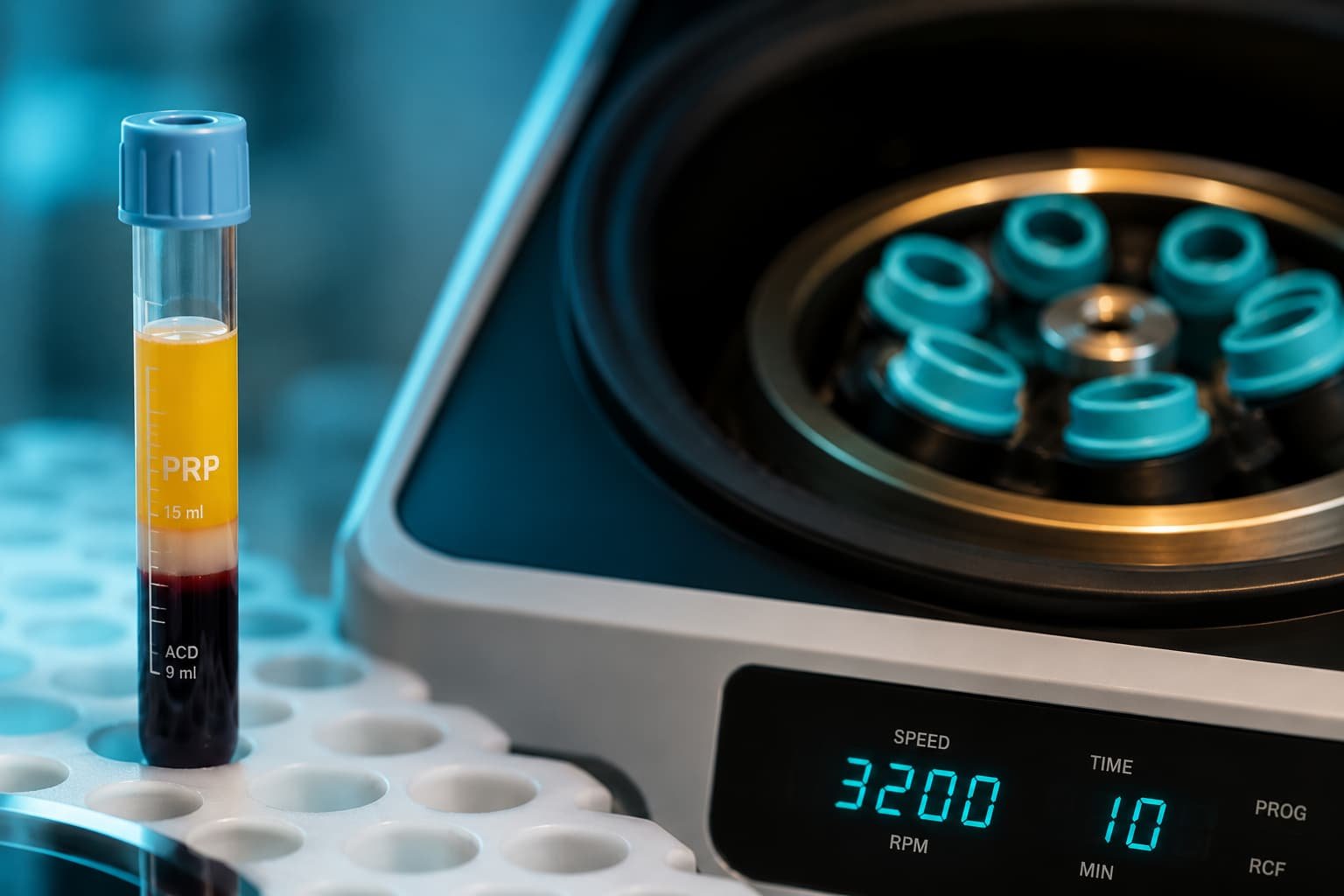
The Priapus Shot is widely referred to as the P Shot. It is a form of PRP-based regenerative therapy for ED. Platelet-rich plasma is prepared from a small sample of a patient’s own blood. A clinician separates the plasma using a centrifuge. This process concentrates platelets and growth factors. The solution is then injected into targeted areas of the penis. The technique aims to stimulate tissue repair. It also aims to encourage new blood vessel formation and support erectile function gradually.
The treatment is not classified as a licensed medicine. PRP is a blood-derived preparation, not a pharmaceutical product. It therefore does not carry manufacturer marketing authorisation in the way a licensed drug does. The National Institute for Health and Care Excellence has not published guidance specific to this injection for erectile dysfunction. Broader NICE evaluations of PRP therapy in other clinical areas note inconsistent evidence. Trial quality varies considerably across the wider PRP literature. This gap in dedicated guidance makes independent, evidence-based reporting particularly important for prospective patients.
Why Men Consider Repeating the Treatment
Some men notice improvement after a single session. Others report modest change, or effects that fade within months. This variation raises a reasonable clinical question. Does a second or third injection produce better or longer-lasting results than one procedure alone.
Clinics offering a P shot London service frequently structure treatment as a short course. This is rarely presented as a single visit. The rationale rests on how PRP is understood to work biologically. Growth factors released from platelets act gradually over several weeks. An instant effect should not be expected. Repeated exposure may, in theory, reinforce or extend that biological signal. However, robust trial data confirming a clear dose-response relationship remains sparse in peer-reviewed literature. Interest in repeat treatment often outpaces the evidence available to support it.
How the Treatment Works: The Science of PRP Therapy
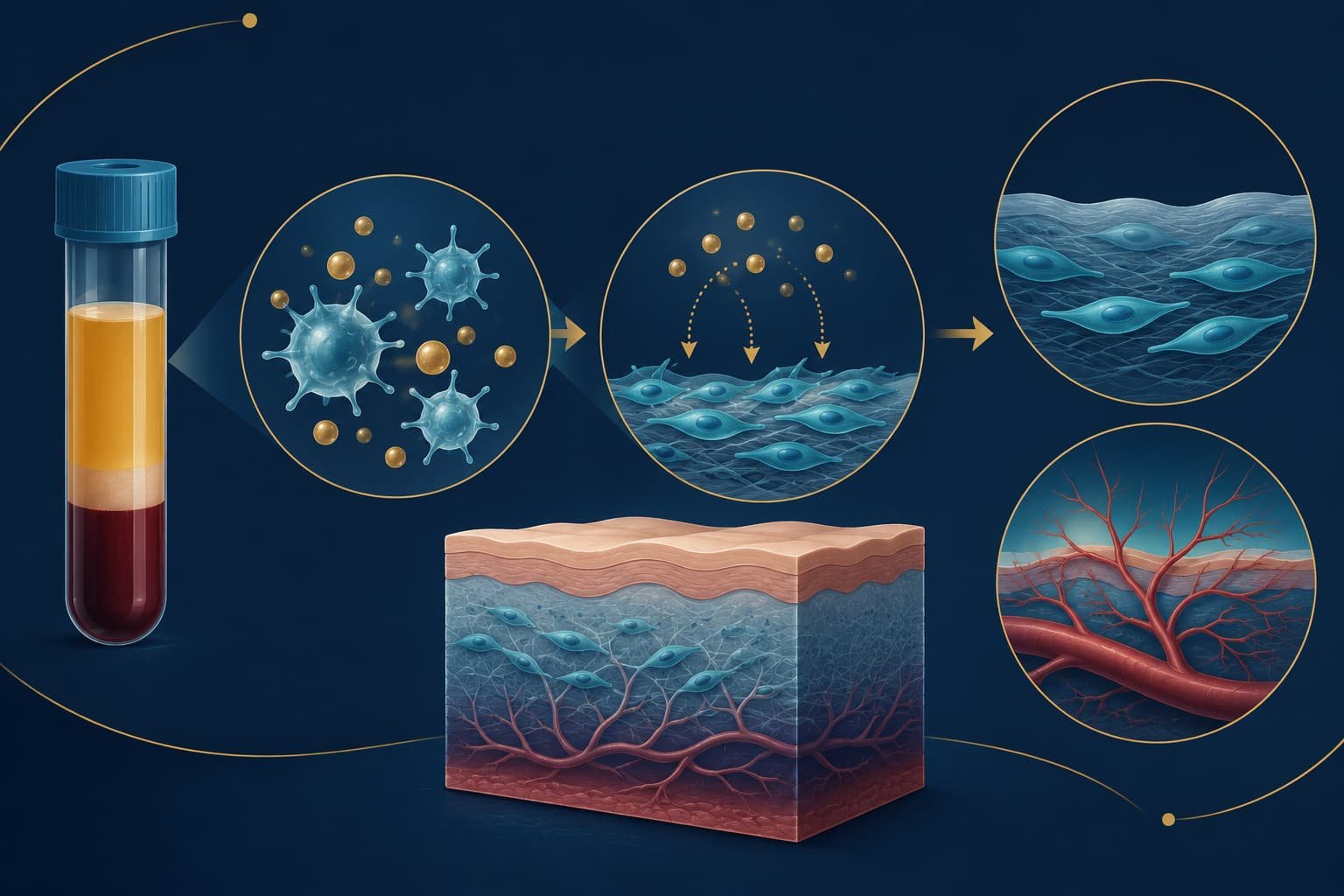
Platelet-Rich Plasma and Tissue Repair
Platelets contain growth factors involved in wound healing and tissue regeneration. When concentrated and injected into tissue, these factors are believed to encourage new blood vessel formation. Collagen production and cellular repair may also be supported. This mechanism underpins PRP use across several fields of regenerative medicine. These include orthopaedics, dermatology, and hair restoration, where larger evidence bases already exist. Platelet concentration achieved during preparation varies between devices and clinics. This variation may partly explain inconsistent results reported across the wider literature.
Mechanism of Action in Penile Tissue
Within penile tissue, PRP injections target the corpus cavernosum and the glans. The proposed mechanism involves improved blood flow and nerve tissue support. Mild structural remodelling of erectile tissue is also proposed. Peer-reviewed studies on PRP for erectile dysfunction remain small in scale and short in follow-up duration. A 2021 review published in Sexual Medicine Reviews reported promising early findings. It called explicitly for larger, placebo-controlled trials before firm conclusions could be drawn. This caution applies equally to single-session and repeated protocols.
Is It Safe to Repeat the Injection?
Evidence on Repeated PRP Treatment
PRP is generally considered lower-risk than many injectable treatments. This is because it uses autologous material, meaning it originates from the patient’s own body. The approach reduces the likelihood of allergic reaction or disease transmission compared with donor-derived products. Repeated PRP injections across other medical specialties, including musculoskeletal medicine, have not shown cumulative toxicity in existing literature. Data specific to repeated penile injection protocols remains limited. The broader safety profile of autologous PRP still supports cautious repetition under proper clinical supervision. Long-term registries tracking outcomes across multiple sessions are not yet widely established in this specific field.
Contraindications and Risk Factors
Certain conditions affect suitability for any penile injection, whether first or later. These include active infection, bleeding disorders, and use of blood-thinning medication. Abnormally low platelet counts are also a relevant factor. A qualified clinician should review these before every appointment, not only the first one. Skipping reassessment before a repeat procedure increases avoidable clinical risk. Men with poorly controlled diabetes should discuss this with a GP first. The same applies to men with cardiovascular disease or significant hormonal imbalance.
How Often Can the Treatment Be Repeated?
Initial Treatment Protocol
Many providers structure treatment as an initial course. This often involves one or two sessions spaced four to six weeks apart. This spacing allows time for the biological effects of the first injection to develop. Assessment should follow before deciding whether a further session is warranted. Objective measures should be used where possible, alongside patient-reported symptoms. Photographic documentation, when used, should be standardised for lighting and positioning.
Maintenance and Booster Sessions
Some men return for a booster injection roughly twelve to eighteen months later. The rationale is that regenerative effects may gradually diminish over time. This pattern has also been observed with PRP use in other tissues. No fixed interval is currently supported by strong, high-quality clinical evidence. Timing should reflect individual response and clinical judgement. It should not follow a rigid calendar applied uniformly to every patient. Clinicians should record outcomes at each visit to build an evidence trail specific to that individual.
Factors That Influence Repeat Treatment
Underlying Cause of Erectile Dysfunction
Erectile dysfunction has multiple possible causes. These include vascular disease, nerve damage, psychological factors, and hormonal imbalance. PRP injections primarily target tissue-level and vascular mechanisms. This approach is unlikely to resolve dysfunction rooted mainly in psychological or hormonal causes. NHS guidance recommends identifying the underlying cause before selecting any treatment pathway. A treatment aimed at the wrong mechanism is unlikely to improve with repetition alone.
Age and Baseline Vascular Health
Vascular health tends to decline with age. This affects how tissue responds to regenerative treatment. Men with significant vascular disease may see less benefit from repeated sessions. Men with milder or reversible circulatory issues tend to respond more consistently. A thorough medical history helps clinicians set realistic expectations before further treatment. Smoking, uncontrolled blood pressure, and poor cholesterol control can all reduce tissue response.
Response to the First Session
The strongest predictor of whether repetition will help is the first response. Men who report no measurable change after an adequately spaced initial session are different. Simply repeating the same procedure is less likely to help. Further clinical assessment, or a change in approach, is usually more appropriate.
Consultation and Assessment Before Further Treatment
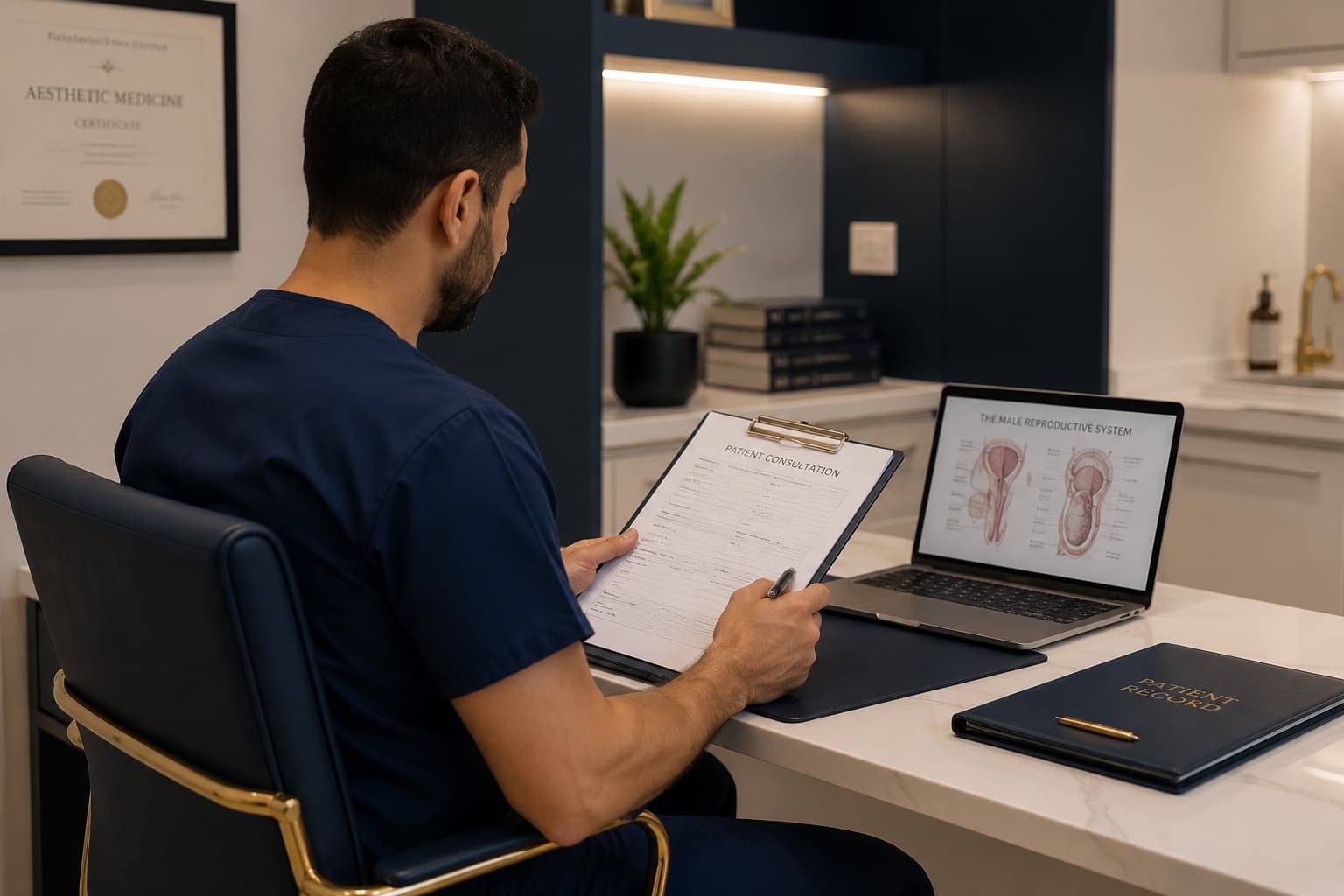
A clinical consultation before any repeat session should be thorough. Blood pressure, relevant blood tests, and current medication should all be reviewed. Lifestyle factors such as smoking and alcohol use also influence outcomes. Clinicians should document baseline erectile function using a validated tool. The International Index of Erectile Function is one commonly used measure. The same measure should be used again before recommending further injections. This structured approach distinguishes genuine clinical improvement from short-term placebo response. Placebo response is common in sexual health research generally. Written consent should be obtained again before each repeat procedure.
What to Expect from a Repeat Procedure
A repeat session follows a similar process to the first appointment. Blood is drawn, processed into PRP, and injected using a fine needle. Topical numbing cream is applied beforehand to reduce discomfort. The appointment usually takes around thirty minutes from start to finish. Mild swelling, bruising, or tenderness at the injection site are common. These effects typically resolve within several days. Sexual activity is usually discouraged for around one week afterward. This allows initial tissue healing to take place. Aftercare instructions should be reissued at each visit, since healing patterns can vary.
P Shot Before and After: Realistic Outcomes
Photographic before and after comparisons are widely used in penile injection marketing. This includes the growth P injection some clinics promote for size-related concerns. Visual comparisons should always be interpreted with caution. Lighting, positioning, and selective reporting can distort perceived change significantly. Peer-reviewed evidence does not support guaranteed increases in size from PRP injections. Reported benefits relate more consistently to erectile firmness and sensation. Confidence is also frequently reported, more so than measurable size change. Patients should ask clinics whether displayed images represent typical outcomes.
Cost Considerations for Repeat Sessions
Priapus shot price varies between clinics across London. This generally reflects differences in PRP processing technology and clinician experience. Included aftercare provision also affects overall pricing. The cost of P shot treatment across a full course should form part of any pre-treatment discussion. A repeat P Shot procedure typically costs a similar amount to the initial session. Blood draw, processing, and injection do not change substantially between visits. Men considering a course should request a written breakdown of total cost. This should cover all planned sessions before proceeding with any booking. Clinics vary in whether multi-session packages carry a reduced combined price.
Regulatory and Professional Standards in the UK
Clinics offering Priapus shot London treatment should operate under recognised medical governance. Prescribing clinicians should hold General Medical Council registration. Premises carrying out invasive procedures may also fall under Care Quality Commission oversight. The Medicines and Healthcare products Regulatory Agency oversees the broader framework for injectable products. Independent verification of a clinician’s registration is a reasonable step. Checking a clinic’s regulatory status is equally reasonable before booking any appointment.
Alternatives Worth Discussing First
Erectile dysfunction treatment London options extend well beyond PRP-based injections. Oral medication, vacuum erection devices, and lifestyle modification all form part of NHS-recommended pathways. Psychological support is also frequently recommended for managing erectile dysfunction. Some men benefit from combining these approaches with a P shot UK protocol. This may work better than relying on repeated injections alone. A GP remains the appropriate first point of contact. Underlying causes should be investigated before pursuing private aesthetic or regenerative treatment. Combining medical and lifestyle approaches often produces more consistent results than any single intervention alone.
Limitations and Realistic Expectations
Current evidence for PRP-based penile injections has notable limitations. This applies to repeated protocols as much as single sessions. Most published studies involve small patient numbers and short follow-up periods. PRP preparation methods are also inconsistent across different clinics and countries. No large-scale, randomised controlled trial has established a definitive repeat treatment schedule. Regulatory bodies classify autologous PRP preparations differently from licensed medicines. This affects the strength of formal guidance currently available. Marketing claims should be approached with appropriate scepticism. Information grounded in peer-reviewed research remains more reliable than testimonials alone.
Content on this topic is produced for pshots clinic uk. Consultations at this Harley Street clinic are led by Dr Syed Nadeem Abbas.
Current Research and Future Evidence
Interest in PRP-based sexual health treatments continues to grow across private clinics. Academic research has not kept pace with clinical uptake in this specific area. Most existing studies are observational rather than randomised and controlled. Sample sizes typically remain under one hundred participants across published papers. Larger, blinded trials would help clarify whether repeat sessions offer genuine additional benefit. Until such data exists, clinicians should rely on individual assessment rather than population-level assumptions. Patients are encouraged to ask providers directly about the evidence base behind any recommended treatment schedule. Transparent discussion of these limitations reflects good clinical practice, not a weakness in the treatment itself.
Frequently Asked Questions
Can the P Shot be repeated more than once?
Yes. Many clinics offer an initial course followed by optional booster sessions. Suitability depends on individual response and a fresh assessment at each visit.
How soon can a second session be given after the first?
Providers commonly space an initial two-session course four to six weeks apart. This interval allows time to assess the biological response beforehand.
Does repeating the treatment guarantee better results?
No treatment can guarantee results. Repetition may extend effects for some men. Others see limited additional benefit beyond the first session.
Is the procedure painful when repeated?
Topical numbing cream is typically applied before each appointment. Most men report mild, manageable discomfort rather than significant pain.
How long do the effects typically last?
Duration varies considerably between individuals. Some men report benefits lasting twelve to eighteen months. A booster session may then be considered.
Is Priapus Shot treatment suitable for every man with erectile dysfunction?
No. Suitability depends on the underlying cause, general health, and specific contraindications. A full medical consultation should confirm eligibility.
What happens if repeated sessions produce no improvement?
Further assessment is warranted. A clinician should reconsider the underlying diagnosis. Repeating an identical procedure indefinitely is not appropriate.
Should results be documented between sessions?
Yes. Recording symptoms, function, and any side effects supports a more accurate assessment. This record helps determine whether further treatment is clinically justified.
Key Takeaways
Repeating the P Shot may extend benefits for some men. This rests on the biological rationale behind PRP-based regenerative therapy for ED. Evidence supporting a fixed repeat schedule remains limited, however. Outcomes vary considerably between individuals. Decisions about repeat treatment should rest on documented clinical assessment. Measured response to prior sessions matters more than marketing claims. Before and after photography alone should not drive the decision. Informed decisions depend on evidence, not on promises. Current clinical evidence still leaves gaps around repeat treatment. What should guide that decision instead: personal experience, structured clinical assessment, or a considered combination of both?
Read more: How Many P-Shot Sessions Do You Need? One vs a Series of Treatments


