
Autologous platelet-rich plasma treatments depend entirely on the cellular quality of the patient’s blood. Ultimately, cellular health directly determines tissue regeneration outcomes. For instance, cellular health determines long-term vascular repair. Furthermore, systemic physiological factors influence the baseline concentration of essential growth factors. These factors include standard metabolic profiles, systemic inflammation levels, and cellular hydration states. Consequently, lifestyle choices modify these metabolic and inflammatory variables significantly.
Chronic consumption of toxins creates persistent cellular stress. As a result, this stress decreases the therapeutic potential of autologous plasma fractions. Therefore, patients must maintain a healthy vascular baseline. This baseline successfully supports the physiological cascade required for tissue biostimulation. Moreover, medical evidence shows that specific systemic inhibitors impair cellular migration. These inhibitors also stop cellular proliferation and tissue remodeling. By understanding these biological factors, patients can easily achieve optimal clinical outcomes from regenerative medical interventions.
Introduction to Platelet-Rich Plasma Therapy
Platelet-rich plasma therapy uses the patient’s own blood components to stimulate healing. Specifically, the process isolates concentrated platelets from a whole blood sample. These platelets contain heavy stores of vital growth factors. In turn, these proteins initiate natural tissue repair mechanisms inside human bodies. The clinical treatment effectively helps regenerate damaged blood vessels. In addition, it encourages the growth of new healthy tissues. Therefore, this therapy provides an advanced PRP solution for erectile dysfunction.
Currently, doctors use this treatment widely across the United Kingdom. For example, it offers an innovative, non-surgical treatment for erectile dysfunction in London. The medical procedure focuses entirely on natural tissue healing. Thus, it completely bypasses the need for daily synthetic drug options. Because the treatment process relies heavily on healthy biological reactions, patient health habits directly impact the final success rates.
Understanding the Mechanism of the P Shot London
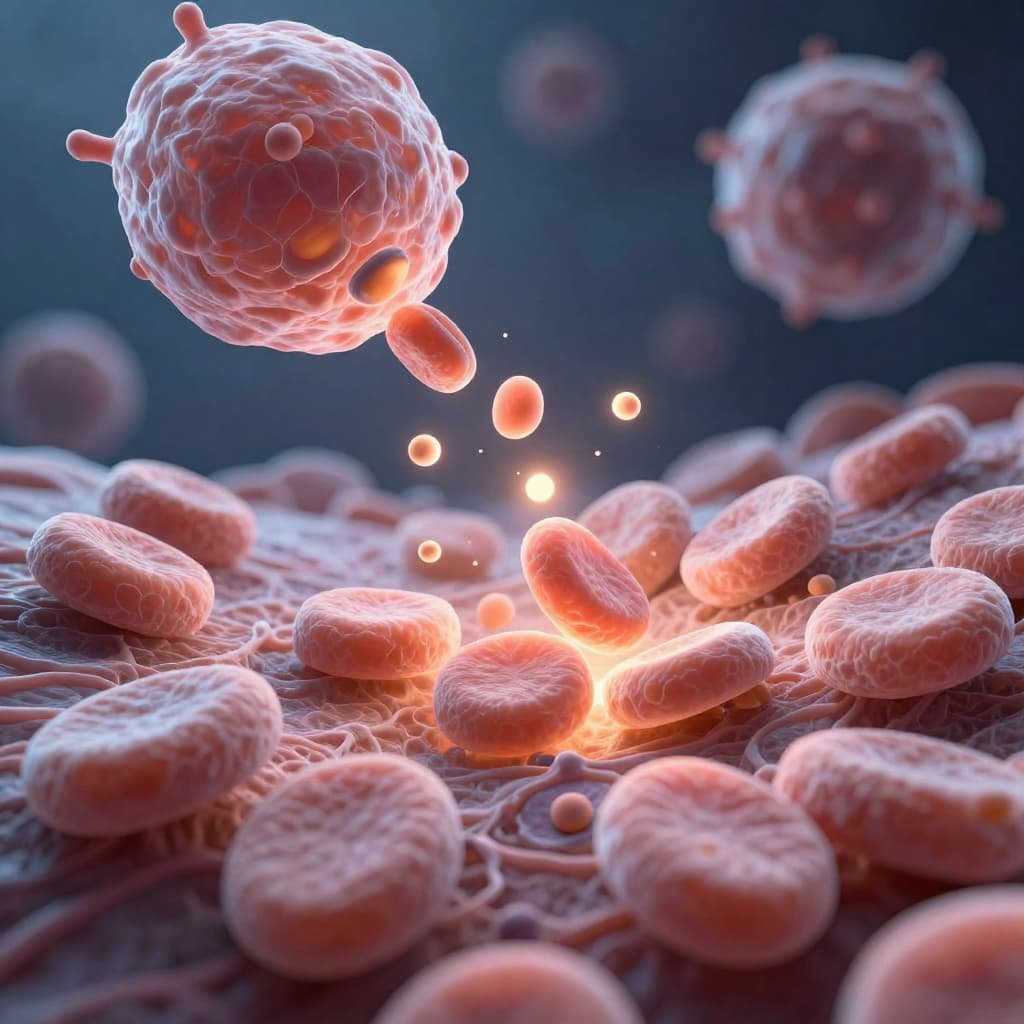
The P shot in London treatment process begins with a standard blood draw. First, the practitioner places this blood sample inside a specialised centrifuge machine. Next, the machine spins the blood sample at very high speeds. This mechanical process isolates the platelet-rich plasma layer effectively. Because the concentrated plasma contains high numbers of growth factors, the medical clinician carefully prepares this autologous fluid for target area delivery.
Subsequently, the practitioner extracts the concentrated fluid into specific syringes. The clinician then administers the P shot directly into the penile tissues. Specifically, the injection targets the corpus cavernosum chambers. Additionally, the clinician treats the corpus spongiosum tissues. This precise delivery ensures optimal coverage of the vascular network. However, the process requires precise clinical skills to achieve targeted placement.
Cellular Signaling and Tissue Regeneration
In terms of operation, the P-shot functions via localized cellular signaling. The injected platelets release key growth factors almost immediately. These include vascular endothelial growth factor and fibroblast growth factor. Consequently, these compounds trigger the formation of new blood vessels. The biological term for this vascular process is angiogenesis. Therefore, the procedure serves as an advanced P shot treatment option.
Ultimately, the medical procedure relies entirely on the natural healing response. The priapus shot successfully stimulates the migration of local stem cells. Over time, these stem cells transform into healthy functional tissues. This tissue change improves local blood flow dynamics significantly. As a result, the penis shot approach addresses the root structural causes of erectile issues. It stands to reason that it avoids the short-term symptom mask of oral drugs.
Broad Therapeutic Applications in the UK
Furthermore, clinicians utilize the P shot UK wide protocol for multiple sexual conditions. While the primary therapeutic indication remains organic erectile dysfunction, the treatment also addresses specific symptoms of Peyronie’s disease. For instance, it helps break down internal fibrous plaques effectively. Thus, the procedure is an established regenerative treatment for male health in the UK market.
In conclusion, the clinical results depend on healthy tissue growth over several months. Patients gradually experience improvements in structural firmness and sensitivity. For this reason, the treatment offers a dependable natural ED treatment using PRP therapy methods. However, patients should view the intervention as a multi-stage biological building process. Each treatment session relies heavily on the patient’s internal healing capacity.
The Short-Term Physiological Effects of Alcohol
Alcohol consumption changes human cardiovascular function within minutes. Specifically, ethanol acts as a direct vasodilator on peripheral blood vessels. This action causes immediate widening of the superficial vascular network. Consequently, this widening drops central blood pressure levels rapidly. The body then responds by increasing the resting heart rate. Unfortunately, this reaction puts unnecessary stress on the circulatory system.
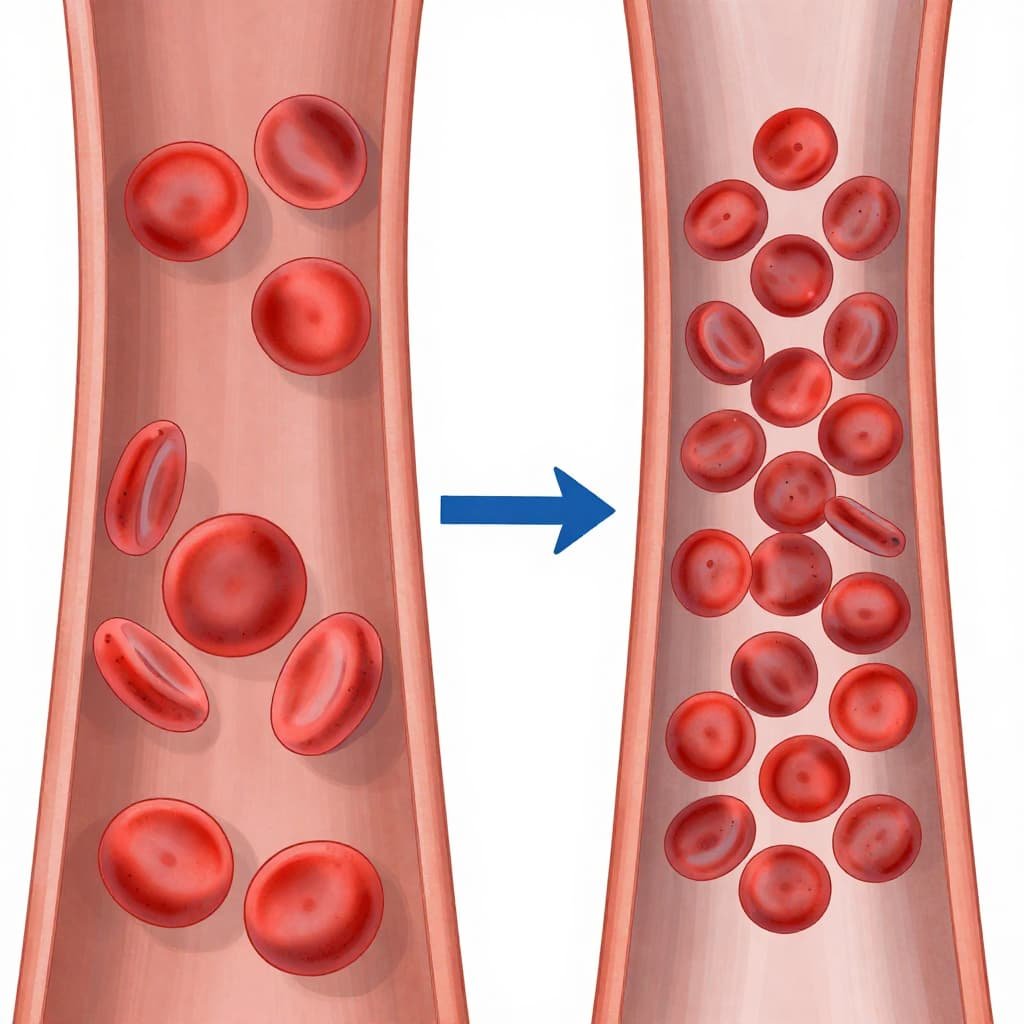
Meanwhile, ethanol inhibits the release of anti-diuretic hormone inside the brain. This hormonal suppression causes rapid fluid loss through the kidneys. The resulting dehydration reduces total blood volume levels quickly. Simultaneously, it increases the viscosity of the remaining blood components. Dehydrated blood moves much less efficiently through small capillaries. Therefore, this state severely alters the micro-circulation required for proper tissue recovery.
In addition, acute alcohol intake alters normal blood clotting mechanisms. For example, ethanol reduces the production of thromboxane A2 inside platelets. This change decreases the natural aggregation capacity of blood cells. As a result, it increases individual bleeding times after needle punctures. This effect directly raises the risk of localized bruising around injection areas. Furthermore, dehydration lowers the total fluid volume available during plasma extraction.
The Long-Term Impact of Chronic Alcohol Consumption
Chronic alcohol use damages the delicate vascular endothelial lining permanently. Normally, the endothelium controls the relaxation and contraction of arteries. However, ethanol abuse reduces the synthesis of endothelial nitric oxide synthase. This enzyme produces the nitric oxide needed for healthy erections. Without nitric oxide, blood vessels cannot dilate properly. Eventually, this structural failure leads to persistent erectile dysfunction over time.
In addition to vascular damage, long-term alcohol abuse alters regular hormone production pathways. It significantly increases the conversion of testosterone into oestrogen. This conversion takes place inside fat tissues via aromatase enzymes. The resulting hormone imbalance reduces male libido levels significantly. Moreover, it slows down the tissue regeneration processes. Lower testosterone levels directly weaken the penile tissue repair cycle.
Finally, persistent alcohol intake induces systemic oxidative stress throughout the body. It rapidly depletes natural antioxidant reserves like glutathione. This depletion leads to high levels of free radical damage. Consequently, free radicals damage cell membranes within the male reproductive organs. This ongoing damage severely impairs the long-term effectiveness of PRP therapy for men’s performance issues.
How Alcohol Directly Undermines P Shot Results
This section addresses the direct ways alcohol disrupts treatment outcomes, broken down into key physiological barriers.
Platelet Deactivation and Receptor Blockage
First and foremost, alcohol consumption blocks the biological benefits of the P shot London treatment. Platelet activation requires an undamaged cellular environment. However, alcohol alters the structural integrity of platelet membranes. This alteration effectively stops the proper release of growth factors. The treatment fails when platelets cannot secrete these healing signals. Clearly, this undermines the men’s intimate health treatment in London.
Secondly, the presence of ethanol decreases local cell signaling efficiency. Growth factors must bind to specific cell receptors to work properly. But alcohol interferes with these receptor sites on target tissues. This interference stops the activation of localized stem cells. Because the body cannot build new blood vessels without stem cell activation, the PRP-based regenerative therapy for ED loses its primary mechanism.
Collagen Inhibition and Hypoxia
Furthermore, alcohol slows down the synthesis of new structural collagen fibers. Collagen provides the physical framework for new blood vessels. Ethanol inhibits the function of fibroblasts in the penile tissues. This inhibition leads to weak tissue repair and poor structural outcomes. As a result, the expected penile injection growth benefits fail to develop properly. Thus, patients experience reduced improvements in structural firmness.
Similarly, dehydration from alcohol restricts nutrient delivery to the healing zones. Tissues always require a steady supply of oxygen to regenerate. Thick, dehydrated blood cannot access the microscopic capillaries easily. This restriction causes localized tissue hypoxia in treated areas. Consequently, hypoxia forces the newly injected cells into premature cell death. This destructive process heavily limits the results of the p injection therapy.
Lastly, alcohol elevates systemic inflammatory markers like C-reactive protein. Chronic inflammation destroys healthy growth factors prematurely. This destruction cuts short the therapeutic window of the plasma injection. Therefore, the body clears the helpful proteins before tissue repair completes. This negative dynamic completely compromises the final efficacy of the Priapus shot London procedure.
Summary of Pathological Alcohol Interference
- Platelet Suppression: Suppresses thromboxane A2 synthesis, leading to inadequate growth factor release.
- Nitric Oxide Reduction: Inhibits endothelial relaxation, compounding erectile dysfunction treatment London clinic baseline resistance.
- Systemic Diuresis: Drives severe acute dehydration, reducing extractable autologous plasma volume.
- Hormonal Overdrive: Elevates oestrogen conversion pathways, depressing standard tissue repair speed.
- Fibroblast Inhibition: Shuts down structural collagen construction inside the corpus cavernosum.
Clinical Preparation: Guidelines Before Treatment
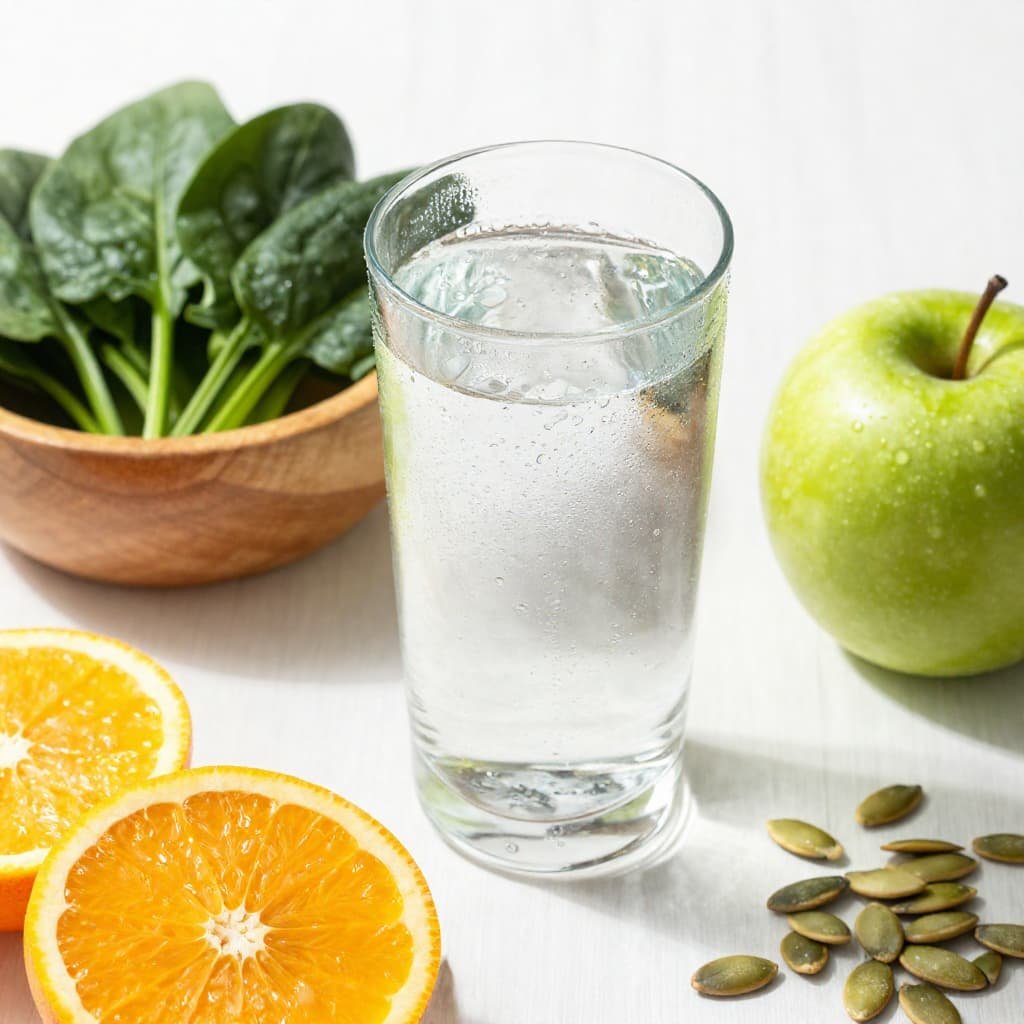
Patients must follow strict rules before undergoing the P shot London procedure. For this reason, medical clinicians advise stopping all alcohol intake before the appointment. Specifically, patients should avoid alcohol for at least seventy-two hours prior. This abstinence ensures proper hydration levels in the blood. Additionally, it allows platelet aggregation characteristics to return to a normal baseline level.
Meanwhile, proper hydration is vital during the pre-treatment phase. Patients should drink at least two litres of water daily. This fluid intake increases the total volume of extractable plasma. Consequently, it makes the blood separation process much more efficient. For the same reason, patients must also avoid anti-inflammatory medicines like ibuprofen. These drugs block platelet function in a similar way to alcohol.
Furthermore, maintaining a balanced diet supports the quality of the blood plasma. Patients should eat nutrient-dense foods rich in vitamin C and zinc. These nutrients assist with subsequent collagen production. Moreover, patients should get adequate sleep before the medical session. Rested bodies maintain stable hormone levels. In turn, stable hormones support better cellular responses to the erectile dysfunction treatment London clinic provides.
Post-Treatment Care and Recovery Protocols
The post-treatment window requires careful attention to lifestyle habits. First, patients must not consume alcohol for forty-eight hours after the injection. This restriction prevents excess bleeding at the puncture sites. Alternatively, it reduces the likelihood of developing significant penile bruising. Most importantly, avoiding alcohol preserves the initial wave of growth factor release.
Secondly, patients must maintain high hydration levels after the therapy. Clean water helps flush metabolic waste products from tissues. It also supports the active transport of nutrients to the healing areas. Therefore, patients should continue drinking clear fluids throughout the first week. This habit successfully ensures a stable environment for new blood vessel growth.
Physical and Sexual Restrictions

In addition, patients must avoid strenuous exercise for twenty-four hours post-treatment. However, light walking is acceptable as it promotes healthy systemic circulation. Conversely, patients should avoid hot baths, saunas, and steam rooms. High heat can increase local swelling in the treated areas. Meanwhile, keeping the area clean prevents secondary bacterial infections from developing.
Finally, patients should avoid sexual activity for three days after the procedure. This pause allows the internal injection tracks to close completely. Furthermore, it prevents mechanical stress from disrupting the freshly placed plasma. Patients must report any unusual pain or rapid swelling immediately. By following these guidelines, patients ensure an uninterrupted tissue recovery phase.
Comparing P Shot Outcomes: Alcohol Users vs. Abstainers
Clinical observations show clear differences in P shot before and after assessments. For example, patients who abstain from alcohol show rapid symptom improvement. They report better tissue sensitivity within the first few weeks. Moreover, their tracking scans demonstrate increased vascular density in the treated chambers. Ultimately, these men achieve the maximum potential of the regenerative treatment.
On the other hand, patients with high alcohol intake show slower response rates. Their P-shot before and after metrics remain suboptimal for months. Consequently, they often require extra injection sessions to achieve standard outcomes. Because the chronic vascular damage from alcohol slows down tissue repair, these individuals often experience disappointing results from their medical investment.
Financial Considerations and Pricing Dynamics
The total cost of treatment represents a significant financial commitment. However, the average priapus shot price varies across different UK medical providers. Premium clinics reflect the use of regulated medical equipment. They also reflect the advanced training levels of the clinical team. Therefore, patients should avoid cheap offers from unregulated provider locations.
To understand the full male enlargement injections cost uk, one requires looking at long-term value. A single injection session may not satisfy complex medical needs. Instead, most patients require a structured protocol of multiple treatments. Protecting this financial investment means following all clinical advice. In contrast, alcohol use significantly reduces the value of the money spent on treatments.
Clinic Spotlight: Premium Care in Marylebone

The medical team at pshot clinic uk provides expert regenerative treatments. Specifically, the London clinic operates from the prestigious Marylebone medical district. The clinical lead is Dr Syed Nadeem Abbas. Regarding his qualifications, they include an MBBS and MRCS from the Royal College of Surgeons of Edinburgh. He also holds an MRCGP and an MSc in Aesthetic Plastic Surgery with Distinction from Queen Mary University, London.
Furthermore, he completed his medical training at Cambridge, Oxford, and the Royal London Hospital. This extensive background successfully ensures high standards of clinical care. Consequently, patients receive premium attention during every non-surgical treatment for erectile dysfunction in London.
Realistic Expectations and Scientific Limitations
The treatment does not provide immediate structural changes. Generally, tissue regeneration takes between eight and twelve weeks to manifest. Furthermore, the therapy cannot fix severe mechanical nerve damage. It is also less effective for advanced arterial disease caused by long-term smoking. Therefore, patients must have realistic expectations about biological timelines.
Ultimately, individual medical outcomes depend heavily on baseline health status. For instance, younger men with mild vascular issues respond fastest. On the contrary, older patients with complex metabolic diseases require more time. The treatment does not guarantee permanent results for every person. Because of this, maintenance sessions are often required every twelve to eighteen months. Lifestyle optimization remains mandatory for long-term clinical success.
Frequently Asked Questions
Can I drink a single glass of wine after my treatment?
Medical clinicians strongly advise against drinking any alcohol for forty-eight hours post-treatment. Even small amounts of ethanol cause peripheral vasodilation. Consequently, this effect increases the risk of bleeding and bruising. Alcohol also alters immediate cellular signaling between platelets and stem cells.
How many days before the procedure must I stop drinking?
You must stop drinking alcohol at least seventy-two hours before your appointment. This timeline allows your liver to clear metabolic toxins completely. Additionally, it ensures proper hydration levels in your bloodstream. It also allows platelet aggregation behaviors to return to normal.
Does alcohol completely destroy the results of the injection?
Alcohol does not completely destroy the injection, but it reduces the overall effectiveness. Ethanol impairs growth factor release and restricts localized collagen synthesis. This leads to substandard tissue repair and fewer new blood vessels. Therefore, it compromises your final clinical outcome.
What are the signs that alcohol has affected my recovery?
Increased bruising around the injection sites is a common sign. Alternatively, persistent swelling or a lack of sensitivity changes can also indicate poor recovery. Slow tissue healing over the first month suggests cellular inhibition. This is often caused by dehydration or systemic inflammation.
Will stopping alcohol permanently improve my treatment outcomes?
Yes, stopping alcohol significantly improves the internal biological environment for tissue repair. It allows your body to maximize the growth factors from the plasma. It also restores natural nitric oxide production in blood vessels. This positive change leads to better and longer-lasting structural results.
Conclusion and Final Medical Summary
Autologous platelet therapy offers an advanced route for male vascular recovery. However, the clinical success of the treatment depends on personal lifestyle choices. Alcohol acts as a direct physiological barrier to tissue regeneration. It impairs platelet activation, reduces hydration, and stops collagen synthesis. Therefore, men must commit to the required pre-treatment and post-treatment protocols. This commitment protects both their health and their financial investment. Making informed decisions regarding lifestyle habits directly decides the final efficacy of the medical procedure.
The biological evidence clearly shows that lifestyle choices shape regenerative outcomes. Consequently, patients must choose between temporary social habits and long-term vascular health. Maximizing cellular repair requires full cooperation with medical guidelines. Are you ready to optimize your vascular health by committing to an alcohol-free recovery period?
Read more: What Qualifications Should a P Shot London Clinician Have?
When Will I See Results from P Shot in London? A Realistic Timeline


