
Radiotherapy treats localised prostate cancer effectively and delivers strong long-term survival outcomes. This treatment, however, frequently causes a lasting complication: erectile dysfunction. Clinicians increasingly discuss ED after radiotherapy for prostate cancer because it develops gradually, often appearing months or years after treatment finishes. Radiation damages blood vessels differently than surgery damages nerves, producing a distinct pattern of erectile decline. This article examines the mechanisms driving radiation prostate cancer ED, reviews NHS- and NICE-recognised management pathways, and explains platelet-rich plasma (PRP) therapy — marketed under names including the P-Shot and Priapus Shot — as an emerging regenerative approach. The article presents balanced, evidence-based information rather than promotional claims. Men living with this condition deserve clear facts about proven treatments, realistic expectations for newer options, and honest limitations within current research. This structured overview supports informed conversations between patients and clinicians rather than encouraging quick decisions based on marketing alone.
Understanding ED After Radiotherapy Prostate Cancer
Erectile dysfunction affects a substantial proportion of men after radiotherapy for prostate cancer. Research reports rates between 40% and 70% within two to three years of finishing treatment. This wide range reflects differences in radiation technique, baseline erectile function, patient age, and concurrent androgen deprivation therapy (ADT). ED after radiotherapy prostate cancer differs meaningfully from post-surgical erectile dysfunction. Surgery damages nerves directly and often causes immediate symptoms. Radiotherapy instead damages tissue gradually, so erectile problems frequently emerge slowly rather than appearing straight after treatment.
Doctors classify this condition as primarily physical rather than psychological. Radiation harms the delicate vascular network supplying the penis, reducing blood flow needed for firm erections. Nerve involvement plays a smaller role than in surgical cases but still contributes to overall dysfunction.
How Radiotherapy Damages Erectile Function
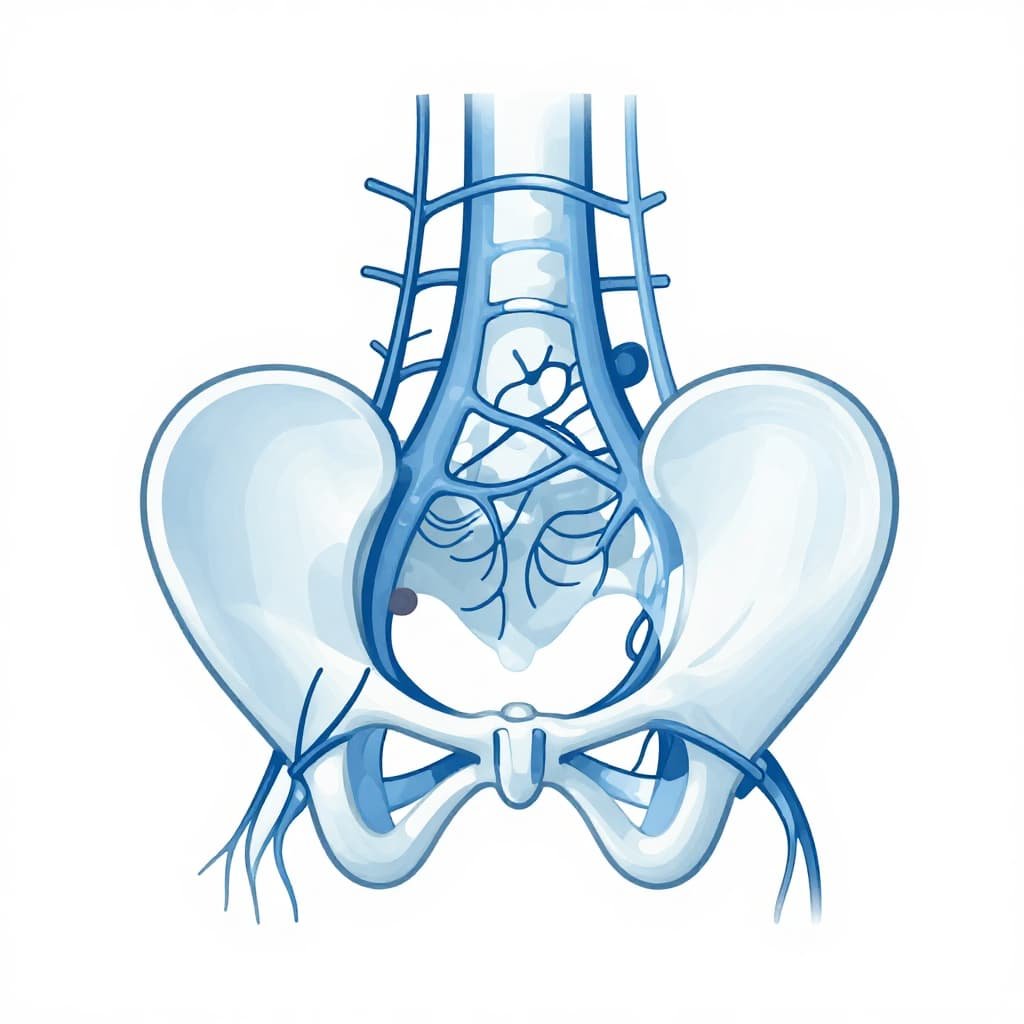
Vascular Injury and Reduced Blood Flow
Radiotherapy targets cancer cells within the prostate but inevitably affects nearby blood vessels. Radiation thickens vessel walls and narrows arteries supplying erectile tissue. This process, called radiation-induced vasculopathy, reduces blood flow gradually over months and years. Men experience radiation prostate cancer ED as progressively weaker, shorter-lasting erections rather than sudden loss of function. Vascular damage also reduces oxygen supply to erectile tissue, encouraging fibrosis within the corpora cavernosa, the spongy chambers responsible for erections.
Brachytherapy and Localised Tissue Fibrosis
Brachytherapy places radioactive seeds directly inside the prostate, delivering concentrated radiation to a smaller area than external beam treatment. This localised approach carries somewhat lower average ED rates but still damages nearby tissue significantly. Radiation exposure triggers fibrosis within erectile chambers, replacing healthy smooth muscle with stiffer scar tissue. Growing clinical interest surrounds brachytherapy ED PRP approaches, since PRP therapy specifically targets fibrotic tissue and aims to support vascular regeneration where localised radiation damage occurred.
Androgen Deprivation Therapy and Combined Effects
Clinicians often prescribe androgen deprivation therapy alongside radiotherapy for men with intermediate- or high-risk prostate cancer. ADT suppresses testosterone production, independently reducing libido and erectile capacity. Combined with radiation-induced vascular injury, ADT significantly raises both the likelihood and severity of erectile dysfunction. Men receiving both treatments face longer, more complex recovery timelines than men treated with radiotherapy alone.
Established Treatment Pathways for ED After Radiotherapy Prostate Cancer
NICE guidance (NG131) supports offering men a structured choice between radical radiotherapy and surgery, alongside honest counselling about likely sexual side effects. Following this shared decision-making process, clinicians typically stage treatment options, starting with the least invasive approach and progressing only when necessary. Most men begin with oral medication before considering mechanical devices or injectable therapies.
PDE5 Inhibitors
Phosphodiesterase type 5 inhibitors, including sildenafil, tadalafil, and vardenafil, represent first-line treatment for most men. These medications widen blood vessels and improve blood flow, but they require reasonably intact vascular tissue to work effectively. Success rates among men with ED after radiotherapy prostate cancer range between 40% and 60%, lower than general population figures because of underlying vascular damage. NHS prescribers commonly offer generic sildenafil to men who develop erectile dysfunction following prostate cancer treatment, supporting accessible first-line care.
Vacuum Erection Devices
Vacuum devices draw blood mechanically into the penis, producing an erection maintained afterwards using a constriction ring. NHS guidance recommends these devices particularly within early penile rehabilitation programmes, since regular use may preserve tissue oxygenation and elasticity during the months following radiotherapy. Men often combine vacuum devices with other treatments rather than relying on them exclusively.
Intracavernosal Penile Injections
Penile injections deliver vasodilating medication directly into penile tissue, producing an erection within ten to fifteen minutes regardless of psychological arousal. NHS specialist services offer these injections when PDE5 inhibitors fail to work adequately. Common formulations include alprostadil alone or combination mixtures such as Trimix. These injections achieve high success rates, though many men find repeated pre-intercourse injections inconvenient or uncomfortable over time.
PRP Therapy for Men’s Performance Issues: An Emerging Regenerative Approach
Alongside established options, clinicians increasingly discuss PRP therapy for men’s performance issues, including erectile difficulties following cancer treatment. Practitioners prepare platelet-rich plasma from a small blood sample, concentrating platelets through centrifugation to isolate growth factors involved in tissue repair. Clinicians then inject the resulting PRP into penile tissue, aiming to stimulate angiogenesis — new blood vessel formation — and support collagen remodelling within damaged erectile chambers.
What Is the P-Shot?
The P-Shot, trademarked as the Priapus Shot, describes a specific PRP injection protocol developed for men’s sexual health. Some patients search for this treatment using informal terms such as penis shot or simply Pshot, though clinicians use the formal terminology. The P-shot procedure involves drawing a small blood sample, processing it to concentrate platelets, then injecting the resulting PRP into specific penile areas. Clinics market this P shot treatment as a non-surgical treatment for erectile dysfunction in London and across the UK, positioning it within the broader category of regenerative treatment for male health in the UK.
Mechanism and Current Evidence Base
PRP contains growth factors, including platelet-derived growth factor and vascular endothelial growth factor, both linked to tissue healing and new blood vessel formation. Preclinical research and small clinical studies suggest PRP may support vascular regeneration within damaged erectile tissue. Robust, large-scale randomised trials specific to ED after radiotherapy prostate cancer remain limited, however. Current evidence draws largely from small studies involving general ED populations rather than radiotherapy-specific cohorts. This gap means outcomes for men treated with radiotherapy cannot be guaranteed and require individual clinical assessment before proceeding.
Safety Considerations and Possible Side Effects
PRP therapy carries a generally favourable safety profile because practitioners use the patient’s own blood, avoiding allergic reaction risks associated with foreign substances. Reported side effects remain mild in most cases and include temporary bruising, mild swelling, and localised tenderness at injection sites. Serious complications appear rare in published case series, though comprehensive long-term safety data specific to men with a prior cancer diagnosis and ED after radiotherapy prostate cancer remain sparse. Clinicians should screen for bleeding disorders, active infection, and blood-clotting medication use before proceeding. Men should disclose their complete radiotherapy history, including radiation dose and field, so practitioners can judge candidacy accurately.
P Shot London: The Procedure at a Private Clinic
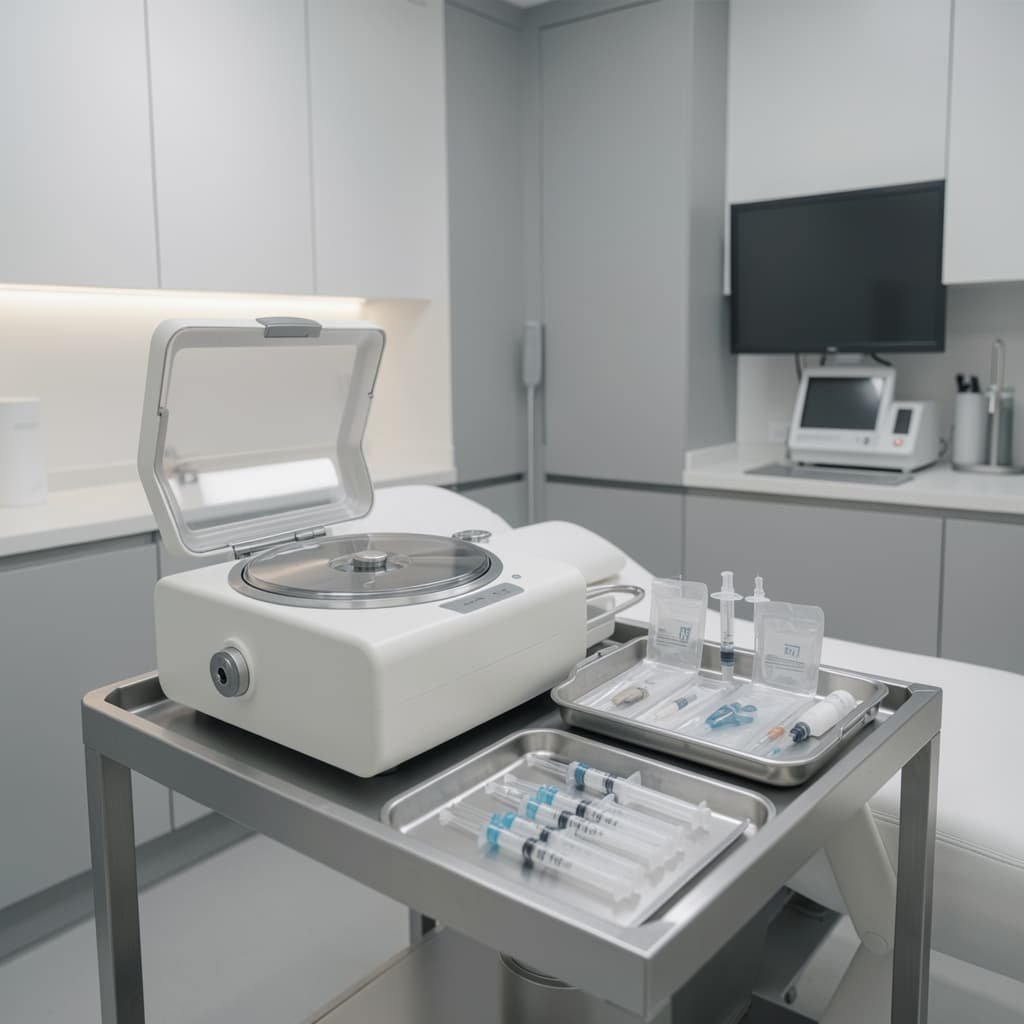
At a Harley Street clinic setting, the P shot London procedure begins with a thorough consultation reviewing medical history, prior cancer treatment, and current erectile function. Clinicians apply topical anaesthetic before drawing blood and processing it using a centrifuge. Practitioners then inject the concentrated PRP into the penile shaft and glans using a fine needle. This priapus shot London procedure typically takes under an hour, and most men resume normal activities immediately afterwards without significant downtime.
This clinic, associated with Dr Syed Nadeem Abbas, a Harley Street practitioner trained across Cambridge, Oxford, and the Royal London Hospital, offers PRP-based procedures including the P-Shot within its broader men’s health services.
P-Shot Before and After: Setting Realistic Expectations
Men researching P-shot before and after outcomes should understand that results vary considerably between individuals. Radiotherapy-related tissue damage often proves more extensive than age-related erectile decline, affecting how tissue responds to PRP. Some men report improved sensitivity, firmness, or better response to PDE5 inhibitors following PRP treatment. However, P shot before and after photographs commonly featured in marketing materials do not represent guaranteed or average outcomes. Current clinical evidence does not support claims of significant penile injection growth or permanent enlargement resulting from PRP alone.
Realistic Timeframes and Session Numbers
Improvement following a P injection procedure typically develops gradually across several weeks, as growth factors stimulate tissue response over time. Many clinics recommend multiple sessions, often spaced four to six weeks apart. Optimal protocols remain under active research and lack full standardisation across the field, so individual clinics may recommend different schedules based on their own clinical experience.
Priapus Shot Price and Cost Considerations in the UK
Priapus shot price figures and P shot UK costs vary considerably between clinics, generally reflecting practitioner expertise, clinic location, and whether packages include multiple sessions. Increasing numbers of men search for Pshot treatment options across London, driving demand at private clinics offering this service. As a private, non-NHS-funded treatment, male enlargement injections cost uk-wide differ significantly from NHS-funded interventions such as PDE5 inhibitors or specialist penile injection services. Men should request a clear, itemised cost breakdown before proceeding and confirm whether follow-up sessions carry additional charges beyond the initial quote.
Is the P-Shot Suitable After Radiotherapy for Prostate Cancer?
Suitability for PRP-based regenerative therapy for ED following radiotherapy depends on several individual factors. These include time elapsed since treatment completion, extent of vascular damage, cancer follow-up status, and any ongoing ADT use. A thorough clinical assessment should precede any men’s intimate health treatment in London for men carrying a prostate cancer history, ideally involving communication with the treating oncology or urology team. PRP therapy cannot substitute for oncological follow-up care. Men experiencing new urinary or sexual symptoms should discuss these first with their treating cancer team before pursuing additional interventions.
How the P-Shot Compares with Standard Penile Injections
Standard penile injections, such as alprostadil or Trimix, work pharmacologically by widening blood vessels immediately before intercourse. Clinical studies report firm erections in roughly nine out of ten men who use these injections correctly alongside physical stimulation. PRP therapy works through a different mechanism entirely. Rather than producing an immediate erection, PRP aims to support gradual tissue repair over weeks or months. This distinction matters when setting expectations. Standard injections offer reliable, on-demand results with decades of evidence behind them. PRP therapy instead targets underlying tissue health, positioning it as a potential complement to, rather than a direct replacement for, pharmacological injections.
Limitations and Realistic Outcomes
Evidence supporting PRP as a natural ED treatment using PRP therapy remains at an early stage compared with established options like PDE5 inhibitors, vacuum devices, and penile injections. Current studies suffer from small sample sizes, inconsistent PRP preparation protocols, and short follow-up periods. Men should not expect PRP to reverse severe vascular damage caused by radiotherapy. This treatment also should not replace medically established first-line options without prior clinical discussion. Combining PRP with PDE5 inhibitors or vacuum therapy, rather than using PRP in isolation, may offer a more balanced approach based on current understanding. This combined strategy still requires individual clinical judgement from a qualified practitioner familiar with the patient’s full treatment history.
Frequently Asked Questions
What causes ED after radiotherapy prostate cancer treatment?
Radiotherapy damages blood vessels and, to a lesser extent, nerves supplying the penis. This damage causes gradual ED after radiotherapy prostate cancer, developing over months to years following treatment completion.
Does research support P-Shot use for erectile dysfunction treatment London clinics offer?
PRP therapy shows promising early results, but large-scale evidence specific to erectile dysfunction treatment London clinics provide remains limited. Patients should consider PRP alongside, not instead of, established treatments.
How much does a P shot cost in the UK?
Pricing varies significantly by clinic and location. Prospective patients should request a detailed quote covering all recommended sessions before starting treatment.
Can clinicians combine the P-Shot with PDE5 inhibitors?
Some clinicians combine PRP therapy with PDE5 inhibitors. Patients should discuss suitability with a qualified practitioner familiar with their complete cancer treatment history first.
Does the P-Shot cause permanent penile enlargement?
No robust clinical evidence supports permanent enlargement claims. Patients should focus on realistic expectations around potential functional improvement rather than size change.
Conclusion
Managing ED after radiotherapy prostate cancer requires a structured, evidence-based approach. This approach must account for the gradual, vascular nature of radiation-related damage. Established treatments, including PDE5 inhibitors, vacuum devices, and penile injections, remain the primary evidence-backed options for most men. PRP therapy offers a developing regenerative alternative worth discussing with a qualified clinician, though current evidence remains preliminary. Men navigating these decisions benefit most from transparent information, realistic expectations, and open dialogue with their treating oncology and urology teams. Given the variability in individual response and current limits within clinical evidence, which combination of established and emerging treatments might offer the most balanced path toward restored sexual function after prostate cancer treatment?
Read more: How Lifestyle Affects P Shot UK Results – Diet, Exercise, and Sleep
When Will I See Results from P Shot in London? A Realistic Timeline


